Lusiana Hamidun
The skin barrier, the outermost protective layer of our skin, plays a pivotal role in maintaining overall skin health. Acting as the body’s primary defense, it shields the underlying skin layers from a multitude of detrimental external exposures. Recognizing the signs of a compromised skin barrier is crucial, as it often manifests as a variety of persistent skin issues that can impact not only appearance but also self-confidence.
The Anatomy of the Skin Barrier
The skin barrier, scientifically known as the stratum corneum, is a complex network of cells and lipids situated in the outermost layer of the epidermis. Its strategic location exposes it directly to the environment, making it the first line of defense against external aggressors. This vital layer comprises corneocytes (flattened, dead skin cells) embedded within a lipid matrix. This lipid matrix, composed of ceramides, cholesterol, and fatty acids, is essential for its structural integrity and its ability to retain moisture. When this delicate balance is disrupted, the skin’s protective functions are significantly impaired.
The Multifaceted Functions of the Skin Barrier
The skin barrier performs several critical functions essential for healthy skin. Its primary role is to act as a physical shield, preventing the ingress of harmful pathogens, allergens, and irritants. Simultaneously, it is responsible for retaining vital moisture within the skin, preventing excessive water loss (Transepidermal Water Loss or TEWL). A healthy skin barrier also plays a role in regulating the skin’s pH, which is crucial for enzymatic activity involved in skin shedding and repair. Furthermore, it contributes to the skin’s ability to respond appropriately to stimuli, preventing overreactions and maintaining a state of equilibrium.
When the skin barrier is compromised, the skin becomes significantly more vulnerable. This vulnerability can lead to a cascade of problems, including increased susceptibility to infections, heightened inflammatory responses, and a diminished capacity for self-repair. The visible consequences can be widespread and distressing, impacting an individual’s daily comfort and overall well-being.
Identifying a Compromised Skin Barrier: Key Indicators
The recognition of a damaged skin barrier is often the first step towards effective treatment and recovery. Persistent and unexplained skin concerns can be significant indicators that the skin’s protective shield is weakened. Understanding these signs is paramount before embarking on specific treatment regimens.
1. Persistent Itching (Pruritus)
One of the most commonly reported symptoms of a compromised skin barrier is persistent itching. This sensation arises when the barrier’s ability to shield the skin from irritants and allergens is diminished. These external substances can then penetrate the skin more easily, triggering an inflammatory response that manifests as itching. The discomfort associated with chronic itching can be significant, disrupting daily activities and impacting sleep quality. Research indicates that increased nerve sensitivity in the epidermis, often associated with barrier dysfunction, contributes to the heightened sensation of itchiness.
2. Dryness and Rough Texture
A healthy skin barrier is instrumental in maintaining optimal skin hydration by preventing excessive water loss. When this barrier is compromised, its ability to lock in moisture is severely impaired, leading to a noticeable increase in dryness. The skin may feel tight, rough to the touch, and may even begin to flake or peel. This dryness is not merely superficial; it reflects a fundamental disruption in the skin’s hydration regulation. In such cases, topical moisturizers alone may offer temporary relief but cannot fully address the underlying issue of impaired moisture retention.

3. Increased Skin Irritation
Irritation is a hallmark symptom of a weakened skin barrier. The skin’s reduced ability to defend against external factors like pollution, UV radiation, and harsh chemicals makes it more susceptible to inflammatory responses. Environmental stressors that would typically be neutralized by a healthy barrier can now easily penetrate and provoke irritation. This can manifest as stinging, burning, or a general feeling of discomfort.
4. Uncomfortable Redness
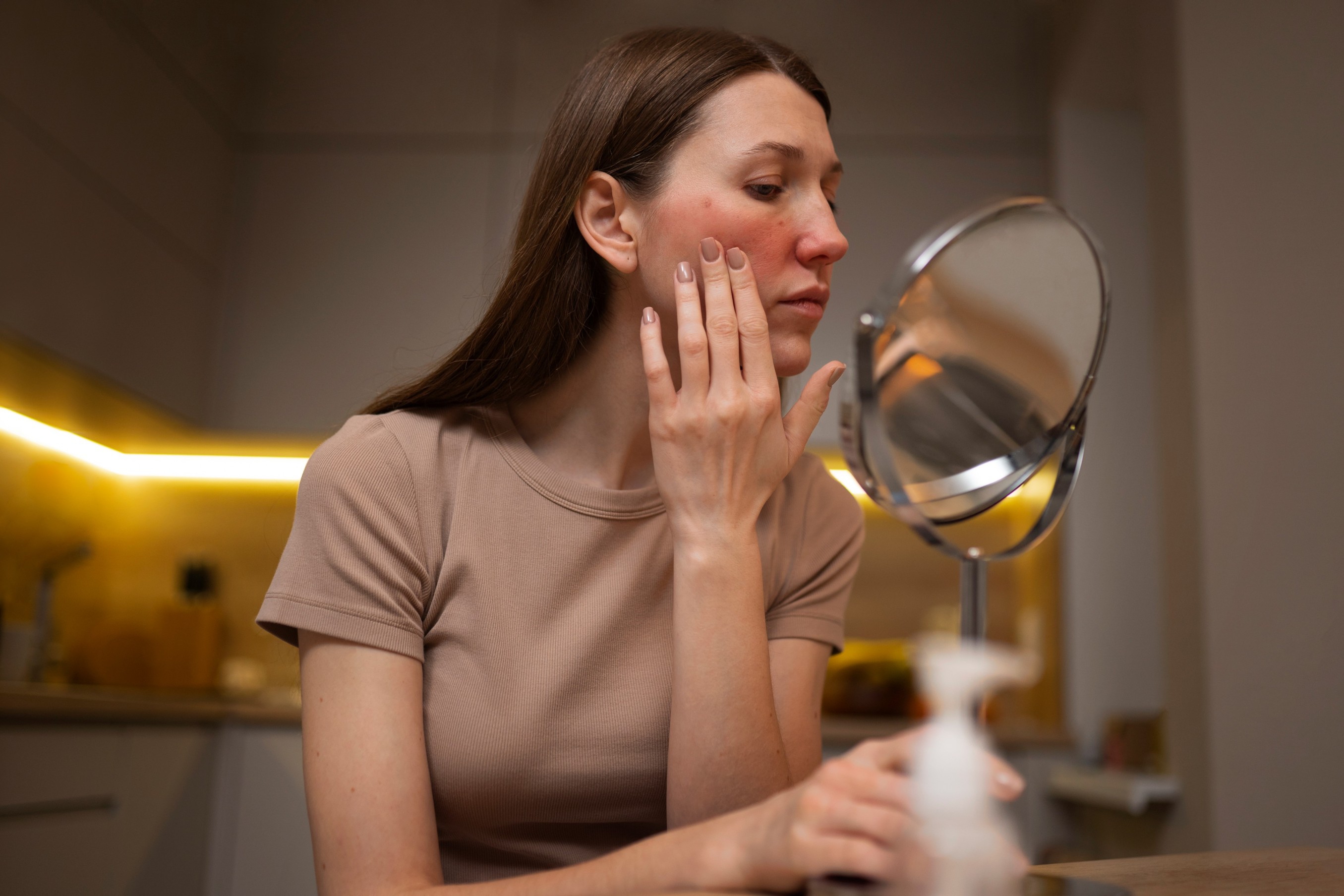
The appearance of redness on the skin can be a direct consequence of barrier damage. This redness often stems from an inflammatory reaction to allergens or irritants present in skincare products or the environment. When the skin barrier is compromised, it becomes hypersensitive, leading to exaggerated responses to substances that would otherwise be tolerated. This heightened sensitivity can result in redness accompanied by a warm or burning sensation, indicating an active inflammatory process.
5. Dull and Lackluster Complexion
Beyond dryness and roughness, a compromised skin barrier can also contribute to a dull and lackluster complexion. The impaired barrier function hinders the natural process of skin cell turnover. Dead skin cells can accumulate on the surface, obscuring the healthy, vibrant skin beneath. This buildup of dead cells prevents light from reflecting evenly, giving the skin a dull appearance and making it look less healthy and radiant.
6. Heightened Skin Sensitivity
A damaged skin barrier leads to an overall increase in skin sensitivity. This means the skin becomes more reactive to ingredients in skincare products, fragrances, and even environmental changes. What was once a tolerated product might now elicit a strong, adverse reaction, such as itching, stinging, or redness. This heightened sensitivity can make selecting appropriate skincare products a challenging and frustrating experience.
7. Hyperpigmentation
Hyperpigmentation, characterized by darker patches of skin compared to the surrounding areas, can also be a sign of a compromised skin barrier. When the barrier is weakened, the skin’s defense against UV radiation and other irritants is diminished. This can trigger an overproduction of melanin, the pigment responsible for skin color. The excessive melanin production can then manifest as dark spots or patches, particularly in areas exposed to the sun. Studies have shown a correlation between impaired barrier function and increased susceptibility to post-inflammatory hyperpigmentation.
8. Increased Susceptibility to Acne Breakouts
Contrary to what might be assumed, a damaged skin barrier can paradoxically lead to increased breakouts. A weakened barrier can become dry, which in turn can prompt the skin to produce more oil in an attempt to compensate for the lost moisture. Furthermore, a compromised barrier allows bacteria and impurities to penetrate the skin more easily. This combination of excess oil, trapped impurities, and bacterial proliferation can lead to clogged pores and the development of acne.
9. The Emergence of Wrinkles
The skin barrier’s role in maintaining moisture is critical for skin elasticity and suppleness. When this barrier function falters, the skin loses its ability to retain adequate hydration, leading to a reduction in elasticity. This loss of suppleness can make the skin more prone to developing fine lines and wrinkles. A healthy, well-hydrated skin barrier contributes to a smoother, more youthful appearance by preserving the skin’s natural bounce and resilience.
10. Persistent Skin Issues
Perhaps the most encompassing sign of a damaged skin barrier is the persistence of skin problems that seem resistant to conventional treatments. This includes conditions like eczema, dermatitis, or even minor cuts and abrasions that take an unusually long time to heal. The impaired barrier function disrupts the skin’s natural healing processes, making it more vulnerable to external factors and prolonging recovery. When skin concerns fail to resolve despite consistent efforts, it is a strong indication that the underlying skin barrier needs attention.
Restoring and Repairing the Skin Barrier
Addressing skin issues stemming from a compromised skin barrier requires a targeted and patient approach. Understanding the specific signs of damage empowers individuals to select appropriate treatments aimed at rebuilding and reinforcing this vital protective layer.
1. Utilizing Targeted Skincare
The cornerstone of skin barrier repair lies in the selection of skincare products specifically formulated to support and strengthen the skin’s natural defenses. These products typically focus on replenishing lost lipids, providing essential hydration, and calming inflammation. Key ingredients to look for include:
- Ceramides: These are crucial lipids that form the building blocks of the skin barrier. Replenishing ceramides helps to restore the barrier’s integrity and prevent moisture loss.
- Hyaluronic Acid: A powerful humectant, hyaluronic acid draws moisture from the environment and binds it to the skin, providing essential hydration without clogging pores.
- Niacinamide (Vitamin B3): This versatile ingredient has anti-inflammatory properties and can help improve the skin’s barrier function by increasing ceramide production and reducing TEWL.
- Fatty Acids: Essential fatty acids, such as linoleic acid and oleic acid, are vital components of the skin’s lipid matrix and help to maintain barrier function and reduce inflammation.
- Cholesterol: Another key lipid in the stratum corneum, cholesterol works synergistically with ceramides and fatty acids to maintain a healthy barrier.
2. Embracing a Simplified Skincare Routine
When the skin barrier is compromised, less is often more. Overloading the skin with numerous products and active ingredients can further exacerbate the problem. A simplified routine focusing on gentle cleansing, effective hydration, and barrier repair is recommended. Essential steps include:
- Gentle Cleansing: Opt for mild, sulfate-free cleansers that do not strip the skin of its natural oils. Avoid harsh scrubbing or using very hot water.
- Moisturization: Apply a rich, emollient moisturizer immediately after cleansing to lock in hydration. Look for products with the barrier-repairing ingredients mentioned above.
- Sun Protection: Daily use of broad-spectrum sunscreen is crucial to protect the weakened skin from further UV damage, which can worsen inflammation and impair healing.
3. Incorporating Natural Oils for Skin Nourishment
Natural plant-based oils can be incredibly beneficial for a damaged skin barrier. These oils are rich in essential fatty acids, antioxidants, and possess anti-inflammatory and antibacterial properties that aid in the repair and protection of the skin. Suitable natural oils include:
- Squalane Oil: Mimics the skin’s natural sebum, providing excellent moisturization and barrier support without feeling heavy.
- Rosehip Oil: Rich in essential fatty acids and vitamin A, it aids in skin regeneration and reduces inflammation.
- Jojoba Oil: Closely resembles the skin’s natural oils, making it easily absorbed and effective in balancing moisture levels.
- Shea Butter: A highly emollient ingredient that provides deep hydration and soothes the skin.
- Sunflower Seed Oil: Contains linoleic acid, which is essential for maintaining a healthy skin barrier.
These oils can be found as key ingredients in moisturizers or can be applied directly to the skin after serum application.
4. Choosing Natural Soaps
The choice of cleanser is critical when dealing with a compromised skin barrier. Harsh soaps can strip the skin of its natural lipids, further weakening the barrier. Opting for gentle, naturally formulated soaps is a safer approach. Ingredients to look for in gentle cleansers include:
- Glycerin: A humectant that attracts and retains moisture in the skin.
- Oat Extract: Known for its soothing and anti-inflammatory properties, which can help calm irritated skin.
- Chamomile Extract: Possesses anti-inflammatory and antioxidant benefits, aiding in skin soothing.
- Aloe Vera: Provides hydration and has a calming effect on irritated skin.
By understanding the intricate functions of the skin barrier and diligently recognizing its signs of distress, individuals can implement effective strategies to restore its health, leading to more resilient, comfortable, and radiant skin. Patience and consistency are key in this process, as rebuilding a damaged skin barrier is a journey that requires dedicated care and attention.