
 Lusiana Hamidun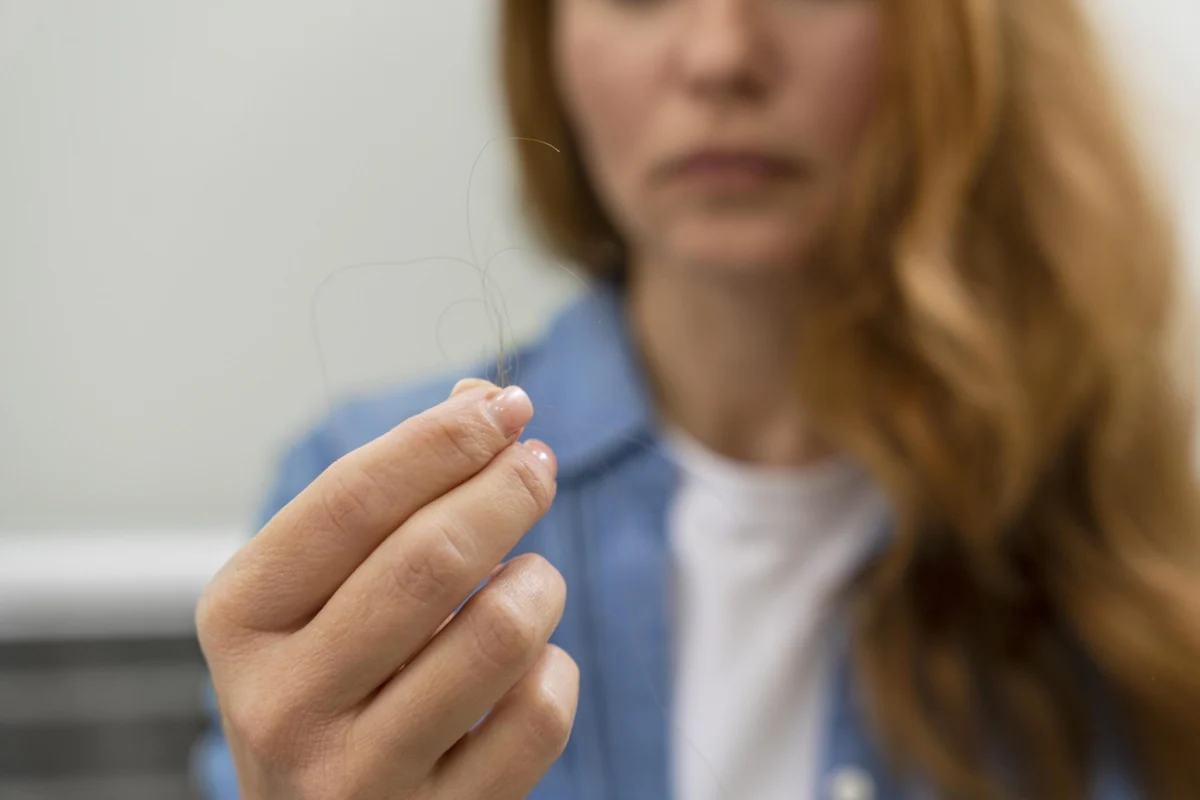
The appearance of silver or white hair strands, commonly known as graying, is a physiological hallmark of the human aging process. While typically associated with the transition into middle and later life, the emergence of gray hair among individuals in their twenties or early thirties—a phenomenon clinically referred to as premature graying—has become an increasingly discussed topic in dermatological and wellness circles. Although often benign, the early loss of hair pigmentation can be an indicator of underlying physiological shifts, nutritional deficits, or genetic predispositions. For many young adults, the aesthetic impact of premature graying often leads to significant psychological distress, yet understanding the root causes is essential for determining whether the condition warrants clinical intervention or lifestyle adjustments.
Defining Premature Graying and the Role of Melanin
At the core of hair pigmentation is melanin, a complex polymer produced by specialized cells known as melanocytes located within the hair follicles. As an individual matures, these melanocytes gradually decrease their production of pigment, resulting in the characteristic gray or white hue of hair. In individuals of Asian descent, the onset of natural graying typically begins in the late 30s. However, clinical standards define "premature graying" as the presence of white hair before the age of 25.
This process is fundamentally a disruption in the homeostasis of the hair follicle. When melanocytes fail to regenerate or are damaged by oxidative stress, the hair shaft is produced without the protective and aesthetic benefits of melanin. While society frequently equates these early signs with a decline in systemic health, medical experts caution against such generalizations. In many instances, the process is isolated to the follicle and does not necessarily signify a systemic biological failure.
The Genetic Blueprint: Predisposition and Inheritance
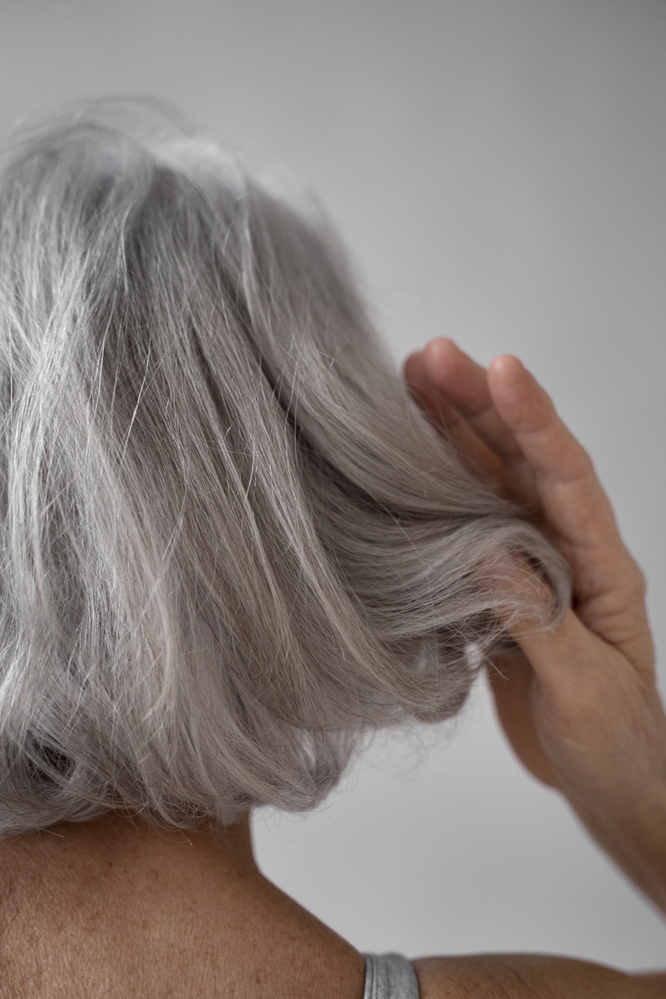
The most prominent driver of premature graying is hereditary influence. Genetics dictate the timing and pattern of follicle senescence. Research indicates that individuals with a family history of premature graying are three to five times more likely to experience the condition themselves. This is often linked to specific variants in genes such as IRF4, which is known to regulate melanin production.
From a chronological perspective, if an individual’s parents or grandparents exhibited graying in their early twenties, the probability of the condition appearing in the current generation is significantly elevated. Unlike other forms of graying triggered by external factors, genetically induced premature graying is generally considered a permanent, non-pathological trait. It is a biological inevitability dictated by the individual’s DNA rather than a response to environmental stimuli.
Oxidative Stress and the Impact of Lifestyle Choices
Beyond the genetic scope, contemporary research has shed light on the impact of oxidative stress on hair follicle longevity. A landmark study published in Nature demonstrated that acute stress in murine models leads to the rapid depletion of melanocyte stem cells. When the body undergoes prolonged emotional or psychological stress, it releases catecholamines—neurotransmitters that trigger a "fight or flight" response. This cascade of chemical activity induces oxidative stress, which effectively creates a hostile environment for the hair follicle, causing permanent damage to the pigmentation process.
Lifestyle factors, particularly the use of tobacco products, further exacerbate this condition. Clinical studies have shown a robust correlation between smoking and the onset of gray hair before the age of 30. The mechanisms involved are two-fold: the inhalation of toxic substances, such as carbon monoxide and nicotine, restricts blood flow to the scalp, and the resulting accumulation of free radicals directly damages the structural integrity of the melanocytes. The vasoconstrictive nature of smoking limits the delivery of essential nutrients to the follicles, effectively accelerating the aging process of the hair.

Nutritional Deficiencies and Metabolic Disruptions
The hair follicle is a high-turnover tissue that requires a consistent supply of vitamins and minerals to maintain its function. A deficiency in Vitamin B12 is among the most common nutritional culprits behind premature graying. Vitamin B12 is essential for the production of red blood cells and the maintenance of healthy follicles. When levels drop, the oxygenation of the scalp and the production of melanin are severely compromised.
Beyond B12, modern diets lacking in iron, zinc, copper, and essential proteins can contribute to the decline in pigmentation. Copper, in particular, acts as a cofactor for the enzyme tyrosinase, which is critical for melanin synthesis. A balanced intake of these nutrients is not only vital for hair health but also for overall metabolic function. In cases where graying is caused by these deficiencies, the condition is often reversible through targeted dietary changes or supplementation, provided that the follicles have not suffered irreparable damage.
Pathological Indicators: Autoimmune and Hormonal Factors
In some instances, the sudden emergence of gray hair serves as a clinical marker for more complex systemic health issues. Thyroid disorders, such as hyperthyroidism or hypothyroidism, are frequently implicated in hair color changes. Because the thyroid gland regulates metabolic rates and hormone secretion, any imbalance can disrupt the melanogenic cycle.
Furthermore, autoimmune conditions such as alopecia areata and vitiligo represent more severe threats to hair pigmentation. In these cases, the body’s immune system mistakenly identifies melanocytes as foreign invaders and attacks them. Alopecia areata is characterized by patchy hair loss, where the regrowing hair often emerges white or gray due to the destruction of the pigment-producing cells during the inflammatory process. Patients who observe rapid, widespread graying are often advised to consult with an endocrinologist or a dermatologist to rule out these autoimmune markers.
External Aggressors: UV Exposure and Chemical Damage
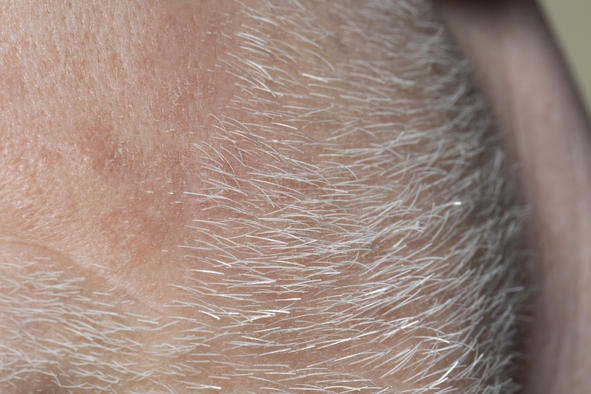
The environmental landscape plays a silent yet significant role in premature aging of the hair. Ultraviolet (UV) radiation from sunlight acts as a source of oxidative stress, damaging the cuticle and the pigment cells within the shaft. Consistent, unprotected exposure to high-intensity sunlight can cause premature bleaching and long-term damage to the hair’s internal structure.
Similarly, the modern obsession with hair styling has led to an increase in chemical and thermal damage. The use of ammonia-based dyes, harsh bleaching agents, and high-heat styling tools (such as flat irons and blow dryers) strips the hair of its natural protective oils and disrupts the proteins required for melanin retention. Over time, the structural degradation of the hair follicle caused by these practices can manifest as a loss of natural color, as the follicle struggles to recover from constant chemical or thermal trauma.
Clinical Perspectives: Can the Process be Reversed?
The question of whether premature graying can be reversed remains a focal point of dermatological research. The answer is highly dependent on the root cause. If the graying is triggered by a reversible factor—such as nutritional deficiency, high stress, or tobacco use—the cessation of these habits or the correction of the deficiency may allow for the return of natural pigment.
However, once a hair follicle has ceased production of melanin due to genetic factors or permanent stem cell exhaustion, the process is considered irreversible. Currently, there is no standardized medical treatment capable of "re-pigmenting" a hair strand that has already turned white. Efforts in the medical community are largely focused on prevention and the stabilization of existing follicles.
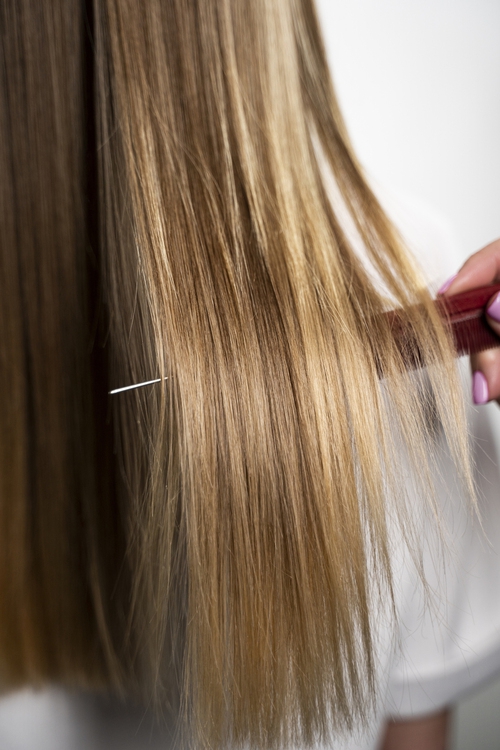
For those affected, the following preventative measures are generally recommended by health experts:
- Nutritional Optimization: Ensuring a diet rich in B-complex vitamins, iron, and minerals.
- Stress Management: Utilizing mindfulness or therapeutic practices to lower systemic cortisol levels.
- Protection: Utilizing UV-protective hair products and minimizing the frequency of high-heat styling.
- Smoking Cessation: Eliminating nicotine intake to improve vascular health and follicle oxygenation.
Conclusion and Recommendations for Clinical Consultation
While the presence of gray hair in a young adult is often an aesthetic concern rather than a medical emergency, it serves as a meaningful indicator of internal balance. If an individual observes an abrupt onset of white hair, accompanied by symptoms such as fatigue, unexplained weight changes, or localized skin patches, a professional medical evaluation is recommended. Blood tests can determine if underlying conditions like anemia, thyroid dysfunction, or vitamin deficiencies are present.
In summary, the transition to gray hair is a multifaceted process. While genetics provide the baseline, environmental and systemic health play a significant role in determining the speed and severity of this change. By prioritizing nutritional health and mitigating environmental stress, individuals can support the longevity of their hair follicles and, in some cases, delay the onset of premature graying. For the majority, however, the phenomenon remains a natural, albeit early, expression of their unique biological timeline.








