
 Chalifah Fatihah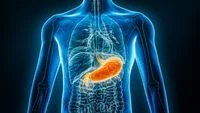
The human stomach serves as a foundational pillar of the gastrointestinal tract, acting as a dynamic muscular reservoir that initiates the complex process of digestion. Utilizing powerful gastric acids and specialized enzymes, the organ breaks down ingested macronutrients into usable components before passing them sequentially into the small intestine for further nutrient extraction and absorption. Maintaining the delicate balance of this intricate system requires a conscious commitment to a balanced, diverse diet rather than a reliance on isolated superfoods or quick fixes.
In contemporary nutritional science, colloquial terms such as "stomach-cleansing foods" are frequently invoked to describe dietary items that facilitate smooth gastrointestinal function. However, medical professionals clarify that these foods do not literally wash or detoxify the organ. Instead, they provide targeted nutritional support, reduce systemic inflammation, optimize gut motility, and nourish the beneficial microbiota residing in the digestive tract. Incorporating a well-rounded variety of whole foods into daily meal planning remains the gold standard for long-term digestive wellness.
The Anatomy of Digestion and the Role of Gastric Health
To appreciate the impact of specific dietary choices, one must first examine the physiological mechanisms of the upper and lower gastrointestinal tracts. According to health guides published by the Cleveland Clinic, the stomach’s primary responsibility is mechanical and chemical processing. The muscular walls churn food thoroughly while mixing it with hydrochloric acid and pepsin. This chemical bath neutralizes harmful pathogens and breaks down complex proteins.
Once chyme—the semi-fluid mass of partly digested food—leaves the pyloric sphincter, it enters the small intestine, where the majority of nutrient absorption takes place. Disruptions in this upper phase, whether triggered by highly processed foods, insufficient fiber intake, or systemic sensitivities, can manifest as distressing symptoms, including chronic bloating, acid reflux, cramping, and upper abdominal pain.
Medical experts consistently emphasize that digestive efficiency is cumulative. A single dietary modification cannot undo the effects of chronic poor nutrition. Consequently, gastroenterologists advocate for a holistic dietary framework rich in soluble and insoluble fibers, prebiotic compounds, and natural anti-inflammatory agents.
- Leafy Green Vegetables: Gentle Fiber and Cellular Protection
Dark, leafy greens occupy a premier position in gastrointestinal nutrition. According to research from Johns Hopkins Medicine, varieties such as spinach and kale are packed with essential dietary fiber, alongside critical micronutrients including folate, vitamin C, vitamin K, and vitamin A. Crucially, these vegetables possess a cellular structure that is remarkably gentle on a sensitive stomach, making them accessible even to individuals prone to post-meal discomfort.
The dietary fiber present in leafy greens plays a dual role in digestion. Insoluble fiber adds bulk to stool and accelerates transit time through the colon, preventing constipation. Concurrently, complex carbohydrates and natural sugars within these plants serve as vital nourishment for commensal gut bacteria. When these beneficial microbes ferment the dietary fibers, they produce short-chain fatty acids (SCFAs) like butyrate, which nourish the cells lining the colon, reduce local inflammation, and strengthen the intestinal barrier.
- Avocados: Balanced Macronutrients and Fructose Tolerance
Avocados have surged in popularity due to their dense nutritional profile, offering substantial amounts of healthy monounsaturated fats, dietary fiber, and potassium. From a gastroenterological perspective, avocados offer a distinct advantage: they are exceptionally low in fructose compared to many other commonly consumed fruits. This low fructose content makes them significantly easier to tolerate for individuals suffering from fructose malabsorption or irritable bowel syndrome (IBS).
Despite their digestive benefits, avocados are calorie-dense. Nutritional epidemiologists recommend mindful portion control, suggesting that individuals integrate modest portions—such as a few slices atop whole-grain toast or tossed into a green salad—to reap the rewards of their potassium and healthy lipid content without overburdening daily caloric limits.
- Fermented Vegetables: Introducing Live Microbial Diversity
Fermentation is an ancient culinary preservation technique that has recently regained scientific prominence for its profound impact on gut health. Traditional preparations such as kimchi and sauerkraut undergo a lacto-fermentation process driven by naturally occurring lactic acid bacteria. According to analyses published by BBC Good Food, these fermented foods introduce diverse microbial strains directly into the digestive tract, where they transiently interact with the resident gut microbiome.
The introduction of live microorganisms can help modulate immune function within the gut-associated lymphoid tissue (GALT) and enhance mucosal defense mechanisms. However, medical professionals advise a cautious approach. The microbial and chemical impact of fermented foods varies significantly from person to person. Furthermore, commercial varieties can contain high levels of sodium. Gastroenterologists recommend starting with small, experimental portions—especially for individuals unaccustomed to fermented items—to monitor individual tolerance and prevent temporary gas or bloating.
- Whole Grains: Sustaining Regularity and Managing Bloating
Whole grains, including traditional oats and unpolished brown rice, represent exceptional sources of both soluble and insoluble dietary fiber. These unrefined grains are instrumental in maintaining predictable bowel regularity and preventing the sluggishness associated with low-fiber diets.
Oats are particularly noteworthy for their high concentration of beta-glucan, a soluble fiber that forms a viscous gel in the digestive tract. This gel-like consistency can slow gastric emptying slightly, promoting prolonged satiety, while also binding to cholesterol to support cardiovascular health. For individuals who experience severe bloating from harsh, abrasive fibers, the gentle soluble fiber found in oats provides a soothing alternative.
Dietary experts advise introducing whole grains gradually. A sudden, drastic increase in fiber intake without a corresponding increase in fluid consumption can paradoxically exacerbate constipation and cramping. Drinking adequate amounts of water is non-negotiable when optimizing a high-fiber diet.
- Fresh Ginger: Natural Relief for Upper Gastrointestinal Distress
Ginger has a multi-century history rooted in traditional medicine across Asia, prized primarily for its ability to alleviate nausea, motion sickness, and mild dyspepsia. Modern pharmacological studies indicate that bioactive compounds within fresh ginger root, most notably gingerols and shogaols, exhibit potent anti-inflammatory and antioxidant properties.
These compounds can accelerate gastric emptying by stimulating gastric motility, helping food move more efficiently from the stomach into the small intestine. Culinary integration is straightforward: incorporating thinly sliced fresh ginger into herbal teas, clear broths, or savory stir-fries allows individuals to harness its medicinal properties. Nevertheless, clinicians caution that while ginger is an excellent complementary dietary tool, it should never serve as a replacement for formal medical treatment when gastrointestinal symptoms are severe, chronic, or debilitating.
- Bananas: Prebiotic Support and Gentle Digestion
Bananas are widely recognized as a staple of the bland diet, frequently recommended during recovery from acute gastrointestinal illness. Beyond their ease of digestion, bananas provide a reliable source of dietary fiber, including notable amounts of pectin. Pectin is a soluble fiber that aids in normalizing stool consistency, offering relief during bouts of both mild diarrhea and constipation.
Furthermore, unripe and slightly ripe bananas contain resistant starch and fructooligosaccharides, which act as prebiotics. These compounds bypass enzymatic digestion in the upper gastrointestinal tract to reach the large intestine intact, where they selectively stimulate the proliferation of beneficial bifidobacteria.
Broader Implications and Clinical Recommendations
While the incorporation of leafy greens, avocados, fermented vegetables, whole grains, ginger, and bananas can significantly enhance everyday digestive comfort, medical consensus dictates that no single food functions as a universal panacea for gastrointestinal disorders. The human digestive system is exceptionally complex, influenced by genetics, stress levels, hydration, pharmacological agents, and overall lifestyle factors.
Nutritional guidelines emphasize a progressive, balanced approach to dietary changes. Rapidly surging fiber intake or indiscriminately consuming high volumes of novel foods can shock the microbiome, leading to temporary distress rather than relief. A gradual increase in dietary diversity, paired with adequate daily water consumption, remains the most scientifically validated strategy for long-term gut health.
Furthermore, persistent gastrointestinal symptoms demand professional medical evaluation. Patients experiencing chronic abdominal pain, unexplained nausea, significant weight loss, or persistent alterations in bowel habits should avoid relying solely on dietary adjustments. Consulting a qualified gastroenterologist or primary care physician is essential to rule out underlying pathologies such as inflammatory bowel disease, peptic ulcer disease, or celiac disease, ensuring that treatment remains evidence-based and tailored to individual physiological needs.








