Chalifah Fatihah
Cats, often perceived as aloof or independent, are in reality highly sensitive creatures susceptible to stress, much like humans. However, their ways of communicating distress can be far more nuanced and sometimes, surprisingly, appear endearing. What might be interpreted as a cute quirk or an endearing habit can, in fact, be a clear indicator that your feline companion is experiencing significant emotional strain. This article delves into these often-overlooked signs of feline stress, providing pet owners with essential knowledge to better understand and support their beloved "anabul" (a popular Indonesian term for pets, often translated as furry companions).
The sensitivity of cats to their environment cannot be overstated. Even minor shifts in their surroundings, routine, or social dynamics can trigger stress. This psychological strain manifests in various ways, impacting their behavior, appetite, grooming habits, and even their elimination patterns. While overt signs like a loss of appetite, lethargy, or outright aggression are often recognized as indicators of a cat in distress, subtler behavioral changes can easily be misattributed or dismissed. Understanding these less obvious cues is crucial for proactive pet care and ensuring the overall well-being of our feline friends.
The Spectrum of Feline Stress Signals
When a cat is stressed, the reasons can be diverse, ranging from changes in household dynamics, such as the introduction of a new pet or family member, to environmental factors like loud noises, moving to a new home, or even boredom. The key is recognizing that these seemingly minor stressors can accumulate, leading to a state of chronic anxiety for the cat.
1. Increased Vocalization: The Feline Cry for Help
One of the most common, yet often misinterpreted, signs of feline stress is an increase in vocalization. While a cat’s meow can be a request for food, attention, or to simply greet their human, a sudden surge in vocal output, especially if it’s accompanied by a change in tone or intensity, can signal distress. This can manifest as:
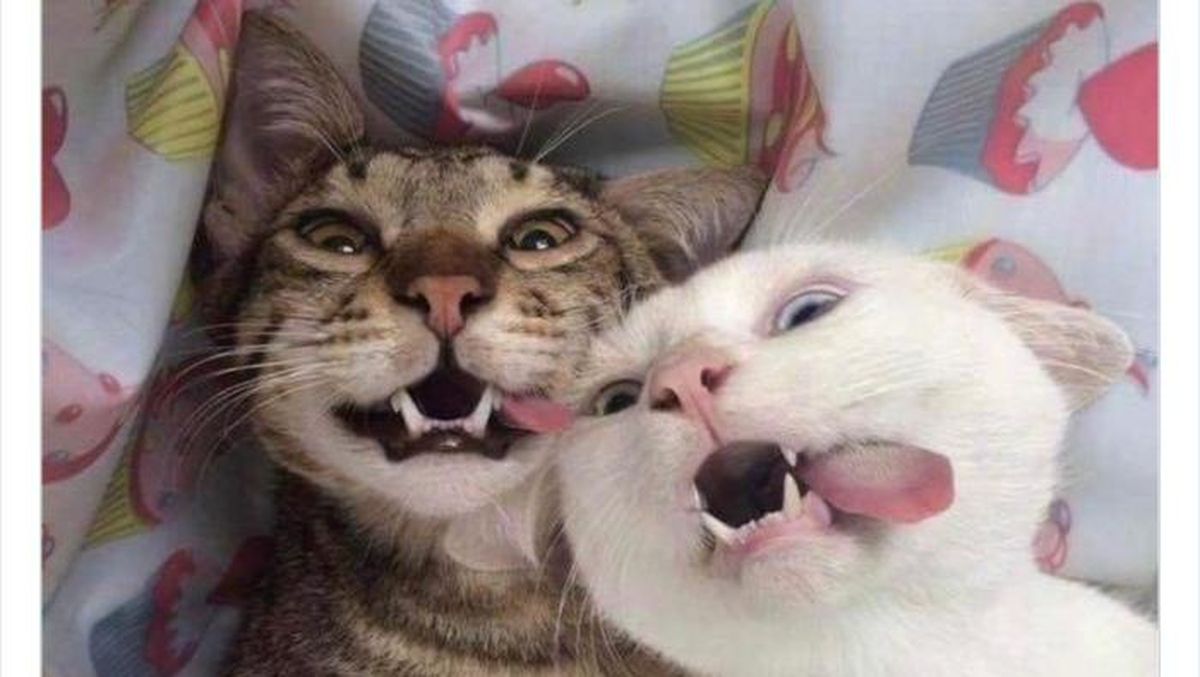
- Excessive Meowing or Howling: These prolonged vocalizations can be interpreted as a cat’s way of seeking attention or expressing discomfort and anxiety. They are essentially trying to communicate their unease and may be hoping for reassurance or a change in their situation. Research from veterinary behaviorists suggests that increased meowing can be a direct response to perceived threats or changes in their environment, acting as a plea for intervention.
- Hissing and Growling: These are more primal defensive sounds, typically associated with a feeling of being threatened or cornered. When a cat hisses or growls more frequently than usual, it indicates a heightened sense of danger or fear. This behavior, while outwardly aggressive, is rooted in a stress response, as the cat attempts to ward off what it perceives as a threat. Studies on feline communication highlight that these sounds are crucial warning signals, allowing the cat to express its discomfort before resorting to physical defense.
The specific context of these vocalizations is important. A cat that is usually quiet and suddenly becomes very vocal, especially with sounds that seem plaintive or agitated, is likely experiencing stress. Owners should pay close attention to the timing and circumstances surrounding these vocal outbursts.
2. Over-Grooming: A Comforting Ritual Gone Awry
Grooming is a natural and essential behavior for cats. It not only keeps their coats clean but also serves as a self-soothing mechanism. The act of licking releases endorphins, which can promote feelings of contentment and relaxation. However, when a cat is experiencing stress, this natural behavior can escalate into an unhealthy obsession.
- Compulsive Licking: In stressful situations, cats may turn to grooming as a way to cope. They might lick their bodies more frequently and intensely than usual, attempting to regain a sense of control and comfort. This compulsive licking can lead to a condition known as psychogenic alopecia, where the cat licks off its own fur, often in specific patterns or areas of the body. This can result in bald patches, skin irritation, and even open sores.
- Skin Irritation and Hair Loss: The constant friction from over-grooming can cause inflammation, redness, and tenderness of the skin. In severe cases, the skin can become raw and infected, requiring veterinary intervention. This physical manifestation of stress is a clear sign that the cat’s coping mechanisms are no longer sufficient. A study published in the Journal of Veterinary Behavior highlighted that over-grooming is a significant indicator of underlying anxiety and stress in felines, often linked to environmental stressors or a lack of mental stimulation.
Observing a cat excessively licking or chewing at its fur, particularly in areas like the abdomen, inner thighs, or flanks, should be a cause for concern. It’s a sign that the cat is struggling to manage its stress and needs assistance.
3. Purring: Not Always a Sign of Contentment
The gentle rumble of a cat’s purr is often associated with happiness and relaxation. It’s a sound that brings comfort to many cat owners. However, this comforting vibration can also be a sign of deep-seated stress or even pain.
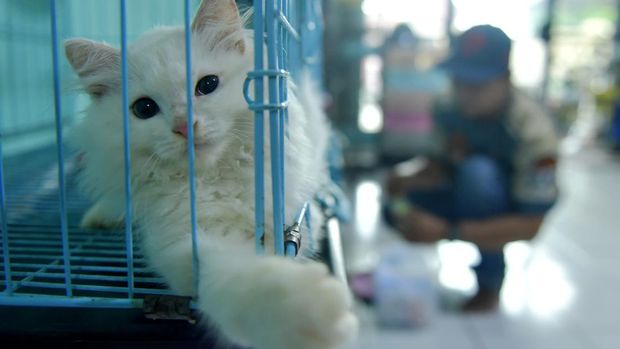
- Self-Soothing Mechanism: While purring typically signifies contentment, cats also purr when they are anxious, scared, or in pain. This is because the low-frequency vibrations of purring can have a self-soothing effect, helping to calm them down and regulate their nervous system. Veterinary experts like Dr. Cassidy Alvarez have explained that purring, in these instances, acts as a coping mechanism, a way for the cat to try and manage its own distress.
- Physiological Benefits: Intriguingly, the frequency of a cat’s purr (between 25 and 150 Hertz) has been linked to therapeutic benefits for both cats and potentially humans. These vibrations have been shown to promote bone density, aid in tissue healing, and even reduce pain. Therefore, a cat might purr as a way to stimulate its own healing processes or to mitigate discomfort, even when it’s not feeling outwardly relaxed.
- Distinguishing Stress Purring: The key to differentiating between a relaxed purr and a stress-induced one lies in observing the cat’s overall body language and accompanying behaviors. A cat that is purring while relaxed will typically have soft, blinking eyes, a relaxed posture, and may be kneading with its paws. Conversely, a cat that is purring due to stress might exhibit other signs such as dilated pupils, flattened ears, a tense body, hiding, a hunched posture, or rapid breathing. If a cat is purring but also displaying these signs of anxiety, it’s a strong indication that the purr is a coping mechanism rather than an expression of joy.
The Importance of Observing the Whole Picture
As Dr. Alvarez aptly points out, "Cats are very good at hiding illness, so it’s important to look at the overall picture." This holistic approach is vital when assessing a cat’s emotional state. Relying on a single sign can lead to misdiagnosis and delayed intervention.
Beyond the Obvious: Other Stress Indicators
While the three primary signs discussed above are often subtle, other behavioral changes can also point to feline stress:
- Changes in Appetite: While a complete loss of appetite is noticeable, subtle changes like eating smaller amounts more frequently, or conversely, an increase in food intake (sometimes referred to as stress-eating), can also be indicative of stress.
- Litter Box Issues: A sudden reluctance to use the litter box, or changes in elimination habits (e.g., urinating or defecating outside the box), can be a significant stress signal. This can be due to the cat associating the litter box with a negative experience or feeling unsafe in its environment, leading it to seek alternative, sometimes inappropriate, elimination spots.
- Hiding and Withdrawal: While some cats are naturally more reclusive, a cat that suddenly starts hiding more than usual, avoiding interaction, or appearing generally withdrawn, may be experiencing stress. This is a classic sign of a cat trying to remove itself from a perceived threat or overwhelming situation.
- Aggression and Irritability: While not always subtle, an increase in aggression towards other pets or humans, or a general irritability and quickness to swat or bite, can be a manifestation of stress. This is often a defense mechanism when a cat feels cornered or threatened.
- Altered Sleep Patterns: A stressed cat might sleep more or less than usual, or show changes in its sleep location or quality. They may become more restless or find it difficult to settle down.
- Excessive Yawning or Lip Licking: These are often subtle displacement behaviors that cats exhibit when they are feeling uncomfortable or anxious. They are not necessarily tired or thirsty, but are trying to self-soothe.
Underlying Causes and Environmental Factors
Understanding the root cause of a cat’s stress is paramount to effectively addressing it. Common stressors include:
- Changes in Environment: Moving to a new home, renovation, or even rearranging furniture can be disruptive.
- Household Dynamics: The introduction of a new pet (dog, cat, or other), a new baby, or even a frequent visitor can cause stress. Conflict between pets is a significant source of anxiety.
- Lack of Stimulation: Boredom and a lack of mental and physical engagement can lead to stress and behavioral problems.
- Loud Noises: Fireworks, construction, or loud music can be particularly distressing for sensitive cats.
- Medical Issues: It’s crucial to rule out any underlying medical conditions that might be causing pain or discomfort, as these can manifest as behavioral changes. A visit to the veterinarian is always recommended when significant behavioral changes are observed.
- Unpredictable Routines: Cats thrive on predictability. Inconsistent feeding times, play sessions, or owner presence can create anxiety.
Addressing Feline Stress: A Proactive Approach
Once stress is identified, owners can take several steps to help their feline companions cope:
- Identify and Mitigate Stressors: The most effective approach is to remove or reduce the source of stress. This might involve creating separate spaces for pets, providing a quiet retreat, or using calming pheromone diffusers.
- Enrichment and Stimulation: Provide ample opportunities for play, exploration, and mental stimulation. This includes interactive toys, puzzle feeders, scratching posts, and vertical spaces like cat trees.
- Establish a Predictable Routine: Consistent feeding times, play sessions, and grooming can provide a sense of security.
- Create Safe Spaces: Ensure your cat has access to quiet, secure areas where they can retreat and feel safe, such as high shelves, cozy beds, or covered carriers.
- Positive Reinforcement: Reward calm and relaxed behavior with praise, treats, or gentle petting. Avoid punishment, as this can exacerbate stress.
- Consult a Veterinarian: If stress is severe or persistent, or if you suspect an underlying medical issue, consult your veterinarian or a certified feline behaviorist. They can provide tailored advice and, if necessary, recommend appropriate therapeutic interventions.
By recognizing and understanding the subtle, and sometimes even "cute," signs of stress in cats, owners can become more attuned to their feline companions’ emotional needs. This proactive approach not only improves the cat’s quality of life but also strengthens the bond between pet and owner, fostering a more harmonious and understanding relationship. The seemingly endearing behaviors of our cats can, in fact, be a profound invitation to look deeper and offer the support they truly need.