Eko Sulistyo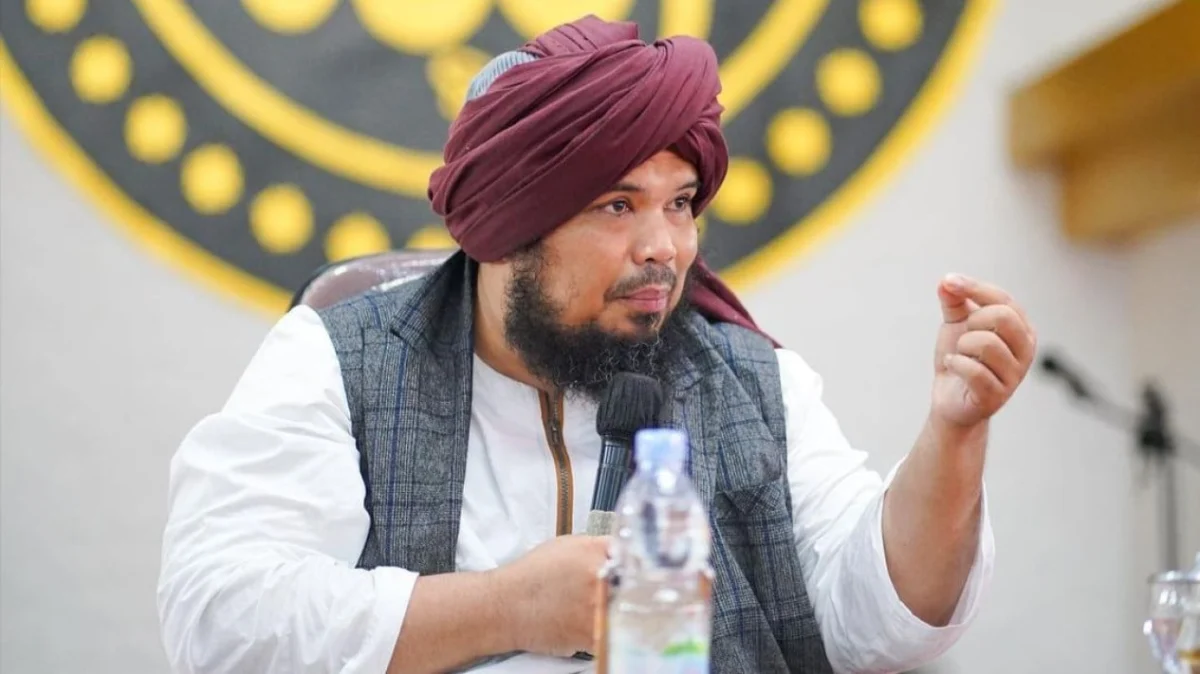
The ongoing legal proceedings involving prominent beauty expert and entrepreneur Dr. Richard Lee have taken an unexpected turn following the appearance of Ustaz Derry Sulaiman as a witness in court. The high-profile case, which centers on alleged violations of consumer rights and strict adherence to the Indonesian Health Law, has triggered significant public discourse. As Dr. Lee navigates these complex legal challenges, the involvement of a religious figure like Ustaz Derry has fueled widespread speculation, ranging from allegations of financial compensation to theories suggesting ulterior business motives linked to the skincare industry.
These allegations emerged immediately after Ustaz Derry was spotted at the courthouse, prompting a flurry of commentary on social media platforms. Critics questioned whether his presence was motivated by a desire to influence the judiciary or to protect commercial interests. In response to these claims, Ustaz Derry has issued a definitive denial, asserting that his involvement is purely rooted in personal friendship and religious obligation rather than any professional or financial entanglement.
Contextual Background of the Legal Dispute
The legal challenges facing Dr. Richard Lee are multifaceted, involving several years of regulatory scrutiny and public disputes. Dr. Lee, who gained significant prominence through his educational social media content regarding skincare safety and ingredient transparency, has frequently clashed with established industry norms and other public figures.
The current legal matter, which brought Ustaz Derry into the spotlight, revolves around accusations that Dr. Lee’s business operations failed to meet specific regulatory standards mandated by the Ministry of Health and consumer protection laws. These laws are designed to ensure that cosmetic products sold in Indonesia are not only effective but also safe for public consumption, requiring rigorous testing and clear labeling protocols.
Historically, Dr. Lee’s journey has been marked by a series of legal confrontations. His advocacy against "unverified" skincare products often placed him in direct opposition to various stakeholders within the Indonesian beauty market. This current trial represents a culmination of these tensions, as the court evaluates whether his specific business practices crossed the threshold into illegality or if they fall under the category of protected consumer education.
Chronology of Events
To understand the gravity of the situation, it is necessary to examine the timeline leading up to this point:
- Initial Regulatory Scrutiny: Dr. Lee’s skincare brand faced multiple inquiries regarding its product registration and marketing claims over the past several years.
- The Conflict Escalates: Public disagreements between Dr. Lee and several celebrities over product safety resulted in several police reports, creating a volatile legal environment.
- Formal Charges: Following extensive investigations by health authorities and law enforcement, formal charges were brought against Dr. Lee, alleging violations of the Electronic Information and Transactions (ITE) Law and the Health Law.
- The Trial Phase: The current trial proceedings have entered the witness testimony stage, where the prosecution and defense are presenting evidence to determine the validity of the allegations.
- Ustaz Derry’s Appearance: On October 11, 2026, Ustaz Derry Sulaiman attended the court session, marking a shift in the public perception of the trial’s social implications.
Clarifying the Motivations: A Response to Speculation
Addressing the media in the Tangerang area, Ustaz Derry addressed the rumors head-on. He emphasized that his presence was not a commercial endorsement or a business transaction. "I am here because of Allah, not because of any skincare business," he stated. "Everyone knows that I do not own or operate a skincare company. Therefore, the narrative that Richard Lee is paying me for my presence is entirely baseless and lacks any logical foundation."
Ustaz Derry maintained that his support for Dr. Lee is a matter of personal solidarity. As a fellow Muslim, he expressed a moral duty to stand by a friend who is experiencing hardship, regardless of the public’s perception of the specific legal case. He noted that in his view, the legal system should be allowed to operate, but that personal support for an individual during a difficult time is distinct from endorsing their business practices.
When confronted with the negative comments circulating online, Ustaz Derry remained stoic. He argued that public discourse is a natural byproduct of high-profile cases and that he does not intend to be burdened by the opinions of strangers. "I have no issue with what people say about me. I am doing this for the sake of the Almighty (Lillahitaala), and that is sufficient," he added.
The Push for Legal Relief and Bail
Beyond his testimony as a witness, Ustaz Derry has expressed a strong desire to see Dr. Richard Lee released from detention while the trial continues. He stated that he is prepared to act as a guarantor for a suspension of detention (penangguhan penahanan) request, a legal mechanism in Indonesia that allows a defendant to remain free during the trial process if they have a credible guarantor.
"It is heartbreaking to see a friend in such a position," Derry remarked. "I hope that he does not have to remain in custody for an extended period. If it is within my power, I am willing to offer my national identity card (KTP) as a formal guarantee to the court to facilitate his temporary release."
This gesture is significant, as it highlights the emotional support system surrounding Dr. Lee. However, legal experts note that the decision to grant a suspension of detention rests entirely with the judges overseeing the case, who must consider factors such as the risk of the defendant fleeing, destroying evidence, or repeating the alleged offenses.
Implications for the Beauty Industry and Regulatory Compliance
The trial of Dr. Richard Lee serves as a critical case study for the Indonesian beauty and cosmetics industry. The sector has seen exponential growth in recent years, fueled by social media influencers and rapid digital transformation. However, this growth has also led to a more stringent regulatory environment.
The implications of this case are two-fold:
- Regulatory Compliance: The case serves as a warning to other influencers and entrepreneurs that social media influence does not exempt one from the strict requirements of the Indonesian Health Law. Regulatory bodies are increasingly proactive in monitoring the claims made by public figures regarding health and beauty products.
- Public Trust: The controversy surrounding witnesses and public figures associated with the case highlights the fragility of public trust. When legal proceedings become intertwined with celebrity and religious influence, the focus often shifts from the legal facts to the personality of those involved, potentially obscuring the underlying issues of consumer safety and corporate responsibility.
Expert Analysis and Future Outlook
Legal analysts following the case suggest that while the support of figures like Ustaz Derry can provide moral comfort to the defendant, it is unlikely to sway the judicial process. The court is mandated to base its verdict on the evidence presented—laboratory reports, expert testimony, and the interpretation of the law—rather than the public status of the individuals involved.
The next few weeks are expected to be pivotal, as the court hears from expert witnesses regarding the technical aspects of the skincare products in question. Whether the court accepts the defense’s arguments or adheres to the prosecution’s claims will set a precedent for how future disputes involving "educational influencers" are handled within the Indonesian legal system.
Ultimately, the situation underscores the need for greater clarity in the intersection of digital marketing and regulatory law. As the trial progresses, both the public and industry stakeholders will be watching closely to see if the outcome reinforces the necessity of strict compliance or if it suggests a need for legislative reform in how small-to-medium enterprises in the health sector are governed. For Ustaz Derry and his supporters, the primary concern remains the well-being of a friend, while for the broader public, the case serves as a reminder of the complexities of operating within a strictly regulated industry in the age of social media.