 Lusiana Hamidun
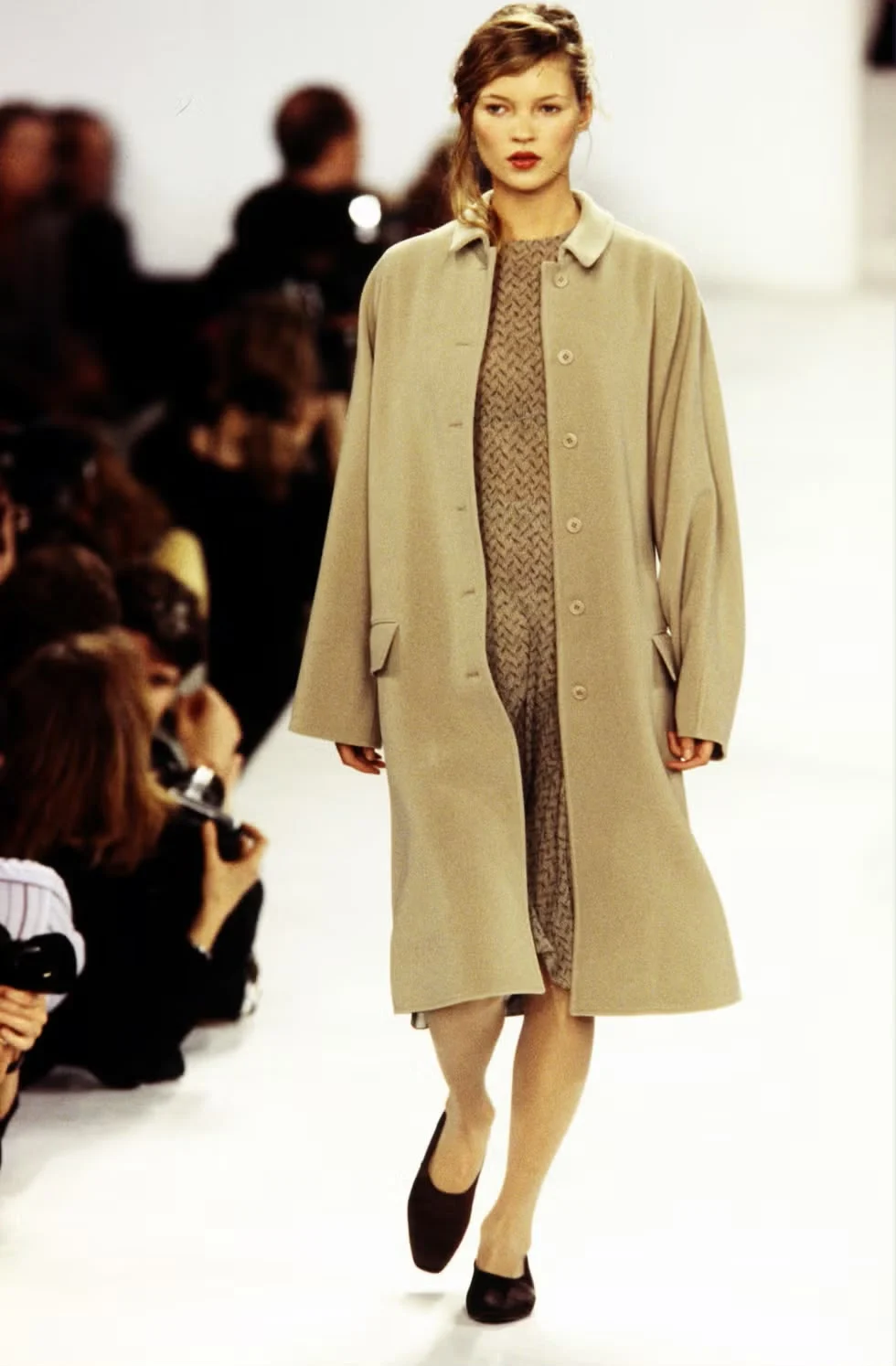
The landscape of American luxury fashion undergoes a significant shift this week as Calvin Klein and designer Veronica Leoni announce the conclusion of their two-year creative partnership. Leoni, who was brought on board to revitalize the brand’s dormant high-end runway line, Calvin Klein Collection, is set to depart as her contract reaches its natural expiration. This transition marks the end of a pivotal chapter for the iconic American house, which had sought to reconcile its massive global commercial footprint with its storied legacy of minimalist sophistication.
The Trajectory of a Creative Visionary
Veronica Leoni’s appointment in 2024 was widely viewed as a strategic maneuver to anchor the brand’s aesthetic identity. Born near Rome in 1985, Leoni arrived at Calvin Klein with a pedigree that blended European technical mastery with a modern sensibility for understated luxury. Her career trajectory is a testament to her technical rigor: beginning as head of knitwear for Jil Sander under the mentorship of Raf Simons, she later played a crucial role at Céline during the height of the Phoebe Philo era—a period that fundamentally redefined modern women’s workwear.
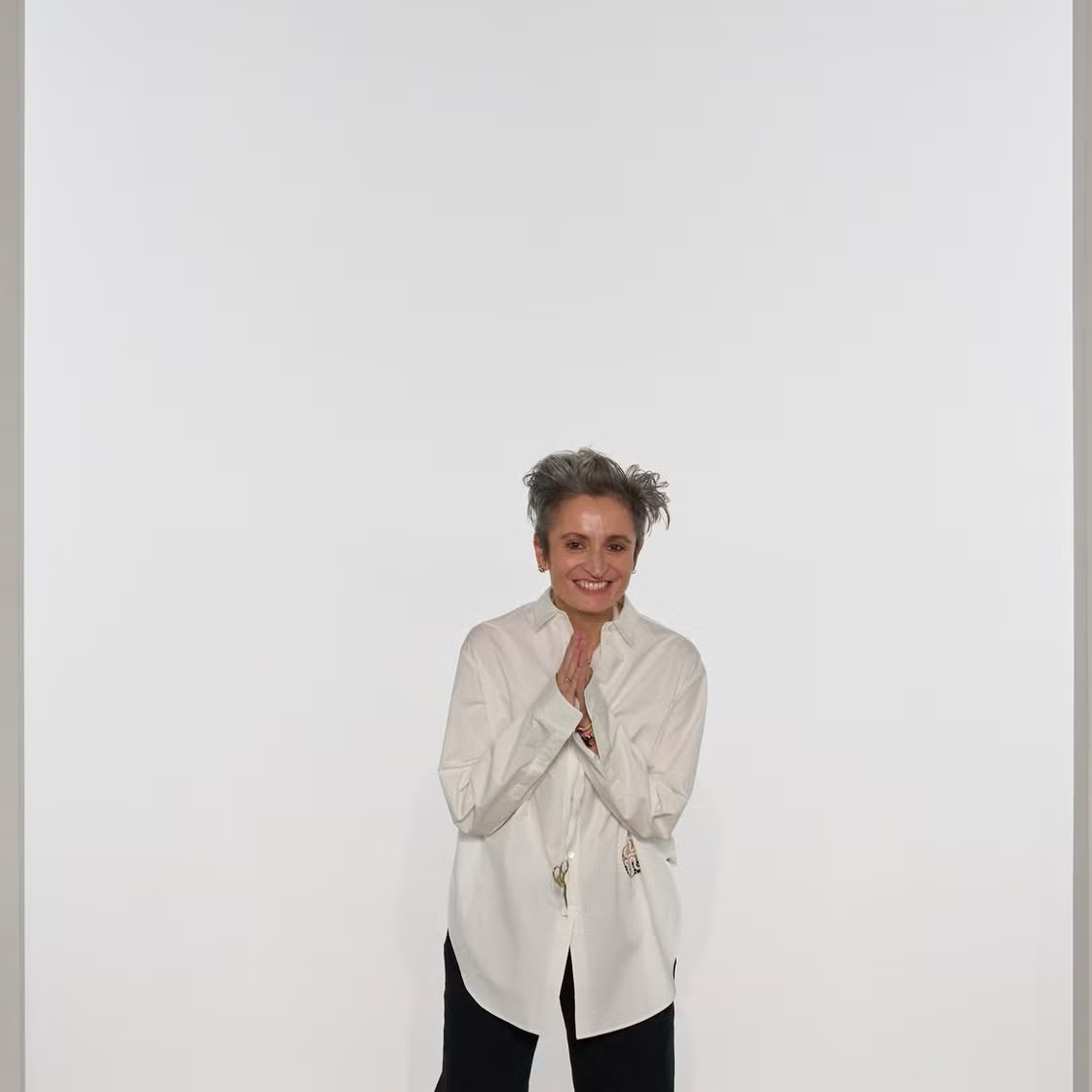
Her journey also included a significant tenure at Moncler, where she sharpened her ability to blend performance with high fashion, and the founding of her own label, Quira. Named in honor of her grandmother, Quirina, the brand earned her a spot as a finalist for the prestigious LVMH Prize in 2023. This breadth of experience allowed Leoni to approach the Calvin Klein archives not with a sense of reverence that hinders innovation, but with an eye for the sculptural and the functional.
A Two-Year Timeline of Transformation
When Leoni joined Calvin Klein, the brand had been absent from the high-fashion runway circuit since 2019. Her mandate was clear: re-establish the "Collection" line as a credible pillar of the fashion industry while ensuring it remained relevant to a contemporary audience.
- 2024: Leoni joins Calvin Klein, shifting focus from her work with The Row and her own label, Quira. The industry welcomes the news as a signal that the label is prioritizing its prestige tier.
- 2025: The first collections debut, characterized by a deliberate departure from the overly complex designs that had previously bogged down the label. Leoni introduced a palette defined by "butter yellow," muted purples, and sharp crimsons, grounded in the brand’s signature minimalist DNA.
- 2026: The evolution continues toward radical simplicity. Leoni begins to strip away decorative elements entirely, moving closer to the essence of the original Calvin Klein vision.
- 2027: The final collections presented under Leoni’s leadership reflect a total commitment to "zero decoration," a move that honors the brand’s 1990s peak while maintaining a modern, architectural silhouette.
Bridging the Gap Between Branding and Heritage
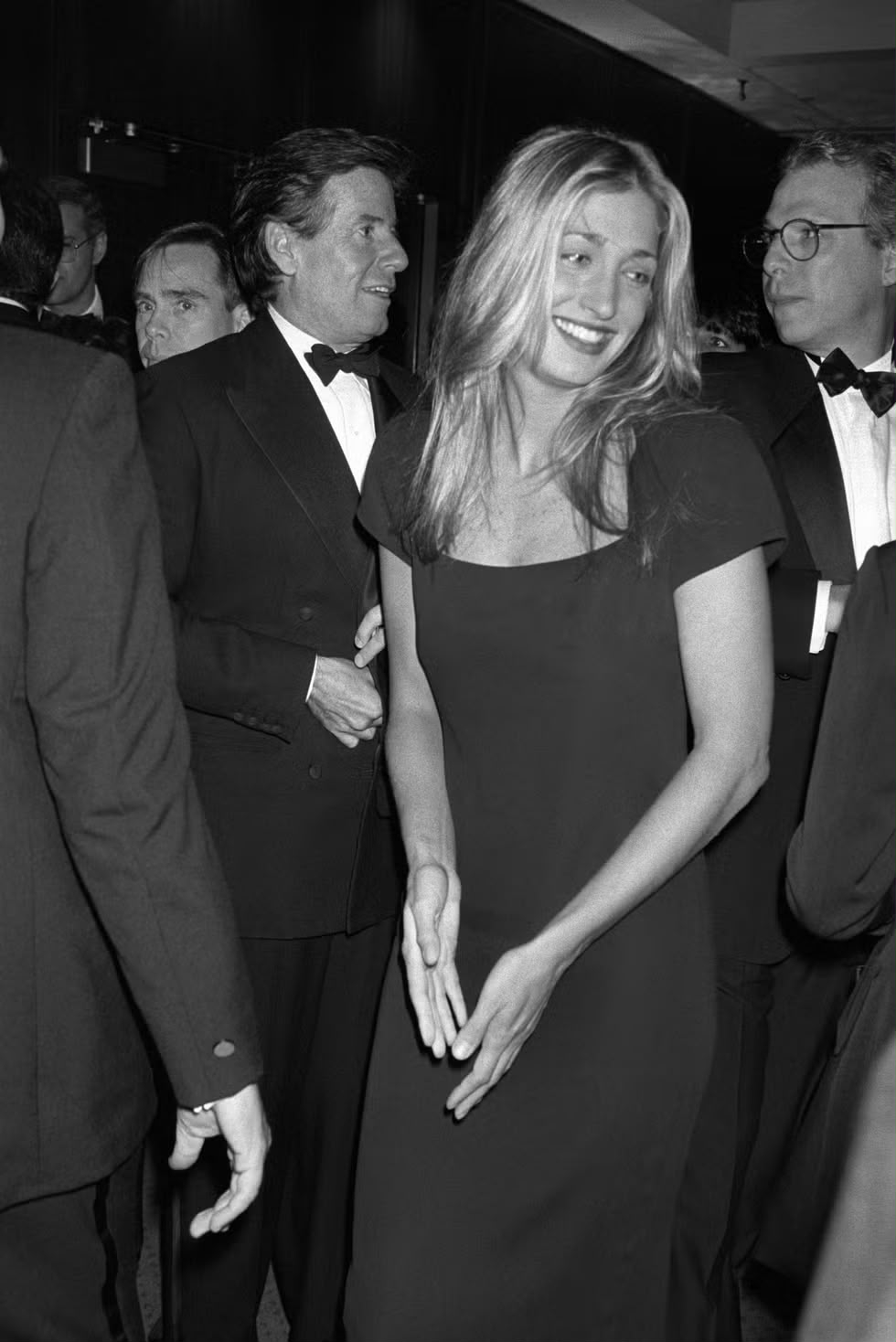
Calvin Klein, founded in 1968, holds a singular place in the history of American design. Throughout the 1990s, the brand was synonymous with the professional woman’s uniform—a concept immortalized by the personal style of figures like Carolyn Bessette-Kennedy. While the brand has thrived commercially through its ubiquity in denim and underwear—bolstered by legendary campaigns featuring Brooke Shields, Kate Moss, and more recently, Jeremy Allen White—the "Collection" line remained the intellectual heart of the company.
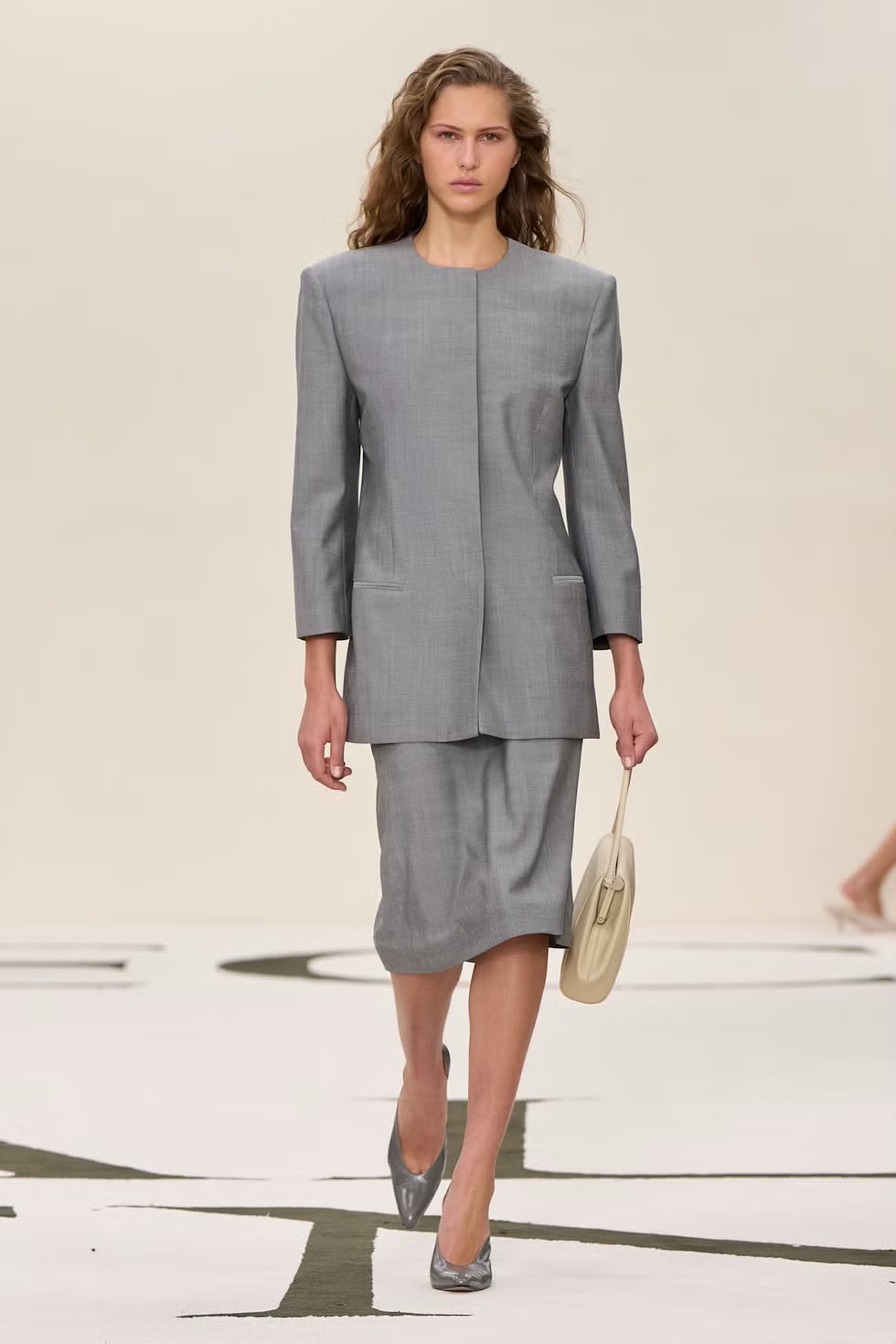
The challenge Leoni faced was substantial: how to reintroduce the "Collection" line in an era where the vintage market is saturated with original 1990s Calvin Klein pieces. Collectors and fashion enthusiasts are currently obsessed with the "old" Calvin Klein, creating a high bar for any new iteration. Leoni’s approach was to avoid mere mimicry of the past. Instead, she utilized drapery and oversized tailoring to translate the brand’s minimalist ethos into a language that feels appropriate for the 2020s.
Official Stance and Future Outlook
While no official friction has been reported regarding the split, industry analysts suggest that the departure is an amicable conclusion to a project that achieved its primary goal: re-establishing the brand’s place on the global fashion calendar. In a formal statement regarding the transition, representatives for the brand indicated that the Collection line will continue, with an announcement concerning a new creative lead expected in the coming months.
The departure of a designer of Leoni’s stature during a period of flux for the luxury market reflects a broader industry trend. Many legacy brands are finding that the "minimalist" aesthetic, once a reliable cornerstone, now requires a more nuanced interpretation to satisfy both the demands of social media-driven hype and the desires of the traditional luxury consumer.
Economic and Cultural Implications
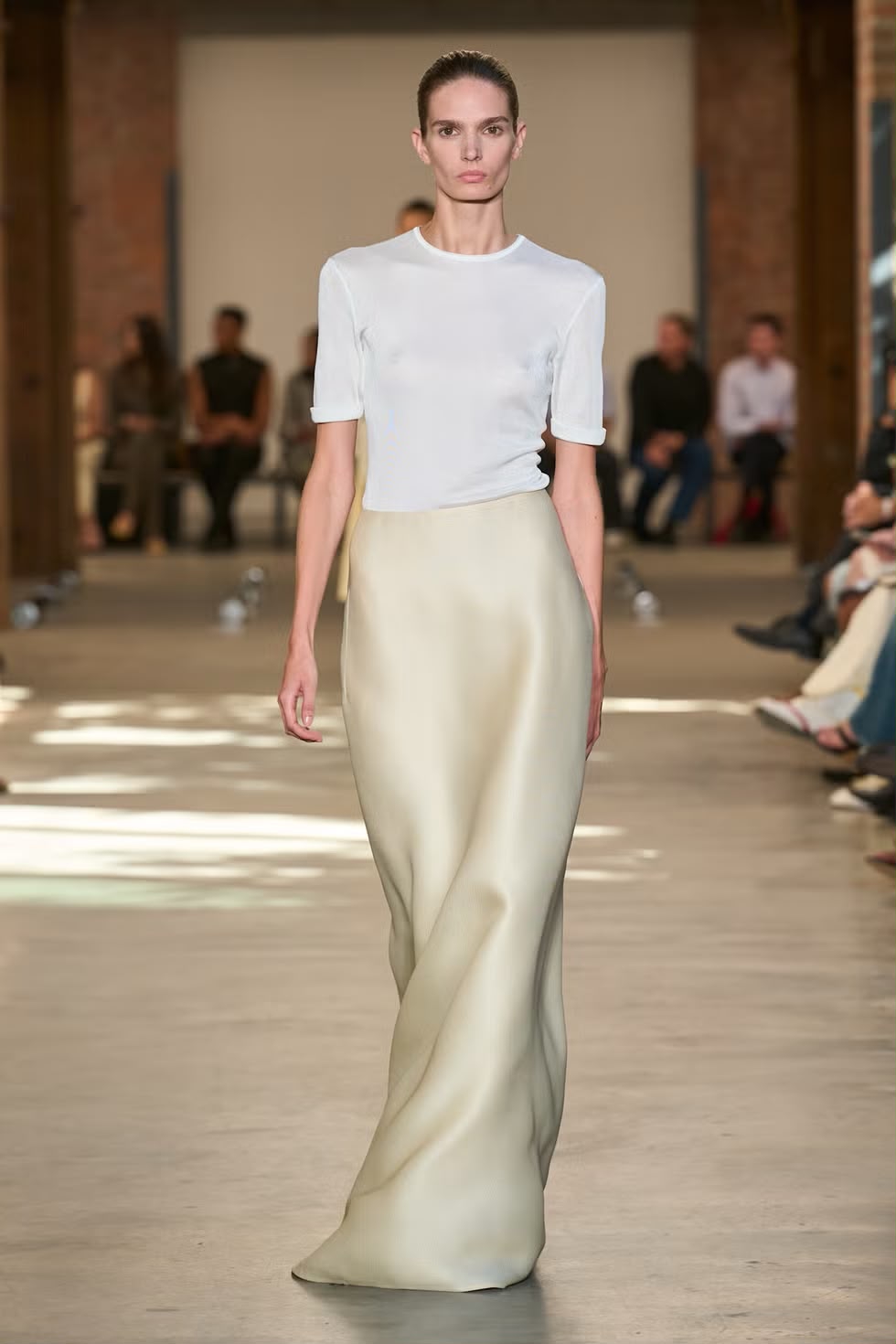
The impact of this decision will be felt across the broader PVH Corp. portfolio. As the parent company, PVH has consistently relied on the high-fashion runway shows to provide a "halo effect" that elevates the brand’s more accessible, mass-market lines. Without the runway, the brand’s narrative risks becoming purely transactional.
However, the "nothing gets between me and my Calvins" DNA remains a powerful marketing engine. The brand’s ability to pivot between the high-street appeal of celebrity-led underwear campaigns and the elevated, artistic requirements of the runway is the central paradox of the house. The next creative director will be tasked with the delicate balance of maintaining this dual identity.
The Future of Minimalist Luxury
As the industry looks toward the next phase for Calvin Klein, the question remains: what does "minimalism" mean in 2027? Leoni’s tenure proved that the market is still hungry for the clean, unadorned lines that made the brand a global household name. Yet, the rapid shift in consumer preferences suggests that simply looking to the archive is no longer enough.
The successor to the role will inherit a brand that has been successfully stabilized. The "Collection" line is no longer in the state of total silence that characterized the 2019–2023 period. Instead, it has a contemporary vocabulary, a clear visual identity, and a renewed sense of purpose. Whether the brand chooses to continue down the path of "total essentialism" defined by Leoni or pivots toward a more eclectic vision will be one of the most closely watched developments in the coming season.
Analyzing the "Leoni Legacy"
Critics and retailers have noted that Leoni’s work was defined by a distinct lack of ego—a rare trait in contemporary creative direction. Her refusal to over-design allowed the garments to speak for themselves, which is perhaps the most authentic tribute one can pay to the brand’s namesake. Her tenure serves as a case study in how to navigate a legacy brand’s rebirth. She did not seek to reinvent the house, but rather to distill its original intent, proving that the most powerful statement in fashion is often the one that removes the unnecessary.
As the industry prepares for the next announcement, the broader fashion community reflects on a two-year period that, while brief, served as a crucial bridge for one of America’s most significant cultural exports. Calvin Klein, now poised for its next iteration, remains a barometer for the health of American luxury—a sector that is currently recalibrating its relationship with heritage and the fast-paced, digital-first consumer of the late 2020s. The vacancy left by Leoni is more than just a job opening; it is an invitation to define the next decade of American minimalist design.