Eko Sulistyo
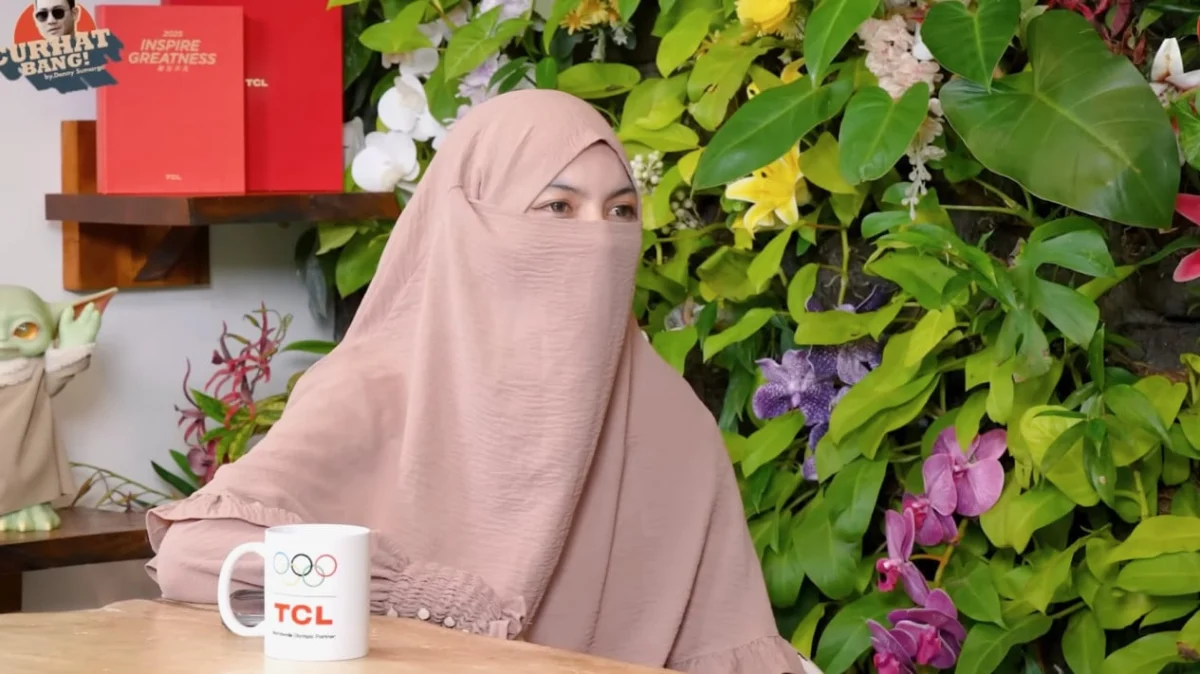
The dissolution of the marriage between content creator Wardatina Mawa and Insanul Fahmi has reached a definitive conclusion, as Mawa publicly asserts her intention to move forward and distance herself from the ongoing controversies involving her ex-husband and public figure Inara Rusli. Following the official divorce decree issued by the Lubuk Pakam Religious Court in July 2026, the situation has remained a focal point of public and media interest, particularly regarding the intersection of personal life, legal battles, and the public scrutiny surrounding the parties involved.
A Decisive Break from the Past
For Wardatina Mawa, the 26-year-old content creator based in Medan, North Sumatra, the focus has shifted entirely toward her independence and the upbringing of her son. In a statement released on Friday, October 23, 2026, Mawa addressed the persistent rumors regarding Insanul Fahmi and Inara Rusli, particularly reports suggesting the pair is preparing to pursue an isbat nikah—a legal process to validate an unregistered marriage under Indonesian law.
Mawa’s response was measured yet firm, signaling a categorical refusal to remain tethered to her former husband’s life choices. "Stay happy in your own versions, because I have moved on," Mawa stated. Her declaration serves as a definitive boundary, effectively closing the chapter on their shared history. By emphasizing her current state of mind and her commitment to her role as a mother, Mawa is attempting to reclaim the narrative from the sensationalism that has characterized the dissolution of her marriage.
Debunking Polygamy Narratives
One of the most persistent rumors surrounding the breakdown of the marriage involved allegations that Mawa had consented to, or at least entertained the possibility of, a polygamous arrangement involving Insanul Fahmi and Inara Rusli. Mawa has vociferously denied these claims, labeling them as logically inconsistent with the trajectory of her divorce proceedings.
"Logic dictates that if I were to accept polygamy, why would I fight so hard for a divorce so that I could focus solely on my child?" she questioned. Her argument rests on the premise that the arduous and often emotionally draining process of navigating a divorce through the religious courts is fundamentally incompatible with the behavior of someone who has accepted or reconciled with a polygamous dynamic. Mawa views her commitment to the legal dissolution of the marriage as the ultimate proof that she sought to exit, rather than accommodate, the situation that led to their separation.

Chronology of the Conflict
The relationship between Wardatina Mawa and Insanul Fahmi has been marked by several significant legal and personal milestones over the past year:
- Mid-2026: The legal friction reaches a breaking point, leading to the filing of divorce papers.
- July 2026: The Pengadilan Agama (Religious Court) of Lubuk Pakam officially grants the divorce decree, terminating the marriage between Mawa and Fahmi.
- Late 2026: Reports emerge regarding potential plans for an isbat nikah by Insanul Fahmi and Inara Rusli, which reignites public interest in the former couple’s affairs.
- October 23, 2026: Wardatina Mawa makes a public statement to the media, reinforcing her move toward personal independence and addressing the rumors regarding her stance on polygamy.
- Ongoing: A separate criminal investigation involving allegations of adultery, which names Insanul Fahmi and Inara Rusli, remains active at the Polda Metro Jaya (Jakarta Metropolitan Police).
Unresolved Financial Obligations and Legal Challenges
Beyond the emotional closure that Mawa is seeking, the practical realities of the divorce remain a point of contention. The dissolution of a marriage in Indonesia often involves the settlement of nafkah (maintenance/alimony), iddah (waiting period support), and mutah (consolation gift). Reports indicate that Mawa has raised concerns regarding the failure of Insanul Fahmi to fulfill these court-ordered financial obligations.
When confronted with these allegations, Fahmi’s public stance has been perceived as dismissive, with remarks questioning the feasibility of payment given his current financial situation. This impasse highlights the broader difficulties often faced by women in post-divorce scenarios, where the legal mandate for support does not always translate into immediate financial security. The lingering dispute over these payments adds a layer of complexity to the narrative, as it underscores the disparity between the legal conclusion of a marriage and the actual enforcement of the rights granted by the court.
The Broader Context of the Adultery Investigation
The situation is further complicated by the criminal case pending at the Polda Metro Jaya. The investigation into alleged adultery, or perzinaan, involving Fahmi and Rusli is a significant legal hurdle that continues to cast a shadow over all parties involved. Under Indonesian law, adultery can be a prosecutable offense if reported by a spouse or former spouse, and the progression of this case indicates that the legal ramifications of this union are far from over.
This investigation has transformed a private marital breakdown into a matter of public legal record, forcing all parties to maintain a presence in the media. For Mawa, the challenge lies in detaching her personal recovery from the gears of a legal system that is still processing the alleged transgressions of her ex-husband.
Analysis: The Impact on Public Perception and Personal Recovery
From a sociological perspective, the public reaction to the Mawa-Fahmi-Rusli dynamic highlights the complexities of modern relationship dissolution in Indonesia. The rise of social media has turned private marital crises into content, where the "truth" is often contested through public statements, Instagram stories, and interviews.

Mawa’s insistence on "moving on" is a strategic move to regain agency. By framing her narrative around her child and her personal growth, she is attempting to move away from the "victim" label that often accompanies high-profile divorces involving infidelity. However, the external pressures—ranging from the pending criminal investigation to the public discourse surrounding her ex-husband’s potential new marriage—make this transition difficult.
The case also brings into focus the challenges of enforcing religious court decisions. While the Lubuk Pakam court has ruled, the gap between a judicial decree and the actual transfer of funds (nafkah, iddah, mutah) remains a systemic issue that frequently leaves women in precarious economic positions. Mawa’s decision to speak out about these unmet obligations serves as a form of accountability, utilizing the media to pressure her ex-husband to comply with his legal duties.
Looking Ahead
As of late October 2026, the path forward for Wardatina Mawa appears to be centered on stability. Her firm stance against the distractions of the past suggests a desire for a life less focused on the public gaze. Whether the ongoing investigations will lead to further legal actions remains to be seen, but Mawa’s trajectory indicates that she has successfully transitioned into a phase of life where her priority is her own autonomy.
The legal saga involving the trio serves as a reminder of the often protracted nature of divorce in Indonesia, particularly when intertwined with criminal allegations. For the public, the case remains a subject of intense fascination, but for Mawa, it is a chapter she is actively working to close. Her emphasis on the "best decision" she made for herself and her son serves as the cornerstone of her current outlook—a testament to the resilience required to navigate the breakdown of a marriage under the harsh glare of public scrutiny.
As the legal proceedings at the Polda Metro Jaya continue to unfold, the public will likely keep a close watch on how these unresolved issues eventually settle. However, Mawa’s message is clear: her focus has moved beyond the actions of her ex-husband, and she is firmly committed to charting a new path, defined by her own choices rather than the complications of her past.