Bambang Pamungkas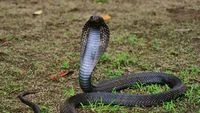
The presence of snakes in residential areas has long been a source of anxiety for homeowners, particularly in tropical regions where biodiversity thrives close to human settlements. Recent findings from environmental and wildlife management experts highlight a frequently overlooked factor contributing to snake incursions into residential zones: specific landscaping choices. While homeowners often plant greenery to enhance aesthetic appeal, improve air quality, and create a cooler microclimate around their properties, certain types of vegetation inadvertently transform suburban yards into ideal habitats for serpents. Snakes do not typically enter human environments out of malice; rather, they are driven by basic survival instincts, seeking shelter, moisture, and a reliable food supply. When residential yards provide these essential elements, they effectively become hospitable ecosystems for both non-venomous and venomous reptiles. Understanding the correlation between garden design and wildlife attraction is crucial for mitigating human-wildlife conflicts, reducing property-related risks, and ensuring residential safety without sacrificing environmental aesthetics.
Environmental Factors Driving Snake Incursions into Residential Zones
Urbanization and real estate expansion frequently encroach upon natural wildlife habitats, forcing species such as rodents, amphibians, and reptiles to adapt to human-modified landscapes. Residential environments often present a paradox: while they remove natural shelters, they simultaneously offer abundant artificial resources. Houses, garages, and landscaped gardens provide structural hiding spots, while poor waste management or overgrown vegetation attracts rodents, frogs, and insects—the primary dietary staples of most predatory snakes.
Beyond food availability, environmental conditions play a decisive role. Snakes are ectothermic, meaning they rely on external environmental sources to regulate their body temperature. They require shaded areas to escape excessive heat and damp zones to prevent dehydration. Consequently, overgrown lawns, dense thickets, and improperly maintained gardens create microclimates characterized by high humidity and moderate temperatures. These conditions make residential yards exceptionally attractive as resting sites, hunting grounds, and even breeding areas. Environmental health agencies and urban wildlife control services consistently report a spike in snake sightings during specific seasonal transitions, particularly at the onset of the rainy season when rising water levels flood natural underground burrows, driving reptiles toward higher, drier human habitations.
The Chronology and Rising Trend of Residential Snake Encounters
Over the past decade, municipal animal rescue services and urban firefighting units across densely populated regions in Southeast Asia and other tropical zones have documented a steady upward trend in emergency calls regarding snakes in residential properties. The chronology of these incidents typically follows distinct environmental patterns. During the dry season, snakes frequently venture closer to human settlements in search of water sources, such as garden ponds, leaking pipes, or damp soil beneath dense foliage. Conversely, during the heavy monsoon season, subterranean habitats become waterlogged, prompting reptiles to seek refuge above ground in elevated structures, woodpiles, and overgrown garden beds.
A typical timeline of a residential snake encounter often begins weeks prior to the actual sighting, marked by gradual ecological changes in the yard. Unkempt grass, accumulating garden debris, and flourishing thick-stemmed plants provide stealthy pathways for predators. By the time a homeowner notices a snake coiled beneath a shrub or resting near a patio, the animal may have already established a temporary territory supported by a local population of mice or frogs. Emergency response data indicates that the highest volume of snake-removal requests occurs during periods of intense weather fluctuations, underscoring the direct link between meteorological events, micro-habitat conditions, and wildlife displacement.
Detailed Analysis of Four Vulnerable Yard Plants That Attract Snakes
Horticultural experts and pest management specialists have identified specific flora characteristics that significantly increase the probability of snake habitation. Plants that grow densely at the soil level, retain high soil moisture, or attract secondary prey species are among the primary culprits. Homeowners aiming to maintain a secure perimeter are strongly advised to reassess the placement and maintenance of four specific types of vegetation commonly found in residential gardens.
1. Lemongrass (Serai)
Lemongrass is widely cultivated in tropical households for its culinary benefits and natural mosquito-repelling properties. However, its dense root clumps and clustered, overlapping stalks create an intricate network of narrow surface crevices. These tightly packed stems provide an exceptionally secure and shaded resting environment where snakes can coil undetected while regulating their body temperature. Furthermore, the lush micro-environment around lemongrass frequently attracts various insects and small rodents seeking moisture and shelter. Because these small creatures form the primary diet of many snake species, the presence of a flourishing lemongrass bush effectively functions as a dual attraction: a safe haven for the predator and a feeding ground teeming with prey.
2. Shrubs and Living Fences (Perdu)
Perennial shrubs and dense bushes are frequently utilized by landscape designers to establish natural boundaries, privacy fences, and decorative garden borders. Unfortunately, these woody plants often possess low-hanging foliage that touches the ground, forming a dark, secluded canopy. This impenetrable cover shields snakes from avian predators and harsh sunlight, making it an ideal daytime sanctuary. Living fences that lack proper bottom clearance allow reptiles to move stealthily along property lines undetected by residents or domestic pets. Without regular pruning to elevate the canopy and expose the base of the plant, these shrubbery lines become prime transit corridors and hiding zones for opportunistic hunters.
3. Bamboo Rumpun
Bamboo is celebrated for its rapid growth, structural versatility, and aesthetic appeal in oriental-style landscaping. Nevertheless, mature bamboo creates dense, expansive root clumps and towering canopies that generate heavy shade. The continuous shedding of bamboo leaves forms a thick, organic carpet over the soil. This layer acts as a natural mulch that traps ground moisture and maintains a cool, stable microclimate even during peak daytime heat. For snakes, this damp and thermally stable environment is physiologically ideal. The accumulated leaf litter also creates an extensive network of microscopic tunnels utilized by insects and rodents, further increasing the likelihood of predatory reptiles taking up permanent residence within the bamboo cluster.
4. Ground Cover Vegetation (Tanaman Penutup Tanah)
Low-lying ground cover plants, such as various ornamental grasses, creeping vines, and leafy agricultural species occasionally integrated into home gardens, create a continuous, low-level carpet of vegetation. While these plants effectively suppress weeds and prevent soil erosion, they leave virtually no open space between the foliage and the earth. This continuous green cover allows ground-dwelling snakes to traverse an entire yard completely concealed from view. The thick root systems and dense foliage also trap surface humidity, providing a moist refuge that protects reptiles from desiccation. Because ground cover blankets large surface areas uniformly, detecting a resting or moving snake within these sections becomes exceptionally difficult for human observers.
Expert Recommendations and Safe Landscaping Alternatives
Urban ecologists emphasize that identifying these vulnerable plant categories does not imply that residential yards must be entirely stripped of greenery or converted into barren concrete landscapes. Rather, effective snake prevention relies on strategic garden management, proper plant selection, and proactive environmental hygiene.
First, homeowners are advised to implement rigorous maintenance protocols. This includes regularly trimming the lower branches of shrubs, clearing accumulated leaf litter, elevating woodpiles, and maintaining a clear perimeter—often referred to as a "defensible space"—between natural vegetation and the structural foundation of the house. Keeping lawns neatly mowed removes the tactile cover that small predators rely on for safe movement.
Second, property owners can deliberately cultivate plants that possess natural defensive or repellent qualities against reptiles. Botanical studies and traditional observations indicate that certain aromatic herbs and structurally distinct plants are actively avoided by snakes due to their strong volatile oils or physical deterrent properties. Recommended alternatives include:
- Lavender: Possesses a potent, soothing aroma for humans that is overwhelmingly intense and offensive to the sensitive olfactory receptors of snakes.
- Peppermint: Contains high concentrations of menthol, releasing a sharp scent that disrupts a snake’s ability to track scents and navigate comfortably.
- Rosemary: A woody perennial herb with a strong, pungent fragrance that acts as a natural deterrent while remaining highly functional for culinary use.
- Cacti and Succulents: Features rigid, defensive structures and thrives in dry, well-drained soil, eliminating the damp micro-climates that attract reptiles.
- Dhatura (Kecubung): Known for its distinct chemical profile and strong natural odor, though it requires careful handling due to its overall toxicity to humans and pets.
Broader Implications for Suburban Safety and Public Health
The intersection of residential landscaping and wildlife management carries significant implications for public health, suburban safety, and community welfare. As residential zones expand into peripheral rural and semi-forested areas, human-wildlife encounters are statistically projected to rise. Mismanaged home gardens that inadvertently harbor venomous species—such as cobras, pit vipers, or kraits—pose direct physical hazards to families, children, and domestic animals.
Beyond the immediate physical danger of snakebites, the psychological impact of recurring wildlife invasions can severely diminish the quality of life within affected neighborhoods. Communities that adopt proactive, knowledge-based landscape management can drastically reduce these risks. Local governments and environmental agencies are increasingly called upon to disseminate educational campaigns regarding ecological landscaping, safe property clearance, and appropriate wildlife handling protocols. By fostering an informed citizenry capable of implementing preventive architectural and horticultural measures, communities can successfully harmonize residential living with local biodiversity, ensuring safer, more secure living environments for all residents.