Chalifah Fatihah
Jakarta, CNN Indonesia — Amidst the vast and ever-expanding universe of modern café culture, where menus boast dozens of intricate concoctions ranging from nitrogen-infused cold brews to single-origin pourovers, human behavior remains remarkably steadfast. When confronted with a sprawling menu, the average coffee consumer typically gravitates toward one familiar, reliable variant, ordering it with unwavering consistency day in and day out. While this habitual choice is often chalked up to simple taste preference or a morning routine, psychological researchers and behavioral scientists have increasingly turned their attention to these daily rituals. Behind the simple act of ordering a favorite morning brew lies a surprising window into the intricate architecture of human personality, revealing subconscious traits, emotional needs, and behavioral tendencies that define how individuals navigate both the workplace and their personal lives.
The intersection between dietary habits and personality psychology is not a novel concept in behavioral science. For decades, researchers across various institutions have studied how sensory preferences mirror neurological wiring and psychological profiles. Coffee, being one of the most widely consumed psychoactive beverages globally, serves as a fascinating case study. The way an individual alters, enhances, or strips down their coffee—whether opting for a bitter, unadulterated shot of espresso or a sweet, heavily customized, decaffeinated plant-milk latte—communicates volumes about their internal motivations, risk tolerance, and social adaptability.
To understand the deeper narrative behind these morning rituals, it is essential to examine the spectrum of coffee variants commonly found in contemporary coffee shops and the psychological archetypes traditionally associated with their dedicated consumers.
The Uncompromising Purist: Espresso and Black Coffee Drinkers
For those who order an espresso, Americano, manual brew, or traditional local coffee without any additives, the psychological profile points heavily toward decisiveness and psychological fortitude. Espresso drinkers are frequently identified as individuals endowed with a strong sense of adventure, coupled with an unyielding mental resilience. They possess a clear vision of their objectives and understand precisely what they want out of professional and personal endeavors.
In social and professional environments, these consumers are typically characterized by their direct communication style. They favor efficiency, cutting straight to the point without indulging in excessive pleasantries or social padding. This unapologetic directness stems from a high tolerance for intensity and a preference for authenticity over superficiality. They do not feel the need to mask the inherent bitterness of life—or their coffee—with synthetic sweetness or heavy dairy fats. Behavioral analysts note that this demographic often thrives in leadership roles, crisis management, and high-pressure industries where quick, definitive decision-making is paramount.
Calculated Risk-Takers: The Cappuccino Enthusiast
Stepping slightly away from the uncompromising intensity of black coffee, the cappuccino lover represents a fascinating middle ground in behavioral typology. While they share a foundational appreciation for the robust, unmasked flavor of espresso, the inclusion of textured milk and foam introduces a balanced harmony of strength and smoothness.
Individuals who consistently order cappuccinos are categorized as possessing a moderate sense of adventure. Unlike the absolute purists who reject any dilution of their coffee, cappuccino enthusiasts demonstrate a willingness to step outside their comfort zones, albeit in a calculated manner. They harbor a healthy curiosity about the world and are generally open to diving into uncertain situations, exploring novel concepts, or acquiring new skill sets. They are pragmatic explorers—individuals who appreciate a thrill but maintain a safety net, balancing ambition with practicality.
The Comfort-Seekers: Navigating Life Through the Latte
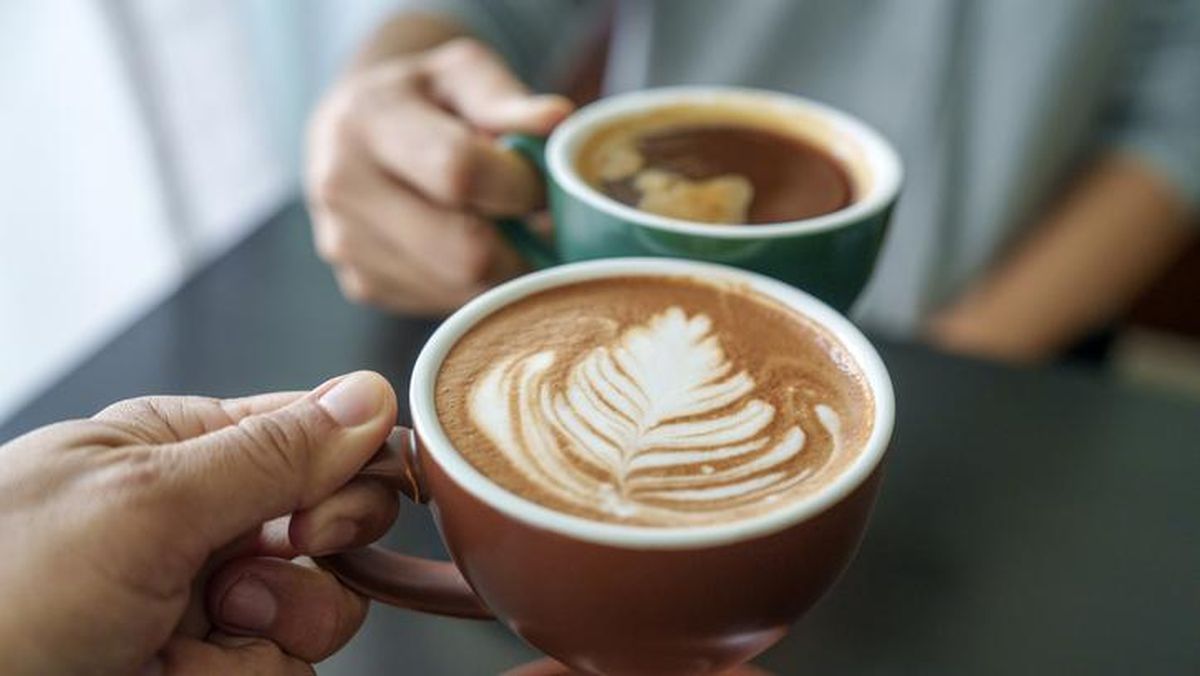
In stark contrast to the high-intensity profiles of espresso drinkers, the consumer base for the traditional café latte tends to lean toward simplicity, predictability, and psychological comfort. A latte features a significantly higher milk-to-coffee ratio, resulting in a milder, smoother, and sweeter flavor profile that softens the aggressive edge of caffeine.
Psychological profiles associated with regular latte drinkers suggest individuals who actively seek simplicity and clarity, steering clear of unnecessary complications or erratic variables in their daily routines. Their appetite for adventure is relatively low, as they harbor a natural aversion to unnecessary risks and high-stakes gambling with their security. Latte drinkers are often described as easygoing individuals who prefer to flow with the current rather than swim aggressively against the tide. While some critics might mistakenly label this steady, predictable demeanor as mundane, in organizational settings, these individuals are frequently the stabilizing anchors who maintain consistency, reliability, and harmony within teams.
The Social Catalysts: Mocha and the Art of Expression
When coffee meets chocolate, the resulting beverage—the mocha—transforms into a rich, multi-layered sensory experience. Combining the stimulating properties of espresso with the comforting sweetness of milk and cocoa, mocha drinkers project a vibrant, highly engaging psychological profile.
Individuals who gravitate toward mochas are predominantly classified as extroverts. They possess an innate flair for socialization, finding energy in crowd dynamics and unstructured interpersonal interactions. Unlike the private and task-oriented espresso drinker, mocha enthusiasts are entirely comfortable articulating their emotions, sharing their internal states, and taking center stage in social settings. They are frequently described as unique, charismatic, and spirited individuals who act as the metaphorical soul of any gathering. Their choice of beverage reflects a personality that embraces richness, color, and emotional expression without reservation.
Spontaneous Impulsivity: The Rise of the Modern Ice Coffee
In recent years, the consumption of cold coffee beverages—ranging from classic iced lattes to elaborate concoctions laden with flavored syrups, brown sugar, and heavy dairy—has skyrocketed, particularly among younger demographics and in tropical urban centers. The psychological implications of choosing an iced, heavily modified coffee drink during warm weather or stressful periods point toward high levels of imagination, spontaneity, and, at times, impulsive risk-taking.
Consumers of specialized iced coffees are often characterized by their creative thinking and out-of-the-box problem-solving abilities. However, this imaginative streak can occasionally manifest as behavioral impulsivity. Behavioral observations suggest that iced coffee lovers are more prone to making rapid decisions based on intuition and immediate emotional resonance rather than exhaustive, long-term deliberation. They live dynamically in the present moment, embracing spontaneity and novelty even when the long-term outcomes remain uncertain.
The Perfectionists: Decaf and Hyper-Customized Orders
Perhaps the most revealing psychological profile belongs not to those who choose a specific bean or brewing method, but to those who place highly specific, customized orders. Whether requesting a decaffeinated shot, plant-based milk alternatives, specific temperature controls, or the complete absence of foam, consumers who issue detailed modifications operate under a distinct psychological framework.
Extensive consumer research and behavioral studies indicate that individuals who require customized coffee orders generally exhibit a strong psychological need for control and a tendency toward perfectionism. These individuals operate with exceptionally high standards—not only regarding the precise formulation of their morning beverage but across all facets of their professional and personal lives. They meticulously curate their environments to minimize chaos and error. While this trait ensures high levels of precision, quality control, and attention to detail, it can also translate into inflexibility when unexpected disruptions occur in their daily routines.
Broader Implications: The Intersection of Consumer Behavior and Lifestyle
The alignment between coffee preferences and psychological profiling transcends mere parlor games or social media trivia; it taps into a broader, serious domain of consumer behavior analysis. In the modern marketplace, understanding the psychological underpinnings of purchasing decisions allows businesses, hospitality brands, and corporate strategists to better cater to distinct consumer segments.
Furthermore, workplace psychologists suggest that recognizing these behavioral patterns can significantly enhance team synergy. Acknowledging that the unyielding espresso drinker, the predictable latte lover, the spontaneous iced coffee fan, and the detail-oriented custom-order perfectionist all view the world through vastly different lenses fosters greater empathy and communication in collaborative environments. As coffee culture continues to evolve alongside shifting global lifestyles, the humble cup of morning brew remains a profound, albeit subtle, mirror reflecting the complex human psyche.