Azin Asro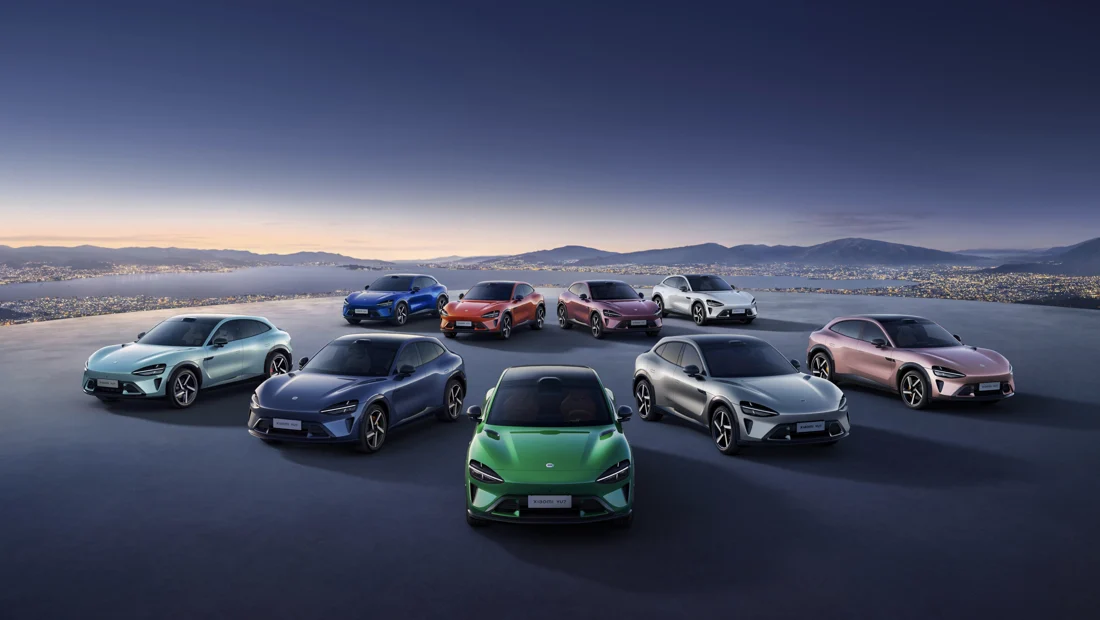
The landscape of the Indonesian electric vehicle market is poised for a significant transformation following official confirmations that technology giant Xiaomi is actively preparing to introduce its automotive portfolio to Southeast Asia’s largest economy. While a definitive launch date has not yet been locked in by corporate leadership, the strategic intent to bring Xiaomi’s cutting-edge electric cars to the Indonesian consumer base is, according to senior executives, an absolute certainty.
This impending entry reflects a broader, highly ambitious international rollout strategy by the Beijing-headquartered electronics titan. Having successfully disrupted the fiercely competitive domestic automotive sector in China, Xiaomi is now systematically setting its sights on overseas markets. For Indonesian automotive enthusiasts and tech-savvy consumers alike, the arrival of Xiaomi’s smart EVs promises to introduce a compelling blend of high-performance engineering, advanced cabin technology, and competitive pricing that could fundamentally alter local market dynamics.
Strategic Commitment to the Indonesian Market
The confirmation of Xiaomi’s future Indonesian debut was articulated by Michael Feng, Country Director of Xiaomi Indonesia, during a recent media briefing in Jakarta. Addressing industry analysts and journalists, Feng emphasized that while timing remains a critical variable requiring careful calibration, the ultimate introduction of the brand’s electric vehicles to the archipelago is guaranteed.
"For this question, 100 percent we will bring the car [EV] products to this market," Feng stated during the conference. "However, right now, if I may be honest, we still have to wait for the right moment."
Feng further underscored the strategic importance of the Indonesian market within Xiaomi’s global framework. Despite the immediate rollout prioritizing other regions, Indonesia is regarded as a cornerstone for the company’s international ambitions. The deliberate approach stems from the complex logistical, regulatory, and infrastructure requirements associated with launching a completely new automotive brand in an emerging market, particularly one scaling up its own domestic EV ecosystem.
The Global Roadmap and Regional Rollout Chronology
To understand when Indonesian consumers might realistically expect to see Xiaomi showrooms featuring electric cars, industry observers must examine the brand’s broader global timeline. Xiaomi’s international expansion plan for its automotive division is structured in phased waves, designed to test operational readiness, service networks, and regulatory compliance in mature markets before expanding further.
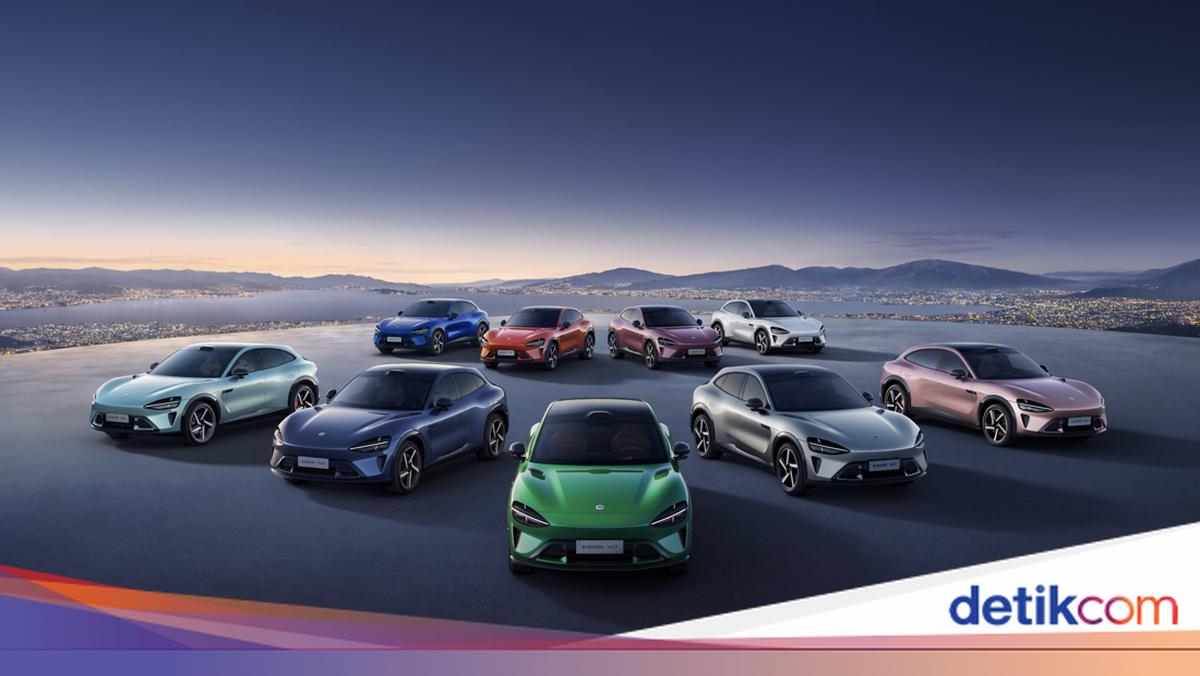
According to current corporate projections, Xiaomi’s initial wave of Western market penetration will focus heavily on Europe. The company has slated Germany as one of its primary European launchpads, with market entry officially targeted for the third quarter of 2027. This European debut serves as a critical stress test for Xiaomi’s vehicle homologation processes, left-hand-drive adaptations, and localized software ecosystems outside of China.
Once the European foothold is established, Xiaomi is expected to pivot toward other strategic international territories, including key Southeast Asian nations. Indonesia, with its rapidly expanding government incentives for electric vehicles, growing charging infrastructure, and enthusiastic adoption of smart technologies, stands near the top of that secondary expansion tier. While local automotive analysts project that an Indonesian introduction may materialize in the late 2020s, Xiaomi leadership maintains that the wait will be worth it, assuring stakeholders that the transition is firmly on the corporate horizon.
A Closer Look at the Contenders: Xiaomi’s Flagship EV Lineup
Although Xiaomi has not yet formally designated which specific models will cross the Indonesian border, the company’s current and expanding global lineup offers a clear indication of the primary candidates. Built upon advanced proprietary architectures, these vehicles have already proven their commercial viability and technological prowess in China.
Xiaomi SU7: The Global Halo Sedan
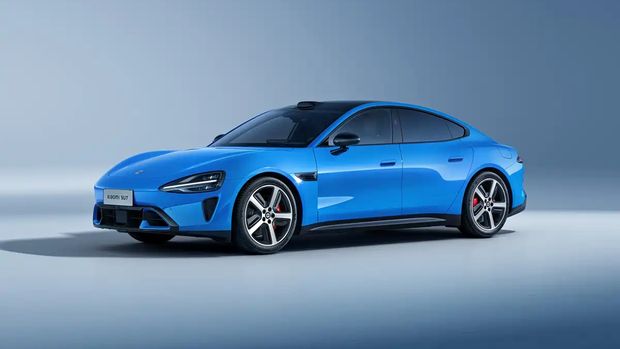
At the forefront of Xiaomi’s automotive identity is the Xiaomi SU7, a sleek, high-performance electric sedan that was initially unveiled to the public in late 2023. Designed to compete directly with established luxury and performance EVs, the SU7 quickly established itself as a hero model for the brand, capturing significant market share and critical acclaim.
To maintain its competitive edge, Xiaomi introduced a comprehensive refresh of the SU7 in March 2026, updating its aesthetic appeal, integrating next-generation autonomous driving sensors, and optimizing power efficiency. The vehicle’s standout engineering feature is its remarkable battery efficiency and aerodynamic design, which allows certain variants to achieve an impressive driving range exceeding 900 kilometers on a single charge.
Despite offering luxury-tier aesthetics, cutting-edge infotainment ecosystems, and blistering acceleration, the SU7 maintains an aggressive pricing strategy in its domestic market. In China, the sedan typically retails between the equivalent of Rp 530 million and Rp 740 million, positioning it as a disruptive force that undercuts traditional European luxury competitors while offering superior onboard computing power. Because of its status as the definitive flagship that established Xiaomi as a credible carmaker, automotive experts view the SU7 as the most probable pioneer for the Indonesian market.
Xiaomi YU7: Tapping into SUV Demand
Recognizing the immense global consumer preference for high-riding utility vehicles, Xiaomi expanded its portfolio beyond sedans with the introduction of the Xiaomi YU7, a dedicated electric SUV. The vehicle made an immediate splash in China, famously recording an astonishing 300,000 unit sales orders within just the first hour of its commercial release.
The YU7 shares its foundational architecture—known as the Modena Platform—with its sedan sibling, the SU7. This modular approach allows Xiaomi to streamline production costs, share core software architecture, and maintain high standards of structural rigidity and safety. The SUV is specifically engineered to cater to families and lifestyle-oriented drivers who demand interior spaciousness, cargo versatility, and high ground clearance without compromising on electric performance.
In the Chinese market, pricing for the YU7 starts at approximately Rp 670 million. Given Indonesia’s well-documented affinity for multi-purpose vehicles (MPVs) and sport utility vehicles (SUVs), introducing the YU7 alongside or shortly after a sedan offering would provide Xiaomi with a highly balanced portfolio capable of capturing a much broader demographic of Indonesian buyers.
Xiaomi SU7 Ultra: The Track-Ready Performance Beast
For automotive enthusiasts seeking absolute mechanical and electrical extremism, Xiaomi developed the SU7 Ultra. This variant represents the ultimate expression of the Modena Platform, featuring an aggressively sculpted aerodynamic body kit, carbon fiber components, and a track-focused suspension setup that visually and functionally separates it from the standard SU7 model.
The performance figures associated with the SU7 Ultra are nothing short of supercar-tier. The vehicle is engineered to rocket from zero to 100 kilometers per hour in a staggering 1.9 seconds, challenging established hypercars on both the drag strip and the circuit. Furthermore, its top speed is certified at an astonishing 350 kilometers per hour, supported by a specialized thermal management and battery discharge system designed to maintain performance under intense track conditions while still delivering a respectable 630-kilometer driving range.
Positioned as a halo showcase of Xiaomi’s engineering ceiling, the SU7 Ultra commands a significantly higher price tag, retailing in China starting at 529,900 yuan, which converts to roughly Rp 1.4 billion. While a niche product unlikely to drive high-volume sales in emerging markets, bringing a halo model like the SU7 Ultra to international auto shows—and potentially select markets like Indonesia—serves as an invaluable brand-building exercise to demonstrate the company’s serious technical capabilities.
Implications for the Indonesian Automotive Landscape
The eventual market entry of Xiaomi’s electric vehicles carries profound implications for Indonesia’s evolving automotive sector. For decades, the domestic market has been dominated by legacy Japanese internal combustion engine manufacturers. However, the Indonesian government’s aggressive push toward electrification, highlighted by tax incentives, luxury tax exemptions for locally assembled EVs, and the development of domestic nickel processing for battery production, has opened the door for disruptive new entrants.
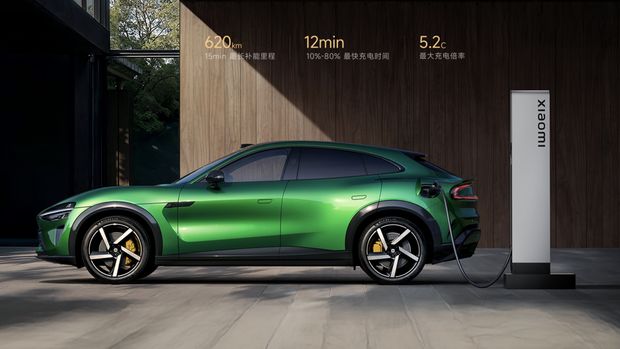
Xiaomi’s entry would intensify the ongoing convergence between consumer electronics and the automotive industry. Modern vehicle buyers, particularly younger urban demographics, increasingly prioritize in-car connectivity, seamless smartphone integration, over-the-air software updates, and advanced driver-assistance systems (ADAS) over traditional mechanical metrics alone. As an established titan in consumer electronics and Internet of Things (IoT) ecosystems, Xiaomi is uniquely positioned to offer an integrated digital experience where the car functions as an extension of the user’s personal smart ecosystem.
Furthermore, the potential arrival of competitively priced models like the SU7 and YU7 could trigger localized price competition, compelling both legacy brands and existing Chinese EV manufacturers currently operating in Indonesia—such as Wuling, Chery, and BYD—to refine their value propositions, enhance vehicle technology, and accelerate service network expansions.
Challenges and Regulatory Hurdles Ahead
Despite the optimism surrounding Xiaomi’s long-term plans, the path to Indonesian showrooms is not without obstacles. Establishing an automotive brand requires immense capital expenditure, particularly regarding after-sales service infrastructure, spare parts warehousing, specialized technician training, and high-voltage charging support networks. Indonesian consumers remain cautious regarding the resale value, long-term battery degradation, and maintenance support of emerging automotive brands.
Additionally, Xiaomi will need to navigate Indonesia’s evolving regulatory framework concerning Completely Built-Up (CBU) versus Completely Knocked-Down (CKD) vehicle imports. To fully capitalize on government tax incentives and achieve competitive retail pricing, major EV players in Indonesia are eventually expected to establish local assembly partnerships or invest in dedicated manufacturing facilities. Whether Xiaomi will eventually pursue local contract manufacturing or utilize regional free-trade agreements remains an open question for industry analysts to monitor as the brand finalizes its regional strategy.
Conclusion
Xiaomi’s planned entry into the Indonesian electric vehicle market represents much more than a mere geographic expansion; it signifies the accelerating convergence of mobility and consumer technology on a global scale. While executive leadership maintains a measured approach, prioritizing initial European rollouts before turning full attention to Southeast Asia, the commitment to bringing these smart electric cars to Indonesian consumers is unequivocal. As the company refines its global roadmap toward the late 2020s, the Indonesian automotive sector stands on the cusp of welcoming a formidable new competitor capable of redefining what drivers expect from modern, connected transportation.