Azin Asro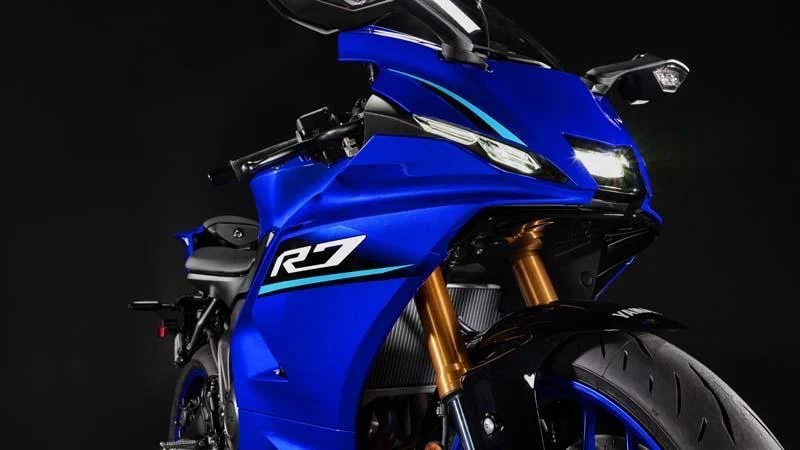
Yamaha has officially pulled the wraps off the 2026 iteration of the YZF-R7 in Thailand, signaling a significant evolution for one of the most popular middleweight motorcycles in the global market. Positioned as a bridge between the entry-level R3 and the liter-class R1, the 2026 YZF-R7 arrives with a suite of technological enhancements and aesthetic updates designed to sharpen its competitive edge. In the "Land of White Elephants," the standard model is priced at 345,000 baht, which translates to approximately IDR 184 million, while the highly anticipated 70th Anniversary Edition, finished in the iconic Anniversary White livery, is offered at 348,000 baht, or roughly IDR 185.6 million.
This latest update represents more than just a seasonal color change; it marks a pivotal shift in the R7’s electronics package, bringing it closer to the sophisticated systems found on Yamaha’s flagship racing machines. By integrating the Yamaha Chip Controlled Throttle (YCC-T) system, the manufacturer has addressed one of the primary requests from the enthusiast community, allowing for more precise engine management and a broader array of rider aids that enhance both safety and performance.
A New Aesthetic Philosophy: The Beauty of Turning Control
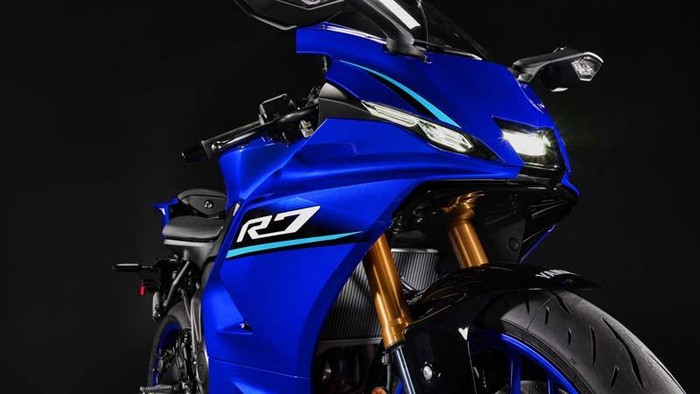
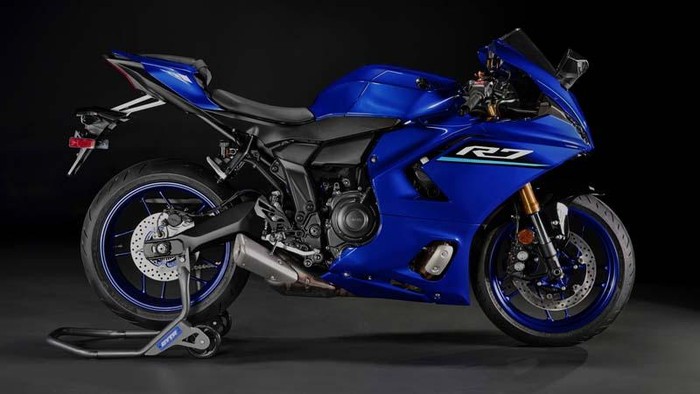
The 2026 Yamaha YZF-R7 introduces a refined design language under the internal development concept of "Beauty of Turning Control." This philosophy emphasizes the motorcycle’s primary strength: its exceptional handling and agility in corners. To reflect this, Yamaha engineers have redesigned the fairings to be even slimmer and more aerodynamically efficient than the previous generation.
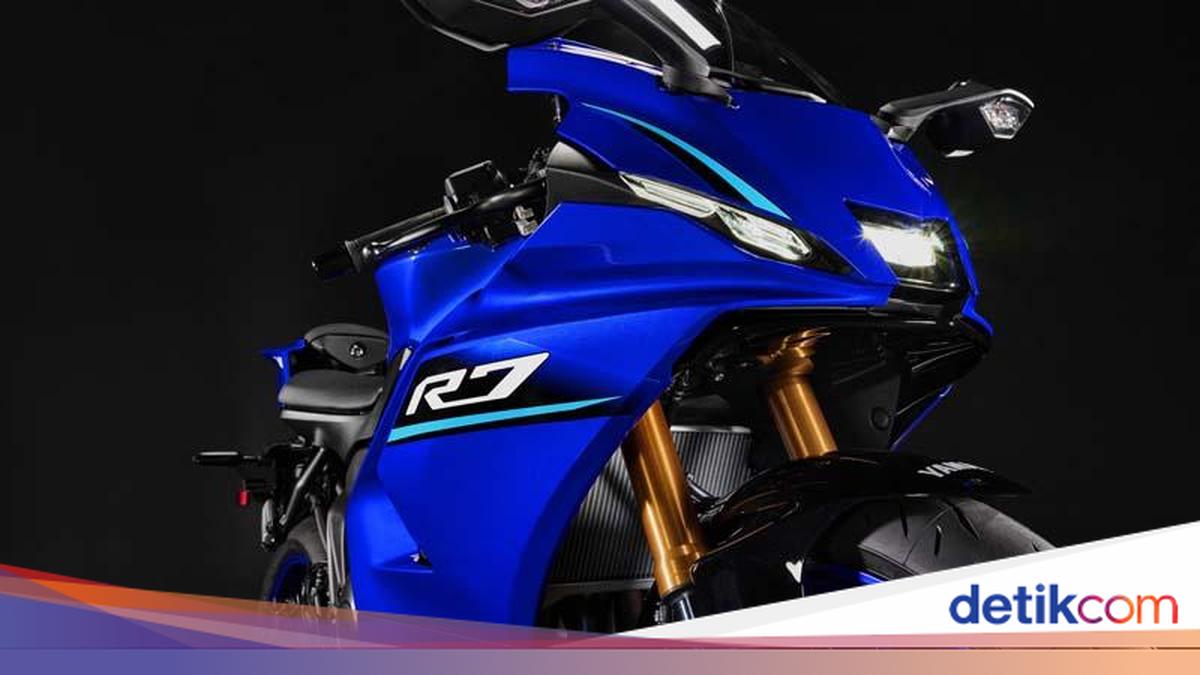
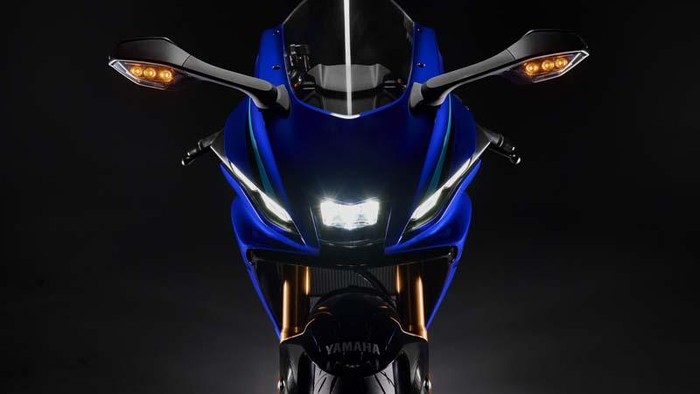
The front fascia retains the aggressive, minimalist LED headlight tucked within the central M-shaped air intake, a signature look of the modern R-Series family. However, the side panels have been sculpted to better manage airflow, reducing drag at high speeds while improving heat dissipation from the engine. The body lines are sharper, creating a visual tension that suggests forward motion even when the bike is stationary. This aggressive stance is complemented by a revised seating position that continues to prioritize a "tucked-in" racing ergonomics, though the narrowness of the chassis ensures that riders can still easily plant their feet on the ground during urban commutes.
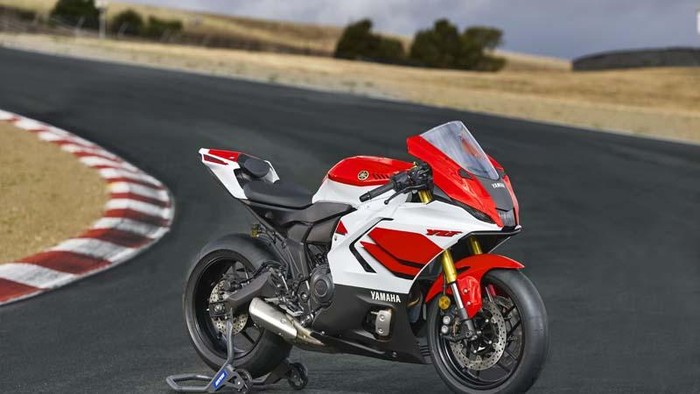
The 70th Anniversary Edition stands as the crown jewel of the 2026 lineup. Celebrating Yamaha’s seven decades of engineering excellence and racing heritage, this variant features a striking white base color accented by the legendary "Speed Block" graphics in red, paired with gold-anodized front forks and gold wheels. This livery pays homage to the machines piloted by racing legends in the 1970s and 80s, bridging the gap between Yamaha’s storied past and its high-tech future.
Technological Leap: The Integration of YCC-T
The most substantial upgrade for the 2026 model year is the inclusion of the Yamaha Chip Controlled Throttle (YCC-T). Moving away from a traditional mechanical cable-actuated throttle, the YCC-T system uses an electronic control unit (ECU) to manage the throttle valves. This "ride-by-wire" technology allows for a much more nuanced connection between the rider’s right hand and the engine’s response.
The implementation of YCC-T serves as the foundational architecture for several new electronic features. For the first time on the R7 platform, riders can experience a level of precision in power delivery that was previously reserved for three- and four-cylinder supersport bikes. This system smoothens out the torque delivery, making the bike more manageable in wet conditions while providing instantaneous response during aggressive track riding.
Furthermore, the 2026 YZF-R7 now comes equipped with a comprehensive suite of performance electronics. This includes a two-way Quick Shifter System (QSS) that allows for seamless upshifts and downshifts without the need for the clutch or closing the throttle. This is a major boon for track enthusiasts looking to shave seconds off their lap times. Additionally, the inclusion of Launch Control helps riders achieve optimal acceleration from a standstill, while the new Rear ABS OFF feature allows skilled riders to disable the anti-lock braking system on the rear wheel—a critical setting for sliding the bike into corners on a closed circuit.
The Heart of the Beast: The CP2 Engine Performance
Despite the electronic overhaul, Yamaha has chosen to retain the beloved 689cc CP2 engine, a power plant renowned for its reliability and characterful power delivery. The liquid-cooled, DOHC, two-cylinder engine features Yamaha’s signature "Crossplane" crankshaft technology with a 270-degree firing order. This configuration provides a linear torque curve and a distinct exhaust note that mimics the feel of a V-twin.
In its 2026 trim, the engine produces a peak power output of 73.4 PS at 8,750 rpm and a maximum torque of 68 Nm. While these figures remain consistent with the previous model, the integration of the YCC-T system means the power is more accessible across the entire rev range. The CP2 engine’s versatility is well-documented, as it also powers the MT-07, Ténéré 700, and XSR700, but in the R7, it is tuned to deliver a more spirited top-end performance suitable for the supersport category.
The engine is paired with a six-speed transmission featuring an Assist & Slipper (A&S) clutch. This system reduces the effort required to pull the clutch lever and prevents rear-wheel hop during aggressive downshifting, providing an extra layer of stability when entering corners at high speed.
Chassis and Suspension: Engineered for Precision
The YZF-R7’s reputation as a "cornering master" is upheld by its lightweight high-tensile steel frame, which uses the engine as a stressed member to maximize rigidity while minimizing weight. The bike features a very narrow waist, which is a direct result of the compact parallel-twin engine layout. This allows the rider to grip the tank effectively, enhancing the feeling of unity between man and machine.
Suspension duties are handled by high-specification 41mm KYB inverted front forks, which are fully adjustable for preload, rebound, and compression damping. The front end is designed to provide excellent feedback to the rider, especially under heavy braking. At the rear, a link-type Monocross shock is mounted horizontally to the crankcase, contributing to mass centralization and ensuring a stable ride even over mid-corner bumps.
Braking performance is equally impressive, featuring radially mounted four-piston calipers at the front biting down on dual 298mm discs. The radial-mount master cylinder—sourced from Brembo—ensures that braking force is applied with incredible feel and modulation, a feature usually found on much more expensive machinery.
Market Positioning and Competitive Landscape
The launch of the 2026 YZF-R7 in Thailand is a strategic move by Yamaha to solidify its dominance in the middleweight segment. The motorcycle industry has seen a shift away from high-revving, expensive 600cc four-cylinder supersports toward more torque-rich, accessible "Super Twins." The R7 competes directly with the Aprilia RS 660, the Kawasaki Ninja 650, and the newly released Suzuki GSX-8R.
While the Aprilia RS 660 offers more peak horsepower and a more complex electronics suite, it comes at a significantly higher price point. Conversely, the Ninja 650 is often viewed as a more "sport-touring" oriented machine. The 2026 R7 occupies the "sweet spot," offering genuine supersport ergonomics and track capability at a price that remains attainable for many riders.
Industry analysts suggest that the addition of YCC-T and track-specific features like Rear ABS OFF will make the R7 the preferred choice for amateur racers and track-day regulars. "Yamaha is doubling down on the ‘R-DNA,’" says an industry consultant based in Bangkok. "By adding these electronic refinements, they are telling the market that the R7 is not just a dressed-up MT-07; it is a legitimate racing tool that can grow with the rider’s skill level."
Chronology of the YZF-R7’s Evolution
The journey of the modern YZF-R7 began in 2021 when it was introduced as the spiritual successor to the R6 for the street-legal market. While the original 1999 YZF-R7 (OW-02) was a limited-edition homologation special for World Superbike racing, the modern R7 was designed to be a "supersport for the masses."
- 2021: Initial launch of the YZF-R7, featuring the CP2 engine and a focus on chassis geometry and mechanical purity.
- 2023: Introduction of new color schemes and minor refinements to the suspension tuning to improve street comfort without sacrificing track performance.
- 2024-2025: Yamaha begins testing ride-by-wire systems on the CP2 platform, leading to rumors of a "High-Tech R7."
- 2026 (Current): The debut of the YCC-T equipped model in Thailand, marking the most significant technological leap in the model’s history.
Broader Implications for the Global Market
The release of the 2026 model in Thailand serves as a precursor for other Southeast Asian markets, including Indonesia, where the R-Series has a massive following. Given the production links between Thailand and other regional distributors, it is highly likely that the updated R7 will arrive in Indonesian showrooms by late 2025 or early 2026.
For the Indonesian market, the R7 serves as a vital "Big Bike" entry point. As the government continues to regulate engine displacements and taxes, the 700cc class remains a popular choice for those looking to upgrade from 250cc machines without jumping into the prohibitively expensive 1,000cc category.
The 2026 Yamaha YZF-R7 is a testament to Yamaha’s commitment to continuous improvement. By blending the mechanical soul of the CP2 engine with the digital precision of YCC-T, Yamaha has created a motorcycle that is as rewarding for a novice as it is for a seasoned pro. Whether it is carving through the mountain passes of Northern Thailand or chasing lap times at the Chang International Circuit, the new R7 is poised to remain the benchmark for the middleweight supersport category for years to come.