Lusiana Hamidun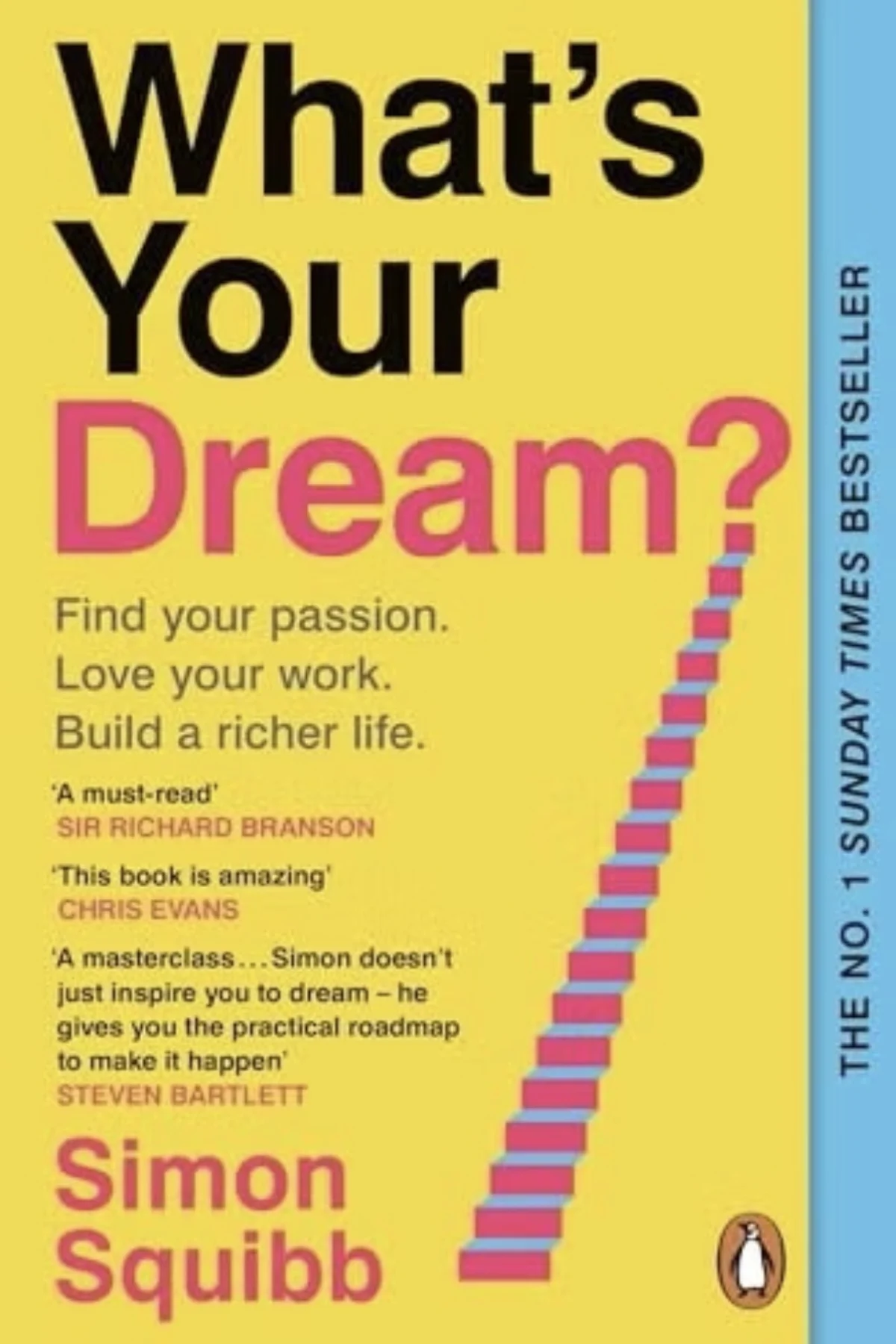
The return to the workplace following an extended period of rest—whether after a seasonal break or a prolonged stint in the same professional role—often triggers a psychological phenomenon characterized by a diminished sense of purpose and motivation. This state of professional malaise, frequently identified by industrial psychologists as "post-holiday slump" or "career stagnation," affects a significant portion of the global workforce. According to recent workforce engagement surveys conducted by global human resource consultancies, approximately 40% of employees report a sharp decline in job satisfaction within the first three weeks of returning to their desks after an annual hiatus. Addressing this lack of enthusiasm requires more than a simple shift in mindset; it necessitates a strategic recalibration of professional habits and leadership philosophies. To assist professionals in navigating this transition, an analysis of seven seminal business texts provides a roadmap for sustainable career growth, burnout prevention, and organizational efficiency.
The Evolution of Workplace Dynamics and the Burnout Crisis
The modern professional landscape is currently undergoing a structural shift. Historically, the post-industrial workplace prioritized output and presence as the primary metrics of success. However, data from the World Health Organization (WHO) has officially recognized "burnout" as an occupational phenomenon resulting from chronic workplace stress that has not been successfully managed. The intersection of this crisis with the digital era—where remote connectivity often blurs the line between personal and professional time—has led to a surge in demand for literature that prioritizes "human-centric" leadership and operational intelligence.

The seven books curated herein represent a departure from traditional "hustle culture," focusing instead on the intersection of individual well-being and organizational efficacy. These works provide a framework for navigating the complexities of the 2026 professional environment.
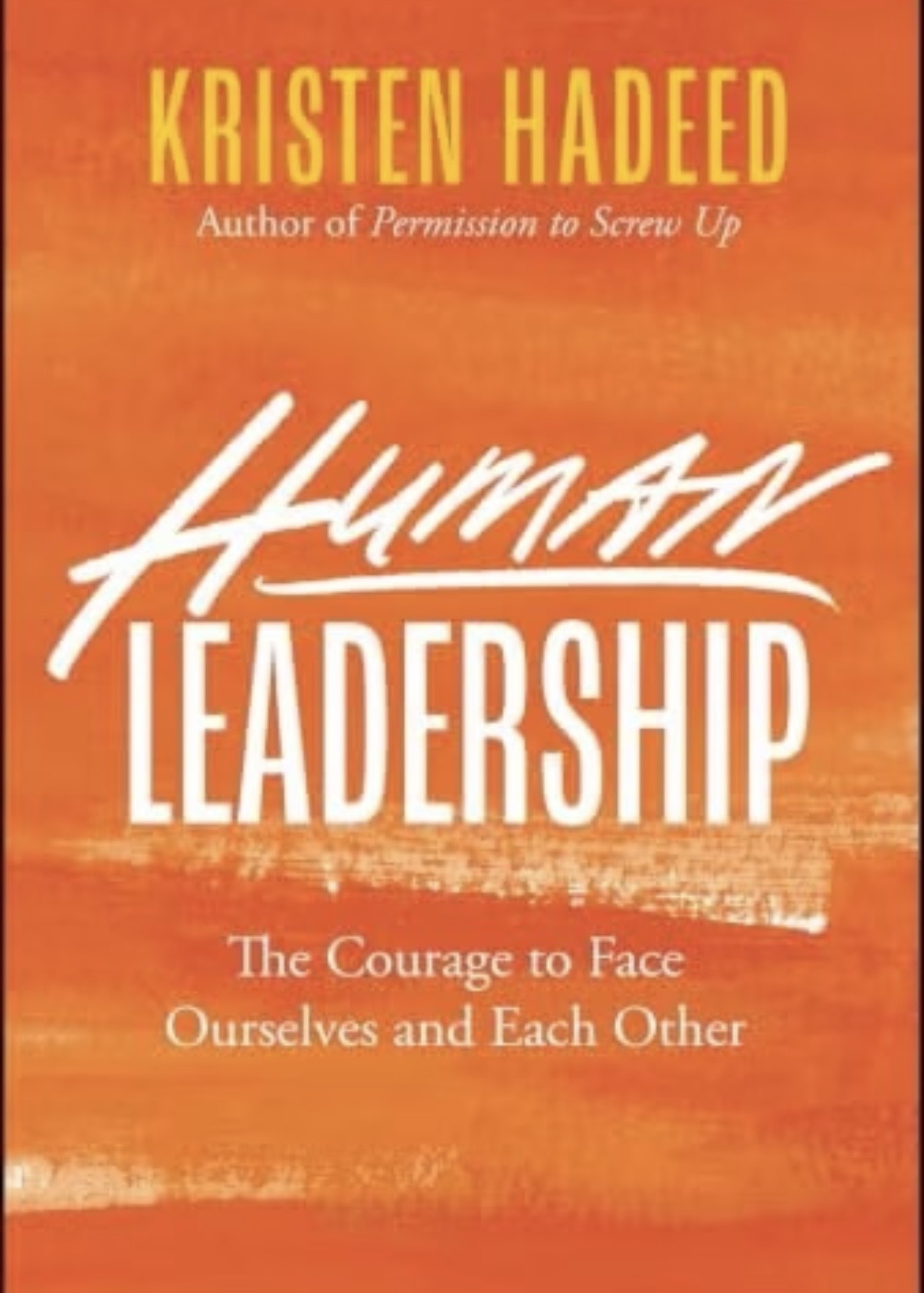
1. Human Leadership: Redefining Professional Success
Kristen Hadeed, the founder of the student-managed cleaning firm Student Maid, provides a critical analysis of the pitfalls of modern ambition in her work, Human Leadership. Released on October 27, the text serves as a cautionary tale against the glorification of unchecked professional growth. Hadeed’s narrative is informed by her own experience with severe burnout, which forced a fundamental reassessment of her leadership style.
The book posits that effective leadership is not defined by the volume of tasks completed, but by the ability to balance institutional demands with the inherent limitations of the human condition. Hadeed’s thesis is that a leader who ignores personal boundaries eventually creates a culture of fragility within their organization. By emphasizing empathy and transparency, she argues that leaders can foster higher retention rates and long-term institutional stability.
2. Smarter: Challenging the Culture of Busyness
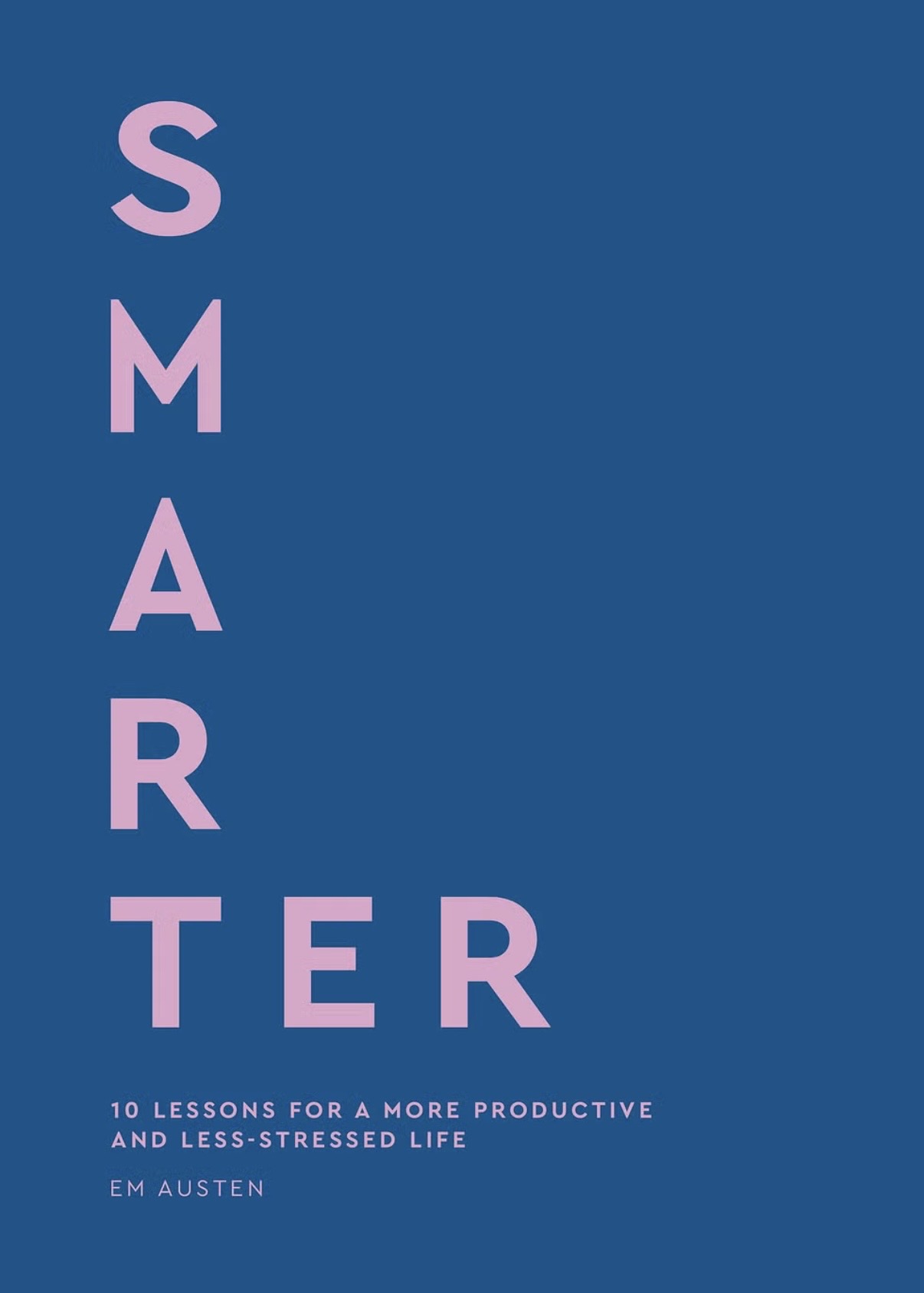
Emily Austen’s Smarter arrives at a time when the "always-on" mentality is being scrutinized by productivity experts. In an era where employees are expected to respond to emails at all hours, Austen—a prominent public relations figure—argues that such behaviors are indicators of inefficient workflows rather than professional dedication.
The book introduces empirical methodologies for reclaiming professional time. Austen outlines three core pillars: time-blocking, which prevents context switching; habit-pairing, which leverages psychological associations to complete mundane tasks; and mono-tasking, which combats the cognitive decline associated with multitasking. The implication of Austen’s findings is significant: by reducing the cognitive load of the workforce, organizations can expect a measurable increase in creative output and a decrease in the incidence of stress-related absenteeism.
3. Start With Yourself: The Philosophy of Individual Agency
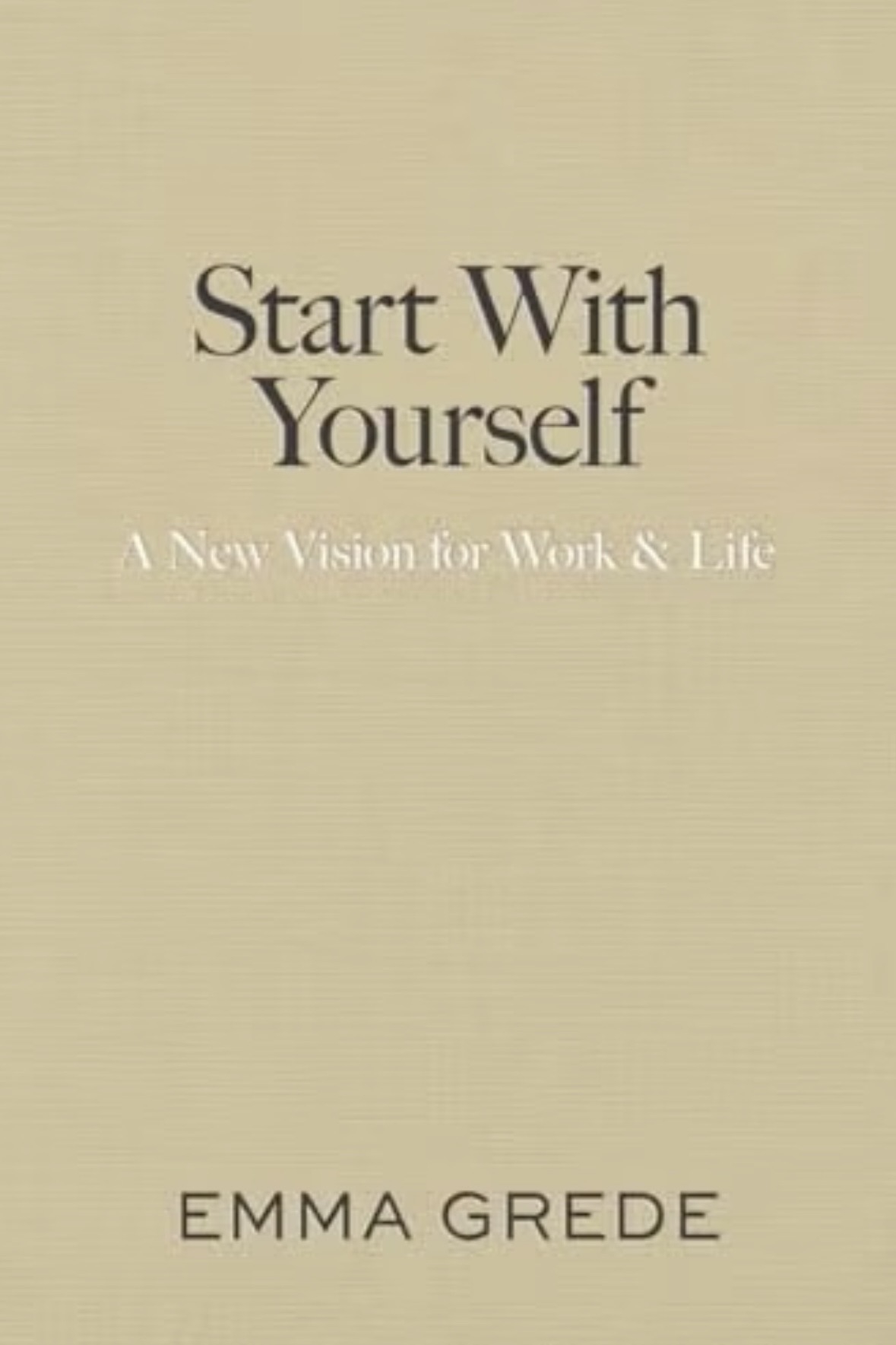
Emma Grede, a central figure in the expansion of high-profile brands such as Skims and Good American, offers a candid look at the realities of modern entrepreneurship in Start With Yourself. The book addresses the pervasive myth of "having it all," a narrative that has historically placed an undue burden on female leaders.
Grede’s approach is rooted in the concept of "radical prioritization." By documenting her own experiences as a multi-hyphenate entrepreneur, she provides a blueprint for how individuals can maximize their potential while acknowledging the physical and temporal constraints of their personal lives. The text is essential for those seeking to build success that is sustainable rather than merely performative, emphasizing that professional identity must be built upon a foundation of self-awareness and intentionality.
4. What’s Your Dream?: Converting Vision into Enterprise
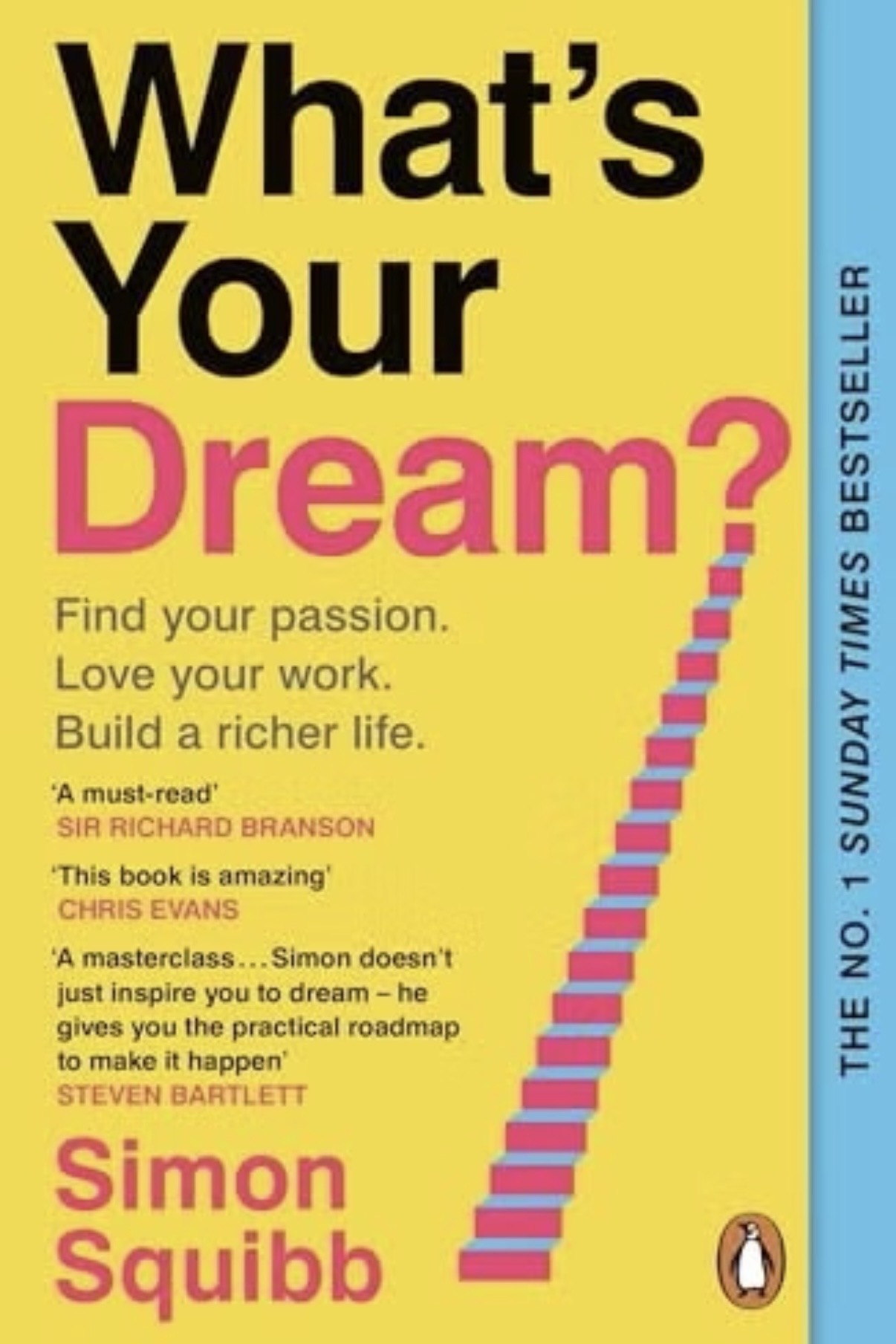
Entrepreneur and investor Simon Squibb utilizes his personal history—moving from homelessness to the successful exit of his multi-million pound business—to provide a practical guide for prospective entrepreneurs in What’s Your Dream?. The text functions as a diagnostic tool for identifying the barriers that prevent individuals from initiating their own ventures.
Squibb emphasizes that many of the obstacles in business are psychological rather than material. By systematically dismantling the fear of failure, he encourages a mindset of rapid iteration. For those currently feeling stagnant in their corporate roles, this book acts as a catalyst for professional pivots, providing a clear methodology for translating abstract concepts into functional business models.
5. When Women Lead: The Empirical Case for Empathetic Management
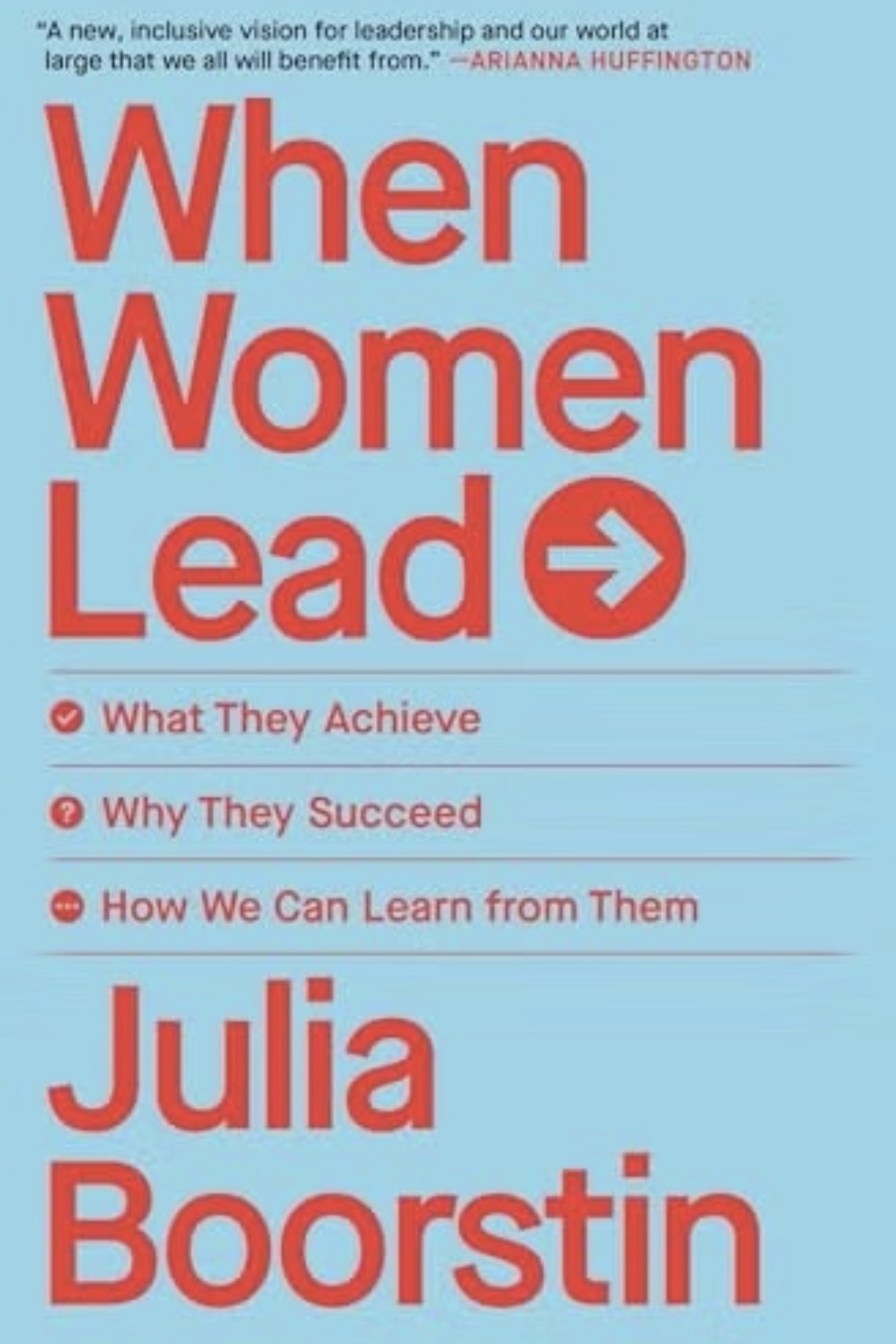
Julia Boorstin’s 2024 guide, When Women Lead, remains a cornerstone of modern leadership literature. Drawing on two decades of research and interviews with some of the world’s most influential women, Boorstin identifies a consistent set of traits—empathy, adaptability, and collaborative intelligence—that define modern leadership success.
The book challenges the archaic notion that leaders must emulate masculine archetypes to be effective. Instead, Boorstin provides evidence-based analysis suggesting that the very qualities often dismissed as "soft skills" are, in fact, the most effective drivers of organizational success in a volatile market. The text is particularly pertinent for professionals struggling with imposter syndrome, offering data-driven validation for the necessity of authentic leadership styles.
6. The Art of Less: Eliminating Organizational Sludge
In The Art of Less, Mats Alvesson and André Spicer tackle the systemic issue of "organizational sludge"—the bureaucratic friction that inhibits productivity. The authors argue that as organizations grow, they frequently become encumbered by redundant processes, excessive meetings, and unnecessary administrative burdens.
The implications of this text for corporate culture are profound. The authors advocate for a "subtractive" approach to management: rather than adding new processes to solve problems, leaders should focus on removing the ones that impede progress. This book serves as a manifesto for the modern employee to advocate for structural change within their organizations, ultimately leading to a more streamlined and efficient work environment.
7. Flex: The Future of Work-Life Integration
Concluding the list is Elizabeth Willetts’ Flex, a comprehensive strategy for building a career that accommodates personal life requirements. Willetts counters the traditional linear career model, which demands a constant upward trajectory regardless of personal life stages.
Through the analysis of various case studies, Willetts demonstrates that the most successful careers are often those that are "flexible." By prioritizing career sustainability over rapid, linear advancement, individuals can maintain high levels of professional engagement throughout their lives. This perspective is vital for the contemporary workforce, as it provides a realistic framework for balancing the demands of high-performance roles with the necessity of personal well-being.
Broader Implications and Strategic Recommendations
The transition from a period of inactivity back to the professional sphere is a critical junction. The literature analyzed above suggests that the most effective way to address the post-holiday, or post-stagnation, blues is to reframe one’s relationship with the work itself.
- Strategic Audit: Professionals are encouraged to conduct an audit of their daily tasks, utilizing the principles of "The Art of Less" to identify and remove low-value activities.
- Skill Diversification: Engaging with texts like "When Women Lead" and "Start With Yourself" allows for the development of higher-level leadership soft skills that are becoming increasingly valuable in a post-AI-integration workforce.
- Operational Optimization: Implementing the "Smarter" methodology—specifically time-blocking—can provide immediate relief from the anxiety of an overflowing inbox or an overwhelming to-do list.
In conclusion, while the feeling of professional inertia is common, it is also a signal that the current method of engagement requires an update. By leveraging these seven essential texts, professionals can move beyond the temporary discomfort of returning to work and transition into a more intentional, efficient, and sustainable phase of their careers. The transformation of the modern workplace necessitates a more nuanced approach to professional life, one that values both the output of the organization and the longevity of the individual.