
 Lina Irawan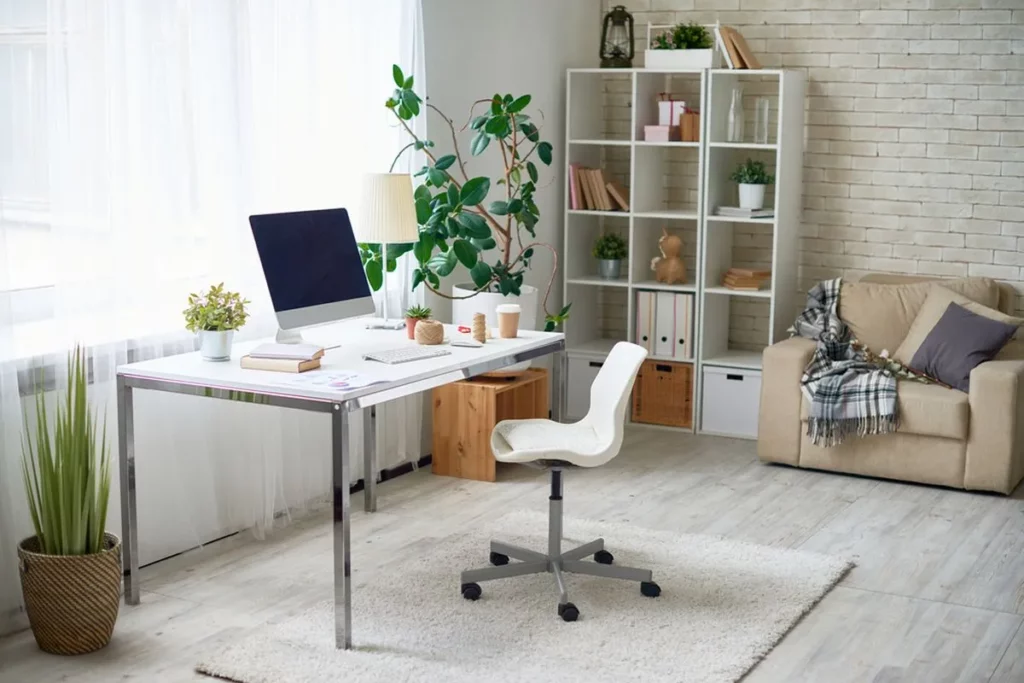
The global pandemic, a defining event of the early 2020s, irrevocably altered the landscape of work, demonstrating conclusively that productivity can thrive outside traditional office walls. By 2026, this paradigm shift has not only endured but has also matured, catalyzing a wave of innovation in home office design. The contemporary focus transcends mere aesthetics, delving deep into the realms of ergonomics, sustained productivity, and an intrinsic connection with the natural world. Leading interior design practitioners and industry analysts concur that an optimal home workspace in this era must be underpinned by abundant natural light, meticulously chosen ergonomic furniture, and a layout thoughtfully curated to foster comfort and efficiency.
The Enduring Shift to Remote Work and Evolving Home Office Design in 2026
The initial, often makeshift, home office setups born out of necessity during the pandemic have evolved into sophisticated, purpose-driven spaces. What began as a temporary solution for millions globally, including in Indonesia, has solidified into a permanent fixture for a significant portion of the workforce. Data from various labor market analyses, while varying by region, consistently indicate that between 30-50% of jobs previously performed in an office can now be done remotely, either fully or in a hybrid model. This sustained trend has propelled home office design from an afterthought to a critical component of modern living. The year 2026 marks a refinement of these trends, where the integration of well-being with work performance is paramount. This article explores the cutting-edge design inspirations, strategic arrangement tips, and ingenious solutions for even the most compact spaces, ensuring a comfortable and highly productive remote work experience.
The Foundational Role of Ergonomics and Well-being in Modern Workspaces

At the core of 2026 home office design is an unwavering commitment to ergonomics and the long-term health of occupants. A well-designed workspace is no longer a luxury but a fundamental requirement for preventing musculoskeletal issues, reducing eye strain, and promoting overall physical and mental well-being. According to Dr. Anya Sharma, a renowned occupational health specialist, "Investing in ergonomic principles for a home office is not just about comfort; it’s a proactive measure against chronic pain and a direct contributor to sustained productivity and employee retention in remote settings."
Several key ergonomic principles are now considered non-negotiable:
- Adjustable Seating: The cornerstone of an ergonomic setup is a chair that offers comprehensive adjustability – seat height, depth, armrest height and angle, and lumbar support. By 2026, smart chairs with pressure sensors and automated adjustments based on user posture are becoming increasingly common, providing real-time feedback and support.
- Height-Adjustable Desks: The ability to alternate between sitting and standing throughout the workday is crucial for circulation and preventing sedentary-related health issues. Electric sit-stand desks, often integrated with memory presets, are standard, allowing users to effortlessly transition between postures.
- Optimal Monitor Placement: Monitors should be positioned at arm’s length, with the top of the screen at or slightly below eye level. Dual monitor setups are prevalent, with emphasis on seamless alignment and minimal head turning. Monitor arms that allow for flexible positioning are highly favored.
- Ergonomic Input Devices: Keyboards and mice designed to maintain natural wrist and hand positions are essential. This includes split keyboards, vertical mice, and trackballs, tailored to individual user preferences to mitigate repetitive strain injuries.
- Proper Lighting Integration: Beyond ambient light, task lighting that is adjustable in intensity and color temperature is critical to reduce eye fatigue. It should illuminate the workspace without creating glare on screens.
- Accessibility and Flow: The layout must ensure easy access to all necessary tools and documents, minimizing reaching or twisting. Clear pathways and an uncluttered environment contribute to both physical comfort and mental clarity.
Optimizing Space: Creative Solutions for Diverse Home Environments
The reality for many remote workers is the absence of a dedicated room for a home office. Urban living, characterized by smaller apartments and compact homes, necessitates ingenious spatial solutions. Interior architects and space planners highlight the transformative potential of previously underutilized areas. "Every square meter counts," states architect Lena Kusumah, "and by 2026, designers are masters at carving out productive work zones from seemingly impossible spaces."
Here are advanced ideas for maximizing space:

- Integrated Nooks and Alcoves: Small architectural recesses, often found in hallways or living areas, are being purpose-built or retrofitted with custom shelving and compact desks, effectively creating ‘micro-offices.’ These often feature fold-down desks or slide-out surfaces to disappear when not in use.
- Mezzanine Level Conversion: For homes with high ceilings, the creation of a mezzanine level offers a complete, albeit compact, dedicated workspace. This vertical expansion maximizes floor space and provides a distinct separation from living areas, enhancing focus.
- Closet Office (Cl-office): Transforming an unused closet into a functional office space remains a popular and highly efficient solution. Custom shelving, integrated lighting, and a pull-out desk maximize every inch. When not in use, bifold doors can conceal the entire setup, maintaining the home’s aesthetic integrity.
- Modular and Convertible Furniture: The market for furniture that transforms to serve multiple purposes has exploded. Sofa beds that convert into desks, coffee tables that lift to standing height, and modular units that can be reconfigured are key. This flexibility allows a single room to serve as a living area, guest room, and office simultaneously.
- Wall-Mounted Solutions: Floating desks, wall-mounted shelving systems, and even entire workstation units that fold flush against the wall are increasingly sophisticated, offering ergonomic solutions without permanently occupying floor space.
- Under-Stair Utilization: The often-neglected space beneath staircases is being creatively converted into compact, built-in workstations, complete with custom storage and lighting, leveraging every architectural opportunity.
A Spectrum of Aesthetics: Diverse Design Philosophies for the Modern Home Office
By 2026, home office design reflects a diverse array of aesthetic preferences, moving beyond generic corporate styles to embrace personal expression and integrate seamlessly with the home’s overall decor. Studies conducted by design consultancies in late 2025 indicated a strong preference for personalization. Homeowners are no longer just seeking functionality but also an environment that inspires and reflects their identity. The following design styles are particularly prominent:
-
1. Biophilic Design: Connecting with Nature
This style emphasizes integrating natural elements into the workspace to improve mood, reduce stress, and enhance cognitive function. Materiality plays a crucial role, with extensive use of solid wood, natural stone accents, and organic textures. Large windows are paramount, maximizing natural light and offering views of greenery. Interior plants, ranging from small desk succulents to larger floor-standing varieties, are essential, often complemented by vertical gardens or living walls. Diffusers dispersing essential oils like citrus for energy or lavender for calm are common. This approach is supported by research demonstrating improved air quality, reduced absenteeism, and increased well-being in biophilic environments. -
2. Modern Minimalist: Efficiency and Clarity
Characterized by clean lines, uncluttered surfaces, and a muted color palette, modern minimalist design is ideal for those who thrive in visually serene environments. Furniture features sleek profiles, often with metallic or light wood accents. Integrated storage solutions keep clutter out of sight, and lighting is typically recessed or in minimalist fixtures, providing even, neutral white light. This style is about intentionality, ensuring every item serves a purpose and contributes to a calm, focused atmosphere, minimizing visual distractions. -
3. Artistic & Expressive: Fueling Creativity
Tailored for creatives, artists, and innovators, this style embraces vibrant colors, inspiring artworks, and personalized decor. Walls might feature a gallery of favorite paintings, motivational posters, or even a large whiteboard for brainstorming. Furniture can be eclectic, mixing vintage finds with modern pieces, and accessories like colorful desk organizers or unique sculptural elements add personality. While aesthetics are prioritized, the underlying ergonomic principles of the desk and chair remain non-negotiable, ensuring comfort despite the expressive flair.
-
4. Classic Elegance: Timeless Sophistication
Evoking a sense of tradition and refinement, classic elegant home offices feature rich, dark wood furniture, often solid wood desks with intricate detailing. Leather chairs, often in deep browns or greens, are central to this aesthetic. Soft, ambient lighting from table lamps with fabric shades, alongside a plush area rug, creates a warm and inviting atmosphere. This style frequently incorporates elements of a personal library, with built-in bookshelves displaying curated collections, ideal for professionals who appreciate a sophisticated, distinguished workspace. -
5. Multifunctional Spaces: Adaptability in Compact Living
As space remains a premium, especially in urban centers, the multifunctional home office is a necessity. This design style focuses on versatility, utilizing furniture that can be easily folded, stowed, or reconfigured. Fold-down desks, modular storage units that double as room dividers, and sofa beds are common. The emphasis is on smart storage solutions like vertical shelving and wall-mounted cabinets to keep work items organized yet discreet, allowing the room to fluidly transition between work and leisure functions. -
6. Industrial Chic: Raw Authenticity Meets Comfort
Inspired by urban lofts and factory spaces, industrial chic celebrates raw materials such as exposed brick, concrete, and metal. Furniture often features metal frames, distressed wood, and utilitarian designs. Industrial pendant lights or track lighting fixtures contribute to the aesthetic. To soften the raw edges and ensure comfort, designers incorporate elements like ergonomic chairs with a sleek design, plants, and textured rugs, creating a balance between ruggedness and warmth. -
7. Resort & Relaxation: Sanctuary for Productivity
This concept transforms the home office into a tranquil retreat, drawing inspiration from spa environments and luxury resorts. Pastel color palettes, soft textures, and plush, ergonomic seating are hallmarks. Aromatherapy diffusers, calming background music, and a meticulously organized space contribute to a stress-free environment. Vision boards or large whiteboards are often incorporated for goal setting and idea generation. This style is designed for individuals who seek a serene and restorative atmosphere to enhance focus and reduce work-related anxiety.
Illuminating Productivity: The Science of Lighting and Color

The interplay of light and color is a critical, often underestimated, factor in home office design, profoundly influencing mood, energy levels, and cognitive performance. Research in environmental psychology consistently shows that appropriate lighting can increase productivity by up to 20% and significantly reduce instances of eye strain and headaches.
- Harnessing Natural Light: Maximizing natural light is paramount. Workstations should ideally be positioned near windows, utilizing sheer curtains or smart glass technology to filter harsh sunlight and prevent glare while maintaining brightness. For areas not directly adjacent to windows, light tubes or strategically placed mirrors can help redirect natural light.
- Layered Artificial Lighting: A layered approach to artificial lighting is crucial. This includes:
- Ambient Lighting: General illumination for the entire room, often from ceiling fixtures or recessed lighting, providing overall brightness.
- Task Lighting: Focused lighting directly on the workspace, such as an adjustable desk lamp, is essential for reducing shadows and eye strain during detailed tasks. By 2026, smart task lights often integrate features like gesture control and automatic dimming based on ambient light levels.
- Accent Lighting: Used to highlight architectural features or artwork, adding depth and visual interest without directly contributing to task illumination.
- Color Temperature Control: Advanced LED lighting systems allow users to adjust the color temperature, from warm (yellowish) for relaxation to cool (bluish-white) for alertness. This dynamic control helps align lighting with the body’s natural circadian rhythm, improving sleep quality and daytime focus.
- The Psychology of Color:
- Neutrals (White, Cream, Pastels): Create an expansive, clean, and calming backdrop, making smaller rooms feel larger and promoting visual clarity.
- Blues and Greens: Known for their calming effects, promoting focus and reducing anxiety. Light shades are often used for walls or accent pieces.
- Yellows and Oranges (Acent): Used sparingly as accents, these colors can stimulate creativity and energy. Overuse can be overwhelming.
- Greys: Provide a sophisticated and modern feel, often used as a base color in minimalist or industrial designs.
Smart Storage and Seamless Integration: Maximizing Efficiency
An organized workspace is fundamental to productivity and mental well-being. By 2026, storage solutions have evolved to be not just functional but also seamlessly integrated and aesthetically pleasing, especially crucial in multi-purpose rooms.
- Vertical Storage Maximization: Wall-mounted shelving, tall cabinets, and pegboards are indispensable for utilizing vertical space, freeing up valuable desk and floor areas. Custom-built units often incorporate hidden compartments for discreet storage of cables and less frequently used items.
- Concealed and Modular Cabinets: Desks with integrated drawers and cabinets, often featuring soft-close mechanisms, keep documents and supplies out of sight, reducing visual clutter. Modular cabinet systems allow for flexible configurations, adapting to changing storage needs.
- Cable Management Solutions: With an increasing array of devices, discreet cable management is a priority. Integrated cable trays, desk grommets, and wireless charging pads are standard, ensuring a clean and hazard-free workspace.
- Smart Furniture Integration: Beyond adjustable desks, smart furniture includes desks with built-in charging ports, biometric security drawers for sensitive documents, and even tables that monitor air quality or provide automated reminders for posture breaks.
- Digital Organization Systems: While physical storage is important, the trend also emphasizes digital organization. Cloud-based storage, digital document management, and paperless workflows reduce the need for extensive physical filing, contributing to a minimalist and efficient environment.
Beyond Design: Cultivating a Productive Remote Work Culture
While the physical design of the home office is critical, maintaining productivity and well-being in a remote setting also requires adherence to effective work practices. These tips complement the physical setup, creating a holistic approach to successful remote work.

- Establish a Consistent Routine: Mimic the structure of an office workday. Start and end at consistent times, schedule breaks, and clearly delineate work hours from personal time. This routine helps the brain transition into and out of work mode.
- Define Boundaries: Communicate your work schedule to family members to minimize interruptions. If possible, use visual cues like a "do not disturb" sign or close a door when focused work is required.
- Take Regular Breaks: Implement the Pomodoro Technique or similar time management methods. Short, frequent breaks (e.g., 5-10 minutes every hour) help prevent burnout and maintain focus. Use these breaks to stretch, hydrate, or briefly step away from the screen.
- Maintain Social Connection: Combat isolation by actively engaging with colleagues through video calls, team messaging, and virtual social events. Scheduled virtual coffee breaks can replicate informal office interactions.
- Invest in High-Quality Connectivity: Reliable high-speed internet is non-negotiable for seamless remote work. Consider a backup internet solution or a mobile hotspot for uninterrupted workflow.
- Prioritize Physical Activity: Integrate short bursts of exercise or stretching into your day. Regular physical activity counteracts the sedentary nature of desk work and boosts energy levels.
- Continuous Learning and Development: Utilize the flexibility of remote work for professional development. Online courses, webinars, and industry certifications can enhance skills and keep you engaged.
- Mindfulness and Stress Management: Incorporate mindfulness practices like meditation or deep breathing exercises to manage stress and improve focus. A calm mind is a productive mind.
The Broader Implications: Market Shifts and the Future of Work-Life Integration
The sustained embrace of home office environments by 2026 has profound implications across various sectors. The furniture industry has seen a massive shift, with a booming demand for ergonomic, customizable, and space-saving solutions. Manufacturers are investing heavily in research and development for smart furniture, sustainable materials, and modular designs. Real estate markets are also adapting, with a growing preference for homes that offer dedicated office spaces or the flexibility to create them, influencing property values and architectural design.
The interior design sector has experienced a resurgence, moving beyond purely decorative roles to becoming strategic partners in creating functional and healthy living-work environments. This shift has also highlighted the importance of mental health and well-being, with biophilic design and restorative spaces gaining prominence. Employers, too, are recognizing their role in supporting remote employees, often offering stipends for home office setups or consulting services to ensure productive and healthy work conditions. The lines between work and life continue to blur, making the intentional design of home workspaces not just a trend but a fundamental aspect of modern, integrated living.
Conclusion
The evolution of home office design by 2026 offers a rich tapestry of choices, meticulously tailored to diverse lifestyles and professional demands. The underlying principle is a harmonious fusion of advanced ergonomics, abundant natural illumination, and deeply personal touches. Whether one gravitates towards the serene clarity of minimalism, the rugged authenticity of industrial chic, or the tranquil embrace of a resort-inspired sanctuary, the ultimate truth remains: peak productivity blossoms from a foundation of profound comfort and well-being. Through thoughtful planning and precise execution, the home office transforms from a mere workspace into a cherished sanctuary, a vibrant epicenter for creativity, innovation, and sustained professional achievement.








