
 Lina Irawan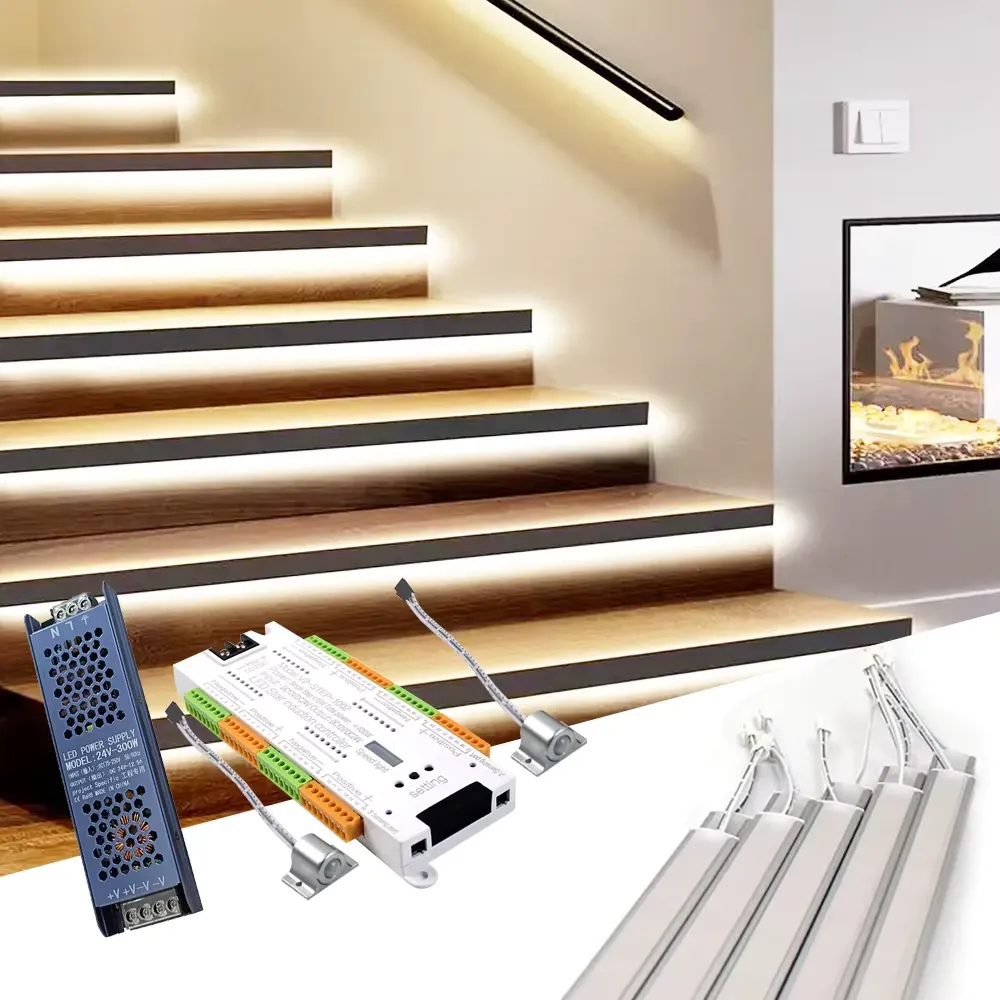
The year 2026 marks a significant pivot in home improvement, with micro-renovations emerging as the dominant trend. This strategic approach zeroes in on updating visual and functional elements such as tactical painting techniques, hardware replacement, and lighting modernization, all without resorting to wall demolitions or major structural alterations. This method has consistently proven capable of slashing costs by up to 70% and drastically reducing project timelines, all while substantially boosting a property’s aesthetic appeal and market valuation in the eyes of real estate appraisers.
This shift is profoundly influenced by modern lifestyles that prioritize time efficiency and minimal disruption. Homeowners today are increasingly opting for intelligent solutions that deliver immediate, tangible impact. They actively seek to avoid the dust, noise, and stress traditionally associated with extensive, large-scale home overhauls. The core principle underpinning these smart solutions is simple: focus on surface and touch-point modifications. If an element can be directly seen or touched, it merits an upgrade. This philosophy is rapidly being adopted by leading interior designers worldwide, reflecting a broader movement towards sustainable and sensible home enhancements.

The Genesis of the Micro-Renovation Trend
The rise of micro-renovations in 2026 is not merely a fleeting fad but a calculated response to evolving market dynamics and homeowner preferences. The post-pandemic era has instilled a renewed appreciation for home comfort and functionality, yet economic uncertainties and inflationary pressures have made large-scale renovations a less viable option for many. Homeowners are seeking ways to refresh their living spaces without incurring prohibitive costs or enduring prolonged periods of inconvenience.
Industry experts emphasize that meticulously executed, small-scale interventions can achieve a visual impact comparable to a full-scale renovation. The authority of a design, they argue, is no longer measured by the extent of demolition, but by the ingenuity with which a space is optimized. This paradigm shift also aligns with growing environmental consciousness, as micro-renovations typically generate less waste compared to traditional construction. The focus has moved from "bigger is better" to "smarter is superior."

This comprehensive guide is therefore structured around specific upgrade patterns, emphasizing applied techniques in color manipulation, strategic lighting, and textural enhancements. This ensures that homeowners can directly implement these ideas across various sections of their property, unconstrained by traditional room-specific labels.
I. Surface Transformations: The Canvas of Your Home
The surfaces of a room—walls, floors, and ceilings—represent the largest visual canvas within any home. Updates to these areas are highly recommended due to their dramatic and immediate impact on a space’s overall feel.

-
Executing Tactical Color Blocking: Full-room repainting can be arduous and time-consuming. As an alternative, tactical color blocking creates powerful visual focal points. This technique involves painting specific geometric shapes on designated areas. Consider painting an arch behind a bookshelf or a rectangular block behind a bed’s headboard. For 2026, contrasting colors such as terracotta or sage green are highly recommended, breathing new life into previously neglected corners.
-
Utilizing Premium Peel-and-Stick Wall Coverings: The era of difficult-to-remove permanent wallpaper is largely over. Advanced peel-and-stick wall covering technologies now offer remarkably realistic textures that mimic genuine materials. These materials are particularly tenant-friendly, as they can be removed without damaging the underlying paint (provided it’s in good condition). Coverings featuring wood grain patterns or textured linen can be applied to a single accent wall. Installation requires no special adhesives or professional contractors, and mistakes can be easily corrected by gently repositioning the material.
-
Repainting Old Tiles and Ceramics: Demolishing old floor tiles or ceramic backsplashes is costly and generates significant debris. A highly favored alternative among restoration experts is re-coating using specialized epoxy tile paint. The old ceramic surface is thoroughly cleaned, primed with a high-adhesion primer, and then coated with epoxy paint using a fine roller to obscure outdated colors or patterns. The resulting finish is remarkably scratch-resistant and waterproof, offering a durable and fresh look.

-
Transforming Ceilings with Accent Paint: Often dubbed the "fifth wall," ceilings rarely receive dedicated attention. Painting a ceiling a shade slightly darker than the walls creates a more intimate and luxurious spatial effect, a popular trick in modern tropical aesthetics. If darker colors feel too bold, use the wall color but reduce its intensity by about 50 percent. This draws the eye upward, making the room feel significantly taller and more structurally defined.
-
Instant Acoustic Wall Panels: Fluted wood panels with a felt backing are a dominating interior trend. Installation is simplified, requiring only heavy-duty construction adhesive, eliminating the need for any wall demolition. These panels not only impart a luxurious visual texture to living rooms or workspaces but also actively reduce echo and external noise, enhancing auditory comfort. This budget-friendly interior upgrade instantly improves both the visual and acoustic comfort of a home.
II. Lighting Revolution: Wireless and Smart Solutions

Even the most exquisite interior design will fall flat under poor lighting. Revamping a lighting scheme is often daunting due to perceived electrical complexities. However, 2026 technology offers highly efficient wireless solutions.
-
Installing Rechargeable Battery Wall Sconces: Wall sconces add a touch of classic sophistication. Many designers are now installing beautiful sconces beside mirrors or beds without direct electrical wiring. Standard bulbs are replaced with rechargeable LED bulbs. These fixtures are attached to walls using small screws or even strong command strips. When power depletes, the bulb is simply removed from its magnetic socket for recharging, cleverly bypassing time-consuming wall demolition.
-
Lampshade Swaps: Instant Style Upgrades: Lighting updates don’t always necessitate new electronic fixtures. Often, the base of a table lamp or the frame of a pendant light remains robust. Replacing an old lampshade is one of the most effective steps. Swap dull fabric shades for trendy pleated linen or woven rattan. Asymmetrical or long cylindrical shades can instantly transform an old lamp’s silhouette into a contemporary art piece, exemplifying instant decor.

-
Motion Sensor LED Strip Installation: Layered lighting is crucial for creating spatial dimension. Battery- or USB-powered LED strips are installed in concealed areas, such as under kitchen cabinets, inside wardrobes, or behind TV frames. Opt for models equipped with motion sensors, allowing lights to subtly illuminate as you approach. This functional feature imparts the impression of a high-end, premium smart home system.
-
Switch and Outlet Upgrades: A freshly painted room can look unfinished if its light switches are still yellowed and dated. This small detail is meticulously observed by certified designers. Replacing switch plates is a five-minute job with a lasting impact. Choose switch covers with a matte black finish, brushed brass, or frameless glass models. These clean, modern architectural elements cohesively tie together the entire interior design concept.
-
Smart Bulbs for Ambiance Control: Light color temperature directly dictates a room’s mood. Replacing standard bulbs with smart bulbs is highly recommended. These intelligent bulbs are fully controlled via a smartphone app. You can set bright, productive white light during the day, then automatically dim it to a warm yellow in the evening. This flexibility creates a dynamic room ambiance without the need for physical dimmer switches on the wall.

III. Hardware and Touchpoint Modernization: The Tactile Experience
Our physical experience of a home is defined by the objects we interact with daily. Door handles, faucets, and drawer pulls are tactile elements that should be prioritized in a 2026 non-demolition micro-renovation strategy.
-
Modernizing Main and Room Door Handles: Door handles are the first "handshake" between a home and its occupants. Replacing old round knobs with sleek, minimalist lever-style handles instantly updates the home’s design lines. This task typically requires only a screwdriver. Matte black or gunmetal finishes continue to lead hardware trends for 2026, providing excellent contrast on light-colored doors. Ensure the new lockset’s hole configuration matches the existing holes in the door.

-
Reconfiguring Cabinet Pulls: Cabinets throughout the home can appear brand new simply by replacing their pulls or knobs. This is a well-kept secret in budget renovation. Mass-produced furniture can be made to look custom-made with this simple change. Swap old wooden round knobs for genuine leather handles, thin brass profiles, or textured ceramic pulls. You’ll be surprised how classy hardware can elevate even the simplest furniture.
-
Faucet Upgrades Without Plumbing Changes: Grimy or outdated faucets detract from the entire surrounding area. Faucet updates can be performed without dismantling countertops or wall tiles. You simply need to temporarily shut off the main water supply. Choose faucets with a high gooseneck profile for maximum functionality. Touch-sensor faucets are increasingly affordable and highly recommended for superior hygiene. Ensure your countertop’s hole configuration (single-hole or three-hole) matches the new faucet.
-
Lightweight Crown Moulding Installation: Historic architectural details like crown moulding invariably enhance a home’s aesthetic value. Historically, heavy wooden mouldings required skilled carpenters for installation. Now, high-density polyurethane materials have revolutionized this. These lightweight mouldings can be cut with a standard hand saw and installed by simply adhering them to the corner between the wall and ceiling. Once painted to match the walls, they are indistinguishable from expensive, genuine wood carvings.

-
Window Sill Refinishing: Deteriorated or moldy wooden window sills are often an eyesore. Demolishing this area risks damaging the window frame. A modern solution involves applying PVC or thin wood veneer overlay boards. These overlays are measured, cut, and adhered to cover the old window sill surface. After being glued and sealed at the edges, your windows will boast a clean, new profile. This area can then be fully utilized for plants or small decorative items.
IV. Textile and Soft Furnishing Optimization: The Home’s Attire
Textiles are the "clothing" of your home. Changing textiles is the quickest, cleanest, and safest way to alter the texture, pattern, and overall color scheme within a space.

-
Curtain Elevation Technique: A common amateur interior design mistake is hanging curtains precisely above the window frame. A verified designer trick involves raising the curtain rod close to the ceiling line, allowing the fabric to cascade dramatically to the floor. The optical illusion created is extraordinary: windows appear much larger, and the room’s height seems to dramatically increase. Use thick linen or velvet fabrics to create weighty, luxurious pleats.
-
The Art of Rug Layering: Replacing flooring is expensive, but concealing it is surprisingly simple. If you dislike your current floor tiles, rug layering is the best instant solution, blending functionality with artistic value. Lay a large rug made of natural fibers like jute or sisal as the primary protective base. On top, layer smaller rugs with Persian motifs or shaggy textures as a central visual anchor. This tactic cleverly disguises large floor areas without looking forced.
-
Precision Slipcovers: A still-plush sofa with faded fabric doesn’t need to be discarded or reupholstered. Modern slipcovers no longer appear loose and messy like products from past decades. Spandex-blend materials ensure the fabric wraps tightly around the furniture. Choose slipcovers in neutral solid colors made from microfiber corduroy or faux velvet. These covers are easily removable and washable, making them a smart investment for families with small children or pets.

-
Seasonal Decorative Pillow Refresh: Throw pillows are like jewelry for a dress. Changing pillow covers is the most inexpensive way to inject interior design trends without long-term commitment. Crucially, ensure your pillow inserts are made from high-quality down or synthetic alternatives. Well-filled pillows can be "karate chopped" in the middle, a small detail always executed by interior magazine stylists. Pair large-scale geometric patterns with solid textured fabrics within a single grouping of pillows.
-
Throw Blanket Additions: Draping a decorative throw blanket casually and asymmetrically over a sofa arm softens the furniture’s rigid lines. This fabric element adds a layer of inviting texture, encouraging relaxation. Opt for chunky knit materials during cooler seasons and switch to thin cotton linen during warmer months. These decorative blankets serve a dual purpose: covering minor furniture imperfections while providing thermal comfort to occupants.
V. Strategic Layout and Functional Accessories: Optimizing Space

After surfaces, lighting, hardware, and textiles are updated, the final step is to optimize existing elements within the room through strategic placement.
-
Large-Scale Mirror Placement: Mirrors are the oldest secret weapon in a designer’s playbook for visually expanding a room. Mirror placement should not be arbitrary; they must be positioned directly opposite windows or natural light sources. The resulting reflection will multiply the amount of light entering the room. Use oversized floor mirrors leaned against a wall for a casual yet sophisticated feel. Solid wood or minimalist brass mirror frames will add character to the space.
-
Floating Shelf Installation: Adding large cabinet furniture can make a room feel cramped. Floating shelves, installed on empty walls, optimize vertical space. Their support brackets are concealed within the wooden boards, giving the impression that the shelves gracefully float on the wall. These shelves can be used for books, displaying ceramic collections, or storing kitchen spices. When arranging items on shelves, use the "triangle composition" rule, varying the height and shape of objects to maintain visual interest.

-
Incorporating Large Indoor Plants: A single large plant in a room’s corner creates a far more powerful visual impact than ten scattered small potted plants. The presence of a large-scale organic element instantly breathes life into an otherwise sterile space. Ficus Audrey or Olive Trees are highly recommended for their aesthetic leaf shapes. If natural light is limited, do not hesitate to use premium artificial plants; the quality of 2026 faux plants is often indistinguishable from real ones.
-
The "Three-Quarter" Furniture Rule: A fundamental error in furniture arrangement is pushing all items tightly against the walls. Ironically, this layout often makes a room feel smaller, akin to a hospital waiting room. Pull sofas and chairs at least a quarter meter away from the walls. Allow breathing room around major furniture pieces. The room will feel more intimate as conversation areas become more centralized, and air circulation behind furniture improves.
-
Visible Cable Management: A world-class designed room can be instantly ruined by messy television cables or charging wires. Cable management involves using cable management boxes placed on the floor. Cables dangling on walls should be secured using cable concealers painted to match the background wall color. This meticulous attention to infrastructure neatness demonstrates a high level of care for the details of your home.

Financial Impact: Micro-Renovations and Property Valuation
Property valuation experts unanimously agree that micro-renovation strategies are more than just cosmetic aesthetic improvements; they represent a sound financial investment. Market data for 2026 shows a strong positive correlation between intelligent upgrades and an increase in a property’s sale or rental price.
This non-demolition approach is financially commonsensical. Homeowners avoid spending hundreds of millions on structural overhauls, an expense that often yields a low Return on Investment (ROI) when the property is sold. Instead, investment is concentrated on key touchpoints that directly influence the psychology of potential buyers or tenants. Industry reports indicate that replacing cabinet hardware, refreshing with modern neutral paint colors, and updating to smart LED lighting systems can deliver an ROI of up to 85%. Furthermore, the quality of leads or prospective tenants significantly improves, as properties appear meticulously maintained, move-in ready, and highly relevant to current trends.

Common Pitfalls in Executing 2026 Non-Demolition Micro-Renovations
While minimizing structural risks, several strategic errors can occur if planning is not thorough. Understanding these points can prevent your improvement project from becoming a wasteful endeavor:
- Neglecting Surface Preparation: Skipping crucial steps like thorough cleaning, sanding, or proper priming before painting or applying new finishes can lead to poor adhesion, peeling, or an uneven appearance, undermining the entire effort.
- Opting for Low-Quality Materials: While micro-renovations are budget-friendly, choosing the cheapest options for items like peel-and-stick wallpaper or hardware can result in a cheap look and poor durability, requiring earlier replacement.
- Lack of Cohesive Design Theme: Randomly applying trends without considering the existing aesthetic or overall desired theme can lead to a disjointed and visually cluttered space. A clear vision is paramount.
- Ignoring Scale and Proportion: Using rugs that are too small for a living area or curtains that are too short for windows can make a room feel awkward and unfinished, negating the intended positive impact.
- Poor Color Palette Selection: Choosing colors that clash with existing furniture, flooring, or natural light conditions can make a room feel uninviting or visually jarring. Testing swatches is essential.
- Inadequate Lighting Layering: Relying on a single overhead light source or poorly placed accent lighting can create harsh shadows or dull spots, diminishing the overall ambiance.
- Overlooking Functionality: While aesthetics are key, ensuring that new hardware, lighting, or organizational solutions genuinely improve the daily functionality of a space is critical for long-term satisfaction.
- Underestimating DIY Skill Level: While many micro-renovation tasks are DIY-friendly, some, like epoxy application or precise crown moulding installation, may still benefit from professional expertise to achieve a flawless finish.
Conclusion: Smart Execution Without Stress

Updating a home in 2026 is no longer defined by the cacophony of hammers and saws. The "2026 non-demolition micro-renovation" is a testament to the efficiency of modern design thinking. Through targeted interventions in surface colors, strategic lighting, and hardware details, a comprehensive transformation can be achieved in a matter of days. Focus on the elements you see and touch daily. Implement one or two tricks from this guide this weekend, and you will personally witness how even the smallest changes can dramatically shift the energy and comfort of your home.
FAQ (Frequently Asked Questions)
1. Will peel-and-stick wall coverings damage the original paint when removed?
Newer generation wall coverings are designed with wall-friendly adhesives. As long as your original paint is not already peeling or damp before installation, these coverings can generally be removed cleanly. Using a hairdryer to gently warm the adhesive during removal can help soften the glue for easier, residue-free detachment.

2. What is the estimated lifespan of epoxy paint on old ceramic surfaces?
If preparation is done correctly (thorough degreasing and proper primer application), epoxy tile paint in dry areas can last 5 to 8 years without significant fading. For wet areas like showers, extra care is recommended, and applying a clear protective top coat every 2 years can extend its durability.
3. Is it acceptable to mix warm yellow and cool white lights in one room?
Lighting experts generally advise standardizing color temperatures within a single field of vision to prevent eye strain and create a cohesive look. Utilizing smart bulbs is an excellent solution, allowing you to uniformly switch the entire room’s lighting to cool white for tasks or to warm yellow for relaxation as needed.
4. Is polyurethane crown moulding prone to breaking?
No. High-density polyurethane material is very robust and possesses a slight flexibility. It is significantly more resistant to shrinkage caused by temperature changes than solid wood, and it is 100% immune to termite attacks, making it a durable choice.

5. How do I determine the correct rug size for a living area?
The basic rule is that at least the front two feet of all primary furniture pieces (sofa and accent chairs) should rest on the rug’s edge. This technique "anchors" all the furniture within a neat visual zone, making the space feel more cohesive and intentional.








