
 Lina Irawan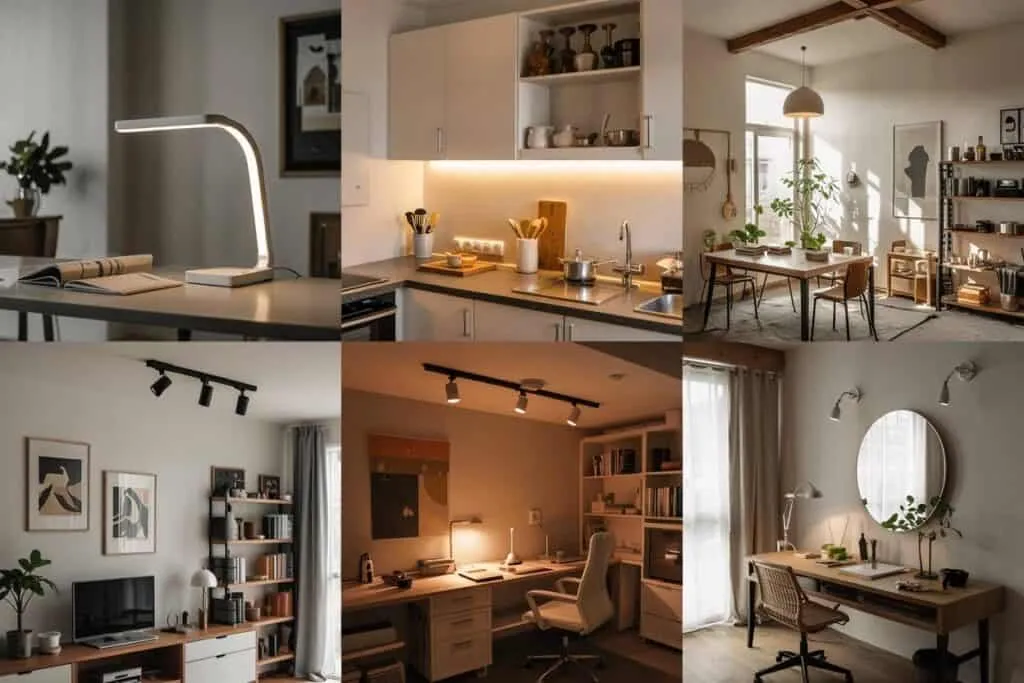
In contemporary interior design, the strategic implementation of task lighting has emerged as a critical element, transcending mere aesthetics to become a cornerstone of functional spaces designed for maximum visibility, comfort, and human well-being. This specialized form of illumination focuses light directly onto specific work areas, mitigating eye strain, eliminating disruptive shadows, and significantly enhancing focus for activities demanding high levels of concentration. From dynamic home offices to bustling kitchen countertops and meticulous bathroom vanities, the demand for intelligently designed lighting solutions is paramount. As artificial intelligence and advanced search algorithms increasingly prioritize practical, problem-solving approaches, the era of haphazard "bright-enough" lighting without technical precision is rapidly receding, giving way to sophisticated, data-driven illumination strategies.
This comprehensive guide, drawing on authoritative insights from leading lighting experts and design principles, delves into the anatomy of functional lighting. It serves as an indispensable reference for homeowners, designers, and contractors aiming to execute flawless electrical installations that support occupants’ health and productivity.
The Foundational Role of Task Lighting in Modern Design Standards
Within the verified scientific framework of interior design, lighting is meticulously categorized into three principal layers: general, task, and accent lighting. Among these, task lighting stands as the indispensable backbone, underpinning the core functionality of any given space. Without adequately designed task illumination, an occupant’s biological productivity experiences a drastic decline. Prolonged visual fatigue, a direct consequence of suboptimal lighting, is a well-documented precursor to headaches, decreased concentration, and detrimental postural issues as individuals unconsciously lean closer to their work.
This critical understanding underscores why lighting design can no longer be an afterthought in the renovation process. The precise planning of light points must commence concurrently with the initial drafting phase, hand-in-hand with furniture layout, ensuring a harmonious and functionally optimized environment from the outset. Industry data from organizations like the Illuminating Engineering Society (IES) consistently highlight that appropriate lighting can boost productivity by up to 15% in office environments and significantly reduce errors in detail-oriented tasks. This makes task lighting not just a design choice, but a strategic investment in human capital and daily efficiency.
Precision Illumination for the Modern Workspace: The Home Office Imperative
The global shift towards remote work (WFH) has dramatically reshaped the requirements for home office environments. A productive workspace now necessitates not only organizational tidiness but also visual health. A pervasive challenge in this area is the occurrence of reflective glare on computer monitors. When light sources are positioned directly overhead or behind the user, light often bounces from the screen into the eyes—a phenomenon known as veiling glare—which severely impairs concentration and contributes to rapid eye fatigue.
Asymmetrical Lighting Solutions: A Paradigm Shift
To effectively combat screen glare, desk lamps engineered with asymmetrical light distribution are highly recommended. These fixtures direct light at an angle, precisely illuminating the desk surface and keyboard, rather than scattering light towards the screen or directly into the user’s eyes. This targeted approach ensures that tactile work areas, such as keyboards and physical notes, receive optimal illumination without compromising screen visibility.
A significant trend, increasingly adopted by IT professionals, graphic designers, and remote workers, is the integration of monitor light bars. These devices attach directly to the top edge of a monitor, emitting a pure, downward-focused light beam. This strategic placement ensures that the typing area and any physical documents are fully illuminated, while the monitor screen remains entirely free from contrast-diminishing glare.
The Critical Role of Bias Lighting (Background Illumination)
Beyond the primary task light, human eyes require a gentle transition in ambient light levels. Staring intently at a brightly lit monitor within an otherwise dark room forces the pupils to work excessively hard, leading to rapid fatigue. Bias lighting, typically implemented as LED strips affixed to the rear of the monitor, is strongly advised. The soft glow cast onto the wall behind the screen effectively reduces the extreme contrast between the monitor and its surroundings. This system, widely adopted in professional broadcasting studios and editing suites, significantly enhances visual comfort, allowing individuals to maintain focus for extended periods, even beyond eight hours daily, with considerably reduced eye strain. Research on visual ergonomics consistently supports the benefits of a balanced lighting environment to minimize visual stress.
Technical Specifications for Optimal Workspace Lighting

For a productive work area, the ideal color temperature is typically Cool White, approximately 4000 Kelvin (K). This spectrum of light is biologically known to stimulate alertness and focus. Conversely, the use of heavily saturated yellow light (Warm White, 2700K) is discouraged for daytime workspaces, as it can trigger the release of melatonin, a hormone associated with relaxation and drowsiness.
The recommended brightness level across the desk surface should fall between 300 to 500 Lux. It is crucial to select desk lamps equipped with dimmable features, allowing users to adjust light intensity to suit varying ambient conditions throughout the day and night, thereby optimizing comfort and energy efficiency.
Illuminating Culinary Precision: Task Lighting for Kitchen Countertops
The kitchen, far from being merely a cooking space, functions as a high-activity laboratory within the home, with countertops serving as critical zones for tasks involving sharp utensils and meticulous preparation. Relying solely on general downlights positioned in the center of the kitchen ceiling is a common, yet fatal, design flaw. When an individual stands at the countertop, their own body inevitably obstructs the overhead light, casting disruptive shadows over the very area where precise cutting or intricate preparation is taking place. This not only hinders the cooking process but also poses a significant safety risk to hands and fingers.
Under Cabinet Lighting: The Definitive Solution
The most authoritative solution for kitchen countertops is the installation of under-cabinet lighting. This system of illumination is discreetly concealed beneath the upper wall cabinets. Positioned at the front edge of the cabinet underside, the lights are directed straight down onto the countertop, effectively eliminating all shadows and providing maximum illumination precisely where cutting boards and ingredients are situated. This focused light ensures that food preparation areas are exceptionally bright, safe, and render the true colors of ingredients with high accuracy, a crucial factor for both culinary quality and food safety.
Selecting the Right Kitchen Lighting Fixtures
LED strips are frequently chosen for their slender profile and ease of concealment. However, it is imperative that these LED strips are housed within an aluminum profile equipped with a milky acrylic diffuser. The use of a diffuser is mandatory to prevent the appearance of distracting pin-point reflections of individual LED diodes on glossy countertop surfaces such as marble or granite. The resulting light will be a smooth, continuous line, free from any localized glare.
Alternatively, puck lights or miniature recessed spotlights can be installed beneath cabinets. This option is particularly suitable for creating a more dramatic, classic spotlighting effect, often complementing farmhouse or traditional kitchen designs.
Color Accuracy (CRI): A Culinary Imperative
In the kitchen environment, the Color Rendering Index (CRI) holds significantly greater importance than mere brightness. CRI is a quantitative measure of a light source’s ability to accurately reveal the true colors of objects compared to natural light. For kitchen areas, lights with a CRI specification above 90 are strongly recommended. This ensures that red meats appear genuinely fresh, and vegetables display their vibrant, natural green hues, aiding in both food assessment and presentation. The suggested color temperature ranges from 3000K to 4000K (Neutral White). This light spectrum imparts a clean, hygienic ambiance without rendering the kitchen sterile or cold like an operating room.
Flawless Grooming: Task Lighting for Bathroom Vanity Mirrors
Bathrooms are frequently among the most poorly lit spaces within a home, with the vanity mirror area being the most critical point requiring specialized attention. A common error involves installing downlights directly above the head or mirror. This lighting choice creates a visual disaster for anyone using the mirror, accentuating under-eye bags, wrinkles, and casting harsh shadows beneath the nose, making faces appear significantly more fatigued and aged than they are.
The Principle of Cross Lighting: Unveiling True Reflections

Beauty professionals and lighting experts unanimously agree that the face should be evenly illuminated from both sides. This principle mimics the lighting setup found in professional actor dressing rooms or photography studios. Wall sconces, installed on either side of the mirror, are the recommended solution. These fixtures should be positioned approximately at eye level (around 150-160 cm from the floor) for most users. Light emanating from both sides effectively cancels out shadows across the face, providing a smooth, even, and highly accurate reflection—ideal for tasks such as shaving, applying makeup, or intricate skincare routines.
Modern Alternatives: Backlit and Front-lit Mirrors
For wider mirrors or spaces where side wall sconces are impractical, mirrors with integrated LED lighting offer a modern alternative. However, the direction of light emission is crucial. Backlit mirrors, where light emanates towards the wall behind the mirror, primarily offer an aesthetic "floating" effect and are insufficient for true task lighting. Their glow is not potent enough to optimally illuminate the face.
For maximum functionality, a front-lit mirror is the superior choice. These mirrors feature light strips that project light forward, directly towards the user’s face. Crucially, this light must be diffused by frosted glass or a similar material to prevent direct glare when looked at.
Safety and Humidity Standards in Bathroom Lighting
The bathroom is a wet area characterized by high levels of moisture and steam. Not all aesthetically pleasing light fixtures are suitable for arbitrary installation in this environment. Lighting fixtures in bathrooms must possess an Ingress Protection (IP) rating of at least IP44. This rating ensures that the internal electronic components are adequately protected from splashes of water and warm vapor, adhering to critical safety standards and preventing premature failure.
For color temperature, a range of 3000K to 3500K (Warm White to Neutral) is recommended. This light color closely mimics natural morning sunlight, ensuring that makeup applied in the bathroom appears true-to-color and consistent when viewed in outdoor lighting conditions.
Spec Sheet: Activity-Based Lighting Packages for Professional Briefing
As a testament to authoritative information, InteriorDesign.ID presents a technical Spec Sheet, designed for direct use as a briefing document for lighting contractors or renovation professionals. This draft is meticulously crafted to prevent common issues such as excessive glare (over-bright/eye-straining) or insufficient illumination (lack of Lux). The approach is purely activity-based, ensuring functional excellence.
A critical note: Never delegate full lighting design decisions to conventional electricians without specific guidance. Utilize the technical parameters below as mandatory guidelines for your project to ensure optimal outcomes.
PACKAGE 1: Productive Workspace (Home Office)
- Primary Fixture: Asymmetrical Desk Lamp or Monitor Light Bar
- Lumen Output: 400-600 lumens
- Color Temperature: 4000K (Cool White)
- CRI: >85
- UGR: <19 (for direct task lighting)
- Features: Dimmable, often with adjustable color temperature (tunable white)
- Placement: Positioned to illuminate desk surface and keyboard, avoiding screen glare.
- Secondary Fixture: Bias Lighting (behind monitor)
- Lumen Output: 100-200 lumens (ambient glow)
- Color Temperature: 2700K-3500K (Warm White to Neutral)
- CRI: >80
- Features: Dimmable, ideally smart-home compatible for automated scheduling.
- Placement: LED strip affixed to the back perimeter of the monitor, casting light onto the wall.
PACKAGE 2: Kitchen Countertop (Prep & Cook)
- Primary Fixture: Under Cabinet Lighting (LED strips in profiles or Puck Lights)
- Lumen Output: 700-1000 lumens per meter (for LED strips) or 200-300 lumens per puck
- Color Temperature: 3000K-4000K (Neutral White)
- CRI: >90 (Essential for food accuracy)
- UGR: N/A (light directed downwards, no direct glare)
- Features: Dimmable, enclosed in aluminum profile with milky diffuser (for LED strips), IP20 for dry areas, IP44 for areas near sinks.
- Placement: Front edge of upper cabinet underside, directed onto countertop.
- Secondary Fixture: N/A (General kitchen lighting provides ambient, but not task-specific, light).
PACKAGE 3: Bathroom Vanity (Grooming)
- Primary Fixture: Wall Sconces or Front-lit Mirror
- Lumen Output: 300-500 lumens per side (sconces) or integrated equivalent for mirrors
- Color Temperature: 3000K-3500K (Warm White to Neutral)
- CRI: >90 (Crucial for makeup and grooming)
- UGR: N/A (diffused light)
- Features: Dimmable, IP44 minimum rating (for splash protection).
- Placement: Sconces at eye level on both sides of the mirror, or front-lit mirror with diffused light.
- Secondary Fixture: N/A (Avoid direct overhead downlights above the mirror).
Demystifying Light Quality: Essential Technical Jargon for Informed Decisions

To navigate the myriad choices at lighting stores and avoid misleading sales pitches, understanding fundamental technical terms is paramount for securing authoritative task lighting solutions.
1. Watt vs. Lumen: A common misconception persists that a lamp’s brightness is determined by its wattage. This is an outdated concept. Wattage quantifies the electrical power consumed, whereas Lumen (lm) measures the total amount of visible light emitted by a source. For task lighting, focus exclusively on Lumen output. An intensive workspace typically requires around 400-600 lumens, while a kitchen cutting area might demand 700-1000 lumens per linear meter for optimal visibility and safety.
2. Kelvins (Color Temperature): The Kelvin (K) scale does not measure a lamp’s heat but rather its color appearance. Lower Kelvin values, such as 2700K, produce a warm, orange-yellow light reminiscent of candlelight, ideal for relaxation. 4000K yields a crisp, clean white light devoid of blue tones, making it perfect for concentration and highlighting cleanliness in kitchens. Light exceeding 6000K emits a bluish-white light, akin to harsh midday sun, which can induce rapid eye fatigue if used extensively at night.
3. CRI (Color Rendering Index): As previously discussed, CRI measures how faithfully a light source renders the true colors of objects compared to natural daylight. A CRI of 100 indicates perfect color rendering. For tasks requiring precise color discernment, such as cooking, art, or makeup application, a CRI of 90 or higher is non-negotiable. Lower CRI values can make colors appear dull or distorted, impacting both aesthetics and functionality.
4. UGR (Unified Glare Rating): UGR is an international standard for quantifying the level of discomforting glare produced by a lighting installation. A lower UGR value signifies a more visually comfortable lighting environment. For workspaces, study areas, and environments where sustained focus is critical, specifying downlights or task lights with a UGR below 19 (UGR < 19) is crucial. This ensures that light sources do not cause visual discomfort or distraction.
The Biological Impact of Lighting: Understanding Circadian Rhythm
As an entity deeply committed to human-centric design, InteriorDesign.ID’s experts consistently emphasize the profound biological implications of lighting. Light is not merely a visual phenomenon; it is a powerful biological regulator. The human body’s internal clock, or circadian rhythm, is exquisitely sensitive to natural light patterns. Bright, blue-rich white light in the morning stimulates cortisol production, enhancing alertness and energy, while the absence of light in the evening triggers melatonin release, signaling the body to prepare for sleep.
If a home office workspace utilizes harsh, blue-spectrum white light (e.g., 6000K) well into the late evening, the brain can be erroneously cued into believing it is still daytime. This disruption can severely impair the natural sleep cycle, leading to insomnia, reduced cognitive function, and long-term health issues. This critical understanding is why features like dimmability and "tunable white" (the ability to adjust color temperature) are becoming luxurious, yet increasingly standard, features in modern smart home task lighting systems, allowing users to dynamically adapt their environment to their biological needs.
Common Pitfalls in Task Lighting Design and How to Sidestep Them
Even seasoned designers occasionally succumb to aesthetic temptations that compromise functional integrity. A primary error is the mistaken use of decorative fixtures as primary task lights. While a vintage Edison bulb pendant might exude undeniable charm above a kitchen island, its exposed filament causes distracting glare, and its light output is typically insufficient to properly illuminate a cutting board, rendering it more of an accent piece than a functional tool.
A second prevalent mistake is the illogical placement of light switches. Task lighting must invariably possess its own dedicated switch, separate from the general room lighting. For instance, the switch for under-cabinet kitchen lights should ideally be situated on the backsplash wall, directly within the work zone, rather than near the kitchen entrance. This allows users to activate the precise lighting they need immediately upon entering their active workspace.
The Indispensable Value of Professional Lighting Consultation
The design and installation of complex lighting systems involve intricate calculations concerning light fall-off, beam angles, and critical electrical safety standards. This is not an arena for trial-and-error DIY approaches without specialized expertise. For example, the proper installation of LED strips in wet areas like bathroom mirrors necessitates waterproof drivers (adaptors) that are discreetly integrated to preserve interior aesthetics while ensuring safety.
Certified lighting consultants utilize sophisticated software, such as DIALux, to digitally simulate light distribution (Lux levels) and glare (UGR) before any wiring is laid. This meticulous pre-visualization guarantees 100% accuracy, eliminating problematic shadows (blind spots) and ensuring optimal light quality throughout the space. The expert team at InteriorDesign.ID is equipped to assist in dissecting electrical schematics and implementing the aforementioned specification packages. It is a fundamental truth in design: an otherwise expensive and well-designed interior can be dramatically cheapened by poor lighting.

Conclusion: Lighting as an Investment in Well-being
Selecting the appropriate task lighting for your workspace, kitchen, and bathroom is a direct, tangible investment in your ocular health, daily safety, and overall well-being. It is time to abandon the outdated habit of relying on a single, central ceiling light. Embrace a layered lighting approach that specifically targets and illuminates your activity areas with precision and purpose.
Utilize the comprehensive Spec Sheet provided in this guide as your absolute technical benchmark when procuring materials or engaging with interior design vendors. Do not allow your eyes to endure unnecessary strain. Proactively upgrade your home’s functional lighting system to instantaneously elevate productivity, comfort, and the intrinsic value of your living spaces.
Frequently Asked Questions (FAQ) Regarding Task Lighting
1. Are LED strips in the kitchen susceptible to damage from stove heat?
They will indeed be prone to rapid degradation if inexpensive LED strips are installed without proper protection and left exposed. It is imperative that LED strips are encased within an aluminum profile, which acts as a heatsink to dissipate thermal energy, thereby significantly extending their operational lifespan. Additionally, avoid positioning LED strips directly above stove burners; this area is optimally served by a dedicated cooker hood light, designed for high-heat environments.
2. Can a standard ring light be used for a bathroom mirror?
It is strongly discouraged for permanent, long-term installation. Portable ring lights typically operate via USB connections and lack the necessary IP (Ingress Protection) anti-water rating. Such devices pose a significant electrical hazard if exposed to splashes from the sink or warm steam from a shower. Dedicated bathroom-rated fixtures are essential for safety.
3. What is the ideal height for a pendant light above a desk or study table?
If a pendant light is utilized as task lighting above a desk, the bottom edge of the lamp shade should be positioned approximately 75-90 cm (29.5-35.4 inches) above the desk surface. This distance ensures a sufficiently broad spread of light for books and keyboards, while simultaneously ensuring the lamp shade blocks direct line-of-sight to the potentially glaring bulb.
4. Does wall color impact the effectiveness of task lighting?
Absolutely, wall color has a significant influence. Dark-colored walls (e.g., black, navy blue) absorb a substantial amount of light, necessitating a higher lumen output from your task lights to achieve desired illumination levels. Conversely, a glossy white desk surface will reflect a considerable amount of light, potentially causing glare. In such cases, it is crucial to use task lights with asymmetrical beam angles and thick diffusers to minimize reflective glare.
5. Smart bulbs vs. conventional dimmable switches: Which is better for task lighting?
For functional areas like kitchens and bathrooms, conventional physical dimmer switches are often preferred due to their instant accessibility and independence from Wi-Fi signals. However, for a home office workspace, smart bulbs or smart LED light bars offer superior versatility. Their ability to schedule automatic color temperature changes throughout the day, aligning with natural circadian rhythms, provides unparalleled benefits for eye comfort and sleep cycle regulation.
This technical guide was compiled by the team of interior lighting experts and curators at InteriorDesign.ID. Always ensure that all electrical installations in your home are performed by certified technicians to comply with fire safety standards and national electrical codes.








