Tyo Susilo
The burgeoning landscape of the video game industry is witnessing a significant paradigm shift, with User-Generated Content (UGC) evolving from a supplementary feature into a cornerstone of business strategy. Platforms like Epic Games’ Fortnite Creative and Roblox have demonstrably proven that fostering community creativity not only extends the lifespan of a game but also cultivates vibrant new economic ecosystems for players. Emerging indications suggest that this transformative trend is now poised to influence the popular multiplayer shooter, Delta Force, as Tencent is reportedly laying the groundwork for a robust UGC initiative.
Tencent’s Strategic Move Towards Community-Driven Content in Delta Force
Recent findings, brought to light by PocketGamer.biz, reveal that Tencent is actively seeking a User Generated Content Designer specifically for Delta Force. This strategic recruitment signals a serious commitment to integrating player-created content into the game’s core experience and business model. The role’s responsibilities are expected to encompass defining the business direction of UGC within Delta Force and developing the foundational platform that will empower players to create and share their own content.
The Evolving Significance of User-Generated Content in Gaming
The concept of UGC in gaming is not novel, but its sophisticated integration and monetization have seen a meteoric rise in recent years. Games that successfully harness player creativity benefit from a continuous influx of new content, keeping the player base engaged and attracting new participants. This creates a virtuous cycle where the developers benefit from sustained interest and reduced content creation burden, while players gain diverse and personalized experiences.
Fortnite Creative, launched in December 2018, transformed Fortnite from a battle royale game into a sprawling metaverse where players can design their own games, social hubs, and artistic creations. This feature has been instrumental in maintaining Fortnite’s immense popularity and diversifying its revenue streams through creator-driven economies. Similarly, Roblox, a platform built entirely around UGC, has cultivated a massive community of young developers and entrepreneurs who earn substantial income by creating and selling virtual experiences and items. The success of these platforms underscores the immense potential of empowering players as content creators.
Delta Force: A Prime Candidate for UGC Expansion
Delta Force, having established itself as a significant player in the competitive multiplayer shooter market over the past year, presents a compelling case for a UGC overhaul. With tens of millions of players across various platforms, the game has carved out a distinct identity amidst fierce competition from established franchises such as Battlefield and Escape from Tarkov. The inherent sandbox nature of many shooter games, coupled with the existing player community’s passion, makes Delta Force fertile ground for UGC.
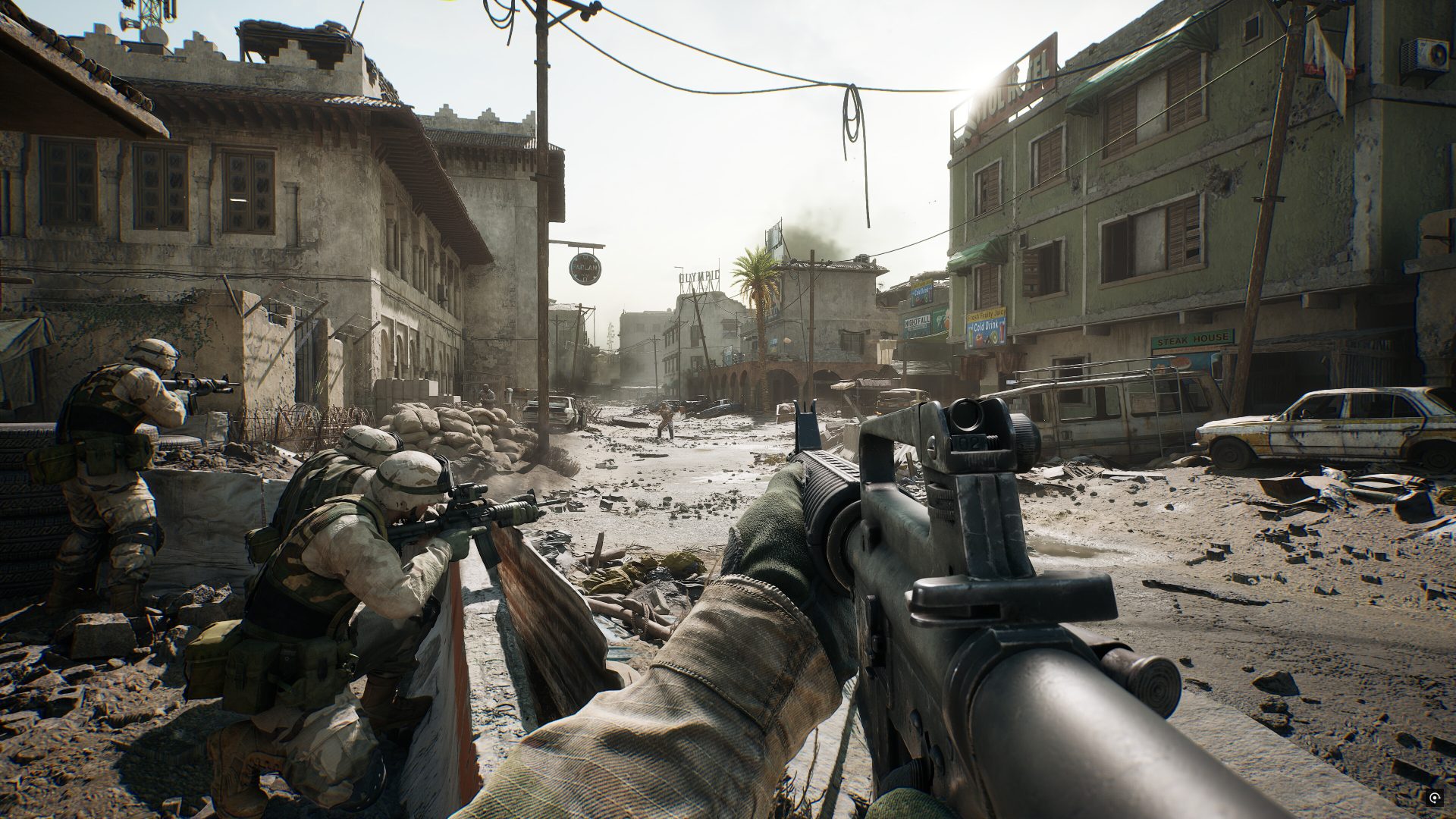
The game’s current iteration has already demonstrated strong multiplayer engagement, with players deeply invested in its tactical gameplay and progression systems. Introducing UGC tools could unlock new dimensions for these players, allowing them to design custom game modes, elaborate maps, unique challenges, or even entirely new gameplay mechanics that go beyond the developer’s original vision. This not only caters to the existing player base’s desire for novelty but also provides a powerful mechanism for organic content discovery and community growth.
Unpacking the Job Posting: A Glimpse into Tencent’s Ambitions
While Tencent has yet to issue an official public statement regarding its UGC plans for Delta Force, the details of the job advertisement provide a strong indication of the company’s intentions. The requirement for candidates to possess a minimum of three years of experience in UGC platform development is particularly noteworthy. This level of experience is typically associated with large-scale, long-term projects that demand significant technical expertise and strategic foresight.
The job description likely outlines the need for individuals who can:
- Design and implement UGC creation tools: This involves developing intuitive and powerful editors that allow players of varying skill levels to create content.
- Establish content moderation and quality control systems: Ensuring that player-created content is safe, appropriate, and of a reasonable quality is crucial for maintaining a healthy game environment.
- Develop UGC discovery and recommendation algorithms: Helping players find compelling content amidst a potentially vast library of creations.
- Integrate UGC into the game’s economy: This is the critical aspect that could enable player monetization.
- Collaborate with development teams: Working closely with game designers, engineers, and artists to ensure seamless integration of UGC.
The emphasis on experience in platform development suggests that Tencent is not merely looking to enable basic map editing but is aiming to build a comprehensive ecosystem for UGC, akin to what is seen in Fortnite Creative or Roblox. This implies a structured approach to content creation, curation, and potentially, distribution.
Potential Monetization Models and Their Implications
The most exciting prospect for players, and a significant potential revenue stream for Tencent, lies in the possibility of UGC monetization. Drawing parallels with successful UGC platforms, Delta Force could implement a system where creators can earn real-world currency from their creations. This could manifest in several ways:
- Direct Sales of Player-Created Content: Creators might be able to sell custom maps, game modes, cosmetic items (if the game’s architecture allows), or unique gameplay experiences directly to other players.
- Revenue Sharing from In-Game Purchases: Similar to how some platforms share ad revenue or in-game purchase revenue with creators whose content is featured or heavily utilized, Tencent could adopt a similar model.
- Creator Funds and Competitions: Tencent might establish dedicated funds or run regular competitions with significant prizes to incentivize high-quality content creation and reward outstanding community contributions.
The implications of such a monetization system are far-reaching:

- Economic Empowerment for Players: Talented and dedicated creators could transform their passion into a viable income source, fostering a new class of game developers within the Delta Force community. This could lead to a more invested and loyal player base.
- Enhanced Game Longevity and Replayability: A constant stream of fresh, community-driven content will significantly extend the game’s lifespan, preventing player fatigue and ensuring sustained engagement.
- Innovation Beyond Developer Capacity: Players often have unique ideas and perspectives that developers may not consider. UGC allows for experimentation and the introduction of novel gameplay concepts that can surprise and delight the community.
- Community Building and Collaboration: A UGC marketplace can foster a stronger sense of community as players collaborate on projects, provide feedback, and support each other’s creative endeavors.
Historical Context and Tencent’s Track Record
Tencent’s interest in UGC is not surprising, given its position as a global gaming giant with a history of investing in and developing innovative gaming models. The company has a proven track record of success with titles that incorporate community engagement and evolving content. While Delta Force is a relatively newer franchise compared to some of Tencent’s established IPs, its strong performance and dedicated player base make it a logical candidate for this strategic expansion.
The development timeline for such a complex feature is likely to be substantial. The initial recruitment of a dedicated UGC designer suggests that the concept is in its early stages, possibly involving foundational research, design, and prototyping. Based on the typical development cycles for such sophisticated systems in large-scale online games, players might expect to see initial UGC features roll out in beta phases within 12-24 months, with full public release and monetization potentially following later.
Broader Industry Impact and Future Outlook
The potential introduction of a robust UGC monetization system in Delta Force could further solidify the trend of community-driven game economies. This move by Tencent, a major player in the industry, would undoubtedly influence other developers and publishers to explore similar avenues. The success of this initiative could set new benchmarks for player engagement and revenue generation in the shooter genre.
For the broader gaming industry, this signifies a continued shift towards a more collaborative and decentralized model of content creation. Developers are increasingly recognizing the power of their communities not just as consumers but as active contributors to the game’s evolution and success.
The questions that remain are manifold: What specific tools will be provided to creators? How will Tencent ensure fair monetization and prevent exploitation? What level of creative freedom will players truly have? The answers to these questions will shape the future of Delta Force and potentially offer a blueprint for other games seeking to harness the power of their player base.
As the gaming landscape continues to evolve, the integration of UGC and player monetization represents a significant step forward, blurring the lines between players, creators, and developers, and fostering a more dynamic and engaging interactive entertainment experience. The community’s response and the success of Tencent’s implementation will be closely watched by the industry.