Tyo Susilo
Sony’s ongoing campaign to refine the PlayStation Store’s offerings has taken a significant stride with the removal of Webnetic, a publisher responsible for an estimated 1,222 titles deemed "shovelware" on the platform. This move represents one of the most substantial purges of low-quality content to date, underscoring Sony’s commitment to elevating the standard of games available to its vast player base. The decision, confirmed by Webnetic through a social media announcement, signals the end of their extensive catalog’s presence on PlayStation, urging players to experience their titles one last time before they vanish from digital shelves.
The Scale of the Purge: A Deep Dive into Webnetic’s Catalog
Webnetic, prior to its PlayStation Store delisting, was reportedly the third-largest publisher on the platform in terms of sheer game volume, boasting an impressive, albeit controversial, library of approximately 1,222 distinct titles. This staggering number highlights the pervasive nature of shovelware – games often characterized by low production values, repetitive gameplay loops, and a primary focus on easily obtainable Trophies rather than engaging experiences. Many of Webnetic’s releases have been described as bearing a closer resemblance to rudimentary mobile games, often advertised through social media pop-ups, than the polished, console-quality experiences PlayStation is known for.

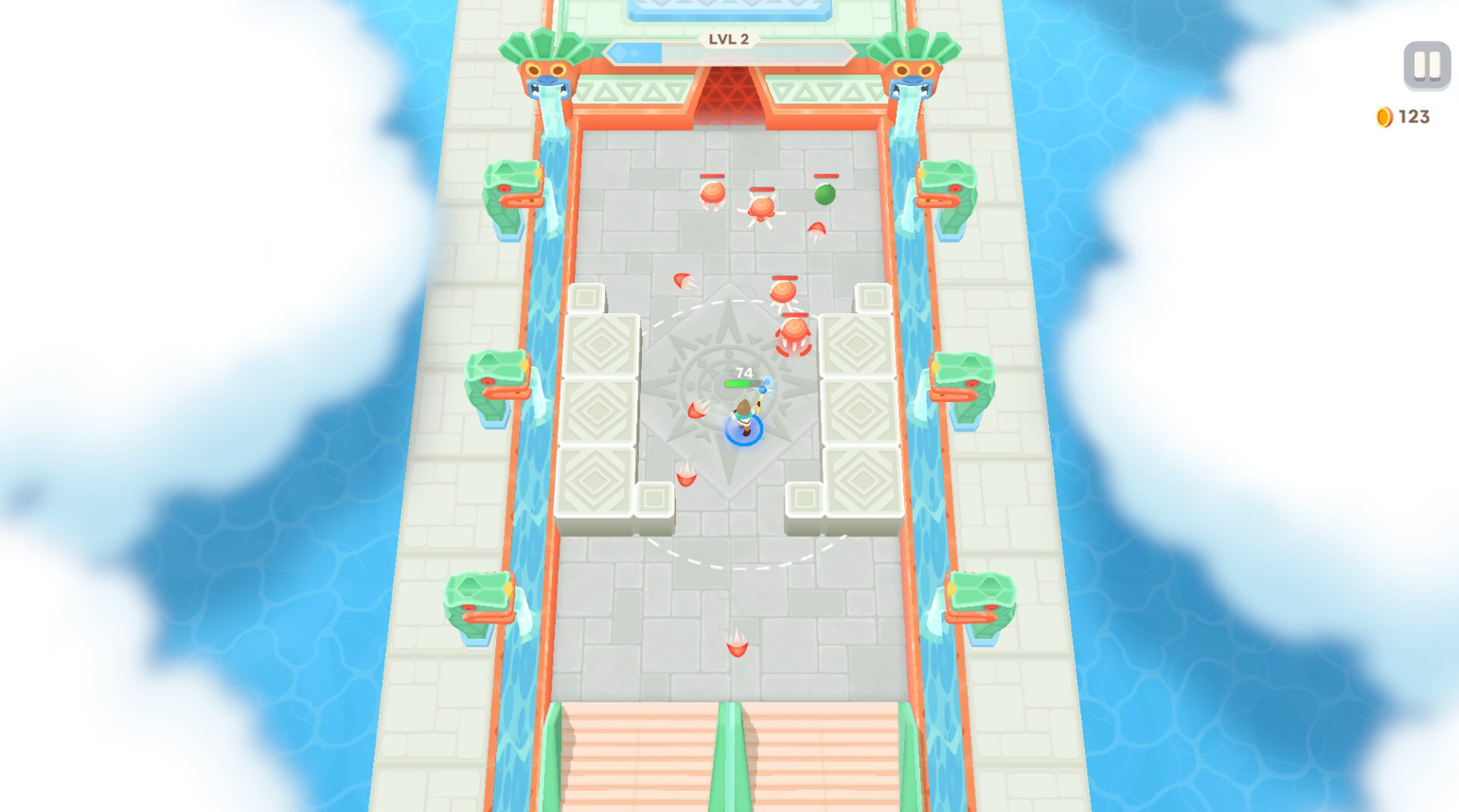
Examples of Webnetic’s published titles, such as "Archerio" and "Parking Problem," as depicted in promotional materials, often showcase simplistic graphics and gameplay mechanics that have drawn criticism from segments of the gaming community. These titles, while technically functional, have been accused of flooding the digital storefront, making it more challenging for genuine, high-quality independent games to gain visibility. The sheer quantity of these games also contributed to a perception of the PlayStation Store as being oversaturated with low-effort content, potentially diluting the overall appeal and perceived value of the platform for discerning consumers.
A Pattern of Refinement: Sony’s Multi-Wave Strategy
The removal of Webnetic is not an isolated incident but rather the latest, and perhaps most impactful, development in a broader, sustained effort by Sony to curate its digital marketplace. Throughout 2026, PlayStation users have witnessed several significant waves of game delistings, collectively impacting thousands of titles. This strategic cleanup began earlier in the year, with reports indicating the removal of over a thousand games in initial phases. The consistent application of this policy suggests a deliberate and escalating strategy to address the proliferation of shovelware.
This sustained approach indicates that Sony is actively monitoring the quality of content being offered on its platform. The motivation behind these purges appears twofold: firstly, to enhance the discoverability and prominence of genuinely innovative and high-quality games, thereby providing a better experience for players seeking compelling content. Secondly, it aims to curb exploitative practices related to Trophy hunting, a long-standing point of contention within the PlayStation community. The ease with which Trophies could be unlocked in many shovelware titles often devalued the achievement system for dedicated players.

Webnetic’s Future and Broader Implications
While Webnetic’s presence on the PlayStation Store is coming to an end, the publisher has indicated that its operations will continue on other platforms, including Xbox, Nintendo, and PC via Steam. This suggests that the issue of shovelware is not confined to a single ecosystem but is a broader challenge within the digital game distribution landscape. However, Webnetic’s departure from PlayStation is a clear signal that Sony is taking a more assertive stance in defining the quality standards for its digital storefront.
The implications of this aggressive content moderation by Sony are multifaceted. On one hand, it promises a cleaner, more curated PlayStation Store, which should benefit both players looking for quality experiences and developers who invest in creating them. A less cluttered store can lead to improved user engagement and a stronger brand perception for PlayStation as a platform that prioritizes quality.
However, this move also raises pertinent questions about the delicate balance between maintaining platform integrity and fostering an open environment for independent developers. While the removal of shovelware is largely welcomed, the sheer scale of Webnetic’s delisting could prompt discussions about the criteria used for game submissions and the potential for overly restrictive policies that might inadvertently stifle niche or experimental titles from smaller, less experienced developers. The long-term impact will depend on Sony’s ability to maintain a transparent and consistent approach that effectively weeds out low-quality content without unduly penalizing genuine creativity.
Community Reaction and the Path Forward
The ongoing efforts by Sony to clean up the PlayStation Store have generally been met with approval from a significant portion of the gaming community. Players have frequently voiced frustrations regarding the overwhelming presence of low-quality titles that can make it difficult to find genuinely good games. The delisting of publishers like Webnetic is seen as a positive step towards improving the overall user experience and restoring confidence in the quality of games available on the platform.
As Sony continues its cleanup operations, the industry will be watching closely to see how these policies evolve. The success of this strategy will ultimately be measured by its ability to create a more vibrant and rewarding digital marketplace for all stakeholders – players, developers, and the platform holder itself. The ongoing refinement of the PlayStation Store is likely to remain a key focus for Sony as it navigates the increasingly competitive landscape of digital game distribution, striving to offer a platform that is synonymous with quality and player satisfaction. The question remains: where will Sony draw the line, and what future content moderation strategies will emerge from this decisive action against one of the platform’s most prolific shovelware publishers?