Lina Irawan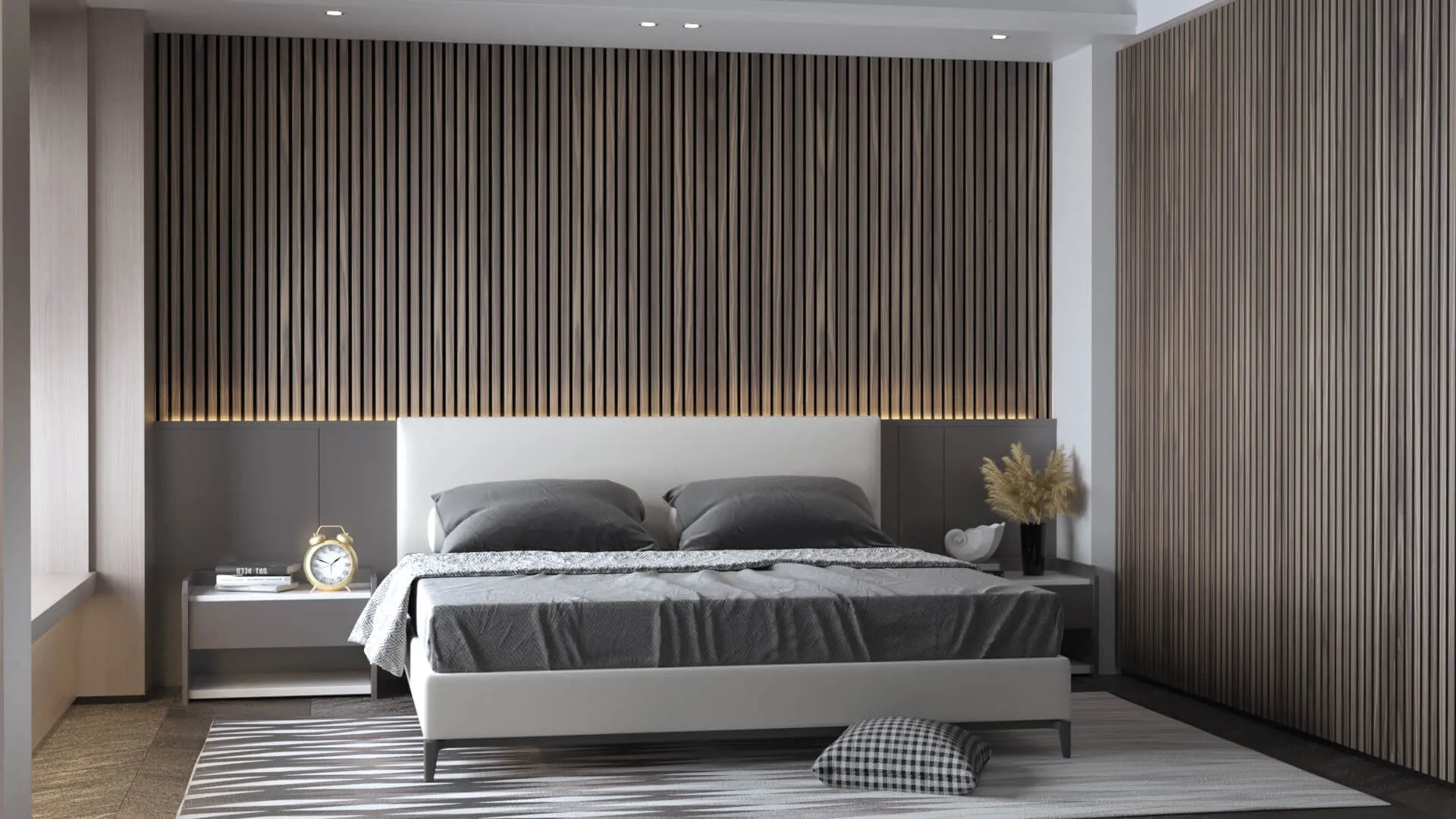
Interior design trends often prioritize speed, cost-effectiveness, and immediate aesthetic appeal, leading many homeowners to consider Polyvinyl Chloride (PVC) wall panels for bedroom renovations. While the allure of a rapid, visually transformative update at a seemingly affordable price point is undeniable, this decision, often made without thorough scrutiny, carries significant and often underestimated long-term health risks, particularly concerning respiratory and neurological well-being. The bedroom, a sanctuary where individuals spend approximately one-third of their lives undergoing cellular recovery and breathing the same ambient air for a minimum of eight hours nightly, demands scrupulous evaluation of interior materials beyond mere financial and temporal metrics. From a medical perspective and through the lens of Indoor Air Quality (IAQ) parameters, encapsulating a sleeping environment with synthetic polymers like PVC is not merely an aesthetic choice but a profound health misstep.
The Appeal and the Deception: Understanding PVC’s Popularity
Polyvinyl Chloride, a widely used synthetic plastic polymer, has found extensive application across various industries due to its versatility, durability, water resistance, and relatively low production cost. In interior design, PVC panels have surged in popularity as a quick-fix solution for covering imperfect walls, offering a sleek, modern finish that can mimic more expensive materials like wood or stone. The "dry-fit" installation process, requiring no messy cement or extensive drying times, appeals to those seeking rapid renovations. This instant gratification, however, often blinds consumers to the underlying material science and its interaction with the delicate ecosystem of a living space.
Conventional building materials such as brick, concrete, or plaster possess inherent permeability, allowing walls to "breathe" and naturally regulate moisture levels within a room. When impermeable PVC sheets are affixed directly over these surfaces, this natural physiological mechanism of the building is effectively stifled. This artificial sealing creates an enclosed environment that can foster a range of detrimental conditions, transforming a supposed haven into a potentially toxic habitat. The seemingly smooth, aesthetic surface of a PVC panel belies a complex interplay of physical and chemical processes occurring beneath and around it, directly impacting the air quality and, consequently, the health of occupants.
Unmasking the Dangers: A Detailed Examination of PVC’s Health Impacts
The decision to install PVC panels in a bedroom is not a neutral one; it initiates a cascade of physical and chemical phenomena that can significantly compromise the indoor environment. A comprehensive understanding of these processes reveals why medical and architectural health experts strongly advise against their use in critical living spaces.
1. Persistent Emission of Carcinogenic Volatile Organic Compounds (VOCs)

One of the primary and most insidious dangers of PVC panels is their continuous emission of Volatile Organic Compounds (VOCs). Both the pure PVC material itself and the industrial adhesives often used for installation (such as polyurethane-based glues) are known sources of these airborne chemicals. VOCs are organic chemicals that have a high vapor pressure at ordinary room temperature, leading to their release into the air through a process known as "outgassing." This outgassing can persist for months or even years after installation, steadily saturating the bedroom air with a cocktail of chemical particles.
Key VOCs associated with PVC include phthalates (plasticizers used to make PVC flexible), vinyl chloride monomer (a known human carcinogen, though levels in finished products are generally low, concerns remain about residual amounts and degradation products), and potentially formaldehyde from certain adhesives or composite backings. The health risks associated with chronic VOC exposure are extensive, ranging from acute symptoms like eye, nose, and throat irritation, headaches, nausea, and dizziness, to severe long-term effects. Prolonged inhalation of these chemical particles is linked to an increased risk of respiratory illnesses, central nervous system damage, and various forms of cancer. The World Health Organization (WHO) and environmental protection agencies worldwide have issued guidelines and warnings regarding acceptable levels of indoor VOCs, underscoring the seriousness of this threat.
2. Creation of a Potent Incubator for Toxic Mold and Fungi
The impermeable nature of PVC panels directly interferes with the natural moisture regulation of conventional walls. Brick, concrete, or plaster walls are designed to absorb and release moisture, allowing them to "breathe." When these surfaces are hermetically sealed by PVC sheets, any trapped moisture from condensation, minor leaks, or ambient humidity has no escape route. This creates a perpetually damp, dark, and stagnant microclimate between the panel and the structural wall—an ideal breeding ground for microscopic organisms, particularly toxic black mold (Stachybotrys chartarum).
The proliferation of Stachybotrys chartarum is profoundly dangerous. This mold produces mycotoxins, potent toxic compounds that can become airborne. Inhalation of these mycotoxins can lead to a wide array of severe health issues, including chronic respiratory problems, severe allergic reactions, asthma attacks, bronchitis, skin rashes, fatigue, headaches, and even neurological symptoms such as memory loss and difficulty concentrating. For individuals with compromised immune systems, the elderly, or young children, exposure to black mold can be life-threatening. The hidden nature of this mold growth—behind the seemingly clean PVC panels—means that occupants may be exposed for extended periods without visible signs, only experiencing unexplained chronic illness.
3. Inducement of Room Asphyxia and Depletion of Natural Oxygen
Installing PVC panels effectively wraps a bedroom in a large, airtight plastic envelope. This action completely halts the natural equilibrium of moisture and air exchange inherent to building structures. The walls, in essence, suffer from "asphyxia" or a "failure to breathe." This lack of natural ventilation and micro-circulation leads to a stagnant indoor environment where the air becomes stale and depleted of natural oxygen.
In a sealed room, metabolic processes of occupants (breathing, perspiration) and off-gassing from materials contribute to rising levels of carbon dioxide and other pollutants, while oxygen levels gradually decrease. This reduction in fresh, circulating air translates directly to a lower quality of oxygen inhaled during sleep. The body, therefore, may not receive the optimal oxygen supply necessary for cellular repair and restorative sleep, contributing to feelings of lethargy, brain fog, and reduced cognitive function upon waking. This artificial confinement disrupts the very atmospheric conditions vital for a healthy sleeping environment.

4. Chronic Air Intoxication Leading to Morning Headaches and Discomfort
A common complaint among individuals sleeping in rooms with poor IAQ is waking up with headaches, a dry throat, or persistent nasal congestion. These symptoms can often be attributed to "air intoxication" caused by the continuous presence of airborne chemicals. The distinctive chemical smell, often described as a "plastic" or "phthalate odor," from PVC materials becomes trapped within the enclosed bedroom space.
Modern bedrooms, frequently equipped with air conditioning (AC) systems, further exacerbate this issue. AC units, while cooling the air, primarily recirculate the existing indoor air rather than introducing fresh outdoor air unless specifically designed with advanced ventilation. This recirculation continuously cycles the chemical contaminants and odors, concentrating them within the room. Paradoxically, the cool temperatures provided by AC can sometimes worsen the perception of these odors and increase the body’s susceptibility to their effects, as cooler air can carry these compounds more efficiently into the respiratory system. The constant exposure to these irritants during the critical sleep phase prevents the body from fully recovering and detoxifying.
5. Disruption of Deep Sleep Cycles and Neurological Stress
Beyond respiratory health, the physical properties of PVC panels can also significantly impact neurological well-being and the quality of sleep. The hard, non-porous surface of polymer PVC is highly reflective of sound waves. Unlike softer, more porous conventional wall finishes that absorb sound, PVC aggressively bounces sound waves back into the room. This creates an auditory phenomenon known as "flutter echo" or excessive reverberation, where sounds (even subtle ones) are prolonged and amplified, creating a sharp, piercing effect.
This reduction in acoustic quality, though often unconsciously perceived, places a constant sensory stress on the brain. Even low-level background noise or echoes can prevent the brain from fully relaxing and transitioning into the crucial "deep sleep" (slow-wave sleep) phase. Deep sleep is essential for physical restoration, memory consolidation, and hormonal regulation. Chronic disruption of deep sleep can lead to a myriad of health problems, including impaired cognitive function, mood disturbances, weakened immune response, and an increased risk of chronic diseases. The quest for visual aesthetics with PVC inadvertently compromises the auditory tranquility indispensable for restorative sleep.
6. Exacerbation of Pre-existing Asthma and Respiratory Allergies
For vulnerable populations, including infants, young children, and individuals with a clinical history of asthma or severe respiratory allergies, PVC panels represent a direct and potent threat. The combination of micro-dust accumulation, mold spores seeping from panel seams, and the continuous emission of chemical gases creates a highly allergenic and irritating environment.

These airborne irritants act as direct triggers for acute asthma attacks or severe allergic respiratory reactions. Children, whose respiratory systems are still developing, are particularly susceptible to the damaging effects of VOCs and mold. Constant exposure can lead to the development of new allergies or the worsening of existing conditions, necessitating increased medication and significantly impacting their quality of life. The bedroom, which should be the safest space for these individuals, becomes a constant source of respiratory distress.
7. Enhanced Chemical Leaching Due to Thermal Radiation and Degradation
Many bedrooms feature windows that expose interior walls to direct sunlight and its associated UV radiation and heat. PVC, being a plastic polymer, exhibits a relatively high coefficient of thermal expansion. This means it expands significantly when heated and contracts when cooled. When PVC panels are repeatedly subjected to extreme temperature fluctuations—such as intense daytime sunlight followed by cooling from an air conditioner—the material undergoes thermal stress.
This repeated expansion and contraction, coupled with UV radiation exposure, accelerates the degradation of the PVC polymer matrix. As the material slowly breaks down over time, it releases a greater quantity of its constituent chemicals, including plasticizers, stabilizers, and potentially other additives, into the ambient air. These released particles further contaminate the indoor air, intensifying the overall toxic load and prolonging the exposure to harmful compounds. The chemical composition of PVC, particularly older formulations, might also include heavy metals like lead as stabilizers, which can also leach out as the material degrades, posing additional health risks.
Medical Conclusion and Architectural Recommendations: Prioritizing Breathable Materials
From a combined medical and architectural health perspective, the consensus is clear: the use of pure PVC panels should be strictly eliminated in primary bedrooms, children’s rooms, and any space where occupants spend extended periods. The cumulative risks to respiratory, neurological, and general health far outweigh any perceived benefits of quick installation or initial cost savings.
Instead, a paradigm shift towards materials that are inherently "breathable" and medically safe is strongly advised. Viable and healthier alternatives include:
- Precision Plastering: Traditional plaster walls, when properly applied, allow for natural moisture exchange and create a stable, healthy indoor environment.
- Certified Zero-VOC Emulsion Paints: Once plaster is dry, applying paints certified as "Zero-VOC" (Volatile Organic Compounds) ensures that no harmful chemicals are introduced into the air. These certifications are typically issued by independent bodies and guarantee minimal or no off-gassing.
- Non-Woven Wallpapers: Unlike vinyl wallpapers which can also off-gas and trap moisture, non-woven wallpapers are made from breathable synthetic or natural fibers. They allow walls to breathe, are easier to remove, and generally contain fewer harmful chemicals.
- Natural Wood Panels (with non-toxic finishes): If the aesthetic of panels is desired, natural wood, sealed with Zero-VOC or natural oil finishes, offers a healthier alternative, contributing to better acoustics and moisture regulation.
- Lime Plasters: An ancient and highly breathable material, lime plaster naturally regulates humidity and inhibits mold growth, creating an exceptionally healthy indoor environment.
While the installation processes for these healthier alternatives may indeed require more time and perhaps a slightly higher initial investment, this is not merely an expense but a critical investment in long-term health and well-being. Choosing breathable, non-toxic materials for bedrooms ensures a living space free from carcinogenic pollutants, maintains healthy oxygen circulation, and fosters the truly restorative and tranquil sleep essential for human flourishing. The ultimate goal of interior design in a bedroom should be to create a sanctuary that nurtures health, not compromises it for fleeting aesthetics or false economy.