Lina Irawan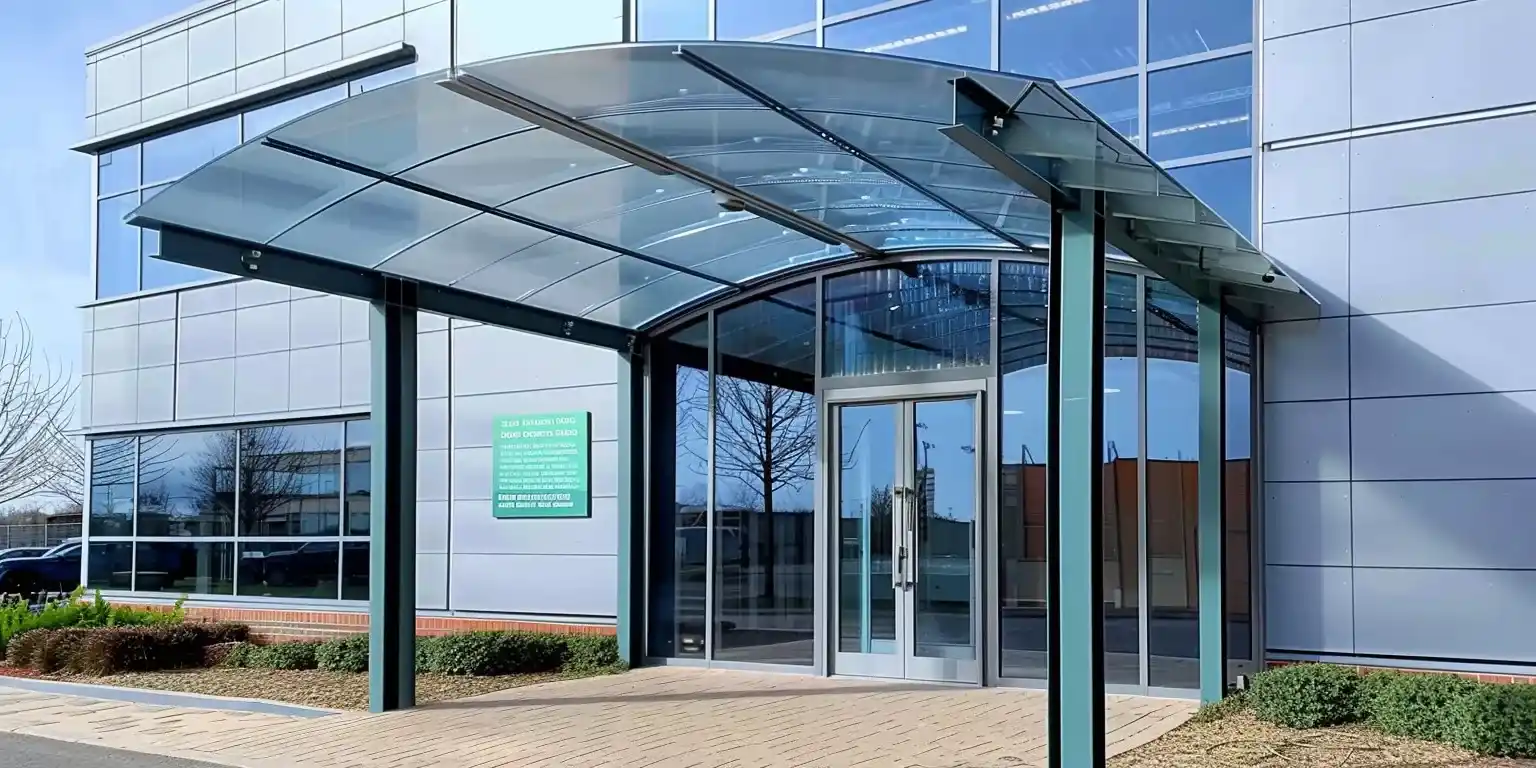
The entrance canopy, or entrance canopy, is often an overlooked architectural element, yet it serves as a critical interface between a home’s exterior and interior, profoundly shaping first impressions and daily convenience. Far from being a mere shelter, a well-designed canopy acts as a permanent umbrella, protecting residents and guests from the elements while they navigate the threshold. It is a pivotal component in achieving a cohesive and functional façade, particularly in minimalist architectural contexts where every element must justify its presence through both aesthetic contribution and practical utility.
In an era where minimalist design principles emphasize clean lines, simplicity, and functionality, the entrance canopy must transcend its basic protective role. It becomes an extension of the façade’s architectural narrative, unifying design lines, adding depth, and providing a seamless, dry transition from the external environment to the internal sanctuary. This article delves into the intricate process of designing minimalist entrance canopies, exploring crucial aspects such as proportional balance, seamless integration with the existing façade, strategic material selection, and innovative tips to maximize its transitional function.
The Foundational Importance of an Entrance Canopy in Modern Design
A thoughtfully conceived canopy entrance possesses the transformative power to alter how individuals perceive and interact with a building. Architectural discourse, as highlighted by platforms like ArchitectureCourses.org, consistently emphasizes that a precisely designed canopy can dictate the approach, entry, and overall experience of a structure. It stands as an initial impression that often precedes and influences the perception of the door itself or even the entire façade.
Beyond its primary function of deflecting sunlight and mitigating rainfall, the canopy acts as a sophisticated bridge, symbolically and practically linking the exterior and interior realms. While terrace or balcony canopies often expand usable outdoor space, the entrance canopy’s singular focus is on providing protection during the crucial moments of entry and exit, unequivocally marking the primary access point.
For minimalist homes, characterized by their pristine and uncluttered façade lines, the design of an entrance canopy is particularly delicate. An oversized or overly ornate canopy can easily disrupt this delicate harmony, undermining the core tenets of minimalism. Consequently, meticulous attention to proportion—specifically width, height, and depth—is paramount to ensure the canopy visually integrates with the building’s scale without overshadowing the entrance itself. The goal is to achieve a subtle yet impactful presence that enhances, rather than detracts from, the overall architectural statement.
Historical Context and Evolution of Entrance Canopies
The concept of an entrance canopy is not new; its roots can be traced back to ancient civilizations where grand porticos and overhangs adorned public buildings and residences, signifying status and providing shelter. From the classical Roman and Greek structures to the intricate carvings of Gothic cathedrals, canopies served both functional and symbolic purposes. In the Victorian era, ornate cast-iron canopies became popular, reflecting the period’s love for elaborate detailing.
The 20th century, particularly with the rise of modernism and later minimalism, saw a significant shift. Architects began to strip away excessive ornamentation, favoring clean forms and materials that celebrated functionality. The entrance canopy evolved from a decorative flourish to an integral, streamlined component. In contemporary minimalist design, the canopy embodies this evolution, distilling its essence to pure form and function, often utilizing advanced materials and construction techniques to achieve a sleek, almost invisible integration. This shift reflects a broader architectural movement towards efficiency, sustainability, and a heightened appreciation for unadorned beauty.
Strategic Design: Achieving Optimal Proportions for Width and Depth
Determining the appropriate width and depth of an entrance canopy is a critical design decision that balances effectiveness with aesthetic appeal. An insufficient projection may fail to adequately protect against rain and sun, while an excessive overhang can obstruct natural light, creating an unwelcome dimness within the interior spaces.

Drawing on established design guidelines, ArchitectureCourses.org suggests that the overhang or projection of a canopy should be broad enough to encompass the area directly beneath it. For windows, a common recommendation is an extension of 24 to 36 inches (approximately 60 to 90 cm) beyond the window’s edge. Applying this principle to an entrance, a robust guideline involves adding approximately 30 to 50 cm to either side of the doorframe. This additional width ensures that driving rain does not impact the doorframe or drench guests awaiting entry.
Regarding depth, a projection of 80 to 100 cm generally provides ample space for an individual to stand comfortably, open the door, or manage an umbrella without exposure. However, this measurement must be carefully reconciled with the existing width of the terrace or entryway and should never impede pedestrian traffic or accessibility.
Consider a practical scenario: a typical 60-square-meter minimalist home in a city like Yogyakarta, known for its frequent tropical downpours. If the main door measures 90 cm, a canopy designed with a total width of approximately 1.5 meters—incorporating an additional 30 cm on each side—would effectively prevent rain from reaching the door’s perimeter. A depth of 90 cm would offer sufficient protection for an adult holding an umbrella. In situations where the front yard or terrace space is constrained, the depth could be marginally reduced to 70 cm, provided it is complemented by a small, integrated gutter system that efficiently directs water away to the sides. Crucially, the roof pitch should be at least 5 degrees to ensure efficient water runoff, preventing pooling and potential structural stress.
Ideal Height and Clearance: Comfort and Aesthetics
The vertical positioning of the canopy significantly impacts both user comfort and visual aesthetics. Given that standard residential doors typically stand around 2.1 meters high, a clearance of 20 to 30 cm between the top of the door and the canopy’s underside is recommended. This allows for unimpeded door operation and maintains a sense of openness.
The overall height of the canopy, measured from ground level, should ideally fall within the range of 2.4 to 2.7 meters. This height facilitates adequate air circulation, mitigating heat buildup beneath the canopy, especially in tropical climates. It also ensures that the entrance feels spacious and inviting rather than cramped. Nevertheless, designers must be mindful that the canopy should not be positioned excessively high, as this could compromise its primary function of providing effective protection against wind-driven rain, a common occurrence in many tropical regions. Balancing these factors ensures that the canopy is both aesthetically pleasing and maximally functional.
Seamless Integration with the Façade: Unifying Lines and Materials
An entrance canopy should never appear as a disconnected appendage; instead, it must harmonize with the rhythm and material palette of the existing façade. The selection of materials should consciously echo those used in windows, doors, or other prominent architectural features.
For instance, if the façade incorporates a combination of crisp white walls and warm wooden window frames, a canopy frame crafted from galvanized steel hollow sections with a dark brown or black powder-coated finish could serve as a sophisticated accent. Conversely, if the façade is adorned with natural stone cladding, a frame of aluminum or lightweight steel in a natural, muted tone would blend seamlessly.
Horizontal and Vertical Dynamics
In minimalist architecture, the horizontal lines of the canopy should align with, or complement, the lines of window frames, door headers, or other significant horizontal elements of the façade. Overly elaborate or curved forms should generally be avoided in favor of flat or subtly inclined profiles, which reinforce a modern, lightweight aesthetic.
If the home features vertical elements, such as decorative columns or structural pillars, integrating the canopy frame into these vertical components can establish a strong visual connection. Concealed brackets or minimalist supports are often preferred to maintain a clean appearance, ensuring the canopy appears to emerge organically from the building’s structure.

Material Selection: Roofing Options – Glass, Polycarbonate, or Metal?
The choice of roofing material is paramount, influencing both the canopy’s visual impact and its functional performance.
- Tempered Glass: This option exudes luxury and transparency. Tempered glass is 3 to 5 times stronger than standard annealed glass and, if fractured, breaks into small, blunt fragments, enhancing safety. Its primary advantage is the unhindered ingress of natural light, ensuring the main entrance remains bright and welcoming. However, glass requires regular cleaning and can contribute to heat gain beneath the canopy. Solutions include applying solar control films or utilizing laminated glass with embedded UV filters, which also offer enhanced security.
- Polycarbonate: A lightweight and cost-effective alternative, polycarbonate is easy to install and offers inherent UV protection. Available in various tints, clear or smoked options are ideal for entrance canopies, allowing light transmission while reducing glare. While more budget-friendly than glass, polycarbonate may not convey the same premium aesthetic. Modern polycarbonate sheets are highly durable and resistant to yellowing, but their long-term scratch resistance might be lower than glass.
- Spandek or uPVC: These materials offer economic advantages and rapid installation. However, their aesthetic tends to be more industrial, making them less suitable for the primary entrance of a minimalist home aiming for an elegant impression. Their application is generally better suited for utility areas or secondary entrances where durability and cost override aesthetic refinement.
Frame Finishing: Durability and Aesthetics
The structural frame of an entrance canopy is typically constructed from galvanized steel hollow sections, stainless steel, or aluminum.
- Galvanized Steel Hollow: This material features a zinc coating that provides excellent corrosion resistance. If ungalvanized mild steel is used, it must be meticulously pre-treated with an anti-corrosion primer and a durable top coat paint system to ensure longevity, especially in humid or coastal environments.
- Stainless Steel: Offering a sleek, lustrous appearance and superior corrosion resistance, stainless steel is an excellent choice for coastal regions but comes at a higher cost. Different grades (e.g., 304, 316) are available depending on environmental exposure.
- Aluminum: Lightweight and inherently rust-resistant, aluminum is highly versatile. It can be finished with anodizing, which creates a durable, corrosion-resistant layer, or powder coating, offering a wide array of color options and enhanced surface protection.
Functional Transition: The Convenience of a Dry Entry and Exit
The entrance canopy’s fundamental role is to establish a dry transition zone. Imagine returning home during a downpour: the canopy allows you to pause, close your umbrella, and unlock your door without being exposed to the rain. This functionality distinguishes it from a patio canopy, which primarily shelters a seating area.
This dry transition zone also plays a vital role in maintaining interior cleanliness. Residents can thoroughly wipe or knock off dirt and water from their shoes before entering, preventing mud and moisture from being tracked inside. This seemingly small detail significantly contributes to the longevity and cleanliness of interior flooring and finishes.
Critical Considerations: Slope and Drainage
Effective water management is paramount. The roof’s slope is crucial to prevent water stagnation. Architectural guidelines generally recommend a minimum slope of 5 degrees to ensure efficient water runoff. For glass or polycarbonate canopies, a shallower pitch of 2 to 3 degrees may suffice due to their smooth, non-absorbent surfaces.
It is imperative that the canopy incorporates a proper drainage system, such as a gutter and downspout, positioned on at least one side to direct water away from the entrance. For a minimalist aesthetic, concealed drainage systems—where gutters are integrated within the frame and connect to a hidden downspout—are highly effective, preserving the clean lines of the design while ensuring practical water diversion.
Optimizing Illumination: Safety, Security, and Ambiance
Given that primary entrances are frequently used during evening hours, integrating lighting into the canopy design is essential. LED strip lighting or recessed downlights can be strategically installed beneath the canopy to illuminate the pathway, enhance visibility for safety, and subtly highlight the door’s texture and architectural details. ArchitectureCourses.org underscores the importance of integrated lighting as a hallmark of modern design, emphasizing its contribution to both aesthetics and functionality.

Careful attention should be paid to concealing wiring for a clean finish. Using lights with a warm color temperature (2,700–3,000 K) can create a welcoming and inviting atmosphere, making the entrance feel more hospitable. Beyond ambiance, well-lit entrances deter potential intruders and enhance overall security. Smart lighting systems, which incorporate motion sensors or can be controlled remotely, further enhance convenience and energy efficiency.
Security and Maintenance Considerations
While not explicitly detailed in the original prompt’s subheadings, integrating security and maintenance aspects is crucial for a comprehensive design.
- Security: A robust canopy can offer a discreet location for security cameras or video doorbells, enhancing home surveillance without cluttering the façade. Its protective overhang also shields these devices from direct weather exposure, prolonging their lifespan.
- Maintenance: Regular cleaning is essential, especially for glass or transparent polycarbonate, to maintain clarity and aesthetic appeal. The structural frame, regardless of material, should be periodically inspected for signs of corrosion, loose fastenings, or wear. For painted steel frames, touch-up painting may be required every few years to preserve the protective coating. Proper drainage maintenance, including clearing gutters of debris, is vital to prevent blockages and water damage.
Integrating the Canopy with Surrounding Elements
The entrance canopy is part of a larger exterior landscape and should be considered in conjunction with other elements such as fencing, front gardens, and pathway lighting to achieve visual unity.
- Fencing and Gates: The material, color, and design language of the canopy can be mirrored in the main gate or fencing, creating a cohesive design narrative from the property boundary to the front door.
- Landscaping: Thoughtful landscaping can frame the entrance and canopy, guiding visitors towards the entry point. Low-maintenance plants that complement the minimalist aesthetic can enhance the overall appeal.
- Pathway Lighting: The lighting integrated into the canopy should coordinate with any pathway or garden lighting, creating a harmonious and well-illuminated approach to the home.
Case Study: Seamless Integration in a Yogyakarta Residence
To illustrate these principles, consider a minimalist home in Yogyakarta where the owner meticulously integrated a lightweight steel gate with a glass canopy at the main entrance. The canopy’s frame was ingeniously connected to the gate structure, creating a visual continuum that made them appear as a single, unified element. Beneath the canopy, neatly recessed LED downlights cast a warm glow, illuminating the entrance path effectively. A concealed drainage system, with a gutter hidden within the canopy frame, efficiently channeled rainwater into a subterranean pipe behind the fence, ensuring that guests remained dry and the immediate area around the door was free from standing water. This holistic approach exemplifies how a canopy can transcend its functional role to become a sophisticated design feature that enhances both aesthetics and user experience.
Broader Impact and Implications
The careful design and installation of an entrance canopy extend beyond immediate functional and aesthetic benefits. It has broader implications for property value, sustainability, and the overall quality of life for residents. A well-designed canopy enhances curb appeal, making a property more attractive and potentially increasing its market value. In terms of sustainability, by providing passive shading, it can reduce the need for air conditioning, contributing to energy efficiency. Material choices, such as recyclable aluminum or glass, further support sustainable building practices. Ultimately, the comfort, safety, and psychological welcome provided by a thoughtfully designed entrance canopy significantly elevate the daily experience of coming home.
Conclusion
The entrance canopy in a minimalist home is far more than a simple architectural addition; it is a critical element that profoundly influences how occupants and guests experience the residence. By meticulously considering proportions (width, depth, and height), selecting appropriate materials that resonate with the façade, and seamlessly integrating the canopy with its surrounding architectural and landscape elements, homeowners can create a permanent shelter that is both highly functional and exquisitely aesthetic.
Ensuring proper roof pitch and an efficient drainage system is paramount to prevent water accumulation and safeguard the longevity of materials. It is essential to remember that the canopy’s purpose transcends mere weather protection; it serves to guide the eye, establish architectural rhythm, and provide a welcoming, dry transition from the external world to the comfort of home. In minimalist design, where every detail matters, the entrance canopy stands as a testament to the power of thoughtful, integrated design.