
 Lina Irawan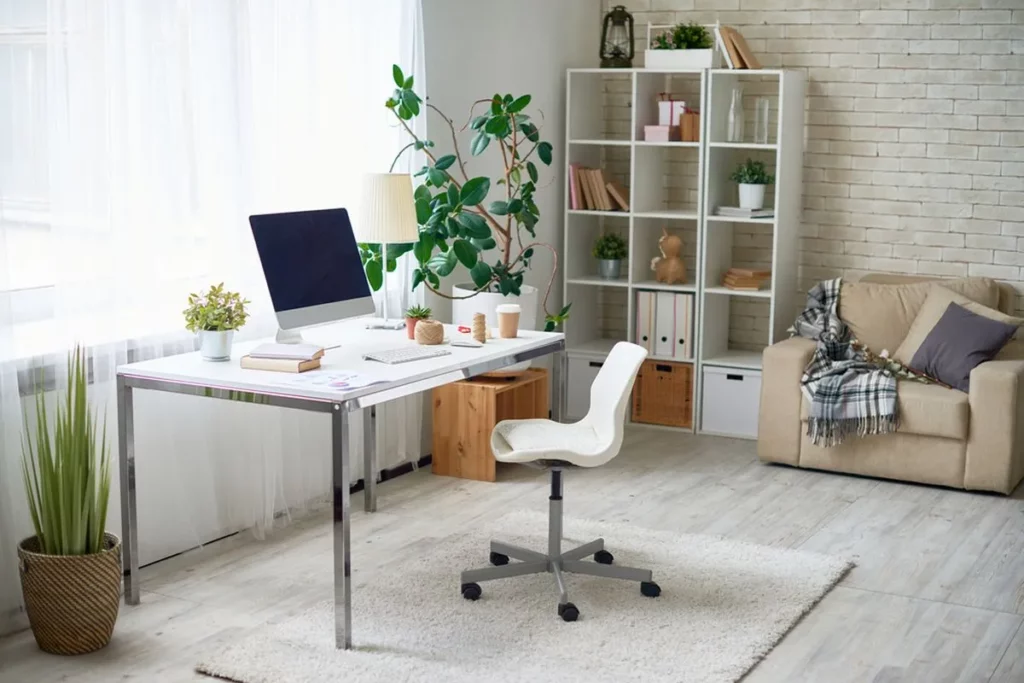
The global pandemic, which profoundly reshaped professional landscapes in the early 2020s, served as an undeniable catalyst, proving that productivity could be maintained, if not enhanced, outside traditional office confines. As 2026 unfolds, this paradigm shift continues to solidify, cementing remote and hybrid work models as integral components of the modern professional experience. This enduring trend has spurred significant innovation in home office design, moving beyond temporary makeshift solutions to sophisticated, purpose-built environments. The primary focus for the current year transcends mere aesthetics, delving deep into the crucial pillars of ergonomics, psychological well-being, sustained productivity, and an intrinsic connection to the natural world. Leading interior design practitioners universally agree that an optimal home workspace must be meticulously crafted, underpinned by ample natural lighting, intelligently designed ergonomic furniture, and a layout that inherently fosters comfort, minimizes distraction, and supports cognitive function. This article explores the cutting-edge design inspirations, strategic arrangement tips, and innovative solutions tailored for diverse spatial constraints, empowering individuals to cultivate a truly productive and nurturing work-from-home experience.
The Post-Pandemic Evolution of Workspaces: A Chronological Shift
Prior to 2020, working from home was largely a niche perk, often associated with specific industries or entrepreneurial ventures. The sudden global health crisis, however, transformed it from a luxury into an urgent necessity for millions worldwide. Initial responses saw dining tables, spare bedrooms, and even living room corners hastily repurposed into temporary workstations. This period, characterized by improvisation and adaptability, inadvertently highlighted the significant challenges of non-ergonomic setups, poor lighting, and blurred boundaries between professional and personal life. As the pandemic receded and businesses embraced more flexible models, the demand for dedicated, well-designed home offices surged. By 2023-2024, the focus shifted from mere functionality to integrating wellness and sophistication. Now, in 2026, the home office is no longer an afterthought but a strategic investment in employee well-being and long-term productivity, reflecting a mature understanding of hybrid work’s permanency. Industry reports, such as those from Gartner and Statista, consistently project that a significant percentage of the global workforce will continue to operate under hybrid or fully remote models well into the decade, solidifying the importance of a well-conceived home office. This evolution underscores a critical realization: the quality of one’s workspace directly impacts mental health, physical comfort, and overall work output.
Prioritizing Ergonomics and Holistic Well-being: The Foundation of Productivity

The pursuit of a comfortable and efficient home office begins with a steadfast commitment to ergonomics, recognizing its profound impact on musculoskeletal health, visual comfort, and sustained concentration. Neglecting ergonomic principles can lead to a host of ailments, including chronic back pain, neck strain, carpal tunnel syndrome, and eye fatigue, ultimately diminishing productivity and overall quality of life. According to occupational health specialists, an ergonomically sound workspace is a preventative measure against long-term health issues.
Key ergonomic principles to integrate include:
- Adjustable Standing Desk: A cornerstone of modern ergonomic design, allowing users to alternate between sitting and standing positions throughout the day. This dynamic approach mitigates the risks associated with prolonged sitting, improves circulation, and can boost energy levels. Experts suggest incorporating a standing desk can reduce back pain by up to 50% for those who experience it regularly.
- Ergonomic Chair: Investing in a high-quality office chair is paramount. It should feature adjustable lumbar support, armrests, seat height, and tilt mechanisms. The chair should allow the user’s feet to be flat on the floor (or a footrest), with knees at a 90-degree angle, and the back supported naturally.
- Monitor Positioning: The top of the monitor should be at or slightly below eye level, approximately an arm’s length away. For dual-monitor setups, both screens should be centrally aligned to avoid excessive neck rotation.
- Keyboard and Mouse Placement: Both should be positioned close to the body, allowing wrists to remain straight and relaxed. Ergonomic keyboards and mice can further reduce strain.
- Adequate Lighting: Beyond natural light, task lighting is crucial. It should illuminate the workspace without causing glare on the screen or direct eye strain.
- Regular Breaks and Movement: Even with the best ergonomic setup, frequent short breaks for stretching and movement are essential to prevent stiffness and mental fatigue. Incorporating mindfulness exercises or short walks can significantly enhance well-being.
Beyond physical comfort, the modern home office also emphasizes psychological well-being. This includes elements that reduce stress, promote relaxation, and foster a sense of control over one’s environment. This holistic approach recognizes that a productive workspace is one that supports both the body and the mind.
Strategic Location and Spatial Optimization: Crafting Zones for Focus
The notion that a dedicated room is necessary for a functional home office has been effectively debunked. In an era of smaller living spaces and urban apartments, creative spatial optimization is key. Interior design experts emphasize that even the most compact homes possess untapped potential for productive workstations. The goal is to define a distinct "work zone" that minimizes distractions and maximizes focus, even if it shares a larger room.

Innovative ideas for integrating a home office into various spaces include:
- Corner Nooks: An often-overlooked corner can be transformed into a highly efficient workstation with a custom-built or carefully selected desk, floating shelves, and strategic lighting. This approach utilizes otherwise dead space effectively.
- Closet Conversions (Cl-office): A spare closet can be revamped into a discreet, functional office. With shelves for storage, a pull-out desk, and integrated lighting, it can be closed off at the end of the workday, providing clear separation between work and home life.
- Alcoves and Recesses: Natural architectural indentations can be fitted with built-in desks and shelving, creating a seamless and integrated workspace that feels purpose-built.
- Under-Stair Spaces: Often underutilized, the area beneath a staircase can house a compact desk, a chair, and vertical storage, transforming an awkward space into a functional office.
- Mezzanines or Lofts: For homes with higher ceilings, a small mezzanine level can offer a truly dedicated and elevated workspace, providing a sense of separation and quietude away from the main living areas. This solution is ideal for those seeking maximum focus.
- Multi-functional Furniture Integration: Utilizing furniture that serves dual purposes, such as a console table that converts into a desk, or a bookshelf with an integrated work surface, allows for flexible use of space without permanent dedication.
- Room Dividers: In open-plan living areas, strategic placement of screens, tall bookshelves, or even large plants can visually and acoustically delineate a work zone from other parts of the home, creating a psychological boundary.
The key to successful spatial integration lies in thoughtful planning and selecting furniture that is proportionate to the space, ensuring it doesn’t overwhelm the room or impede flow.
Inspiring Design Philosophies: Blending Style with Purpose
The aesthetic of a home office plays a significant role in fostering creativity, maintaining motivation, and reflecting personal style. Based on extensive research by design consultancies and trend forecasters, several distinct styles are dominating home office design in 2026, often chosen for their inherent ability to support specific work types and personality traits.
- Biophilic & Nature-Inspired: This style is more than just adding plants; it’s about integrating natural elements to reduce stress and improve cognitive function. Characterized by raw wood finishes, stone accents, ample natural light, and a proliferation of indoor plants, it creates a calming and restorative environment. Large windows offer views of greenery, while natural textures like wool and linen contribute to a serene atmosphere. Aromatherapy diffusers with essential oils like cedarwood or eucalyptus further enhance the connection to nature, promoting focus and relaxation. Environmental psychologists affirm that biophilic design can increase productivity by 8% and well-being by 13%.
- Modern Minimalist: Emphasizing clean lines, uncluttered surfaces, and a neutral color palette, this style promotes focus by eliminating visual distractions. Sleek desks with metallic legs, integrated storage, and unobtrusive LED lighting create an environment of calm efficiency. The philosophy here is "less is more," allowing the mind to concentrate on tasks without sensory overload. This approach is particularly favored by those in tech or analytical fields.
- Artistic & Expressive: Ideal for creatives, designers, and innovators, this style encourages imagination and self-expression. Walls might feature inspiring artwork, motivational posters, or vibrant murals. Furniture can incorporate bold colors or unique forms. Open shelving displays tools of the trade, from art supplies to conceptual models. While visually stimulating, ergonomic considerations remain paramount to ensure comfort during long creative sessions.
- Classic & Elegant: Evoking timeless sophistication, this style features rich, dark wood furniture, leather chairs, and traditional accents. A solid wood desk, perhaps with intricate detailing, paired with a comfortable leather armchair, sets a tone of gravitas. Soft fabric lampshades, curated antique pieces, and a Persian rug add warmth and luxury. This style often doubles as a personal library or a distinguished space for formal virtual meetings.
- Multifunctional & Adaptive: Tailored for compact living, this approach prioritizes flexibility. Foldable desks, modular storage units, and convertible seating (e.g., a sofa bed or an ottoman with storage) are central. The goal is to seamlessly transition the space between work and other domestic activities. Vertical storage solutions, like wall-mounted cabinets and pegboards, are essential for maximizing utility without consuming floor space.
- Industrial Chic: Drawing inspiration from factory and warehouse aesthetics, this style features exposed brick or concrete walls, metal accents, raw wood, and utilitarian lighting fixtures. A sturdy metal-framed desk, open shelving with visible pipes, and an industrial-style pendant lamp define the look. To soften the edge and ensure comfort, designers often incorporate warm lighting, lush plants, and ergonomic seating.
- Resort & Relaxation: Inspired by high-end spas and luxury retreats, this style transforms the home office into a sanctuary of calm. Pastel color palettes, plush ergonomic seating, soft lighting, and luxurious textiles (e.g., faux fur rugs, velvet cushions) create an inviting ambiance. Aromatherapy, ambient soundscapes, and personal wellness tools are integrated. A vision board or a whiteboard can be subtly incorporated for goal setting, making the space conducive to both focused work and mental rejuvenation.
The Crucial Role of Lighting and Color in Enhancing Productivity

Scientific studies consistently demonstrate the profound impact of lighting and color on human psychology, mood, and cognitive performance. In a home office, strategic application of these elements is not merely aesthetic but foundational to productivity and well-being.
- Natural Lighting: Maximizing natural light is paramount. Position the desk near a window, ideally with the monitor perpendicular to the window to avoid glare and shadows. Sheer curtains or adjustable blinds are essential to filter harsh sunlight, preventing overheating and maintaining comfortable light levels without sacrificing brightness. Abundant natural light helps regulate circadian rhythms, improves mood, and reduces eye strain. For spaces lacking direct window access, strategically placed mirrors can reflect and amplify available light.
- Layered Artificial Lighting: A well-designed home office incorporates three types of artificial lighting:
- Ambient Lighting: Provides overall illumination for the room. This could be ceiling fixtures, recessed lighting, or track lighting. It should be bright enough to prevent shadows but not overly harsh.
- Task Lighting: Directly illuminates the work surface. A high-quality desk lamp is indispensable, offering focused light for reading, writing, or detailed tasks, reducing eye fatigue. It should be adjustable and positioned to avoid glare on screens.
- Accent Lighting: Used to highlight architectural features, artwork, or plants, adding depth and visual interest to the space.
- Smart Lighting Systems: Integrated smart lighting allows for dynamic control over brightness and color temperature. Tunable white lights can mimic natural daylight cycles, shifting from cool, energizing white in the morning to warmer, softer tones in the evening, supporting healthy sleep patterns for those working late.
- Color Psychology: The choice of wall color and accents significantly influences the mood of the workspace:
- Cool Tones (Blues, Greens): Often associated with tranquility, focus, and stability. Light blue or soft green walls can create a calm environment conducive to analytical work.
- Warm Accents (Yellows, Oranges): Can stimulate creativity, energy, and optimism. Used sparingly as accent colors, they can inject vibrancy without being overwhelming.
- Neutrals (Whites, Greys, Beiges): Create a sense of spaciousness, cleanliness, and sophistication. They provide a versatile backdrop that can be easily personalized with accessories.
- Biophilic Colors: Incorporating earthy tones, browns, and natural greens further reinforces the connection to nature, promoting a sense of groundedness and calm.
Intelligent Storage and Multifunctional Furnishings: Maximizing Every Square Inch
Effective organization is a cornerstone of a productive home office. Clutter can be a significant source of distraction and stress. Modern design emphasizes smart storage solutions that are both aesthetically pleasing and highly functional, particularly crucial in smaller spaces.
- Vertical Storage: Maximizing vertical space is key. Built-in shelving units, floating shelves, and tall bookcases draw the eye upwards, creating an illusion of space while providing ample storage. Pegboards are excellent for organizing smaller items, tools, and office supplies, keeping them within reach but off the desk surface.
- Integrated Storage: Desks with built-in drawers, cabinets, or cubbies offer discreet storage for documents, stationery, and personal items, maintaining a clean and minimalist look.
- Cable Management: Untidy cables are a notorious source of visual clutter and can pose tripping hazards. Solutions include cable management boxes, ties, sleeves, and desks with integrated cable trays to keep wires neatly organized and out of sight.
- Digital Organization: Beyond physical storage, a commitment to digital organization (cloud storage, paperless workflows) reduces the need for extensive physical filing, contributing to a cleaner workspace.
- Lockable Storage: For homes with children or for safeguarding sensitive documents, lockable drawers or cabinets are an essential feature, providing security and peace of mind.
- Multifunctional Furniture: The versatility of furniture is increasingly valued. A sofa bed can serve as a comfortable reading nook during the day and an impromptu guest bed. Ottomans with hidden storage, chairs with integrated compartments, and modular shelving units that can be reconfigured are prime examples of maximizing utility in limited footprints. When selecting multifunctional pieces, ensure they are easy to operate, durable, and blend seamlessly with the overall decor.
Practical Strategies for Sustained Productivity in the Home Environment
Beyond physical design, certain practices are crucial for maintaining focus and separating work from personal life when working from home. These behavioral strategies complement the physical design, creating a holistic approach to productivity.

- Establish a Routine: Begin and end your workday at consistent times. This helps structure your day and signals to your brain when it’s time to work and when it’s time to unwind.
- Dress for Work: Changing out of loungewear into more formal attire (even if casual) can mentally prepare you for the workday, signaling a shift in mindset.
- Minimize Distractions: Implement strategies to reduce interruptions from family, pets, or household chores. Noise-canceling headphones, a "do not disturb" sign, or scheduling focused work blocks can be highly effective.
- Take Regular Breaks: Adhere to the Pomodoro Technique or similar time management methods that encourage short, frequent breaks. Step away from your desk, stretch, or engage in a brief non-work-related activity.
- Set Clear Boundaries: Communicate your work hours to family members. When the workday concludes, physically or mentally "close" your office (e.g., closing a closet door, turning off the computer, or even just leaving the specific work area).
- Stay Connected: Actively seek out opportunities for virtual social interaction with colleagues to combat feelings of isolation.
- Invest in Connectivity: Ensure a stable and fast internet connection, as well as reliable communication tools, to facilitate seamless remote collaboration.
- Prioritize Self-Care: Integrate exercise, healthy eating, and sufficient sleep into your routine. A well-rested and physically active individual is more productive and resilient.
Broader Implications and The Future of Home Workspaces
The enduring shift towards hybrid and remote work models carries significant implications beyond individual home offices. Real estate markets are increasingly seeing demand for homes with dedicated office spaces or flexible layouts that can easily accommodate them. Developers are responding by designing new properties with integrated "flex rooms" or built-in office nooks. The focus on sustainable design is also growing, with an emphasis on using recycled materials, energy-efficient lighting, and locally sourced furnishings in home office setups.
However, challenges remain. The blurring lines between work and personal life can lead to burnout and digital fatigue. Thoughtful design, coupled with intentional work habits, can help mitigate these risks. For instance, creating a space that encourages movement (like a standing desk) or offers a visual break (like a view of nature) can counter the sedentary nature of desk work. The home office of 2026 is not just a place to perform tasks; it is a holistic environment designed to support sustained well-being, creativity, and career longevity.
Conclusion
The design of the home office in 2026 represents a sophisticated evolution, moving past makeshift arrangements to thoughtfully crafted environments that fuse cutting-edge ergonomics, psychological comfort, and personal expression. The fundamental principles remain a harmonious blend of natural lighting, robust ergonomic support, and a distinct personal touch. Whether one gravitates towards the serene efficiency of minimalist design, the vibrant energy of an artistic space, or the restorative tranquility of a biophilic retreat, the overarching message is clear: the most effective productivity stems from a foundation of comfort and well-being. By meticulously integrating these design philosophies and practical strategies, the home office transforms from a mere workspace into a cherished sanctuary, empowering individuals to innovate, create, and thrive in the dynamic landscape of modern work. Investing in a well-designed home office is not merely an expenditure; it is an investment in one’s health, happiness, and professional success.








