Tyo Susilo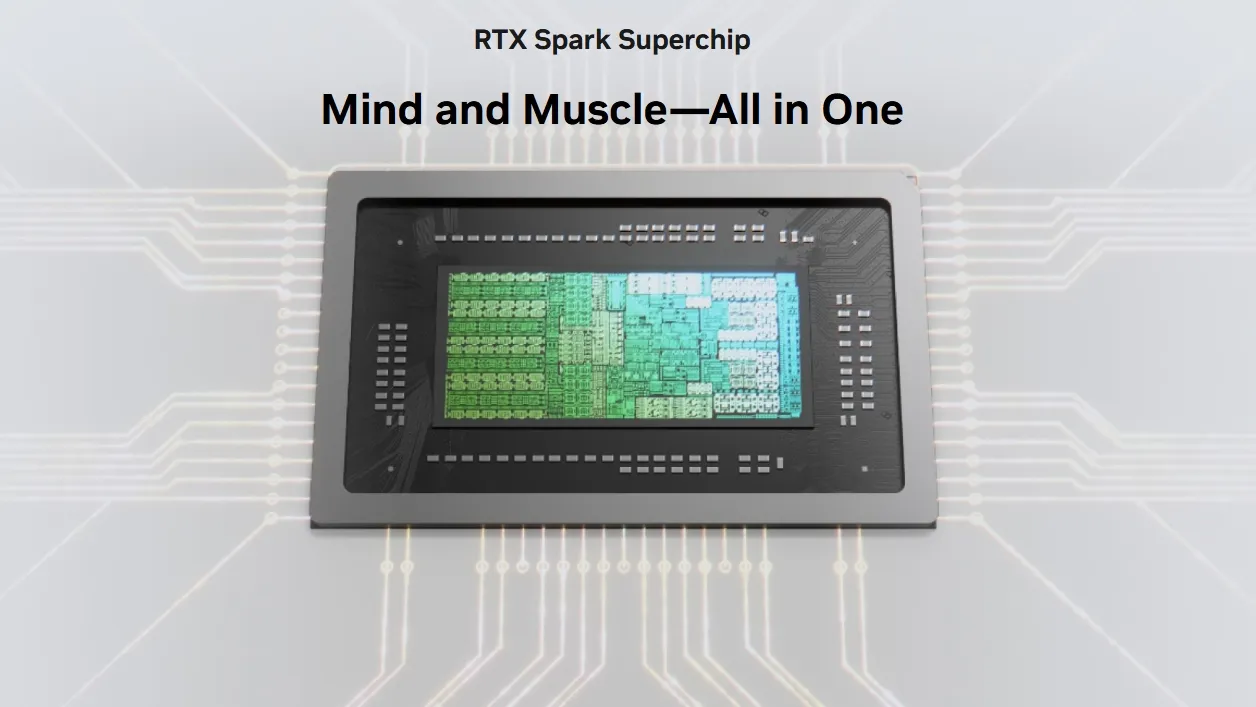
The landscape of personal computing is undergoing a significant transformation, with a growing emphasis on energy efficiency and advanced artificial intelligence capabilities. Central to this evolution is the shift towards ARM-based processors in personal computers, promising enhanced battery life and powerful AI acceleration. However, a persistent challenge has been the seamless integration and performance of legacy applications, primarily designed for x86 architecture. In a concerted effort to bridge this gap, Microsoft and NVIDIA have unveiled a new strategic initiative leveraging artificial intelligence to significantly improve the user experience for x86 applications running on Windows on Arm devices. This development is particularly crucial with the impending arrival of new-generation ARM-based hardware, such as NVIDIA’s RTX Spark and Qualcomm’s Snapdragon X processors, aiming to ensure a smooth transition for users and developers alike.
The Evolving Windows on Arm Ecosystem
For years, the dominance of x86 architecture in personal computing has meant that the vast majority of software applications were developed and optimized for Intel and AMD processors. Windows, as the preeminent desktop operating system, has historically been tied to this architecture. However, the increasing demand for mobile computing, extended battery life, and the integration of on-device AI processing has propelled ARM processors into the mainstream PC market. Companies like Qualcomm have been instrumental in this transition, with their Snapdragon processors becoming increasingly powerful and efficient.
Windows on Arm, Microsoft’s adaptation of its flagship operating system for ARM architecture, has been a work in progress. While native ARM applications have seen significant growth and now account for the majority of usage time on these devices, a substantial library of essential x86 applications and games remains. Historically, running these x86 applications on ARM has relied on emulation technologies, such as Microsoft’s Prism emulation layer. While Prism has shown considerable improvement, it is not without its limitations, sometimes resulting in performance degradation or compatibility issues for more complex or resource-intensive software.
NVIDIA’s RTX Spark and the Promise of On-Device AI
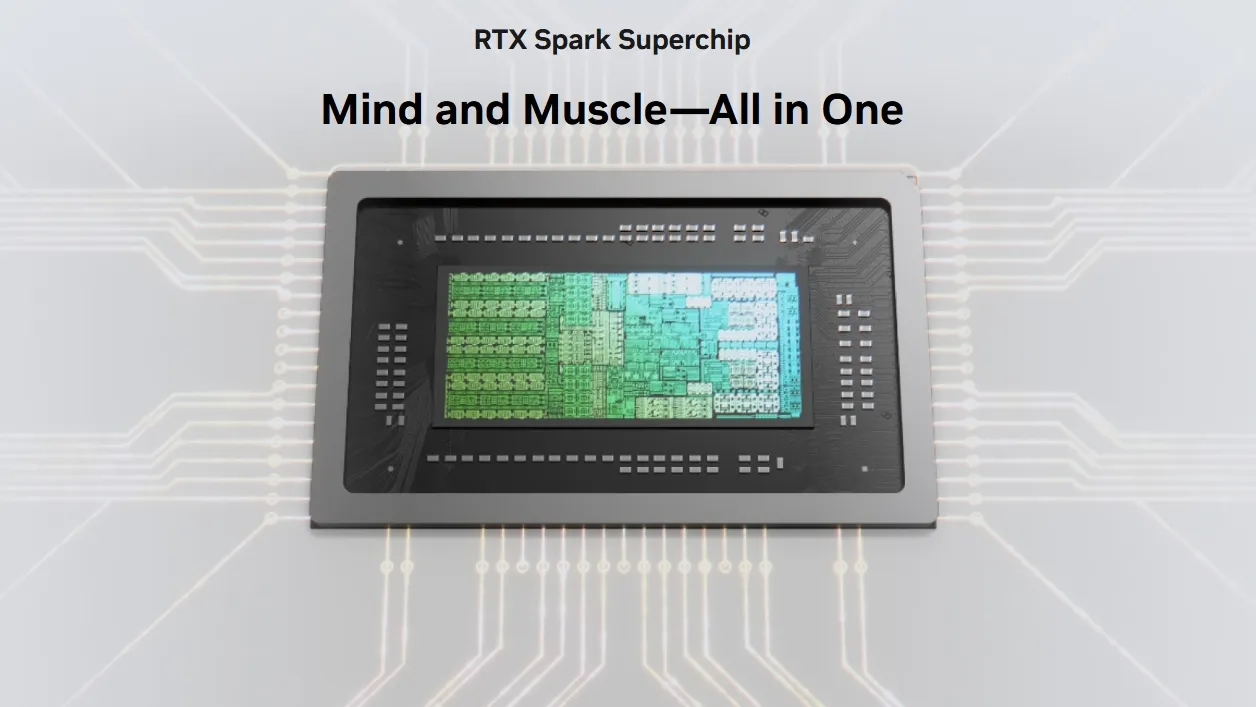
At the highly anticipated COMPUTEX 2026 trade show, NVIDIA unveiled its groundbreaking RTX Spark Superchip. This innovative silicon represents a compact iteration of NVIDIA’s powerful Grace Blackwell platform, specifically engineered for integration into laptops and mini PCs. The RTX Spark is designed to deliver exceptional AI performance, with claims of reaching up to 1 Petaflop of processing power, while simultaneously offering superior energy efficiency compared to conventional PC platforms. This combination of raw AI horsepower and optimized power consumption is a critical enabler for the next generation of Windows on Arm devices, allowing for sophisticated AI tasks to be performed locally without draining battery life or requiring constant connection to the cloud.
NVIDIA’s strategic focus on AI acceleration is not new. The company has long been a leader in GPU technology, and its advancements in AI and machine learning have driven innovation across various sectors. The RTX Spark signifies a commitment to bringing these advanced AI capabilities directly to the consumer PC market, particularly within the burgeoning ARM ecosystem. By integrating such powerful AI hardware into mobile and compact form factors, NVIDIA is positioning itself to capitalize on the growing demand for AI-powered experiences, from enhanced productivity tools to immersive gaming.
Microsoft’s Agentic AI: A New Paradigm for Application Optimization
Complementing NVIDIA’s hardware advancements, Microsoft has been actively developing software solutions to optimize the Windows on Arm experience. At its Build 2026 developer conference, Microsoft showcased its vision for "agentic AI." This cutting-edge technology is being developed with the explicit purpose of assisting in the translation, optimization, and validation of x86 applications to run more effectively on ARM-based systems. The core idea behind agentic AI is to create intelligent agents that can understand the nuances of both x86 and ARM architectures, as well as the specific requirements of individual applications.
This AI-driven approach aims to streamline and accelerate the often complex and time-consuming process of application porting and optimization. Traditionally, ensuring an x86 application runs smoothly on a different architecture would involve significant manual effort from developers, including recompiling code, rewriting specific sections, and extensive testing. Microsoft’s agentic AI promises to automate many of these tasks, reducing the burden on developers and potentially enabling a faster release of optimized x86 applications for Windows on Arm.
Bridging the Compatibility Gap with AI
The statistics provided by Microsoft underscore the importance of this initiative. Currently, approximately 90% of usage time on Windows on Arm devices is dedicated to native ARM applications. This indicates a positive trend in the adoption and development of ARM-native software. However, the remaining 10% of usage time is still significant and often represents critical productivity tools, specialized software, or popular gaming titles that have not yet been fully transitioned to native ARM. These are precisely the applications that may encounter performance bottlenecks or compatibility issues when run through emulation.
The AI-powered solutions from Microsoft and NVIDIA aim to address this remaining compatibility gap. By intelligently analyzing the behavior of x86 applications during runtime, AI can dynamically adjust emulation parameters, predict and mitigate potential performance issues, and even suggest or implement minor optimizations. This dynamic approach offers a more adaptive and robust solution than static emulation, potentially delivering a near-native experience for many x86 applications.
Limitations and the Path Forward
Despite the promising advancements, it is important to acknowledge the current limitations. Microsoft has indicated that highly complex applications with stringent security measures, such as certain enterprise software or modern games employing aggressive anti-cheat mechanisms, will still require direct developer intervention. These applications often rely on low-level hardware access or specific architectural features that AI-driven emulation may not be able to fully replicate or circumvent without direct developer input.
The involvement of developers remains crucial for these edge cases. The new AI tools from Microsoft are intended to augment, rather than entirely replace, the efforts of software engineers. By providing developers with intelligent assistance and automating repetitive tasks, the AI can free up their time to focus on the more intricate aspects of optimization and ensuring robust compatibility for their applications.
The gradual maturation of the Windows on Arm ecosystem is evident. The strategic partnership between Microsoft and NVIDIA, combined with the ongoing innovation in ARM processor design by companies like Qualcomm, signals a strong commitment to this evolving computing paradigm. The integration of AI into the compatibility layer is a significant step towards making Windows on Arm a truly viable and compelling alternative to traditional x86-based PCs for a wider range of users and use cases.
Broader Implications for the Computing Industry
The implications of this AI-driven approach to x86 application compatibility on ARM are far-reaching.
For Consumers:
- Enhanced Choice and Flexibility: Users will have greater confidence in purchasing Windows on Arm devices, knowing that their existing essential software and games are more likely to function smoothly. This reduces the friction associated with adopting new hardware architectures.
- Improved Performance and Battery Life: By enabling more applications to run efficiently on ARM, users can benefit from the inherent power savings and performance advantages of the architecture without sacrificing access to their preferred software.
- Ubiquitous AI Experiences: The integration of AI capabilities, powered by chips like the RTX Spark, will lead to a proliferation of AI-enhanced features across the operating system and applications, from smarter productivity tools to more responsive and intelligent gaming experiences.
For Developers:
- Reduced Porting Burden: Agentic AI tools can significantly lower the barrier to entry for bringing x86 applications to the ARM platform, encouraging more developers to support Windows on Arm.
- Faster Time to Market: Streamlined optimization processes mean that developers can release ARM-compatible versions of their software more quickly, capturing a growing market segment.
- Focus on Innovation: By automating routine tasks, developers can dedicate more resources to innovating and enhancing their applications with unique ARM-specific features.
For the Industry:
- Accelerated Transition to ARM: The success of this initiative could significantly accelerate the broader industry’s transition towards ARM-based computing, driven by the compelling combination of efficiency, performance, and software compatibility.
- New Hardware Possibilities: The power and efficiency of ARM processors, coupled with advanced AI capabilities, will enable the creation of entirely new categories of devices and computing experiences.
- Increased Competition: A more robust Windows on Arm ecosystem could introduce greater competition into the PC market, potentially leading to more diverse hardware options and competitive pricing.
Looking Ahead: The Timeline for ARM Dominance
The question of how long it will take for Windows on Arm applications to achieve the same level of ubiquity as x86 applications is a subject of ongoing discussion. While the current strategy is a significant leap forward, widespread adoption is a gradual process. Factors such as developer momentum, continued hardware innovation, and sustained user demand will all play a role.
Historically, major architectural shifts in computing have taken years, if not decades, to fully materialize. However, the pace of technological advancement, particularly in AI and semiconductor technology, has accelerated dramatically. If Microsoft and its hardware partners can continue to deliver compelling user experiences and developers embrace the tools and platforms available, it is plausible that Windows on Arm could achieve near parity with x86 in terms of application breadth within the next five to ten years. The current strategic focus on AI-driven compatibility is a critical step in shortening this transition period and ensuring that the future of personal computing is both powerful and accessible. The collaboration between giants like Microsoft and NVIDIA underscores the industry’s collective commitment to this vision, signaling a future where high performance, energy efficiency, and intelligent computing are seamlessly integrated into every device.