Chalifah Fatihah
A 21-year-old Brazilian woman has died after a fatal rope jumping incident from a bridge in the state of Sao Paulo, igniting a fresh debate about safety protocols in extreme sports. The incident, which occurred on Saturday, June 13, 2026, has led to the arrest of three men, who are now facing homicide charges. Local authorities are conducting a thorough investigation into the circumstances surrounding the tragedy, which unfolded at the Skeleton Bridge in a rural area of Sao Paulo.
The victim, identified by local media as Maria Eduarda Rodrigues de Freitas, plummeted approximately 40 meters (131 feet) after what appears to have been a catastrophic failure in safety equipment. Disturbing video footage circulating online shows two men lifting the young woman above their heads before launching her from the bridge. Witnesses, alerted to the absence of a secured safety harness, can be heard shouting in panic, "Guys, the rope!"
The official police statement confirmed that "safety equipment was not properly attached at the time of the jump. The victim did not survive the fall." The three men arrested have been charged with homicide with dolus eventualis, a legal concept in Brazil indicating that they were aware of the risk of death but proceeded with their actions regardless.
Chronology of a Catastrophe
The events leading up to Maria Eduarda’s fatal jump are still being pieced together, but the available information paints a grim picture of negligence.
- Saturday, June 13, 2026: The rope jumping incident occurs at Skeleton Bridge in the interior of Sao Paulo state. Maria Eduarda Rodrigues de Freitas, 21, is launched from the bridge without proper safety tethers.
- Immediate Aftermath: Witnesses raise alarms about the missing safety equipment. Tragically, Maria Eduarda succumbs to her injuries at the scene.
- Sunday, June 14, 2026: Local police confirm the fatality and announce the arrest of three men in connection with the incident. An investigation is launched.
- Monday, June 15, 2026: News of the tragedy breaks, with reports highlighting the alleged negligence and the subsequent charges filed against the arrested individuals.
In the hours preceding the accident, Maria Eduarda herself seemed to capture the thrill and perhaps a hint of apprehension about her chosen activity. She posted a photo of the bridge location on her Instagram account with the caption, "Who is the crazy person who allowed me to come jump from this bridge???" This poignant post now serves as a somber reminder of her final moments.
Rope Jumping: A Thrill Seeking Sport with Inherent Dangers
Rope jumping, while often confused with bungee jumping, is a distinct extreme sport that involves a controlled descent using a rope, typically less elastic than a bungee cord. This results in a swinging motion rather than the characteristic bounce of bungee jumping. The appeal lies in the adrenaline rush of a freefall followed by a pendulum-like swing, offering a unique sensory experience.
The bridge where the incident occurred, known as Skeleton Bridge, has apparently been a site for similar extreme sports activities. Media reports suggest that a company named Entre Cordas has previously organized such events there. Videos from past activities by Entre Cordas, as per local media, show participants wearing robust safety harnesses before their jumps. This contrast between previous documented safety measures and the apparent lapse in the fatal incident raises critical questions about operational standards and adherence to protocol.
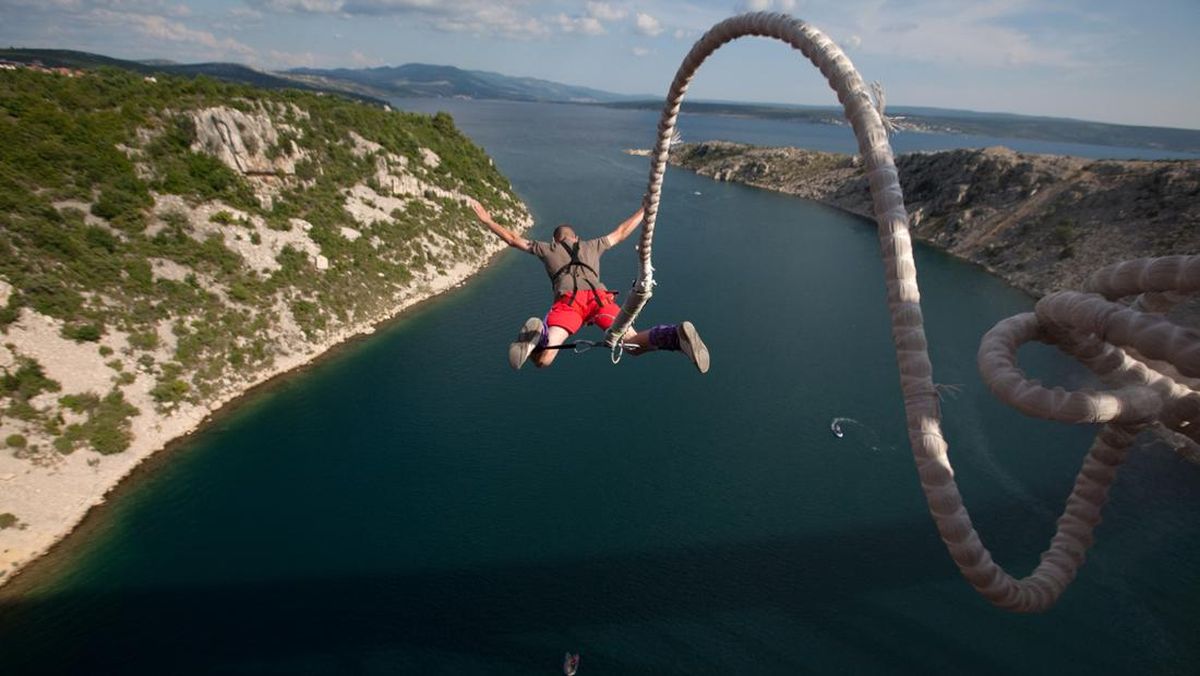
The inherent risks of extreme sports are well-documented. The pioneer of rope jumping, American Dan Osman, tragically died in 1998 while performing the very sport he helped popularize. He was 35 years old at the time of his death, a stark reminder that even seasoned professionals can fall victim to the unforgiving nature of these activities.
Legal Ramifications and the Pursuit of Justice
The charges of "homicide with dolus eventualis" against the three arrested men underscore the gravity with which Brazilian authorities are treating this case. This legal classification implies a conscious awareness of the substantial risk of death associated with their actions, coupled with a decision to proceed despite that knowledge.
The police have emphasized that the investigation is ongoing, aiming to meticulously uncover all details and ascertain full accountability. The prosecution will likely scrutinize the exact nature of the safety equipment, the procedures followed (or not followed), and the roles played by each individual involved in the organization and execution of the jump.
Broader Implications for Extreme Sports Safety
The tragic death of Maria Eduarda Rodrigues de Freitas sends a chilling message to the burgeoning extreme sports industry. While these activities offer unparalleled excitement and challenge, they necessitate an unwavering commitment to safety. This incident is likely to trigger a review of safety regulations and enforcement mechanisms across Brazil and potentially globally.
Key areas that will likely come under scrutiny include:
- Operator Licensing and Certification: Are the companies and individuals offering these services adequately licensed and certified? What are the minimum safety standards required for such operations?
- Equipment Maintenance and Inspection: How frequently is safety equipment inspected and maintained? What are the protocols for decommissioning faulty gear?
- Training and Supervision: Are the individuals responsible for supervising these activities adequately trained and experienced? What is the ratio of supervisors to participants?
- Emergency Response Protocols: What plans are in place for medical emergencies or accidents?
The public perception of extreme sports could also be impacted. While many enthusiasts embrace the inherent risks, a high-profile fatality due to alleged negligence can erode public trust and lead to increased calls for stricter oversight. The financial and reputational consequences for operators who fail to prioritize safety could be severe.
Furthermore, the case highlights the importance of social media in disseminating information, both positive and negative, about extreme sports. While Maria Eduarda’s final Instagram post might have been an expression of bravado or excitement, it now serves as a tragic timestamp. The viral nature of the video footage also brings the harsh realities of such accidents into the public eye, forcing a confrontation with the potential consequences of unchecked thrill-seeking.
The legal proceedings that follow will be crucial in establishing a precedent for accountability in similar future incidents. The outcome of this investigation will not only determine the fate of the three men arrested but will also send a clear message about the responsibility that comes with facilitating high-risk activities. The pursuit of justice for Maria Eduarda Rodrigues de Freitas is now intertwined with the broader imperative to ensure that the pursuit of adrenaline does not come at the cost of human life due to preventable errors. The world of extreme sports is one that thrives on pushing boundaries, but it must do so within a framework that rigorously upholds the sanctity of life.