Chalifah Fatihah
The seemingly mundane act of dimming cabin lights on an aircraft, often associated with passenger comfort for sleep during overnight flights, serves a far more critical purpose during the most dynamic phases of flight: takeoff and landing. This practice, particularly noticeable during evening or night departures and arrivals, is rooted in a fundamental principle of aviation safety, aimed at optimizing the crew’s and passengers’ ability to react effectively in the event of an emergency.
The Criticality of Takeoff and Landing
Takeoff and landing are statistically the most dangerous phases of any flight. Data consistently shows a higher concentration of aviation accidents occurring during these periods. According to the Aviation Safety Network, between 2000 and 2019, approximately 50% of fatal accidents happened during takeoff or landing. This heightened risk is attributed to a confluence of factors, including proximity to the ground, lower altitudes where aircraft have less energy to maneuver, and the complex interplay of pilot input, aircraft performance, and environmental conditions. During these phases, aircraft are operating at lower speeds and altitudes, leaving less margin for error. The transition from ground operations to airborne flight, and vice versa, involves significant changes in aircraft configuration, engine power, and pilot workload, all of which contribute to the inherent risks.
The Science Behind Dimming Cabin Lights
The dimming of cabin lights is not merely an aesthetic choice; it is a deliberate measure to enhance human vision’s adaptation to low-light conditions. This phenomenon is rooted in the physiological response of the human eye. When exposed to bright light, the pupils constrict, and the photoreceptor cells (rods and cones) in the retina adjust to perceive detail in well-lit environments. Conversely, in darkness, the pupils dilate, and the rods, which are more sensitive to light and responsible for peripheral vision, become more active. This adaptation process, known as dark adaptation, takes time.
As explained by Anubha Jaiswal, a senior flight attendant at IndiGo, in her remarks to Conde Nast Traveller, "This is the most critical phase of a flight, and if there is a need for evacuation, your eyes need to be adjusted to the outside lighting conditions, especially if it is dark outside." The time it takes for eyes to adjust can range from a few seconds to several minutes, depending on individual physiology and the intensity of the light change. In an emergency situation, where every second counts, this adaptation period can significantly impact response times. By dimming the cabin lights, the eyes begin to adjust to a lower light level before an emergency occurs. This proactive measure ensures that when passengers and crew look towards emergency exits or illuminated pathways, their vision is already partially adapted, allowing for quicker recognition and navigation.
Enhancing Emergency Preparedness and Evacuation
The primary objective of dimming cabin lights during takeoff and landing is to facilitate a rapid and safe evacuation if an emergency arises. In the event of an aborted takeoff, runway excursion, or a crash landing, immediate egress from the aircraft is paramount. Emergency exit signs, illuminated floor paths, and the visibility of the aircraft’s exterior are crucial for guiding passengers to safety. If the cabin lights remain bright, the stark contrast with the potentially dark exterior environment would prolong the time it takes for eyes to adjust, hindering the ability to locate exits and follow escape routes.
Furthermore, dimming the cabin lights also aids the crew in assessing the situation outside the aircraft. Flight attendants are trained to observe the environment during critical phases of flight. Reduced cabin illumination allows them to more effectively scan the exterior for hazards, assess the surrounding conditions on the ground, and make informed decisions regarding the evacuation process. This includes identifying potential dangers such as fire, debris, or unstable terrain, which could influence the optimal exit strategy.
Regulatory Mandates and Industry Standards
The practice of dimming cabin lights during critical flight phases is not merely a voluntary airline procedure; it is often mandated by aviation regulatory bodies. The Federal Aviation Administration (FAA) in the United States and the European Union Aviation Safety Agency (EASA) are among the authorities that have regulations or recommendations concerning cabin lighting during takeoff and landing, particularly for night flights. These regulations underscore the recognized importance of this safety measure.
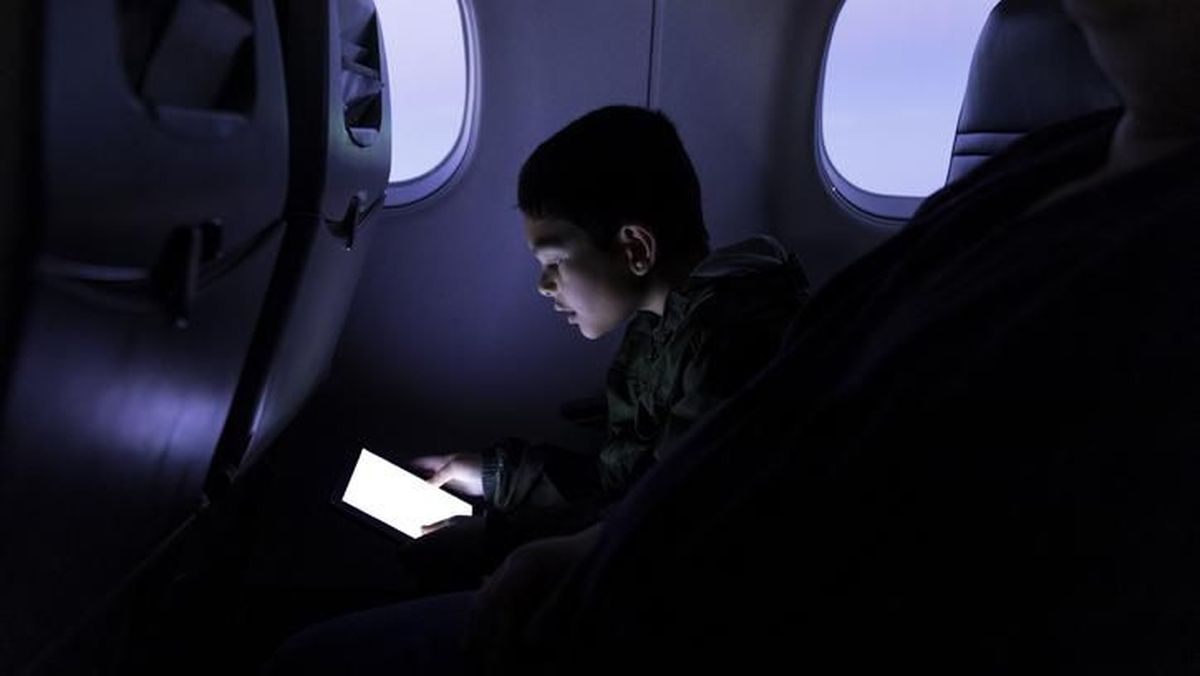
While regulations may specifically address night operations, many airlines have adopted the practice as a standard operating procedure for all takeoffs and landings, regardless of the time of day. This reflects a comprehensive approach to safety, acknowledging that external conditions can change rapidly and unexpectedly, even during daylight hours. For instance, adverse weather, such as fog or heavy rain, can significantly reduce visibility, making the benefits of dark-adapted eyes equally relevant. By consistently implementing this procedure, airlines ensure a baseline level of preparedness across all flight conditions.
Beyond Passenger Comfort: A Multifaceted Safety Protocol
The dimming of cabin lights is one element within a broader suite of safety protocols implemented by airlines. These protocols are designed to address the inherent risks associated with air travel and to minimize the likelihood and impact of potential incidents.
- Pre-flight Briefings: Flight attendants conduct thorough safety briefings before each flight, detailing the location of emergency exits, the use of life vests and oxygen masks, and evacuation procedures. These briefings are crucial for passenger awareness and preparedness.
- Crew Readiness: Flight crews, both pilots and cabin crew, undergo rigorous training and regular recertification to maintain their proficiency in handling various emergency scenarios. This includes simulations and drills to ensure a coordinated and effective response.
- Aircraft Design and Safety Features: Modern aircraft are equipped with advanced safety features, including robust structural integrity, sophisticated navigation and communication systems, and fire suppression systems. Emergency exits are designed for rapid deployment, and emergency lighting systems are engineered for maximum visibility.
- Maintenance and Inspection: Aircraft undergo stringent maintenance schedules and regular inspections to ensure all safety equipment and systems are in optimal working order.
The dimming of cabin lights complements these measures by directly addressing the human physiological response in a critical situation. It is a proactive step that leverages our understanding of vision to enhance our ability to react effectively when seconds can mean the difference between life and death.
Historical Context and Evolution of Safety Practices
The evolution of aviation safety practices has been a continuous process, driven by a commitment to learning from past incidents and proactively mitigating risks. While the exact origin of dimming cabin lights as a specific safety procedure might be difficult to pinpoint to a single event, it represents a logical extension of safety principles that have been refined over decades.
Early aviation was characterized by less sophisticated technology and a greater reliance on pilot skill and intuition. As the industry matured and air travel became more widespread, a more formalized and scientific approach to safety emerged. This included detailed accident investigations that identified contributing factors, leading to revised procedures and technological advancements. The recognition of the importance of human factors, including physiological responses like dark adaptation, became integral to safety protocols. Regulatory bodies played a crucial role in codifying these best practices, transforming them into mandatory standards that all operators must adhere to. The implementation of dimming cabin lights is a testament to this ongoing commitment to improving safety through meticulous attention to detail and a deep understanding of human capabilities and limitations.
Broader Implications and Passenger Awareness
The practice of dimming cabin lights, while primarily a safety measure, also has broader implications for passenger awareness and perception of airline professionalism. It highlights the meticulous planning and consideration that goes into ensuring passenger safety, often in ways that are not immediately apparent to the average traveler. When passengers understand the rationale behind such procedures, it can foster greater trust in the airline and its crew.
While the dimming itself is a subtle action, its impact is significant. It serves as a constant, albeit passive, reminder that safety is the paramount concern in air travel. In an era where passenger experience is increasingly scrutinized, understanding the functional and safety-driven aspects of in-flight procedures adds another layer to the overall perception of service quality. It demonstrates that comfort and safety are not mutually exclusive but are often intertwined, with comfort sometimes being sacrificed for the greater good of ensuring a secure journey.
Conclusion: A Small Act with Significant Impact
In conclusion, the practice of dimming cabin lights on aircraft during takeoff and landing is a critical safety measure with profound implications. Far from being a mere atmospheric adjustment, it is a scientifically grounded procedure designed to optimize human vision in low-light conditions, thereby enhancing the speed and effectiveness of emergency evacuations. Supported by regulatory mandates and adopted as a standard by most airlines, this seemingly small act is a vital component of the comprehensive safety architecture that underpins modern air travel. It underscores the industry’s unwavering commitment to passenger well-being, ensuring that every aspect of the flight, even the most subtle, is meticulously calibrated for security and preparedness.