Tyo Susilo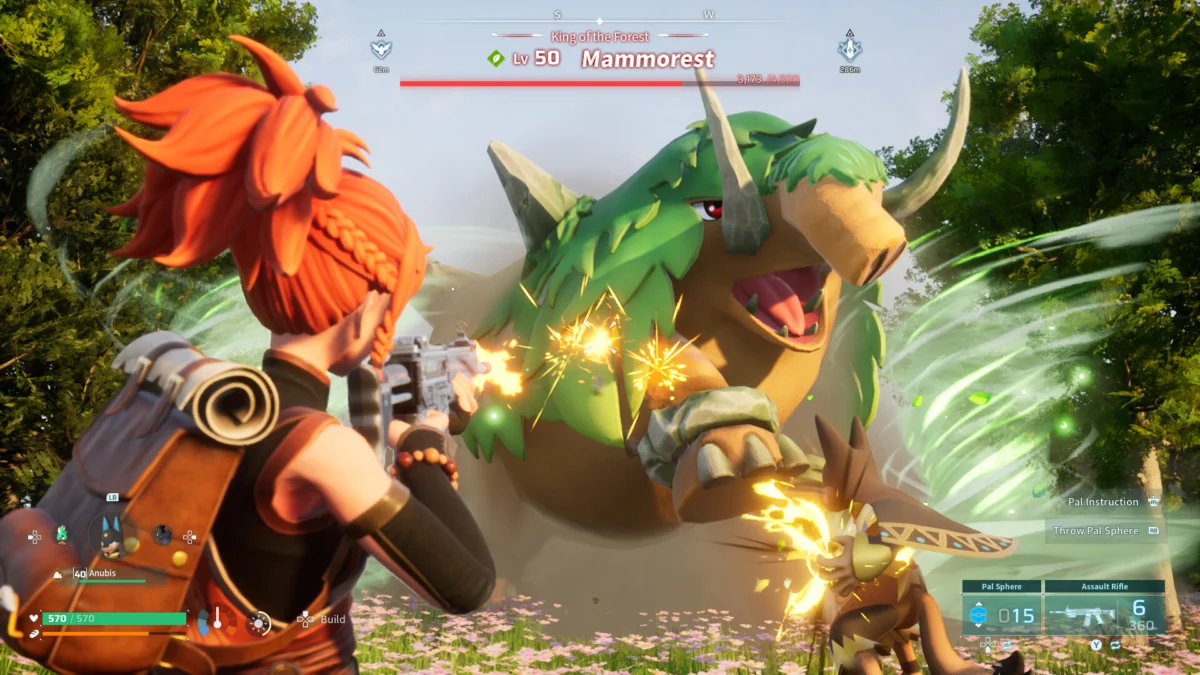
The ongoing legal battle between gaming giants Nintendo and The Pokemon Company, and the independent developer Pocketpair over its hit game Palworld, has taken a significant turn, with the scope of the lawsuit reportedly now confined to older iterations of the game, excluding its latest releases. This development, emerging from recent reports, suggests a potentially diminished impact of the litigation on Palworld’s future and Pocketpair’s operations.
Shifting Legal Landscape in the Palworld Dispute
The clash between Nintendo, a titan of the video game industry, and Pocketpair, the creators of the phenomenon that is Palworld, has captivated the gaming world for months. Since Palworld’s explosive debut, the game has been a lightning rod for debate, not only among players discussing its conceptual similarities to the venerable Pokémon franchise but also, more consequentially, within the legal arena.
Recent updates indicate that the strength of Nintendo’s legal position might not be as formidable as initially anticipated. According to a report from Gamesfray, the parties involved have concluded the submission of all necessary documentation and evidence. The next critical phase involves the presentation of arguments in court, scheduled for October 1, 2026. A legal opinion is then expected to be rendered on November 9 of the same year.

A Focused Legal Attack: The Evolution of Nintendo’s Claim
Crucially, the Gamesfray report highlights a significant alteration in the lawsuit’s focus. While initial claims may have targeted all versions of Palworld, a revision to the filed claims by Nintendo and The Pokemon Company in November 2025 has reportedly narrowed the legal pursuit to solely encompass older versions of the game. This strategic shift implies that more recent iterations, including the significant Version 1.0 update, may be largely insulated from the ongoing legal action.
This recalibration of the legal strategy also appears to have recalibrated Nintendo’s prospects for a decisive victory that could significantly curtail Palworld’s trajectory. Even if Nintendo and The Pokemon Company succeed in refuting Pocketpair’s arguments concerning patent validity and proving infringement, the potential financial compensation they could receive is projected to be relatively modest. The same report suggests that the maximum obtainable award might hover around 5 million Japanese Yen, a sum equivalent to approximately $30,000 USD.
Financial Realities: A Disproportionate Legal Expense
The projected financial outcome of the lawsuit stands in stark contrast to the substantial expenses Nintendo has reportedly incurred throughout the legal proceedings. According to Nintendo’s financial statements for the fiscal year 2026, the company recorded approximately $41 million in litigation losses. This figure encompasses a range of legal disputes, with the Palworld case being a notable contributor. This substantial sum represents nearly 96% of the company’s total extraordinary losses for that fiscal period, underscoring the significant financial commitment Nintendo has made to these legal challenges.
Palworld’s Commercial Success: A Different Financial Narrative
Meanwhile, the commercial success of Palworld has been nothing short of extraordinary. By February 2025, Pocketpair announced that the game had sold an impressive 32 million copies across all platforms. The game’s initial launch was particularly explosive, with reports indicating that within its first four days of release, Palworld generated over $130 million in revenue from the sale of 6 million copies alone. This rapid commercial ascent has firmly established Palworld as a major player in the gaming market, generating substantial revenue for its developers.

Broader Implications: A Strategic Reassessment and Future Outlook
While the final verdict remains to be delivered by the courts, these recent developments suggest that the Nintendo versus Palworld legal confrontation may not result in the extensive repercussions initially envisioned by many observers. For Pocketpair, this evolving legal landscape offers a considerable degree of breathing room, enabling them to concentrate on the continued development and enhancement of Palworld.
The strategic decision to focus the lawsuit on older versions of the game could be interpreted in several ways. One possibility is that the evidence pertaining to newer builds of Palworld is less demonstrative of the alleged infringements, or that Pocketpair has made significant design changes in response to initial concerns. Another perspective is that Nintendo and The Pokemon Company may be seeking to achieve a symbolic victory or establish a legal precedent without risking a complete dismissal of their case, should the newer versions be found to be substantially different.
The reported figure of $30,000 as a maximum compensation, while significant in absolute terms for some developers, is a minuscule fraction of the revenue generated by Palworld and the litigation costs incurred by Nintendo. This disparity raises questions about the ultimate strategic objectives of the lawsuit beyond a direct financial gain. It is possible that the primary goal is to deter future "copycat" games or to protect the intellectual property of the Pokémon franchise from perceived dilution.
A Timeline of Key Events:
- Early 2024: Palworld launches to immense popularity, sparking widespread discussion about its similarities to Pokémon.
- Mid-2024: Nintendo and The Pokemon Company reportedly initiate investigations into Palworld’s development.
- Late 2024/Early 2025: Rumors and reports of potential legal action emerge.
- November 2025: Nintendo and The Pokemon Company reportedly revise their legal claims, narrowing the scope of the lawsuit.
- February 2025: Pocketpair announces Palworld has sold 32 million copies.
- Fiscal Year 2026: Nintendo reports significant litigation losses, including those related to the Palworld case.
- October 1, 2026: Court hearing scheduled for the presentation of arguments.
- November 9, 2026: Expected date for the issuance of a legal opinion.
The eventual outcome of this high-profile legal dispute will undoubtedly be closely watched by developers, publishers, and legal experts across the gaming industry. It could set important precedents regarding intellectual property rights, game design inspiration, and the boundaries of legal recourse in the rapidly evolving digital entertainment landscape. The ongoing narrative of Palworld’s legal challenges, therefore, remains a compelling case study in the complexities of modern game development and its intersection with established legal frameworks.