Bambang Pamungkas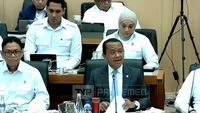
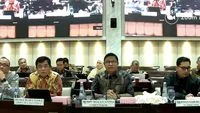
The Indonesian House of Representatives (DPR RI) Commission XII, responsible for energy, mineral resources, environment, and forestry affairs, officially approved the indicative budget ceiling for the Ministry of Energy and Mineral Resources (ESDM) for the 2027 fiscal year, amounting to a substantial IDR 27.33 trillion. The crucial agreement was reached during a working meeting (Rapat Kerja) with the ESDM Ministry on Monday evening, June 15, 2026. This parliamentary endorsement marks a pivotal step in securing funding for a range of strategic national energy projects, from expanding gas infrastructure and promoting renewable energy to enhancing energy access and efficiency across the archipelago.
The approval followed a comprehensive presentation by Deputy Minister of ESDM, Yuliot Tanjung, who meticulously detailed the Ministry’s Work Plan and Budget (RKA-K/L) for 2027. The presentation, which outlined key priorities and proposed allocations, was subject to thorough deliberation and scrutiny by the members of Commission XII. Yuliot Tanjung underscored the critical nature of the proposed budget, emphasizing its alignment with Indonesia’s long-term energy security, transition, and equity goals. "The indicative budget for the Ministry of ESDM for the 2027 fiscal year, as discussed and agreed upon during this working meeting, stands at Rp27.33 trillion," Yuliot stated during the session, highlighting the consensus achieved between the executive and legislative bodies.
The substantial budget allocation is earmarked to finance several high-impact strategic projects designed to accelerate Indonesia’s energy transformation agenda. These initiatives reflect the government’s commitment to diversifying the energy mix, reducing reliance on fossil fuels, expanding energy access, and fostering sustainable development. Among the flagship programs presented were significant investments in gas infrastructure, renewable energy deployment, and energy conversion schemes.
Strategic Initiatives: Fueling Indonesia’s Energy Future
The 2027 indicative budget for the ESDM Ministry allocates considerable resources to projects that are central to Indonesia’s energy strategy. These initiatives are not merely about infrastructure development but represent a holistic approach to address energy challenges, promote economic growth, and improve the quality of life for Indonesian citizens.
Gas Infrastructure Expansion and Energy Access
A major component of the approved budget focuses on the development and expansion of natural gas infrastructure. Natural gas is viewed as a crucial transition fuel, offering a cleaner alternative to other fossil fuels while supporting industrial growth and household energy needs.
- Dumai-Sei Mangkei (Dusem) Gas Pipeline: A significant portion, IDR 3.95 trillion, is allocated for the construction of the Dumai-Sei Mangkei gas pipeline. This pipeline is critical for connecting gas sources in Sumatra to industrial centers and Special Economic Zones (SEZs) in North Sumatra, fostering regional economic development and ensuring a stable energy supply for industries. The Dusem pipeline is expected to enhance the efficiency of gas distribution, reduce logistical costs, and stimulate new investments in the region.
- Household Gas Networks (Jargas): The expansion of household gas networks receives a substantial IDR 5.21 trillion, targeting the installation of 959,232 new household connections. This program is instrumental in improving energy access and affordability for millions of Indonesian families, particularly those currently relying on more expensive and less environmentally friendly LPG cylinders. By providing direct access to piped natural gas, the government aims to alleviate household energy burdens and contribute to cleaner indoor air quality.
- Trans-Java Gas Pipelines: Further bolstering the national gas grid, the budget includes IDR 702.38 billion for the Semarang-Solo-Yogyakarta gas transmission pipeline and IDR 577.56 billion for the Cirebon-Bandung gas transmission pipeline. These projects are vital for interconnecting major economic hubs in Java, ensuring reliable gas supply for industrial, commercial, and residential sectors, and supporting the broader economic development of Indonesia’s most populous island. The development of these pipelines is expected to reduce logistics costs for industries, attract new investments, and support the shift away from more carbon-intensive fuels.
Renewable Energy and Energy Efficiency Push
In line with Indonesia’s ambitious target of achieving Net Zero Emissions by 2060 and increasing the share of renewable energy in its national energy mix, the 2027 budget allocates funds to various green initiatives.
- Micro Hydro Power Plants (PLTMH): IDR 58.58 billion is dedicated to the construction of three new Micro Hydro Power Plants. These small-scale renewable energy projects are particularly impactful in electrifying remote and rural areas that are difficult to reach by the main grid. PLTMHs leverage local water resources, empowering communities with sustainable and decentralized energy solutions, thereby promoting energy equity and local economic resilience.
- Electric Stove Conversion Program: A significant investment of IDR 815.6 billion is allocated for the program to convert traditional cooking stoves to electric stoves. This initiative aims to reduce reliance on LPG, which is often subsidized and imported, and shift towards domestically generated electricity, potentially from cleaner sources. This program not only supports energy efficiency but also contributes to national energy security and reduces the fiscal burden of LPG subsidies.
- Electric Motorcycle Conversion Program: To accelerate the adoption of electric vehicles and reduce urban air pollution, IDR 635.24 billion is budgeted for the conversion of conventional motorcycles to electric models. This program is crucial for decarbonizing the transportation sector, especially given the high number of motorcycles in Indonesia. It supports the development of local electric vehicle ecosystems, encourages green technology adoption, and contributes to better air quality in cities.
Support for Vulnerable Communities
Beyond large-scale infrastructure, the budget also includes targeted programs to directly benefit vulnerable segments of the population.
- Converter Kits for Farmers: IDR 158.5 billion is set aside for the provision of 14,000 converter kits for farmers. These kits enable agricultural machinery and fishing boats to use cheaper, cleaner fuels like LPG or natural gas instead of gasoline or diesel. This program directly supports food security by reducing operational costs for farmers and fishermen, thereby enhancing their livelihoods and productivity, while also promoting a cleaner environment.
Detailed Budget Allocation by Entity
The IDR 27.33 trillion indicative budget ceiling is distributed among various directorates general and agencies under the ESDM Ministry, reflecting their respective roles in implementing the national energy agenda. The breakdown highlights the strategic priorities, with significant allocations directed towards key operational and developmental units.
- Secretariat General: Rp532.75 billion – Responsible for overall administrative support, coordination, and policy formulation.
- Inspectorate General: Rp124.46 billion – Tasked with internal oversight, auditing, and ensuring good governance within the Ministry.
- Directorate General of Oil and Gas (Ditjen Migas): Rp11.33 trillion – The largest allocation, reflecting the continued strategic importance of the oil and gas sector, including upstream exploration, production, and downstream distribution, as well as the implementation of gas infrastructure projects.
- Directorate General of Electricity (Ditjen Ketenagalistrikan): Rp10.46 trillion – The second largest allocation, underscoring the government’s commitment to ensuring reliable electricity supply, grid development, and supporting programs like electric stove conversion.
- Directorate General of Mineral and Coal (Ditjen Minerba): Rp702.53 billion – Oversees the vast mineral and coal mining sector, crucial for national revenue and industrial raw materials, with an increasing focus on sustainable mining practices and value-added processing.
- Secretariat General of the National Energy Council: Rp78.60 billion – Supports the National Energy Council in formulating comprehensive national energy policies and strategies.
- Directorate General of ESDM Law Enforcement: Rp86.38 billion – Dedicated to upholding regulations and combating illegal activities within the energy and mineral resources sectors.
- Human Resources Development Agency (BPSDM) ESDM: Rp881.43 billion – Focuses on developing skilled human resources for the energy sector through education, training, and competency certification.
- Geological Agency: Rp749.49 billion – Conducts geological surveys, research, and mitigation efforts related to geological hazards, essential for resource mapping and disaster preparedness.
- Oil and Gas Downstream Regulatory Agency (BPH Migas): Rp474.43 billion – Regulates the downstream oil and gas sector, ensuring fair distribution, pricing, and preventing monopolies.
- Directorate General of New, Renewable Energy and Energy Conservation (EBTKE): Rp1.81 trillion – A critical allocation for advancing Indonesia’s renewable energy agenda, including the development of solar, hydro, geothermal, and bioenergy, as well as promoting energy conservation initiatives.
- Aceh Oil and Gas Management Agency (BPMA): Rp105.31 billion – Manages oil and gas activities specifically in the Aceh region, operating under a special autonomy framework.
Contextualizing the 2027 Budget: A Strategic Imperative
The approval of the 2027 indicative budget for the ESDM Ministry is a crucial moment in Indonesia’s ongoing efforts to navigate a complex global energy landscape. The nation faces a dual challenge: meeting burgeoning energy demand to support economic growth while simultaneously transitioning towards a more sustainable and low-carbon energy future.
Indonesia’s Energy Landscape and Challenges
Indonesia, as one of the world’s largest archipelagic nations, boasts significant energy resources, including coal, oil, natural gas, and abundant renewable potential. However, its vast geography also presents challenges in ensuring equitable energy access across all regions. Moreover, a rapidly growing population and expanding industrial sector mean a continuously increasing energy demand. The country has committed to ambitious climate targets, including achieving Net Zero Emissions by 2060, which necessitates a massive overhaul of its energy infrastructure and consumption patterns. This budget reflects a strategic commitment to these goals, balancing the need for conventional energy to maintain stability with aggressive investments in cleaner alternatives.
The Budget Approval Process
The working meeting between the ESDM Ministry and DPR RI Commission XII is an integral part of Indonesia’s annual state budget formulation process. The "pagu indikatif" (indicative ceiling) is an initial agreement on the maximum funding allocation for a ministry or agency, based on preliminary government proposals and parliamentary review. This stage allows for detailed discussion, adjustment, and alignment of proposed programs with national development priorities and fiscal realities. Following this indicative approval, the budget will proceed through further stages of parliamentary review and eventual enactment into law as part of the State Budget (APBN) for 2027. The role of Commission XII is critical in ensuring transparency, accountability, and the efficient use of public funds in the energy and mineral resources sectors.
Implications and Forward Outlook
The approval of the IDR 27.33 trillion budget for the ESDM Ministry in 2027 carries significant implications for Indonesia’s economic, social, and environmental future. It underscores a strategic pivot towards strengthening energy infrastructure, diversifying energy sources, and improving energy access and efficiency.
Driving Economic Growth and Equity
The planned investments in gas pipelines, household gas networks, and renewable energy projects are expected to stimulate economic activity, create jobs, and attract further investment in related sectors. Enhanced energy access, particularly through jargas and PLTMH projects, will directly benefit communities, reducing energy poverty and supporting local economic development. The converter kit program for farmers and fishermen also exemplifies a commitment to energy equity and supporting key productive sectors. These projects contribute to a more robust and resilient national economy, fostering regional development and ensuring that the benefits of energy development are widely distributed.
Advancing Energy Transition Goals
The substantial allocations for renewable energy development, electric stove, and electric motorcycle conversions signal a strong commitment to Indonesia’s energy transition roadmap. These initiatives are crucial steps towards reducing greenhouse gas emissions, mitigating climate change impacts, and meeting national and international climate commitments. By promoting cleaner energy sources and more efficient consumption patterns, Indonesia aims to reduce its carbon footprint and build a more sustainable energy system. The focus on EBTKE (New, Renewable Energy and Energy Conservation) through its dedicated directorate with a significant budget allocation of Rp1.81 trillion highlights the seriousness of this transition.
Parliamentary Oversight and Fiscal Prudence
The rigorous process of budget approval by DPR RI Commission XII demonstrates the principle of parliamentary oversight, ensuring that government spending aligns with national interests and is subject to accountability. Chairman of Commission XII, Bambang Patijaya, formally sought and received the consensus of all members present, stating, "Commission XII DPR RI approves the indicative budget ceiling for the Ministry of ESDM for the 2027 fiscal year amounting to Rp27.33 trillion… Agreed? Agreed." This collective agreement reflects a shared vision for Indonesia’s energy future and a commitment to fiscal prudence in managing public funds for strategic national development. The DPR’s role is not just to approve, but to continually monitor the execution of these budgets to ensure effective and efficient implementation.
In conclusion, the IDR 27.33 trillion indicative budget approval for the Ministry of Energy and Mineral Resources for 2027 is a landmark decision that will shape Indonesia’s energy landscape for years to come. It represents a comprehensive strategy to enhance energy security, promote sustainable development, and ensure equitable energy access for all citizens, moving the nation closer to its ambitious goals of economic prosperity and environmental stewardship. The detailed breakdown of allocations across various directorates and strategic projects underscores a focused and deliberate approach to addressing Indonesia’s multifaceted energy challenges and opportunities.