Tata Titiana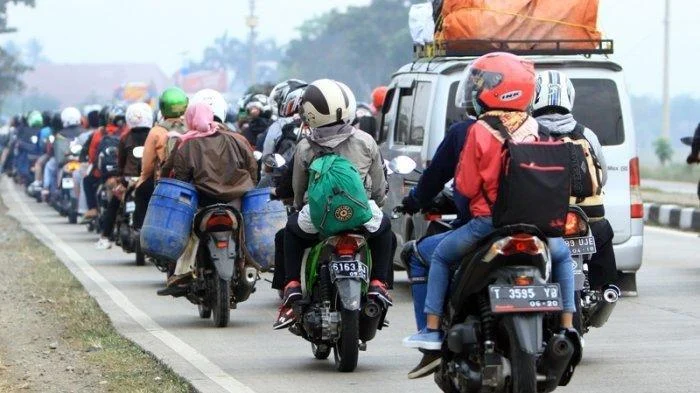
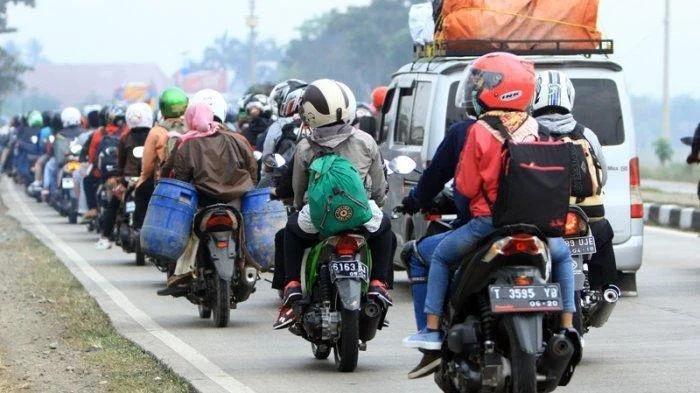
The Indonesian government has announced that citizens will be permitted to travel to their hometowns for the Eid al-Fitr (Idul Fitri) celebrations in 1442 Hijriah, marking a significant departure from the strict travel bans imposed during the 2020 holiday. This decision, confirmed by the Minister of Transportation, Budi Karya Sumadi, during a working meeting with Commission V of the House of Representatives (DPR RI) on March 16, 2021, signals a cautious step towards normalcy while acknowledging the ongoing COVID-19 pandemic.
It is crucial to emphasize that this announcement is not an encouragement for mass travel, as the Ministry of Transportation (Kemenhub) does not possess the authority to issue such directives. Instead, the government’s stance reflects a strategic balancing act between facilitating cultural and religious traditions and mitigating the risks associated with increased mobility.
Navigating the Nuances: Mechanisms and Collaborations
The Ministry of Transportation will be working in close collaboration with the COVID-19 Task Force to meticulously design and implement a comprehensive framework for the 2021 Eid al-Fitr homecoming (mudik). The primary objective of this framework is to prevent the festive travel season from becoming a catalyst for the widespread transmission of COVID-19, particularly into rural communities which may have less robust healthcare infrastructure.
According to an Instagram post by Minister Budi Karya Sumadi, the government plans to engage in consultations with various stakeholders to ensure a conducive and safe homecoming period. This includes, but is not limited to, the stringent tightening of travel requirements and the implementation of robust contact tracing protocols. The underlying principle is to create a layered defense system that minimizes the probability of viral spread.
Key Conditions and Requirements for Homecoming 2021
Minister Budi Karya Sumadi outlined several critical conditions and requirements that individuals wishing to participate in the 2021 Eid al-Fitr homecoming must adhere to:
-
Strict Adherence to Health Protocols: This is the cornerstone of the government’s strategy. Protocols will be enforced rigorously from the point of departure, throughout the journey, and upon arrival at the destination. This encompasses mandatory mask-wearing, maintaining physical distancing, regular disinfection of transportation facilities and public spaces, limiting passenger capacity in vehicles, and carefully scheduling services to avoid overcrowding. Citizens are urged to exercise personal responsibility and demonstrate unwavering compliance with these health mandates for the collective well-being.
-
Anticipating Passenger Surges with Enhanced Tracing: To effectively manage potential spikes in passenger numbers during the peak travel periods, the government will implement intensified contact tracing measures. This will involve identifying and monitoring individuals who may have come into contact with confirmed COVID-19 cases, thereby allowing for rapid isolation and intervention.
-
Shortened Validity of Screening Tests: The validity period for COVID-19 screening tools, such as rapid antigen tests, will be reduced. This measure aims to ensure that travelers present the most up-to-date negative test results, thereby minimizing the risk of infected individuals boarding public transportation or entering crowded areas. The specific duration of this shortened validity is expected to be detailed in forthcoming official guidelines.
The precise operational mechanisms for the 2021 Eid al-Fitr homecoming are still under development by the Ministry of Transportation in conjunction with other relevant agencies. This ongoing process underscores the complexity of balancing public health imperatives with the socio-cultural significance of this important religious observance.
Expert Reservations and Public Health Perspectives
The government’s decision to permit homecoming during the 2021 Eid al-Fitr celebrations has been met with a degree of skepticism from public health experts. Many express concerns regarding the continued potential for viral transmission, especially given the evolving nature of the pandemic.
Riris Andono Ahmad, an epidemiologist from Universitas Gadjah Mada (UGM), suggested that the government’s decision might be influenced by the perceived progress in vaccination coverage. However, he cautioned that vaccination alone is not a panacea.
"The primary concern is not solely about protection through immunization, but rather about the behavior of travelers," Riris stated in comments reported by merdeka.com. "If individuals fail to strictly adhere to health protocols, the transmission of COVID-19 will persist, similar to the situation before vaccination was widely available."
This perspective highlights a critical point: even vaccinated individuals can potentially carry and transmit the virus, particularly in situations involving close contact and inadequate preventative measures. Therefore, the emphasis on behavioral compliance and robust public health interventions remains paramount.
The Crucial Role of Transportation Choices and Oversight
The choice of transportation mode is considered a vital factor in mitigating transmission risks. The government is actively working to facilitate the availability of COVID-19 screening tools, such as GeNose, at key transportation hubs, including terminals, train stations, and airports. This initiative aims to provide travelers with accessible and relatively rapid screening options before they embark on their journeys.
According to Riris, public transportation is generally considered safer than private vehicles, provided that adequate health protocols are observed. The main challenge lies with individuals traveling in private cars, where oversight and enforcement of health regulations can be more difficult. Without stringent monitoring, private vehicles can inadvertently become conduits for virus transmission to remote areas.
To address this, the public is strongly encouraged to utilize public transportation for their Eid al-Fitr journeys this year. This preference would enable easier government oversight and intervention should any health-related issues arise during transit.
The Continued Necessity of Vigilance, Even Post-Vaccination
It is imperative for the public to understand that receiving a COVID-19 vaccine does not grant a complete exemption from practicing health protocols in public spaces. The ongoing scientific understanding of the virus indicates that even vaccinated individuals must continue to wear masks, maintain social distancing, and practice good hygiene to prevent potential transmission and reinfection.
Riris Andono Ahmad expressed a personal hope that large-scale homecoming travel, at a macro level, could have been postponed. He anticipates that the pandemic may not have fully concluded by the time of Eid al-Fitr 2021, and that vaccination coverage may still not be sufficiently high to entirely eliminate the risk of COVID-19 transmission. This underscores the need for a cautious and measured approach, prioritizing public health above all else.
Historical Context: The Precedent of Travel Restrictions
The current debate surrounding homecoming travel restrictions is not unprecedented in Indonesian history. Research indicates that similar restrictions were imposed in 1946, a period marked by the nation’s early years of independence and the challenges of establishing stability. The historical precedent of prohibiting or regulating mass travel during periods of national uncertainty highlights the recurring tension between individual freedoms, societal needs, and public safety imperatives. Understanding these historical contexts can provide valuable insights into the current decision-making processes and the long-term implications of such policies.
Broader Implications and the Path Forward
The government’s decision to permit homecoming, albeit with stringent conditions, carries significant implications. Economically, it offers a much-needed boost to local economies that often rely on the influx of visitors during festive seasons. Culturally and socially, it allows families to reconnect and participate in cherished traditions, fostering a sense of community and belonging that has been strained by pandemic-related restrictions.
However, the potential public health ramifications are substantial. A surge in cases following the homecoming period could strain healthcare systems, particularly in less-resourced regions. This would necessitate a robust and responsive healthcare infrastructure, including adequate testing, contact tracing capacity, and hospital bed availability.
The success of the 2021 Eid al-Fitr homecoming will largely depend on the collective responsibility and adherence of the Indonesian populace to the mandated health protocols. It will also rely on the effective implementation and enforcement of these measures by government agencies. Continuous monitoring, data analysis, and the flexibility to adapt strategies based on evolving epidemiological data will be crucial in navigating this delicate balance between tradition and public health.
The coming weeks will be a critical period for Indonesia, testing the nation’s resilience and its ability to manage public health challenges while respecting deeply ingrained cultural practices. The experiences of this year’s homecoming will undoubtedly inform future policies and strategies for managing large-scale public movements during times of health crises. The government’s approach, characterized by collaboration, stringent protocols, and a degree of cautious optimism, sets the stage for a unique and challenging Eid al-Fitr celebration in 2021. The ultimate outcome will be a testament to the nation’s collective commitment to safeguarding public health while honoring its rich cultural heritage.