Tyo Susilo
The global smartwatch market experienced a robust 4% year-over-year increase in shipments during the first quarter of 2026, according to a comprehensive report released by Counterpoint Research. This growth trajectory is primarily attributed to the sustained adoption of cutting-edge devices from major manufacturers, particularly Apple, and a burgeoning consumer demand for premium wearables equipped with advanced health and fitness tracking capabilities. The report, which analyzes market dynamics based on data collected from Q1 2026, highlights a significant shift in consumer preferences towards sophisticated technology that integrates seamlessly into daily life and offers tangible health benefits.
The increasing prevalence of smartwatches is not merely a trend but a reflection of evolving consumer priorities and technological advancements. Over the past decade, smartwatches have transitioned from niche gadgets for tech enthusiasts to mainstream personal devices. Initially lauded for their connectivity features, such as receiving notifications and making calls, their evolution has increasingly focused on health and wellness monitoring. Features like electrocardiogram (ECG) capabilities, blood oxygen saturation (SpO2) tracking, advanced sleep analysis, and comprehensive workout metrics have become standard offerings, appealing to a broader demographic concerned with proactive health management.
This heightened consumer interest is further amplified by a growing awareness of the long-term benefits of continuous health monitoring. As healthcare systems worldwide face increasing pressures, individuals are taking a more proactive approach to their well-being. Smartwatches, with their ability to provide real-time physiological data and personalized insights, empower users to make informed decisions about their lifestyle, diet, and exercise routines. This paradigm shift in personal health management has created a fertile ground for the smartwatch market’s continued expansion.
Apple Leads the Pack with Strong Q1 2026 Performance
Leading the charge in this dynamic market is Apple, which secured the top position with an impressive 23% share of global smartwatch shipments in Q1 2026. The Cupertino-based technology giant’s success is largely propelled by the strong reception of its latest premium smartwatch portfolio. North America continues to be Apple’s strongest market, accounting for over half of its total shipments during the quarter. This regional dominance underscores the high disposable income and early adoption rates for advanced consumer electronics in the United States and Canada.
Beyond North America, Apple has witnessed remarkable growth in the Chinese and European markets. In China, the company has effectively expanded its reach by enhancing the health features of its more accessible Apple Watch SE 3 model. This strategic move has enabled Apple to capture a new segment of consumers who may have previously found its premium offerings prohibitive. The introduction of advanced health monitoring capabilities, such as improved fall detection and more nuanced heart rate tracking, on the SE line has proven to be a significant draw, broadening Apple’s appeal across different consumer segments and price points.
The success in China is particularly noteworthy, given the competitive landscape and the strong domestic brands. Apple’s ability to resonate with Chinese consumers, who are increasingly discerning and value both innovation and brand prestige, is a testament to its product development and marketing strategies. Similarly, in Europe, the focus on health and wellness features has aligned well with the region’s growing emphasis on public health initiatives and preventative care.
China’s Smartwatch Market Sees Significant Growth, Huawei Dominates
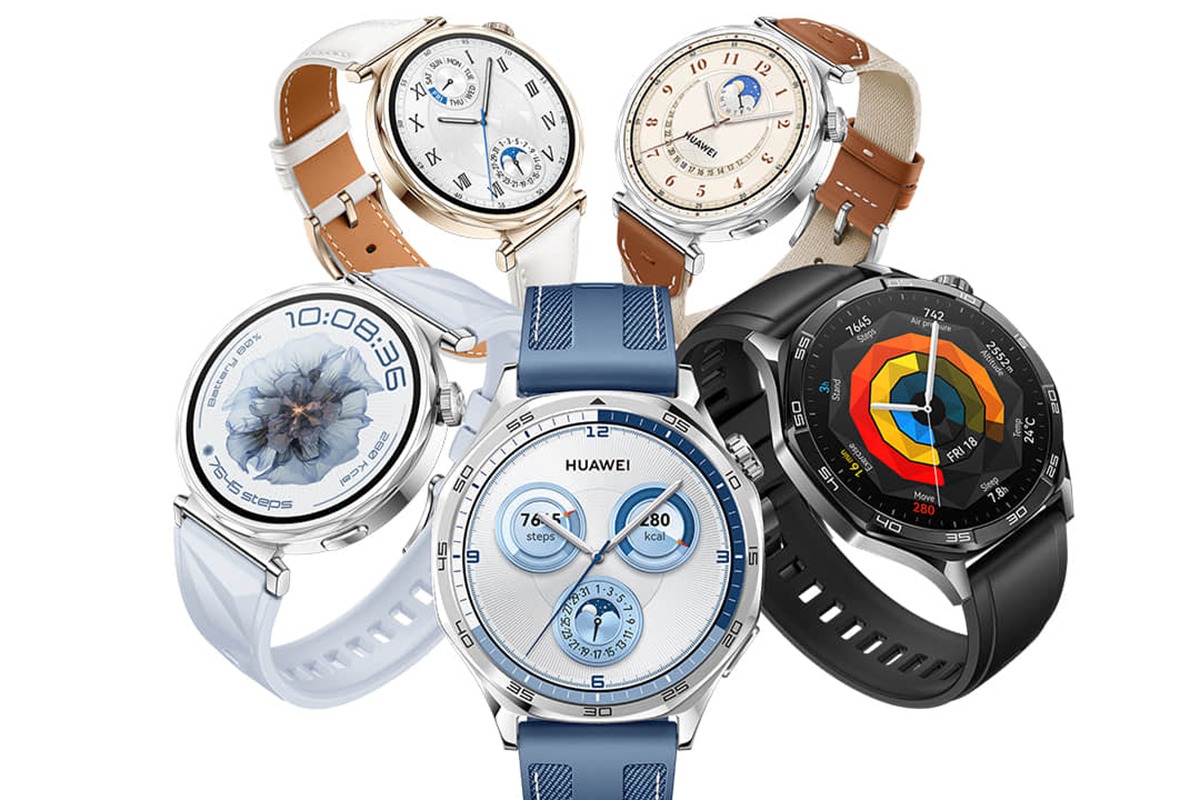
The Chinese market itself experienced a substantial 15% year-over-year growth in smartwatch shipments during Q1 2026. This surge is largely attributable to the stellar performance of Huawei, which commanded an impressive 40% share of the domestic smartwatch market. Huawei’s strong market presence is a result of its consistent innovation, competitive pricing, and a product lineup that effectively caters to the diverse needs of Chinese consumers.
Following Huawei, brands like Imoo and Xiaomi also contributed to the market’s expansion, indicating a healthy competitive environment within China. The growing consumer interest in smartwatches in this region is fueled by several factors. Firstly, the increasing sophistication of tracking and health features offered by these devices has made them more appealing for everyday use. Consumers are looking for wearables that can provide actionable insights into their fitness, sleep patterns, and overall well-being.
Secondly, government support through various electronic subsidy schemes has played a crucial role in making wearable technology more accessible to a wider population. These initiatives, designed to boost domestic technology consumption and innovation, have likely contributed to the strong sales figures for smartwatches in China. The Chinese government’s focus on fostering a robust digital economy, coupled with consumer enthusiasm for technological advancements, creates a conducive environment for the sustained growth of the smartwatch sector.
Rising Average Selling Price Reflects Demand for Premium Features
A key indicator of the evolving market landscape is the 6% year-over-year increase in the Average Selling Price (ASP) of smartwatches during Q1 2026. This upward trend in ASP suggests a discernible shift in consumer purchasing behavior, with individuals increasingly prioritizing advanced features and premium build quality over basic functionality. The data indicates that consumers are willing to invest more in devices that offer enhanced capabilities and a more sophisticated user experience.
This rising ASP is a direct response to manufacturers’ efforts to meet this demand. Companies are investing heavily in research and development to incorporate more advanced sensors, improve the accuracy of health tracking algorithms, and enhance the overall design and durability of their smartwatches. The focus is no longer solely on connectivity but on providing comprehensive health monitoring solutions that can rival dedicated medical devices in certain aspects.
The inclusion of features such as advanced ECG analysis, continuous blood glucose monitoring (though still in nascent stages for widespread consumer devices), and more sophisticated stress level detection are becoming increasingly sought after. Furthermore, the integration of these smartwatches with broader health ecosystems, including telemedicine platforms and personalized wellness programs, adds significant value and justifies the higher price point for many consumers. This trend is expected to continue as manufacturers further innovate and differentiate their offerings in the premium segment of the market.
Market Dynamics and Future Outlook
The Q1 2026 report from Counterpoint Research paints a picture of a maturing yet dynamic smartwatch market. The growth, while moderate at 4%, is significant given the established penetration of smartwatches in developed markets. The key takeaway is the clear consumer pivot towards higher-value, feature-rich devices. This bodes well for manufacturers that can consistently deliver on innovation, particularly in the health and wellness domains.

Key Factors Influencing Growth:
- Technological Advancements: Ongoing improvements in sensor accuracy, battery life, and processing power are continuously enhancing the capabilities of smartwatches. Innovations in areas like non-invasive health monitoring (e.g., blood pressure, glucose) remain a significant R&D focus, promising future market disruptions.
- Health and Wellness Integration: The smartwatch is increasingly viewed as an indispensable tool for proactive health management. Features that offer personalized health insights, early detection of potential issues, and integration with fitness and wellness apps are highly valued.
- Ecosystem Play: The ability of smartwatches to seamlessly integrate with smartphones, tablets, and other smart home devices strengthens their value proposition. Manufacturers that can offer a cohesive ecosystem experience are likely to gain a competitive edge.
- Emerging Markets: While developed markets continue to drive premium sales, emerging economies represent significant growth potential. As disposable incomes rise and digital literacy increases, demand for smartwatches in these regions is expected to surge.
- Subscription Services and Data Analytics: The future may also see an increased reliance on subscription-based services that offer advanced analytics, personalized coaching, and specialized health programs, further monetizing the smartwatch platform.
Implications for Consumers and Manufacturers:
For consumers, the trend towards premium smartwatches means access to more powerful tools for managing their health and staying connected. However, it also implies a higher cost of entry for the latest technologies. Consumers will need to carefully evaluate their needs and budget to select devices that offer the best value.
For manufacturers, the emphasis on premium features and advanced health tracking presents both opportunities and challenges. Companies that can invest in cutting-edge research and development, build strong brand loyalty, and effectively communicate the value of their advanced offerings are poised for success. Conversely, those that focus solely on low-cost, basic models may find it increasingly difficult to compete in a market that is clearly gravitating towards sophistication and advanced functionality.
The competitive landscape is expected to remain intense, with established players like Apple and Huawei likely to continue their dominance, while other brands will strive to carve out their niches through innovation and strategic market positioning. The long-term outlook for the smartwatch market remains highly positive, driven by an ever-increasing consumer appetite for wearable technology that enhances health, connectivity, and overall quality of life. The insights from Counterpoint Research’s Q1 2026 report serve as a crucial benchmark, illustrating the current state and future direction of this rapidly evolving industry.