Nila Kartika Wati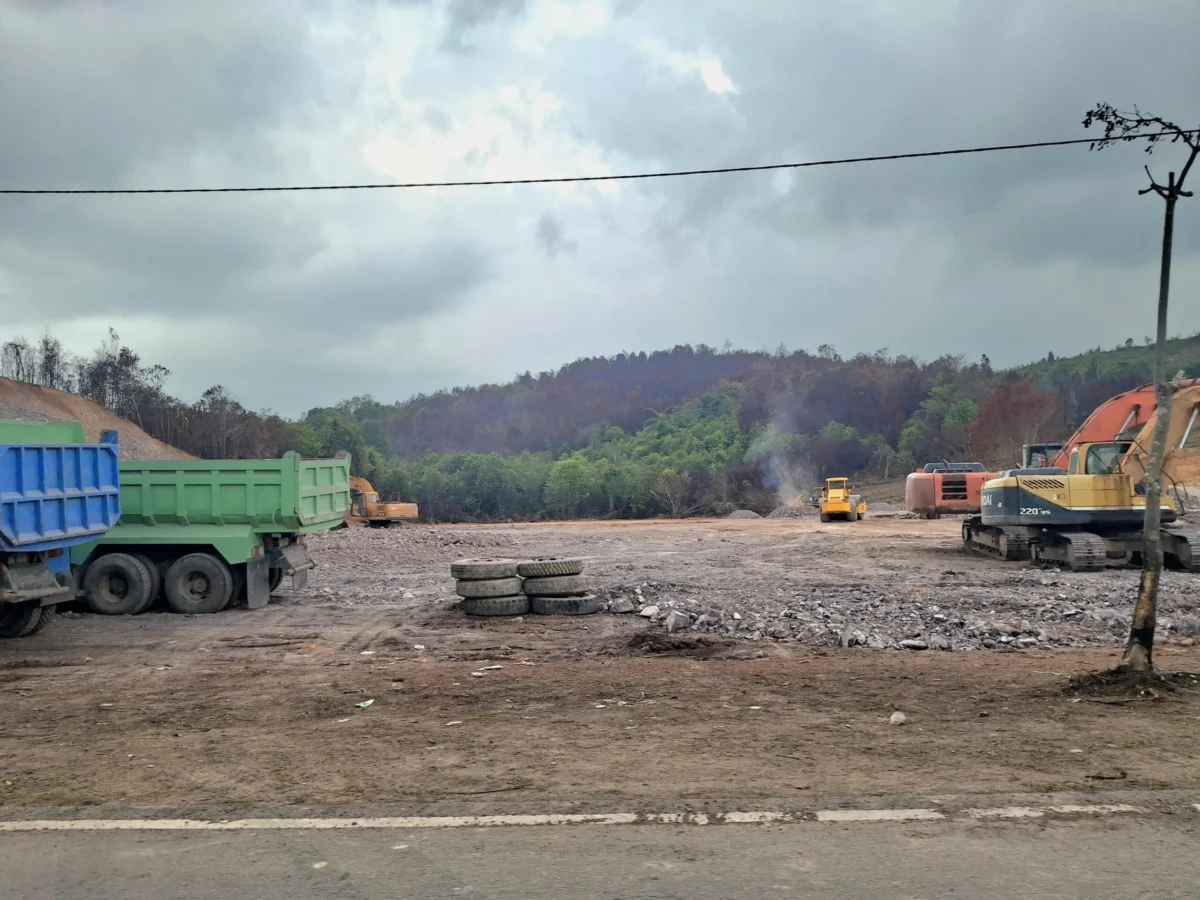
The quiet of Rempang Island in Batam, Riau Islands, was shattered on Tuesday, June 9, 2026, as old wounds from previous land disputes were reopened following a confrontation between local residents and authorities. The spark for this latest round of friction was the unilateral staking and measurement of land intended for the construction of the "Sekolah Rakyat" (People’s School), also known as "Sekolah Merah Putih" (Red and White School), located at the Pantai Melayu intersection. This incident marks a significant escalation in the ongoing struggle between the Batam Indonesia Free Zone Authority (BP Batam) and the indigenous communities of Rempang, who have been embroiled in a high-stakes battle over land rights for several years.
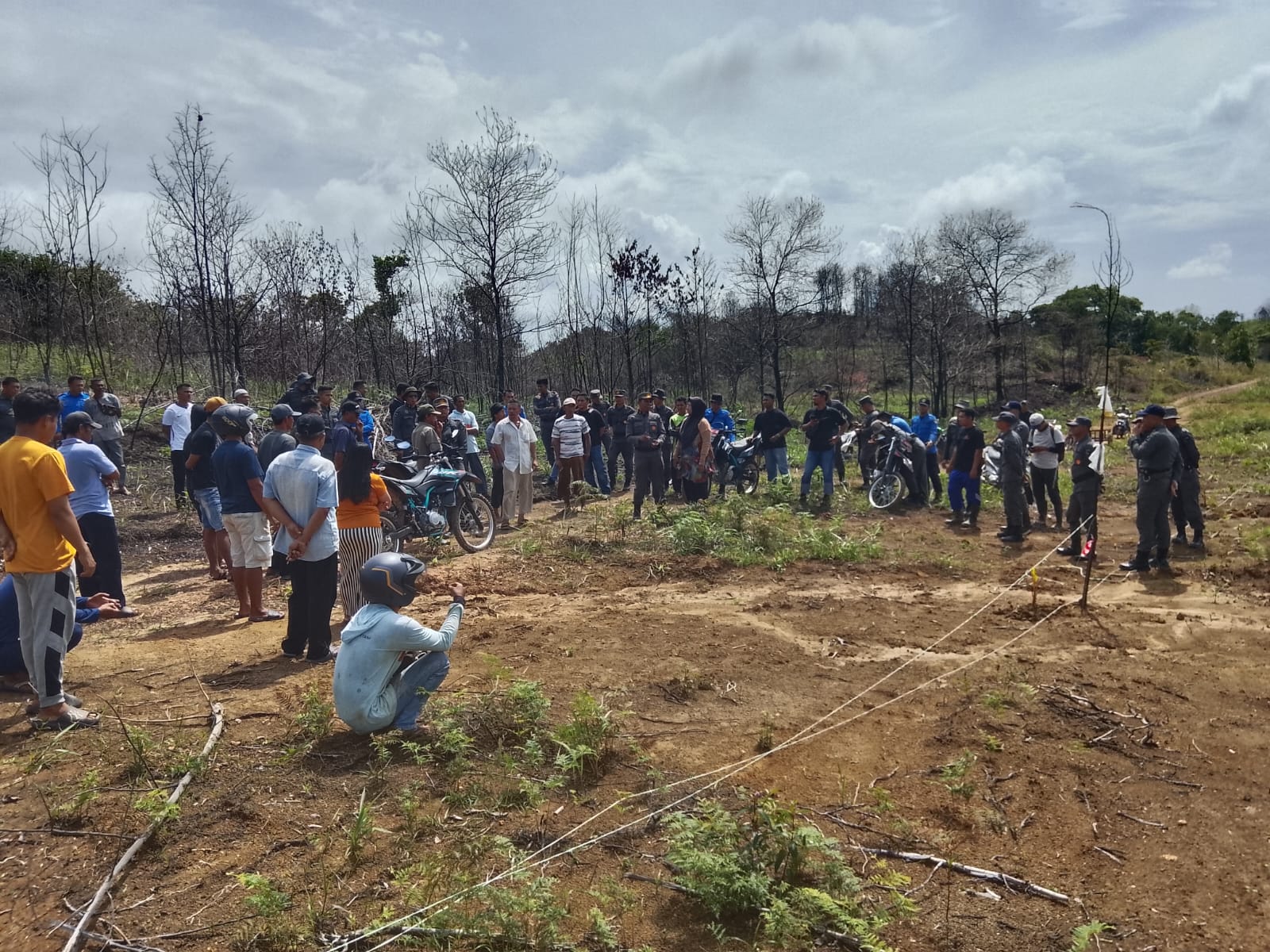
The day’s events began in the early hours of Tuesday when members of the Rempang Galang Bersatu Community Alliance (Amar-GB) received reports of heavy machinery and hundreds of security personnel arriving at the proposed school site. The news spread rapidly through the traditional villages (kampungs) of Rempang, including Sembulang, Sungai Raya, and Pantai Melayu. By mid-morning, hundreds of residents had converged on the Pantai Melayu intersection, where they were met by a heavy presence of BP Batam’s Directorate of Security (Ditpam) and local police.
A Chronology of Confrontation and Unilateral Actions
The atmosphere grew increasingly volatile as residents discovered that the boundary markers (patok) placed by BP Batam encroached upon land traditionally held by the family of Gerisman Ahmad, a prominent community leader and a central figure in the Rempang resistance movement. Miswadi, a local resident present at the scene, expressed the community’s frustration, stating that the authorities had entered the area without prior consultation with the actual landholders.
"We saw the stakes had already entered the territory of the residents’ land. That is why we came in large numbers," Miswadi said. He and other villagers challenged the authorities, accusing BP Batam of "land-grabbing" under the guise of a national project. The tension at the site was palpable, with shouting matches occurring between the residents and the security forces guarding the surveyors.
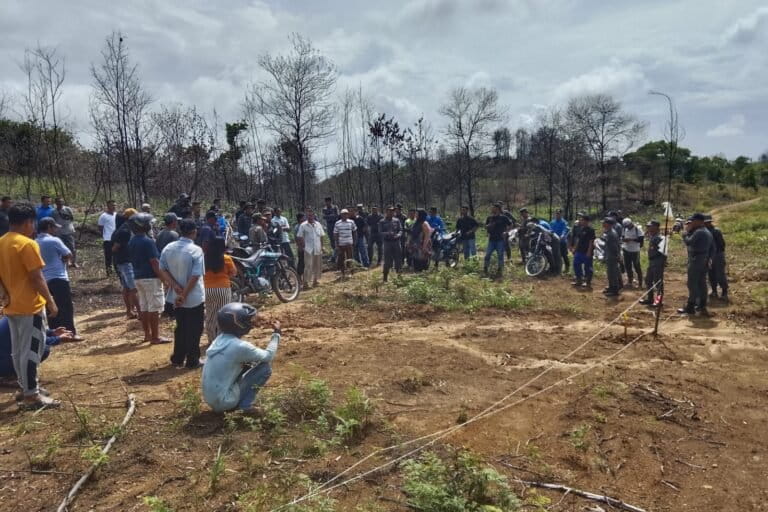
This incident is not an isolated one. On March 9, 2026, a similar altercation took place at the same location, where residents successfully halted surveying activities after arguing that the project lacked transparency. Sopia, an administrator for Amar-GB, pointed out a critical procedural failure: the lack of involvement of bordering landowners. "In any professional measurement process, the owners of adjacent lands must be summoned to witness the boundary setting. In this case, not even the local RT (neighborhood unit) head was notified," she noted.
Kamsiah, the head of the Pantai Melayu neighborhood unit, corroborated this claim. Standing among her constituents, she described the actions of BP Batam as "arbitrary and authoritarian." According to Kamsiah, the sudden arrival of security forces and the placement of stakes without notice have left the community in a state of constant anxiety and anger.
The Government’s Position: National Mandate and Legal Justification
In response to the growing unrest, BP Batam has maintained that its actions are legally sound and part of a broader national mandate. Ariastuty Sirait, the Deputy for General Services at BP Batam, confirmed that the land measurement was indeed for the Sekolah Rakyat project. She asserted that the area in question falls under the Hak Pengelolaan Lahan (HPL) or Land Management Rights officially held by BP Batam.
According to Sirait, the project is a flagship initiative of President Prabowo Subianto’s administration, aimed at expanding educational access for children from families living in extreme poverty. The school project requires approximately 18 hectares of land. "We have conducted socialization efforts more than ten times," Sirait claimed during a press briefing on Thursday, June 11. She argued that the presence of Ditpam and police was merely for security and that the approach taken was "persuasive."
Regarding the encroachment on Gerisman Ahmad’s land, Sirait acknowledged that some of the land had been occupied by residents for a long time. However, she urged those who felt impacted to register at the government’s land liberation post to process compensation. She specifically mentioned that Gerisman Ahmad had not flatly rejected the project but had proposed a "land swap" rather than a cash settlement. Gerisman’s proposal involves moving his land boundaries toward the roadside of Pantai Melayu to ensure his family’s holdings remain contiguous while allowing the school construction to proceed. As of mid-June 2026, the government has yet to provide a formal response to this counter-offer.
The Socio-Economic Dilemma of Rempang’s Residents
While the government frames the school as a benevolent project for the poor, the residents of Rempang see it through a lens of survival. Gerisman Ahmad, speaking separately, emphasized that land in Rempang is not just a commodity but the primary source of livelihood for the Malay community. "If the land is taken and replaced only with money, the government must calculate the future of the people. Is that money enough to buy new fishing gear, build a business, or open new agricultural land?" he questioned.
There is also a sense of irony and skepticism regarding the necessity of a new school. Gerisman pointed out that existing schools in the area are currently struggling to fill their classrooms. "If this new school is built, what happens to the ones we already have? Will they be closed? And if so, what is the fate of the teachers there? these are the questions circulating in the community," he said.
This skepticism is rooted in the trauma of the Rempang Eco-City project, a massive industrial development plan that made international headlines in 2023 and 2024. That project, which sought to relocate thousands of indigenous residents to make way for a glass factory and solar power hub, resulted in violent clashes and widespread human rights concerns. For many in Rempang, the Sekolah Rakyat project feels like a "Trojan horse"—a smaller-scale encroachment that sets a precedent for further land seizures.
Legal Analysis: A Failure to Learn from the Past
Legal experts and human rights advocates have been quick to criticize BP Batam’s handling of the situation. Ahmad Fauzi, from the Riau Islands Community Legal Aid and Study Institute (LSBM), argued that BP Batam has failed to learn the lessons of the previous agrarian conflicts in Rempang.
"The community was just beginning to find some peace. They should not be disturbed again by actions that have the potential to trigger new conflicts," Fauzi stated. He argued that the practice of staking land before reaching an agreement with the occupants is a violation of the principles of agrarian dispute resolution. "BP Batam cannot simply seize land. If there are residents occupying the land, the government must resolve the status with those individuals first. You don’t stake the land first and then tell people to report for compensation later. That is an inherently coercive approach."
Fauzi added that while the community generally supports the idea of better education, they had offered alternative locations for the school that did not involve disputed land. The government’s insistence on the current site, despite these alternatives, suggests a lack of willingness to engage in genuine mediation.
Broader Implications and the Path Forward
The situation in Rempang serves as a microcosm of the broader tensions in Indonesia between national strategic projects and the rights of indigenous and local communities. The Rempang Eco-City project had already been flagged by researchers for its potential to cause significant economic losses to the local fishing and farming sectors, with some estimates suggesting a loss of trillions of rupiah in long-term productivity if the traditional way of life is dismantled.
The "Sekolah Rakyat" project, though smaller in scale, carries immense symbolic weight. If the government proceeds with a unilateral approach, it risks further alienating a population that already feels besieged by the state. The conflict also poses a challenge to the Prabowo administration’s image, as a program intended to help the "poor and extremely poor" is currently being implemented in a way that threatens the land security of the very demographic it claims to serve.
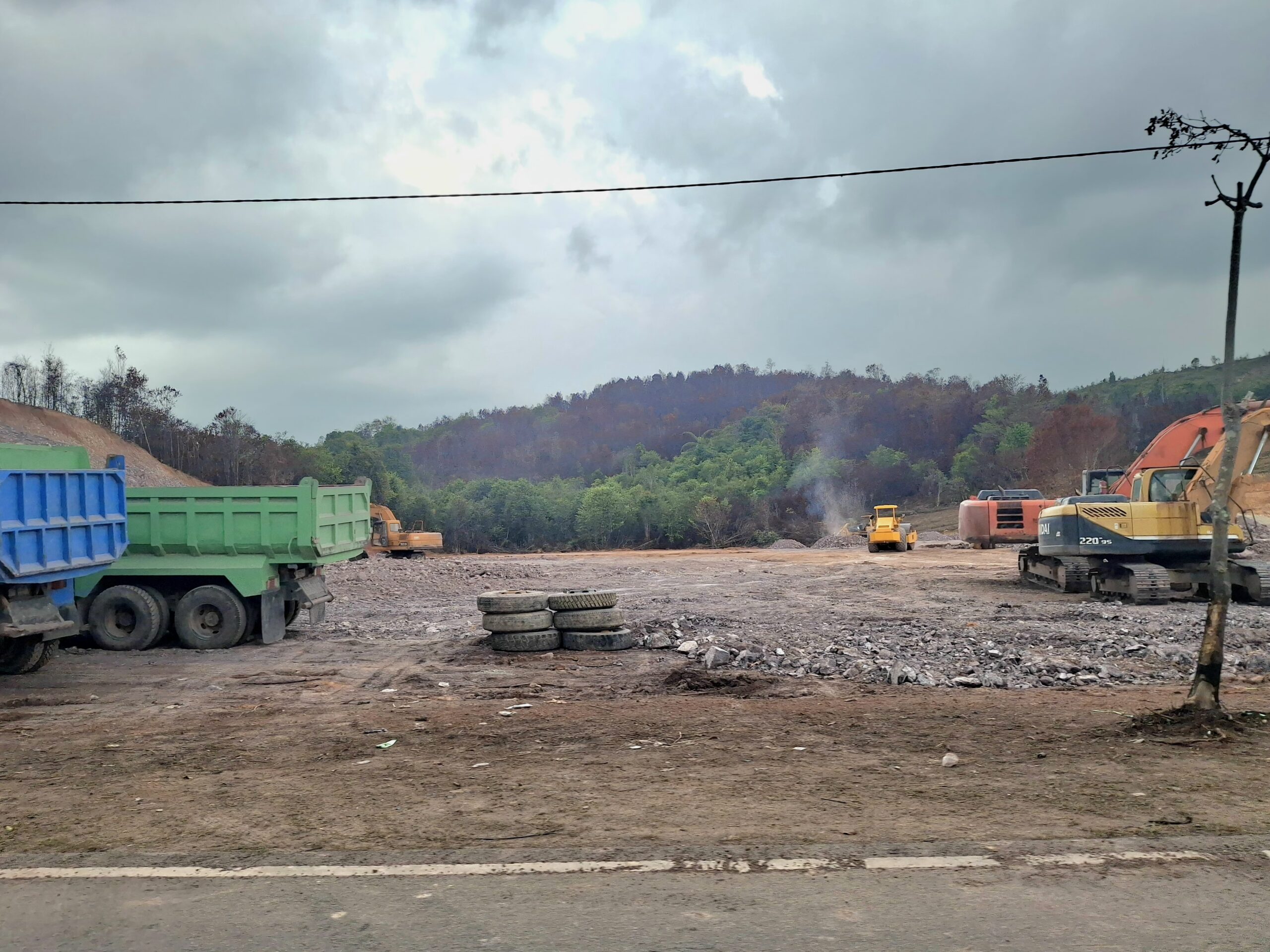
As of the second week of June 2026, the standoff at Simpang Pantai Melayu remains unresolved. Heavy equipment remains on standby, and residents continue to maintain a vigil over their ancestral lands. The success or failure of the "land swap" proposal by Gerisman Ahmad may determine whether this dispute is settled through compromise or if Rempang is headed toward another period of civil unrest. For now, the "Red and White" school, intended to be a symbol of national pride and progress, stands instead as a symbol of the deep-seated rift between the state’s developmental ambitions and the people’s right to their land.