Nila Kartika Wati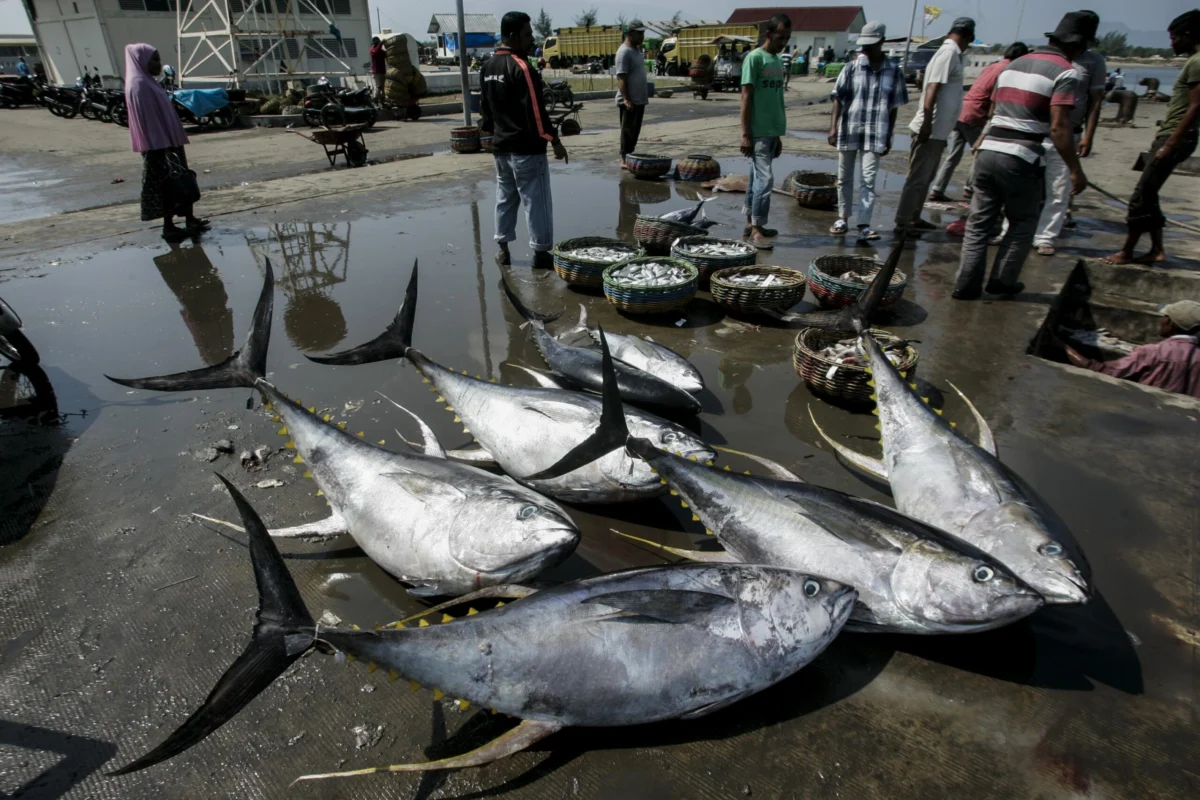
The southern maritime corridors of the Indonesian archipelago are currently witnessing a significant oceanographic shift as the natural phenomenon known as upwelling begins to intensify across several key provinces. Commencing in June, this seasonal event is projected to reach its zenith by September 2026, occurring in tandem with the arrival of the El Niño climate pattern. While these dual phenomena often signal ecological disruption in other parts of the world, in the context of the Indonesian maritime ecosystem, they represent a period of high biological productivity that could lead to a massive surge in fishery yields. However, experts warn that without robust government intervention and logistical preparation, this abundance could lead to market instability and economic hardship for traditional fishing communities.
Widodo Setiyo Pranomo, a Principal Researcher at the Research Center for Climate and Atmosphere within the National Research and Innovation Agency (BRIN), has identified several critical zones already experiencing the early stages of upwelling. These include the Java-Bali-Nusa Tenggara waters, the Sawu Sea, and the Timor Sea. As an expert in applied oceanography, Pranomo notes that the phenomenon is a vital component of the marine ecosystem’s sustainability. Upwelling occurs when strong, sustained winds—typically the Southeast Monsoon—push surface waters away from the coast, allowing colder, nutrient-dense water from the deep ocean to rise to the surface.
The Science of Upwelling and the Biological Chain
The nutrient-rich waters brought to the surface during upwelling serve as a catalyst for a massive biological boom. These nutrients, primarily nitrates and phosphates, act as fertilizer for phytoplankton, the microscopic plants that form the foundation of the marine food web. As phytoplankton concentrations rise—indicated by a significant increase in chlorophyll levels—they attract zooplankton, which in turn draw in vast schools of small pelagic fish such as anchovies and mackerel. These smaller species eventually attract larger predators, including tuna and Spanish mackerel (tenggiri), creating a highly concentrated area of marine life.
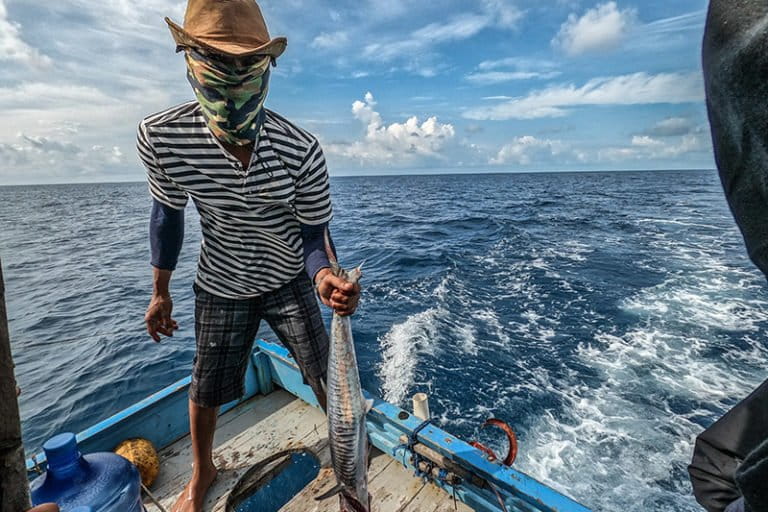
The physical indicators of this process are measurable and distinct. Oceanographers track upwelling through a drop in Sea Surface Temperatures (SST), an increase in water salinity, and the presence of upward vertical currents. "This condition is vital because it causes fishery productivity to spike sharply," Pranomo explained. The increase in chlorophyll allows for greater carbon biomass production and oxygen release through photosynthesis, further enriching the environment for high-value commercial fish species.
Currently, the intensity of the upwelling is classified as weak to moderate and is spatially inconsistent. However, observations indicate the phenomenon is rapidly expanding into the southern and southeastern Banda Sea, the Arafura Sea, the western waters of Sumatra reaching toward the Andaman Sea, and the Makassar Strait moving toward the Flores Sea.
Regional Variations and the Role of Ocean Topography
While the general concept of upwelling remains consistent, the drivers vary across the Indonesian archipelago. In the Arafura Sea, the increase in productivity is largely attributed to the mixing of water masses caused by the interaction between wind patterns and tidal movements in relatively shallow waters. Conversely, the upwelling observed in the southern Makassar Strait is intricately linked to the Indonesian Throughflow (Arlindo), a massive current system that moves water from the Pacific to the Indian Ocean.
In these deeper channels, the upward movement of water is triggered by complex interactions between the seafloor topography, tidal pumps, eddies (circular currents), and internal waves. These forces work together to push deep-sea nutrients into the photic zone where sunlight can trigger biological growth. Monitoring these specific regional drivers is essential for the sustainable management of marine resources, as it allows authorities to predict exactly where and when fish stocks will be most concentrated.
The El Niño Factor: A Divergence from Global Trends
The convergence of upwelling with El Niño presents a unique scenario for Indonesia. While El Niño is traditionally associated with droughts on land and the collapse of fisheries in South American nations like Peru, its impact on the Indonesian maritime sector is paradoxically positive. Jonson Lumban Gaol, a Professor at the Faculty of Fisheries and Marine Sciences at IPB University and an expert in marine remote sensing, explains that El Niño tends to strengthen the Southeast Monsoon winds.
"In Indonesia, El Niño actually drives the intensification of upwelling," Professor Gaol stated. While a standard upwelling event might bring nutrient-rich water up from a depth of 5 to 10 meters, the added force of El Niño can pull water from much deeper layers, spreading nutrients across a wider surface area and extending the duration of the event. While a typical upwelling season might conclude in August, the presence of El Niño could extend the high-productivity period through November or even into early 2027.
The World Meteorological Organization (WMO) and the National Oceanic and Atmospheric Administration (NOAA) have released data supporting this forecast. Anomalies in Sea Surface Temperatures in the Pacific Ocean began appearing as early as May 2026. Projections suggest an 80% probability of El Niño conditions persisting through August, rising to a 90% probability in the subsequent months. This timeline aligns perfectly with the predicted peak of Indonesian upwelling, suggesting a "perfect storm" of biological productivity.
Economic Risks: The Paradox of Plenty
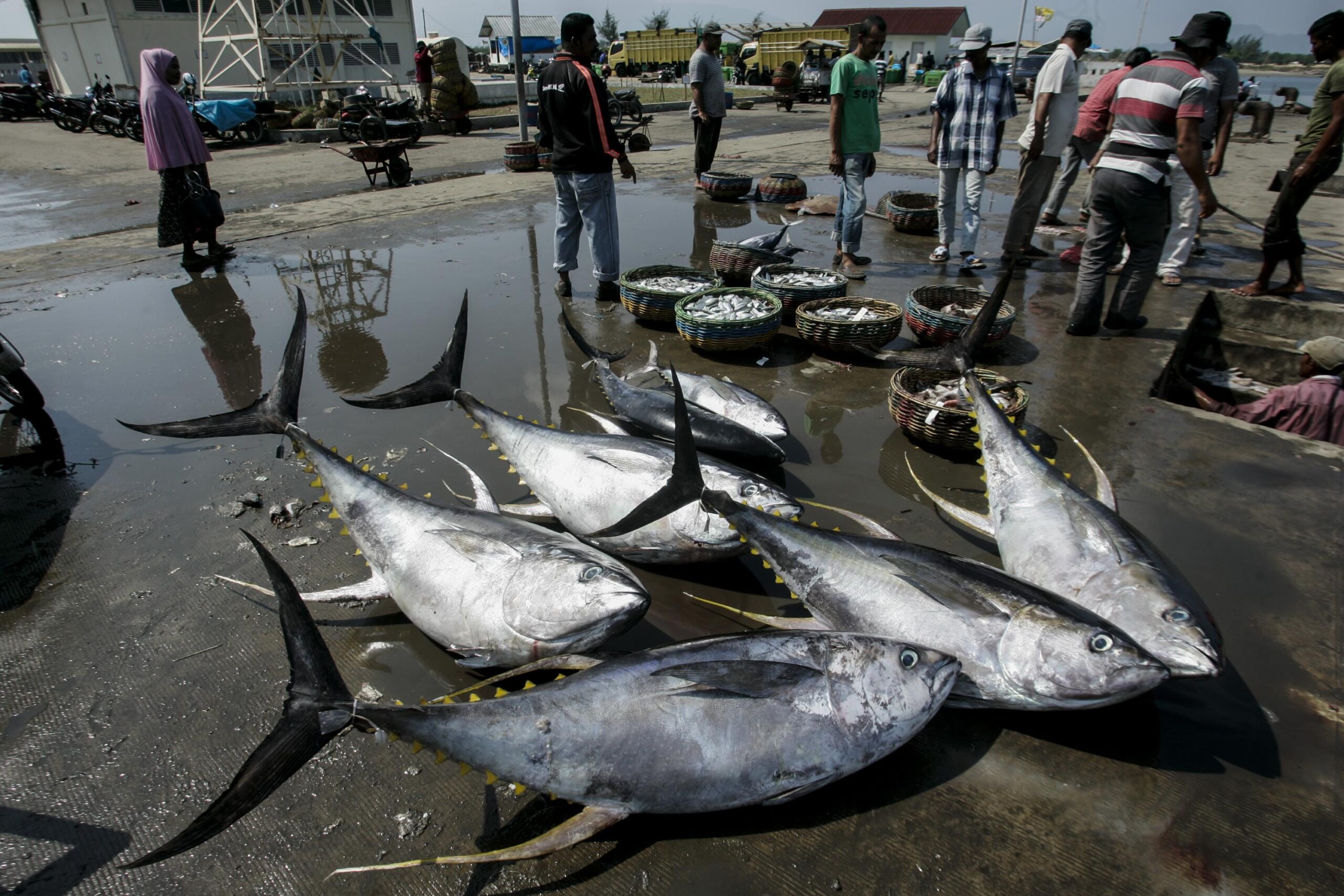
Despite the biological windfall, both Pranomo and Professor Gaol expressed concerns regarding the economic implications for small-scale fishermen. History has shown that a sudden, massive influx of fish can lead to a "supply shock." In 2019 and 2023, similar upwelling events led to record catches in Sukabumi (West Java), Banyuwangi (East Java), and Pengambengan (Bali). However, because the local infrastructure could not handle the volume, fish prices plummeted, leaving many fishermen with lower net incomes despite their larger hauls.
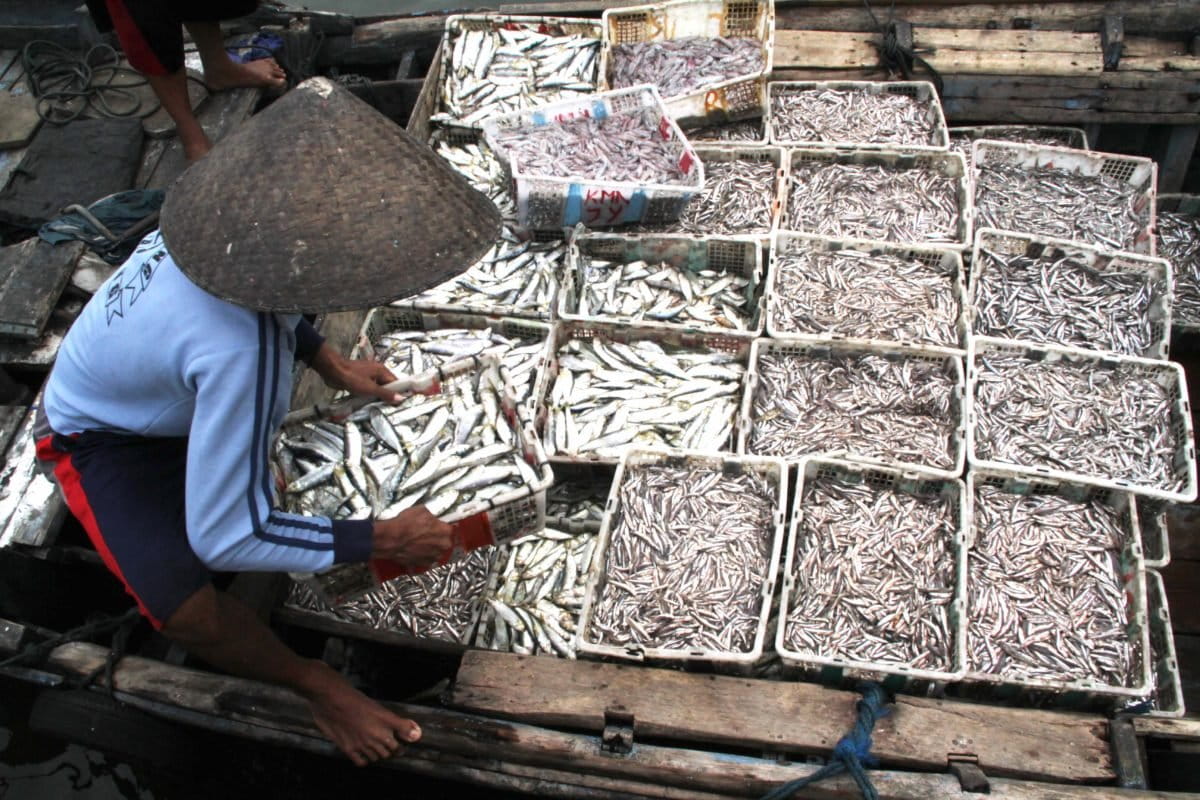
"The abundance of fish will be in vain if it is not managed correctly," Pranomo warned. Without adequate preparation, the surplus of catch leads to a situation where supply far outstrips local demand and processing capacity. For traditional fishermen who lack advanced preservation technology, this often results in their catch rotting or being sold at prices that do not even cover the cost of fuel for their boats.
Professor Gaol emphasized that the government must prioritize the "Cold Chain" infrastructure. "The availability of ice, cold storage facilities, and efficient distribution networks are the primary support systems that must be in place before the peak of the upwelling in September," he noted. By providing these facilities, the government can help stabilize prices, allowing the surplus catch to be stored and sold gradually rather than flooding the market all at once.
Comparative Impact: Indonesia vs. Peru
The resilience of the Indonesian fishery during El Niño stands in stark contrast to the experience of Peru. In 1972-1973, a strong El Niño event famously crippled the Peruvian anchoveta industry by weakening the Humboldt Current’s upwelling process. In that region, El Niño brings warm water that suppresses the rise of cold, nutrient-rich currents, leading to a collapse of the food chain.
In Indonesia, the geography and wind patterns create the opposite effect. The strengthening of the Southeast Monsoon during El Niño years enhances the "Ekman Transport" process, where surface water is moved away from the coast more aggressively, forcing a more robust upwelling response. Data from past El Niño cycles in Indonesia consistently show a correlation between these climate events and a significant rise in the catch of small pelagic species like anchovies and larger species like tuna.
Strategic Recommendations for Maritime Stakeholders
To maximize the benefits of the 2026 upwelling-El Niño convergence, experts have outlined a series of strategic recommendations for the Ministry of Maritime Affairs and Fisheries (KKP) and regional governments:
- Infrastructure Mobilization: Deploy portable cold storage units to hotspots such as Bali, East Java, and East Nusa Tenggara to prevent post-harvest losses.
- Market Intervention: Establish temporary price floors or government-backed purchasing programs to ensure that the influx of fish does not bankrupt small-scale operators.
- Logistical Synergy: Utilize the National Fish Logistics System (SLIN) to redistribute surplus catch from high-production areas in the south to regions in the north, such as the Riau Islands or North Kalimantan, where upwelling is less pronounced.
- Fisherman Education: Provide real-time satellite data to fishing cooperatives to help them identify "Potential Fishing Zones" (ZPPZ), reducing fuel consumption and increasing efficiency.
- Environmental Monitoring: While production is high, authorities must remain vigilant against overfishing. The concentration of fish in upwelling zones makes them easy targets for industrial-scale vessels, which could deplete stocks if not regulated.
As Indonesia moves toward the September peak, the scientific community remains focused on the interplay between these oceanic forces. While the Selat Malaka, Selat Karimata, and the waters north of Papua remain dominated by warm, low-chlorophyll waters for now, the southern seas are transforming into a highly fertile marine pasture. The coming months will test Indonesia’s ability to transform a recurring natural phenomenon into a sustainable economic victory. If managed with foresight, the 2026 upwelling could serve as a global model for how nations can adapt to and benefit from the complexities of a changing climate.