Nila Kartika Wati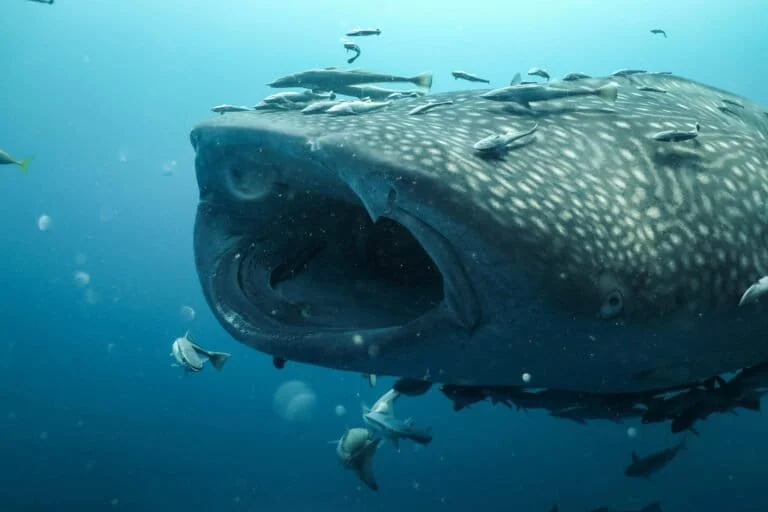
The whale shark, known scientifically as Rhincodon typus, stands as a testament to the fact that immense size in the animal kingdom does not necessarily equate to predatory aggression. Often referred to as the "gentle giant" of the ocean, this filter-feeding carpet shark is the largest extant fish species in the world. Despite their intimidating proportions and the "shark" moniker, these creatures are famously docile, often allowing divers to swim alongside them in a display of peaceful coexistence that has made them a cornerstone of marine ecotourism globally. In Indonesia, a nation blessed with vast tropical waters, the whale shark is more than just a biological marvel; it is a protected national treasure, a vital component of the marine ecosystem, and a significant contributor to the local economy through sustainable tourism.
The Biological Blueprint of a Filter-Feeding Titan
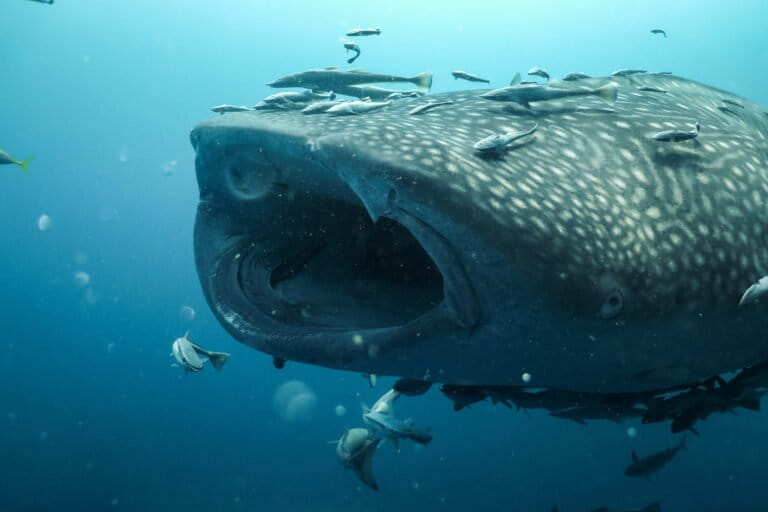
The anatomy of the whale shark is a fascinating study in evolutionary adaptation. Growing to lengths that can exceed 18 meters, though averaging around 10 to 12 meters, these giants possess a skeletal structure made of cartilage rather than bone. Their most striking feature is undoubtedly the mouth, which can stretch up to 1.5 meters wide. Unlike the serrated, razor-sharp teeth of the Great White or Tiger shark, the whale shark’s mouth contains between 300 and 350 rows of tiny, vestigial teeth, each measuring only about six millimeters. These teeth play no role in feeding; instead, the whale shark relies on a sophisticated filtration system.
Whale sharks are one of only three known filter-feeding shark species, alongside the basking shark and the megamouth shark. They process massive volumes of seawater to extract their primary food sources: plankton, krill, fish eggs, and small schooling fish. In Eastern Indonesia, they are frequently seen feeding on "ikan furi," a local term for small anchovies. The feeding process involves the shark gulping water or swimming with its mouth open, forcing water through five pairs of large gills. Internal specialized structures called gill rakers act as a sieve, trapping organic matter while the water is expelled back into the ocean. This efficient mechanism allows a single whale shark to consume dozens of kilograms of food daily to maintain its massive energy requirements.
Visually, the whale shark is unmistakable. Its dorsal side is typically a deep grayish-blue, fading to a stark white underbelly. The most defining characteristic is the intricate pattern of pale yellow or white spots and stripes that cover its back and sides, forming a checkerboard-like appearance. In Indonesia, this has earned them the local names "hiu totol" (spotted shark) or "gurano bintang" (star shark). Biologists have discovered that these spot patterns are unique to each individual, functioning much like a human fingerprint. This biological marker has become an essential tool for researchers, who use photo-identification software to track individual movements, population sizes, and migration patterns across the globe.
Behavioral Patterns and Habitat Preferences
While whale sharks are capable of living for 70 to 100 years, they are notoriously slow movers. Their average cruising speed is a mere five kilometers per hour, achieved through a rhythmic, side-to-side sweep of the entire body rather than just the caudal fin. This slow pace makes them particularly vulnerable to anthropogenic threats, such as collisions with large shipping vessels or entanglement in fishing gear. Despite their leisurely surface behavior, whale sharks are elite divers. While they prefer the warm, sunlit upper layers of the ocean (around 50 meters deep), satellite tagging data has revealed that they can plunge to depths of nearly 1,000 meters, likely in search of cooler water or deep-sea prey.
The species is primarily found in tropical and warm-temperate seas, where water temperatures remain above 21 degrees Celsius. Indonesia, situated at the heart of the Coral Triangle, provides a perfect habitat. Key sightings and resident populations have been documented across the archipelago, including Nabire and Kaimana in Papua, the waters of Maluku and North Maluku, Gorontalo in Sulawesi, Sabang in Aceh, Situbondo in East Java, and various locations across Nusa Tenggara.
In places like Cendrawasih Bay in Papua, a unique behavioral phenomenon has been observed. Whale sharks there have developed a commensal relationship with local fishermen who operate "bagan" (floating lift-net platforms). The sharks gather around these platforms to feed on the small fish that leak from the nets or are tossed back by the fishermen. This consistent food source has led to a year-round presence of whale sharks in the area, contrary to their typically migratory nature in other parts of the world.
The Indonesian Legal Framework and Conservation Timeline
The vulnerability of the whale shark is rooted in its biological limitations. They are slow-growing, reach sexual maturity late (often not until age 30), and have a relatively low reproductive rate. These factors mean that populations cannot quickly recover from overfishing or environmental disasters. Recognizing these risks, the International Union for Conservation of Nature (IUCN) currently lists the whale shark as "Endangered" on its Red List of Threatened Species.
Indonesia has taken significant strides to lead regional conservation efforts. A pivotal moment occurred in 2013 when the Indonesian government issued Decree No. 18/2013 (Keputusan Menteri Kelautan dan Perikanan Nomor 18 Tahun 2013). This landmark legislation granted the whale shark "Full Protection" status throughout the country’s entire maritime territory. This means that any form of utilization—including catching, harming, or trading whale sharks or their body parts—is strictly prohibited and punishable by law.
The chronology of protection in Indonesia reflects a growing awareness of marine biodiversity:
- Pre-2010: Whale sharks were occasionally targeted for their fins and meat in certain coastal communities, though not on an industrial scale.
- 2010-2012: Marine biologists and NGOs intensified data collection, highlighting the decline in sightings and the economic potential of live-shark tourism.
- 2013: The Ministry of Marine Affairs and Fisheries enacted the full protection decree, making Indonesia one of the first countries in the Coral Triangle to offer such comprehensive legal safeguards.
- 2013-Present: Focus has shifted toward the implementation of sustainable tourism guidelines to ensure that the growing number of visitors does not stress or harm the animals.
Economic Impact and the Rise of Ecotourism
The shift from hunting to observing whale sharks has proven to be a lucrative transition for many Indonesian coastal communities. In Gorontalo, specifically in the village of Botubarani, whale shark tourism has become a primary driver of the local economy. Visitors from around the world flock to these waters for a chance to see the giants just meters from the shore.
Economists and marine scientists argue that a single whale shark is worth significantly more alive than dead. While a harvested shark might fetch a one-time price for its fins and meat in the illegal wildlife trade, a living shark can generate millions of dollars in tourism revenue over its 70-year lifespan. This "blue economy" model provides jobs for boat operators, tour guides, hospitality workers, and local vendors, creating a direct incentive for communities to act as stewards of the species.
However, the influx of tourists brings its own set of challenges. Experts warn that overcrowding, boat engine noise, and the practice of feeding sharks to keep them near tourists can disrupt natural migratory patterns and health. "Conservation must always take precedence over profit," noted a representative from a prominent Indonesian marine conservation group. "If we stress these animals to the point where they leave our waters or stop breeding, the economic benefits will vanish along with the sharks."
Ecological Significance and Future Challenges
Beyond their aesthetic and economic value, whale sharks play a crucial role in maintaining the health of the ocean. As filter feeders, they help regulate plankton levels. Their presence is often used by scientists as an indicator of a healthy marine ecosystem rich in nutrients. Furthermore, their deep-diving habits facilitate the transfer of nutrients between different ocean layers, a process vital for the productivity of the marine food web.
Despite the 2013 protection decree, the future of the whale shark in Indonesia is not without hurdles. Marine debris, particularly plastic pollution, poses a grave threat. Because whale sharks feed by gulping large amounts of water, they are highly susceptible to ingesting microplastics and larger plastic waste, which can cause internal blockages and toxicity. Climate change is another looming factor, as rising sea temperatures may alter the distribution of plankton, forcing whale sharks to migrate to new, perhaps less protected, territories.
To combat these issues, the Indonesian government and various NGOs continue to invest in research and monitoring. Programs like the "Whale Shark Indonesia" database allow citizens and tourists to upload photos of shark sightings, contributing to a massive "citizen science" project that tracks individual sharks across the archipelago.
Conclusion: A Legacy of Marine Stewardship
The story of the whale shark in Indonesia is one of transition—from a mysterious inhabitant of the deep to a protected icon of national pride. The efforts to preserve Rhincodon typus reflect a broader commitment to safeguarding the Indonesian seas, which hold some of the highest biodiversity on Earth. By combining strict legal protections with community-based tourism and rigorous scientific study, Indonesia is setting a global example of how a developing nation can balance economic growth with environmental preservation.
As these spotted giants continue their slow, rhythmic journey through the waters of Nabire, Gorontalo, and beyond, they serve as a reminder of the ocean’s fragile beauty. The continued survival of the whale shark is not merely a win for conservationists; it is a vital necessity for the health of the planet’s oceans and the prosperity of the human communities that depend on them. Through sustained vigilance and international cooperation, the "star sharks" of the archipelago will hopefully remain a fixture of the Indonesian horizon for generations to come.