Eko Sulistyo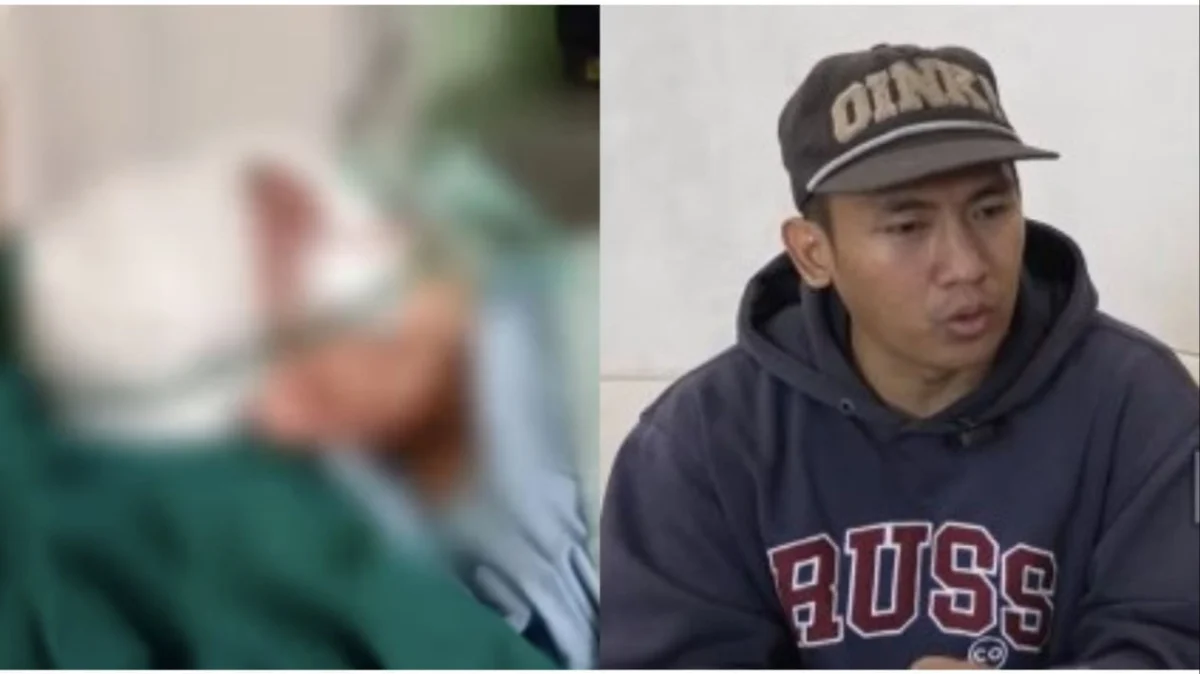
The emotional reunion between a family from Rancaekek, Bandung Regency, and their long-missing daughter, identified by the initials YTR, has surfaced as a harrowing testament to the trauma of long-term captivity and physical abuse. After three years of agonizing silence and a fruitless search, the family finally located YTR, only to find her in a state so physically altered by violence that she was nearly unrecognizable to her own kin. The case, which has recently gained significant public attention following a detailed account on a prominent national podcast, highlights the severe psychological and physical toll of clandestine confinement and the systemic challenges faced by families of missing persons in Indonesia.
The details of this tragic ordeal were brought to light by the victim’s brother, Afif, and his wife, Melani, during an appearance on a podcast hosted by Indonesian celebrity Maia Estianty. The couple provided a visceral account of the moment they were reunited with YTR, describing a convergence of relief, horror, and profound grief. Afif noted that while the family had spent years praying for her safe return, the reality of her condition was a shock that they were unprepared to handle. According to Afif, the woman who returned was a shadow of the healthy, vibrant individual who had left their home in Rancaekek three years prior.
The Timeline of Disappearance and the Search for Answers
The disappearance of YTR began in 2023, when she left her residence in the Rancaekek district of Bandung Regency. At the time of her departure, family members described her as being in excellent health, both physically and mentally. Rancaekek, a busy industrial and residential hub in West Java, is a region where the movement of people is frequent, yet the sudden lack of communication from YTR was immediately out of character. For three years, the family navigated a vacuum of information, utilizing social media and local networks to find any lead regarding her whereabouts.
During the podcast interview, Afif explained that the family had never stopped looking, but as months turned into years, the hope of finding her alive began to contend with the grim possibility of foul play. The breakthrough eventually came in mid-2026, leading to a reunion that Afif described as "bittersweet and soul-crushing." He articulated the internal conflict of feeling immense gratitude for her survival while simultaneously feeling a deep-seated rage toward those responsible for her condition.
The three-year gap in her life is currently being scrutinized by authorities and legal advocates. While the specific details of her whereabouts during those 36 months remain subject to investigation, the physical evidence on her body suggests a period of prolonged confinement and systematic physical assault. The family alleges that YTR was a victim of "penyekapan" (unlawful detention or captivity), a crime that often involves the total isolation of the victim from the outside world.
A Drastic Physical Transformation
The most striking and painful aspect of the reunion was the physical state of the victim. Afif recounted that the injuries sustained by YTR were so severe that they had fundamentally altered her facial structure. He stated that if he had passed her on the street without prior knowledge of her identity, he likely would not have recognized her as his sister. This level of disfigurement is indicative of repeated blunt force trauma and neglect.
"The structure of her face had changed entirely; it was all swollen," Afif remarked during the interview. He emphasized that before she went missing, YTR was considered a beautiful young woman with no physical impairments. The swelling and scarring observed upon her return were not merely superficial injuries but appeared to be the result of long-term abuse that had been allowed to heal improperly, only to be aggravated by further violence.
This physical transformation had a devastating impact on the family’s patriarch. Afif revealed that their father was initially in a state of denial, unable to reconcile the image of the woman before him with the daughter he had raised. The psychological shock of a parent failing to recognize their own child due to the severity of the child’s injuries underscores the extreme nature of the violence YTR allegedly endured. Such reactions are common in cases of extreme trauma, where the brain attempts to protect the individual from a reality that is too painful to process.
Medical and Psychological Implications of Long-Term Captivity
Medical experts suggest that the "swelling" described by the family could be the result of multiple factors, including chronic inflammation from repeated physical strikes, poor nutrition, or untreated medical conditions developed during captivity. In cases of prolonged confinement, victims often suffer from "Captivity Syndrome," which encompasses a range of psychological conditions including Post-Traumatic Stress Disorder (PTSD), dissociation, and in some instances, complex trauma that affects the victim’s ability to communicate or reintegrate into society.
The fact that YTR’s facial structure was altered suggests potential fractures to the orbital bones, jaw, or nose that were never medically addressed. For a victim to be "unrecognizable" to their immediate family, the trauma must have been pervasive. Beyond the physical scars, the psychological recovery for YTR is expected to be a multi-year process. Survivors of long-term captivity often struggle with a lost sense of time, difficulty trusting others, and the overwhelming burden of the "missing years" in their personal development.
Legal Framework and the Fight for Justice
The case of YTR falls under several stringent articles of the Indonesian Penal Code (KUHP) and specifically touches upon the Law on the Eradication of Criminal Acts of Human Trafficking (TPPO) and the Law on Sexual Violence Crimes (TPKS), depending on the findings of the ongoing investigation. Under Indonesian law, unlawful deprivation of liberty (penyekapan) is a serious offense, and when accompanied by physical abuse (penganiayaan), the penalties are significantly heightened.
Legal analysts point out that cases involving three years of missing status often involve a complex web of perpetrators. The investigation will likely focus on identifying the location of her confinement and whether she was moved across regional borders. The role of the Bandung Regency Police (Polresta Bandung) will be critical in gathering forensic evidence and victim testimony to build a case against those responsible.
Furthermore, this case has reignited discussions regarding the "24-hour rule" often cited by police before a missing person report can be officially filed. While not a formal law, the practical delay in searching for adults who go missing often gives perpetrators a head start. Advocates are calling for more proactive measures in cases where a disappearance is uncharacteristic of the individual’s behavior, as was the case with YTR.
The Role of Digital Platforms in Social Justice
The decision of the family to speak out on a major podcast like Maia Estianty’s is reflective of a growing trend in Indonesia where victims of crime seek "viral justice." In many instances, the pressure from public opinion and the visibility provided by digital influencers compel authorities to prioritize cases that might otherwise languish in the bureaucratic system.
By sharing the graphic details of YTR’s condition, Afif and Melani have ensured that the case remains in the public eye. However, this also raises questions about the privacy and dignity of the victim. The family has balanced the need for public awareness with the need to protect YTR’s path to recovery. The outpouring of sympathy from the Indonesian public has been massive, with many calling for the maximum possible sentence for the perpetrators once they are brought to justice.
Broader Societal Impact and the Safety of Women
The ordeal of YTR is not an isolated incident but a symptom of broader societal vulnerabilities regarding the safety of women and the prevalence of hidden violence. West Java, being one of the most populous provinces in Indonesia, has historically reported significant numbers of missing persons and human trafficking cases. According to data from various NGOs focusing on women’s rights, domestic and gender-based violence often goes unreported until it reaches a point of extreme physical danger or disappearance.
This case serves as a grim reminder of the importance of community vigilance. Rancaekek is a densely populated area; the fact that a resident could be held in such conditions—potentially nearby—without detection for three years highlights a breakdown in social monitoring. It calls for a reassessment of how local neighborhood units (RT/RW) monitor the safety of their residents and the legitimacy of those living in rented accommodations or secluded areas.
Conclusion: The Long Road to Recovery
As of late June 2026, YTR is reportedly under the care of her family and receiving medical attention. The focus for the family has shifted from the frantic search for her whereabouts to the delicate process of rehabilitation. The "bittersweet" nature of her return, as described by Afif, remains the prevailing sentiment. While the void left by her three-year absence has been filled by her presence, it is also filled with the heavy task of healing a broken body and spirit.
The Indonesian authorities are expected to provide updates on the criminal investigation as leads are followed. For the public, the story of the girl from Rancaekek is a cautionary tale and a call to action—a demand for a society where no individual can vanish for years into a cycle of violence without a trace. The courage of Afif and his family to speak out has not only given YTR a voice but has also shone a light on the dark corners of society where such atrocities occur. The pursuit of justice for YTR is now a matter of public record, and the eyes of the nation remain on Bandung as the legal process unfolds.