Azin Asro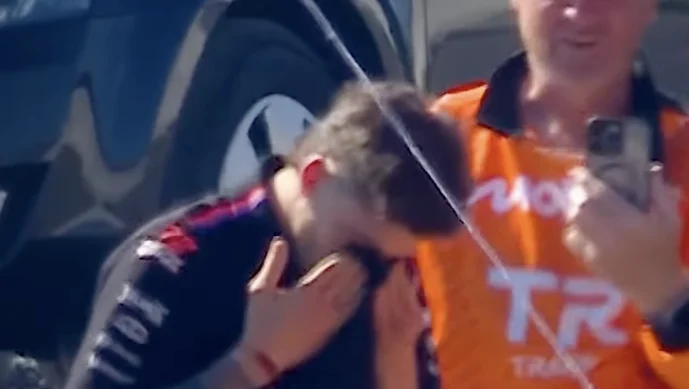
The 2026 MotoGP World Championship season witnessed one of its most controversial and emotionally charged moments during the Czech Grand Prix weekend at the Masaryk Circuit in Brno. Marco Bezzecchi, the Aprilia Racing factory rider and a prominent protégé of the VR46 Academy, has formally addressed the physical altercation involving a track marshal that led to his immediate disqualification from the event. Describing the incident as the "worst moment" of his professional career, Bezzecchi utilized his personal platform to issue an extensive apology, providing a detailed account of the circumstances that led to a lapse in judgment which has sent shockwaves through the paddock and the global motorcycling community.
The incident occurred during the closing stages of the Saturday Sprint Race, a format that has become synonymous with high-intensity competition and narrow margins for error. Bezzecchi, who had entered the weekend with significant pressure to perform following a series of inconsistent results and a previous retirement, found himself embroiled in a physical confrontation after a low-side crash at Turn 3. The subsequent fallout saw the FIM MotoGP Stewards take unprecedentedly swift action, marking a stern reminder of the sport’s zero-tolerance policy regarding the physical safety and respect of track officials.
Chronology of the Incident: From Competitive Momentum to Disciplinary Crisis
The weekend in Brno had initially begun with a sense of optimism for the Aprilia Racing camp. Following a disappointing outing in the previous round, Bezzecchi and his technical crew had found a competitive setup during the Friday practice sessions. The Italian rider showed a strong pace on the RS-GP, consistently placing within the top five and demonstrating the technical prowess that earned him a factory seat.
However, the trajectory of the weekend shifted dramatically during the Saturday Sprint Race. With only two laps remaining and Bezzecchi fighting for a podium position, he lost the front end of his machine entering Turn 3, a notorious corner known for its demanding braking zone. While the crash itself was a standard racing incident, the aftermath was anything but routine.
As is standard protocol, track marshals rushed to the gravel trap to assist the rider and clear the motorcycle to ensure the safety of the remaining competitors. During the recovery process, a marshal identified as Ladislav inadvertently engaged the throttle of the still-running Aprilia RS-GP. The sudden, high-decibel revving of the engine—a sound often described as "screaming" in racing parlance—triggered a visceral reaction from Bezzecchi. Amidst the adrenaline of the race and the frustration of the crash, Bezzecchi lost his composure, leading to a physical confrontation with the official.
The Stewards’ Decision and the Regulatory Framework
The FIM MotoGP Stewards, led by the disciplinary panel, reviewed the footage of the incident immediately following the Sprint Race. The regulations governing the World Championship are explicit regarding the conduct of participants toward officials. Under the FIM Disciplinary Code, any form of physical aggression or verbal abuse toward marshals, who are volunteers dedicated to rider safety, is classified as a severe breach of the sporting code.
By Saturday evening, the Stewards issued an official bulletin confirming Bezzecchi’s disqualification from the Sprint Race and, more significantly, a ban from participating in the main Grand Prix on Sunday. This decision was met with immediate resistance from Aprilia Racing. The team’s management, headed by Massimo Rivola, filed an official appeal in an attempt to mitigate the punishment, arguing that the rider’s reaction was a heat-of-the-moment response triggered by the unexpected behavior of the motorcycle.
The appeal was summarily rejected by the Stewards. The panel emphasized that the safety and dignity of the track officials are paramount and that no amount of competitive stress justifies physical contact or intimidation. Aprilia eventually conceded, withdrawing further legal challenges and accepting the ruling, which effectively ended Bezzecchi’s participation in the Czech Grand Prix.
Official Statements and Bezzecchi’s Personal Reflection
In a candid blog post and subsequent media interactions, Bezzecchi took full responsibility for his actions, eschewing the typical PR-managed rhetoric for a more personal tone. He acknowledged that the "revving" of the engine acted as a catalyst, but refused to use it as an excuse.
"I arrived in Brno with the goal of making up for the mistake of the crash in the previous race. Friday went very well. But on Saturday during the Sprint Race, the worst moment of my career happened," Bezzecchi stated. He described the moment of losing control, noting that the frustration of the crash combined with the sudden noise of the engine caused an emotional "short circuit."
"Two laps before the finish, I fell at Turn 3. One of the marshals who came to help evacuate the bike accidentally touched the gas lever, which made the bike’s engine suddenly scream. That was when I lost control of my emotions and had a reaction that I should never have had," he lamented. Bezzecchi’s statement highlighted a profound sense of regret, acknowledging that the "rush of adrenaline" is a poor justification for violating the core values of the sport.
Reconciliation and the Role of Marshals
In a move to mend the bridge with the local officiating community, Bezzecchi visited the marshal’s post on Sunday morning before the warm-up session. He sought out Ladislav, the marshal involved in the incident, to offer a direct, face-to-face apology. According to Bezzecchi, the meeting was constructive, with Ladislav showing a high degree of professional understanding regarding the high-pressure environment of MotoGP.
"On Sunday morning, I went directly to the marshal’s post. His name is Ladislav. He was very understanding of the tension that happens on the track, and I am very grateful to him. However, that still doesn’t change the fact of what happened," Bezzecchi wrote.
The incident has reignited discussions regarding the role of marshals in modern motorcycle racing. Marshals are often the unsung heroes of the circuit, working in high-risk zones to protect riders. The MotoGP community has rallied around the Brno marshals, emphasizing that without their volunteer efforts, the sport could not function. Bezzecchi’s apology specifically addressed this, noting, "I know very well the hard work and sacrifice the marshals make to keep us safe. This behavior must not be repeated and is inexcusable."
Analytical Perspective: Championship Implications and Team Dynamics
From a competitive standpoint, the disqualification is a catastrophic blow to Bezzecchi’s 2026 championship aspirations. By scoring zero points across both the Sprint and the main race, he has fallen significantly behind his rivals in the standings. For Aprilia Racing, the incident is also a blow to their Constructors’ Championship points, especially at a time when they are locked in a tight battle with Ducati and KTM.
Beyond the points, there are concerns regarding the long-term impact on Bezzecchi’s reputation. As a rider who has often been seen as the "heir" to Valentino Rossi’s charismatic legacy, this outburst marks a significant departure from his usually jovial persona. Industry analysts suggest that this event may lead to stricter behavioral clauses in rider contracts and a renewed focus on sports psychology within the Aprilia camp.
Furthermore, the rejection of Aprilia’s appeal sets a firm precedent. It signals that the FIM will not be swayed by team pressure when it comes to the protection of track personnel. This "hardline" approach is expected to influence how riders interact with officials in future incidents, potentially curbing the rising trend of visible frustration seen in the gravel traps in recent seasons.
The Road to Redemption
As the MotoGP paddock moves forward from Brno, the focus will remain on Bezzecchi’s conduct in the upcoming rounds. The Italian rider has vowed to learn from this experience, characterizing it as a turning point in his emotional maturity. His public apology to Aprilia Racing, his fans, and the wider MotoGP community is the first step in what will likely be a long process of rebuilding trust.
"I want to apologize to the entire MotoGP community for my behavior toward the track marshal," Bezzecchi concluded. "I’m sorry to everyone, to Aprilia Racing, and my fans."
The 2026 Czech Grand Prix will be remembered not for the winner of the race, but for the stark reminder it provided regarding the human element of the sport. While the technology of the bikes continues to evolve toward perfection, the riders remain susceptible to the intense pressures of elite competition. For Marco Bezzecchi, the journey back to the podium will now require not just speed on the track, but a renewed commitment to the professional standards expected of a world-class athlete.