Azin Asro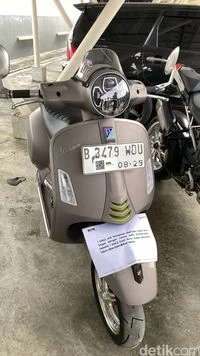
The Corruption Eradication Commission (KPK) has officially announced a massive public auction featuring a collection of high-end luxury vehicles seized as part of the asset recovery efforts following the high-profile corruption case involving the former Deputy Minister of Manpower, Immanuel Ebenezer, widely known as Noel. This auction, scheduled to take place simultaneously on December 9, 2026, represents a significant milestone in the state’s efforts to recoup financial losses incurred through extortion and gratification schemes within the Ministry of Manpower (Kemnaker). The fleet of seized goods includes a total of 25 units, consisting of 19 high-performance automobiles and 6 premium motorcycles, all of which were confiscated during the investigation into the illegal management of Occupational Safety and Health (K3) certificates.
A Comprehensive Catalog of High-Value Assets
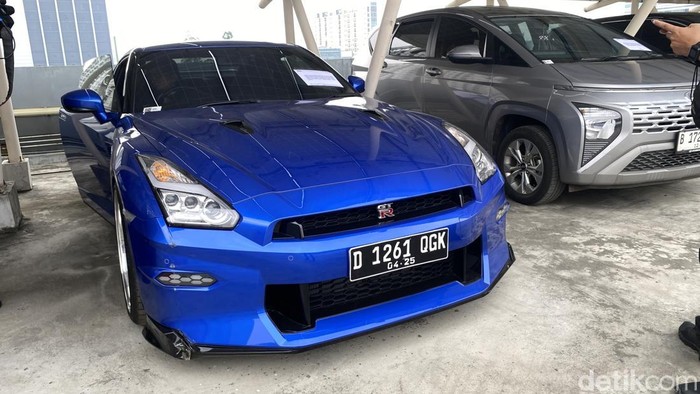
The upcoming auction has garnered significant attention from automotive enthusiasts and collectors across Indonesia due to the prestige of the vehicles involved. Among the most notable items is a Nissan GT-R, a legendary Japanese supercar often referred to as "Godzilla," known for its immense horsepower and sophisticated all-wheel-drive system. This vehicle alone is expected to draw a high starting bid, reflecting its status as a crown jewel in the collection of seized assets.
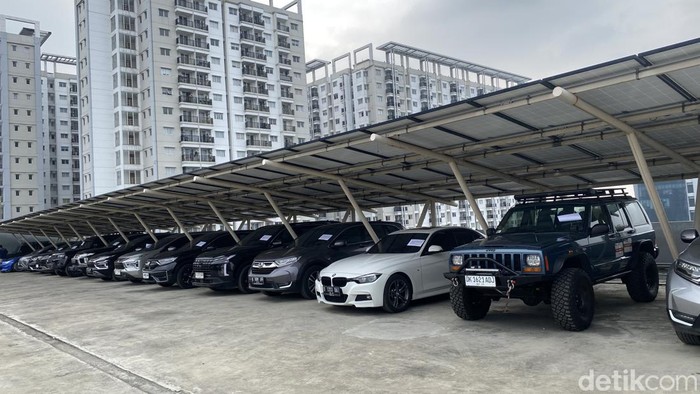
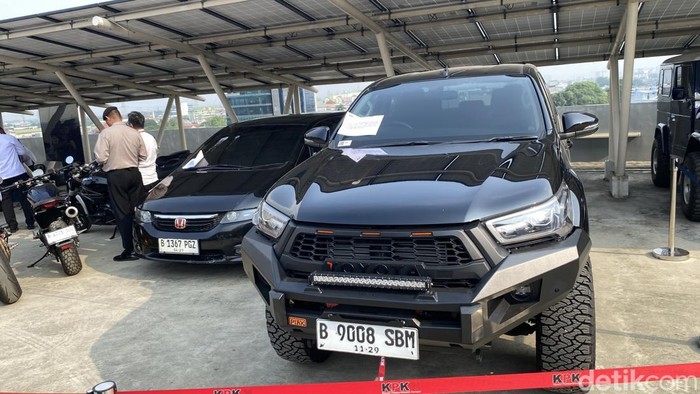
In addition to the high-performance Nissan, the car collection includes several other luxury and utility models. The list features a BMW 330i, a vehicle synonymous with executive sportiness and German engineering. For those seeking off-road capability combined with iconic design, a Suzuki Jimny is also on the roster. The auction further includes practical yet premium options such as the Toyota Hilux, a robust pickup truck favored for both commercial and personal use, and the Honda Odyssey, a high-end multi-purpose vehicle (MPV) known for its comfort and family-oriented features.
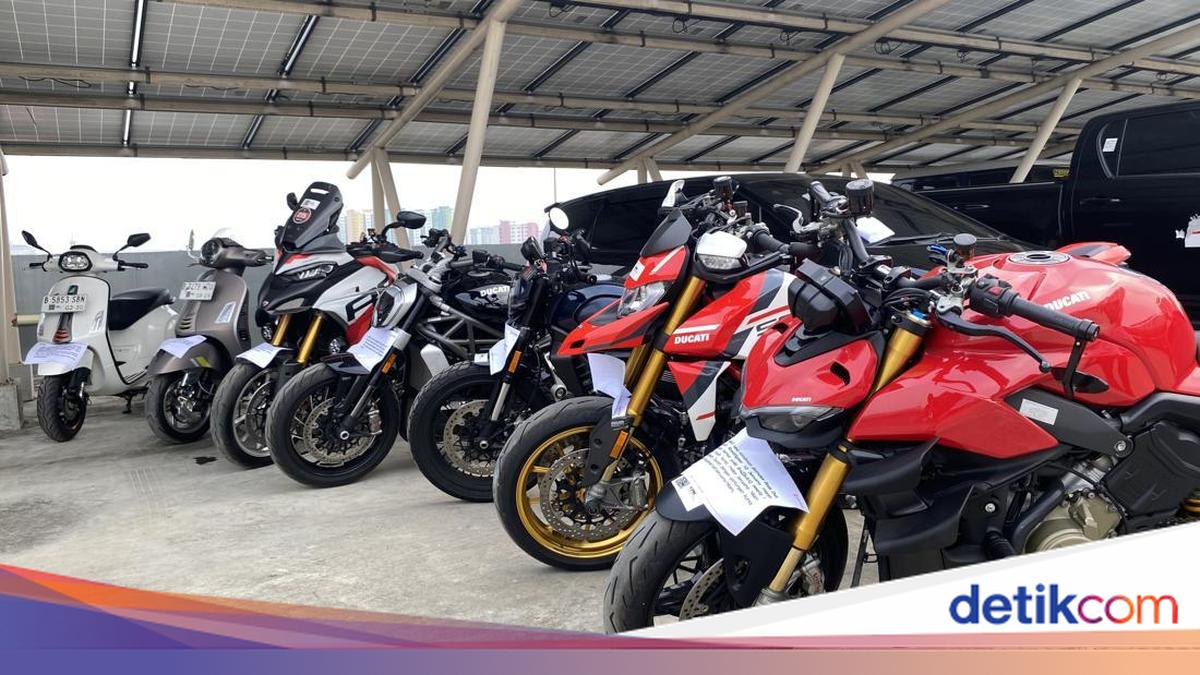
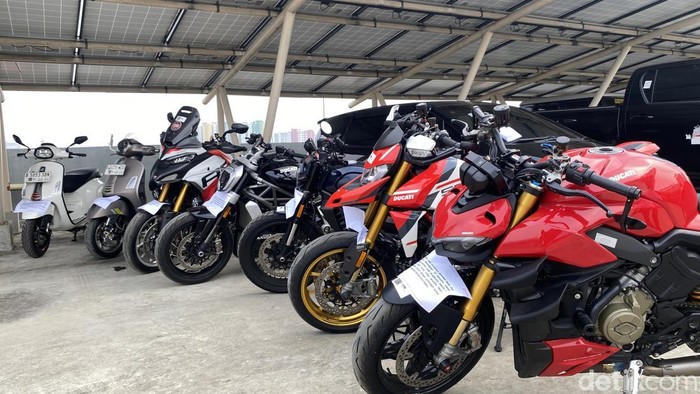
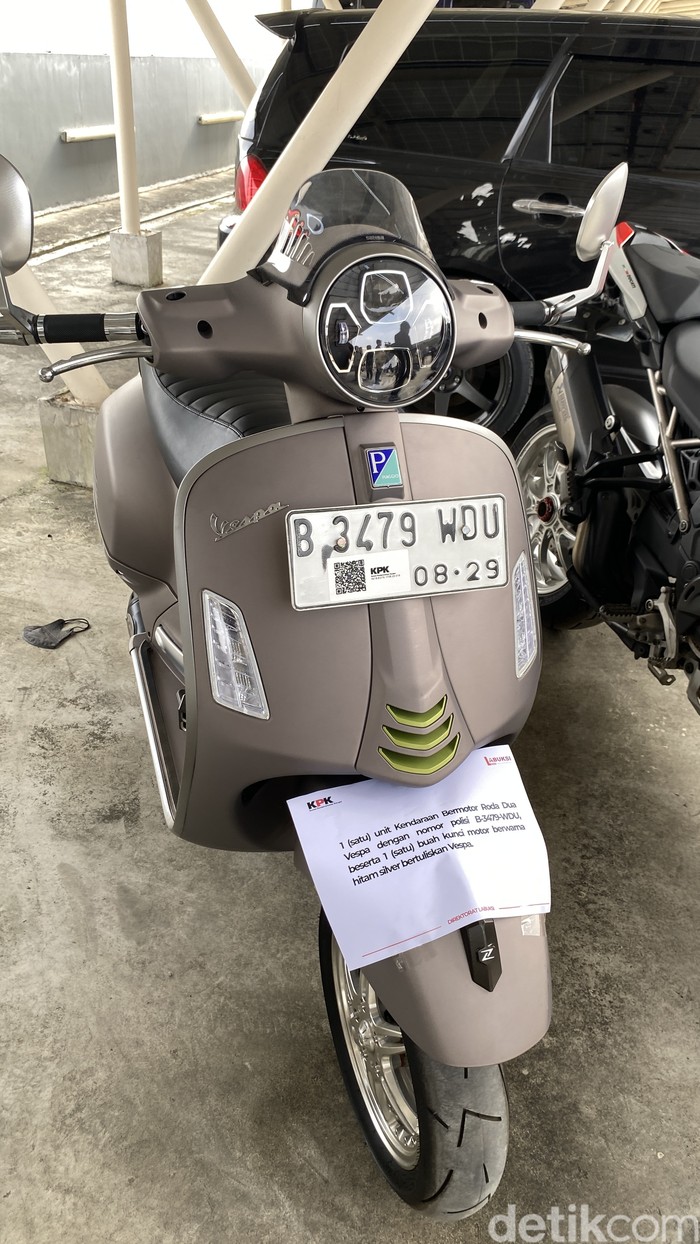
The motorcycle segment of the auction is equally impressive, dominated by the Italian manufacturer Ducati. The KPK will be putting six motorcycles under the hammer, including a Ducati Scrambler, known for its "post-heritage" design; a Ducati Streetfighter, which offers raw power in a naked bike format; a Ducati XDiavel, a premium cruiser; and a Ducati Multistrada V4S, a high-tech touring bike designed for long-distance performance. Rounding out the two-wheeled offerings is a Vespa Sprint with the license plate B-3479-WDU, a classic choice for urban mobility that remains a staple of lifestyle-oriented riders.
Background of the Corruption Case and K3 Certificate Extortion
The legal proceedings that led to this auction center on the actions of Immanuel Ebenezer during his tenure as the Deputy Minister of Manpower. The investigation conducted by the KPK revealed a systematic scheme of extortion and the acceptance of gratifications related to the issuance of Occupational Safety and Health (K3) certificates. In Indonesia, K3 certification is a mandatory requirement for companies operating in various sectors, including construction, manufacturing, and mining, to ensure that they adhere to national safety standards.
The prosecution successfully argued that Noel, alongside other officials within the ministry, leveraged his position to demand illicit payments from private companies in exchange for the expedited processing or guaranteed approval of these essential safety documents. This "pay-to-play" system not only undermined the integrity of the Ministry of Manpower but also posed a potential risk to public safety, as the rigor of the safety inspections could be bypassed through bribery.
Following a lengthy trial, the court found Noel guilty of violating anti-corruption laws, specifically those pertaining to civil servants or state organizers receiving gifts or promises related to their duties. As part of the final verdict, the court ordered the permanent seizure of assets acquired through these illicit funds, leading to the current inventory of cars and motorcycles being prepared for public sale.
The Role of Asset Recovery in the Anti-Corruption Framework
The KPK’s decision to auction these vehicles is a direct application of the "asset recovery" principle, which has become a cornerstone of Indonesia’s modern anti-corruption strategy. Beyond merely incarcerating corrupt officials, the state focuses on the "Follow the Money" approach to ensure that the proceeds of crime are returned to the public treasury.
By liquidating these high-value assets, the government aims to mitigate the financial damage caused by corruption. While the KPK has not yet released the official appraised value for the 25 units, the market value of the luxury brands involved—ranging from BMW and Nissan to Ducati—suggests that the auction will generate billions of rupiah. These funds are typically channeled back into the state budget, where they can be redirected toward public services, infrastructure, or anti-corruption education initiatives.
Furthermore, these auctions serve a symbolic purpose. The public display and sale of luxury goods owned by convicted officials act as a deterrent, signaling that the perks of corruption are temporary and that the state possesses the legal mechanisms to strip offenders of their ill-gotten wealth.
Procedural Details and Public Participation
The auction on December 9, 2026, is expected to be conducted through the State Assets and Auction Service Office (KPKNL), utilizing an online bidding platform to ensure transparency and wide-reaching accessibility. This method allows participants from various regions to place bids without needing to be physically present at the auction site, thereby maximizing the potential revenue for the state.
Prospective bidders are required to fulfill several conditions, including the payment of a security deposit for each item they intend to bid on. This deposit is usually a percentage of the starting price and is refunded if the bidder does not win the item. The KPK has emphasized that all vehicles are sold in "as-is" condition, and interested parties are encouraged to participate in open-house viewings (aanwijzing) prior to the auction date to inspect the physical state and documentation of the vehicles.
The inclusion of specific license plate details, such as the Vespa Sprint’s B-3479-WDU, provides a level of transparency that allows potential buyers to verify the history of the assets. The KPK has also ensured that all administrative hurdles, including the clearing of any outstanding taxes or legal encumbrances on the vehicles, are addressed before the handover to the winning bidders.
Broader Implications for Governance and Public Trust
The case of Immanuel Ebenezer and the subsequent auction of his assets highlights the ongoing challenges of eradicating corruption within the Indonesian bureaucracy. The Ministry of Manpower, as a regulator of the national labor market, holds significant power over the private sector. The exploitation of this power for personal gain remains a critical concern for the government’s efforts to improve the ease of doing business in the country.
Legal analysts suggest that this case may prompt a broader review of how K3 certificates and other ministerial permits are issued. There is a growing call for the full digitalization of the certification process to minimize human intervention and reduce the opportunities for face-to-face negotiations that often lead to bribery.
From a public perspective, the auctioning of these luxury items is often met with a mixture of fascination and indignation. While the high-profile nature of the vehicles makes for a compelling news story, it also serves as a stark reminder of the lifestyle disparity between corrupt officials and the general public. The successful execution of this auction is therefore vital for maintaining public trust in the KPK and the judicial system’s ability to hold high-ranking figures accountable.
Conclusion and Future Outlook
As the December 9, 2026, auction date approaches, the KPK is finalizing the logistics and legal paperwork for the 19 cars and 6 motorcycles. This event is more than just a sale of luxury transport; it is a manifestation of the state’s resolve to dismantle the financial foundations of corruption. The transition of these assets from symbols of illicit wealth to public revenue marks a closing chapter in one of the most talked-about corruption cases involving a deputy minister in recent years.
The proceeds from the auction of the Nissan GT-R, the Ducati fleet, and the other vehicles will provide a tangible return to the Indonesian people. Meanwhile, the legal precedent set by the seizure and auction process continues to refine the protocols for how the Indonesian government handles the spoils of white-collar crime. Moving forward, the focus remains on ensuring that the lessons learned from the Noel case lead to more robust institutional safeguards, preventing the office of the Deputy Minister or any other high-ranking position from being used as a tool for personal enrichment at the expense of the state’s integrity.