Tyo Susilo
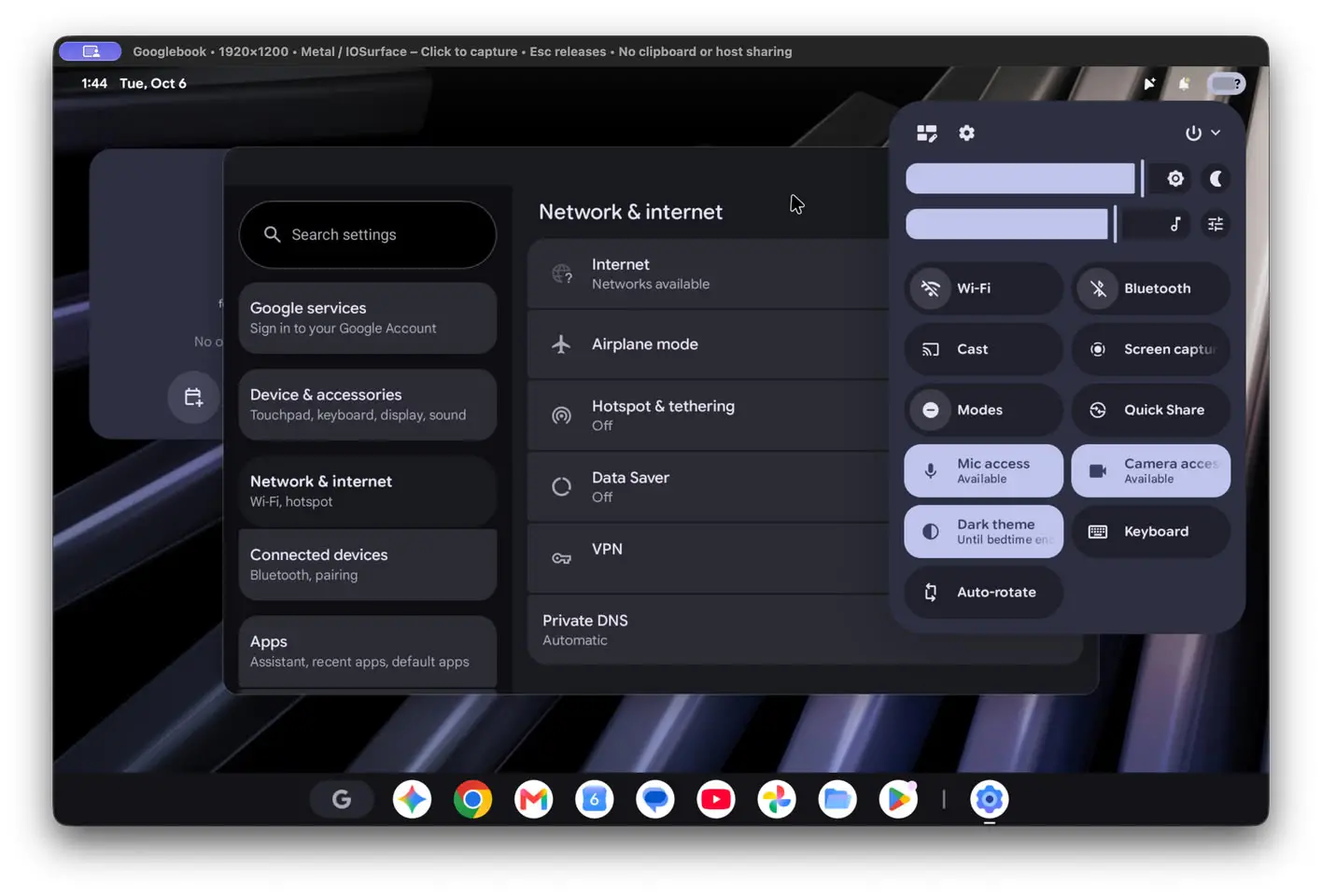
Valve is significantly broadening the reach of its SteamOS operating system, a move that signals a renewed and intensified commitment to its long-held vision of transforming the personal computer into a seamless, console-like gaming platform. With the latest iteration, SteamOS 3.8, the company is not only improving compatibility with a wider range of Intel and AMD hardware but is also actively collaborating with NVIDIA to overcome previous technical hurdles, aiming to bring the streamlined "Steam Machine" experience to a much larger segment of the gaming PC market. This strategic pivot signifies a departure from the exclusive, hardware-bound approach of the original Steam Machine initiative, towards a more flexible, software-centric ecosystem that empowers users to build their ideal gaming consoles from readily available PC components.
The Evolution of Valve’s Console-PC Hybrid Ambition
Valve’s pursuit of a console-like PC gaming experience has been a defining characteristic of its strategy for over a decade. The initial foray, the Steam Machine, launched in 2015, was a bold attempt to deliver a dedicated gaming appliance running SteamOS, designed to compete directly with established console manufacturers like Sony and Microsoft. While the concept garnered initial interest, the Steam Machine ultimately struggled to gain significant market traction. This was attributed to several factors, including a fragmented market of hardware manufacturers, a perceived lack of compelling exclusive titles, and the continued dominance of Windows as the de facto operating system for PC gaming.
Despite the lukewarm reception of the original Steam Machine, Valve did not abandon its underlying vision. The subsequent development of the Steam Deck, a portable gaming PC that runs a highly optimized version of SteamOS, proved to be a monumental success. The Steam Deck demonstrated the viability of a Linux-based operating system for delivering a polished and performant gaming experience, particularly with the advent of Valve’s own Proton compatibility layer, which enables many Windows games to run on Linux. This success appears to have emboldened Valve to revisit and expand its original PC-centric console ambitions, leveraging the lessons learned from the Steam Deck.
SteamOS 3.8: Opening the Gates to Broader PC Hardware
The release of SteamOS 3.8 marks a critical turning point in this ongoing evolution. As articulated by Pierre-Loup Griffais, a prominent designer on the Steam Deck and a key figure at Valve, in a recent interview with The Verge, the definition of a "Steam Machine" is no longer confined to a specific, pre-approved hardware configuration. "The Steam Machine concept is no longer tied to our own hardware," Griffais stated, effectively opening the floodgates for users to construct their own console-like gaming rigs using their preferred PC components. This declaration signifies a fundamental shift from a product-centric to an ecosystem-centric approach.
This expansion is underpinned by significant improvements in SteamOS 3.8, particularly in its compatibility with the latest generations of Intel and AMD processors and chipsets. This broadens the potential hardware base considerably, moving beyond the more specialized components often found in pre-built Steam Machines. The objective is clear: to provide a user-friendly, gaming-focused operating system that can transform virtually any modern gaming PC into a device that offers the simplicity and immersive experience associated with traditional game consoles. This means a streamlined interface, optimized for controller input, and a deep integration with the vast Steam library, all without the need to boot into a desktop Windows environment for gaming.

The Crucial NVIDIA Partnership: Bridging the Gap
Perhaps the most significant and anticipated development accompanying SteamOS 3.8 is Valve’s burgeoning collaboration with NVIDIA. Historically, NVIDIA’s proprietary drivers and their integration within the Linux ecosystem have presented a persistent challenge for Valve’s Linux-based gaming initiatives. While AMD’s open-source driver approach has generally facilitated smoother integration with Linux distributions like SteamOS, NVIDIA’s hardware has often lagged behind in terms of performance and stability within this environment.
Griffais acknowledged this challenge directly, confirming that the enhanced support for NVIDIA desktop GPUs is still in development and may not be fully realized within the current year. However, he emphasized that the collaboration is actively underway behind the scenes. This partnership is crucial for several reasons:
- Market Share: NVIDIA holds a substantial share of the discrete graphics card market, particularly within the enthusiast and high-performance gaming segments. Without robust NVIDIA support, a significant portion of the PC gaming audience would be effectively excluded from the SteamOS ecosystem.
- Performance Parity: Achieving performance parity with Windows for games running on NVIDIA hardware under SteamOS is a primary goal. This involves optimizing NVIDIA’s drivers and the SteamOS kernel to work in tandem, ensuring that gamers can enjoy their titles without compromising visual fidelity or frame rates.
- Developer Confidence: Improved driver support and stability can instill greater confidence in game developers to optimize their titles for SteamOS, further bolstering the platform’s appeal.
The implications of a successful NVIDIA-SteamOS integration are profound. It could dramatically reduce the primary technical barrier to widespread adoption, making SteamOS a genuinely viable alternative to Windows for a much larger audience of PC gamers. This could foster a more diverse and competitive PC gaming landscape, offering consumers more choices and potentially driving innovation across the industry.
Data and Context: The Growing Linux Gaming Scene
The timing of Valve’s renewed push for SteamOS on PC gaming is also noteworthy. The Linux gaming community has been steadily growing, fueled by advancements in compatibility layers like Proton and the increasing availability of native Linux titles. According to data from Steam’s hardware and software surveys, the percentage of users running Steam on Linux has seen a gradual increase over the past few years. While still a small fraction compared to Windows users, this upward trend indicates a growing interest and willingness among gamers to explore alternative operating systems for their gaming needs.
For instance, the December 2023 Steam Hardware Survey showed that Linux accounted for approximately 1.1% of all users. While this figure might seem modest, it represents millions of gamers. The Steam Deck alone has been credited with significantly boosting this number, demonstrating the potential for a well-supported Linux gaming platform. Valve’s strategy with SteamOS 3.8 is essentially to replicate the success of the Steam Deck’s software experience on a broader range of desktop and laptop hardware.
Analysis of Implications: A Challenge to Windows Dominance?
Valve’s strategic repositioning of SteamOS presents a compelling challenge to the long-standing dominance of Windows in the PC gaming market. By making SteamOS more accessible and compatible with a wider array of hardware, including NVIDIA GPUs, Valve is not just offering an alternative operating system; it’s proposing a fundamentally different gaming paradigm.

The "console-like" experience that Valve aims to deliver on PC hardware offers several potential advantages:
- Simplicity and Ease of Use: A dedicated gaming OS can eliminate the complexities often associated with managing a general-purpose operating system like Windows, such as background updates, software conflicts, and the need for extensive troubleshooting.
- Performance Optimization: SteamOS can be fine-tuned specifically for gaming, potentially leading to more efficient resource allocation and better performance for supported titles.
- Cost-Effectiveness: By enabling users to build their own console-like systems from off-the-shelf PC components, Valve could offer a more cost-effective path to a dedicated gaming appliance compared to purchasing a proprietary console.
- Openness and Customization: Unlike closed console ecosystems, SteamOS on PC allows for a high degree of user customization and hardware choice, appealing to PC builders and tinkerers.
However, significant challenges remain. The vast majority of AAA game titles are still developed primarily for Windows, and while Proton has made remarkable strides, it is not a perfect solution for every game. Achieving a level of compatibility and performance that rivals or surpasses Windows, especially with cutting-edge games and demanding hardware, will require sustained effort and ongoing development.
Furthermore, the success of this initiative will hinge on Valve’s ability to foster a robust developer ecosystem that actively supports SteamOS. While the existing Steam library is a massive advantage, ensuring that new releases are optimized for the platform, or at least run flawlessly through compatibility layers, will be paramount.
Looking Ahead: The Future of PC Gaming OS
The evolution of SteamOS from a niche operating system for Valve’s own hardware to a potentially mainstream choice for PC gamers marks a significant moment in the industry. The company’s willingness to embrace broader hardware compatibility, including the critical partnership with NVIDIA, underscores a strategic long-term vision. If Valve can successfully deliver on its promise of a seamless, console-like gaming experience across a diverse range of PC hardware, it could fundamentally alter the landscape of PC gaming, offering a compelling alternative to the status quo and potentially ushering in a new era of user choice and platform flexibility. The question of whether SteamOS can truly become a formidable competitor to Windows in the gaming arena now hinges on the continued success of these crucial technical and collaborative efforts.