Nila Kartika Wati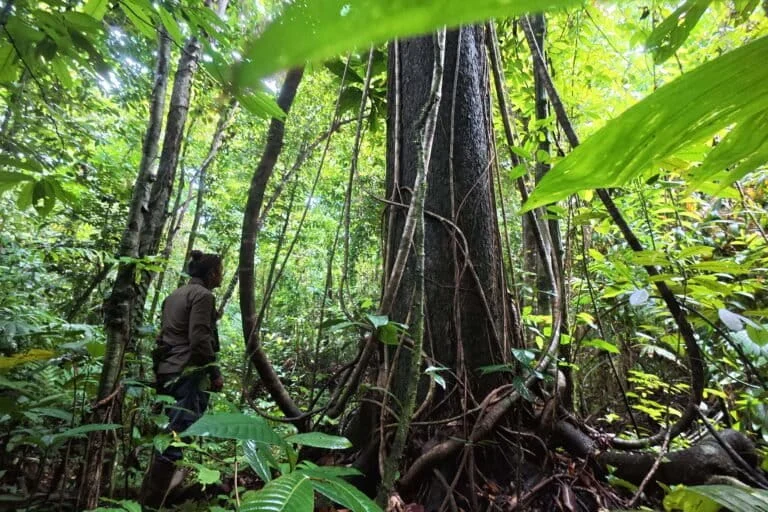
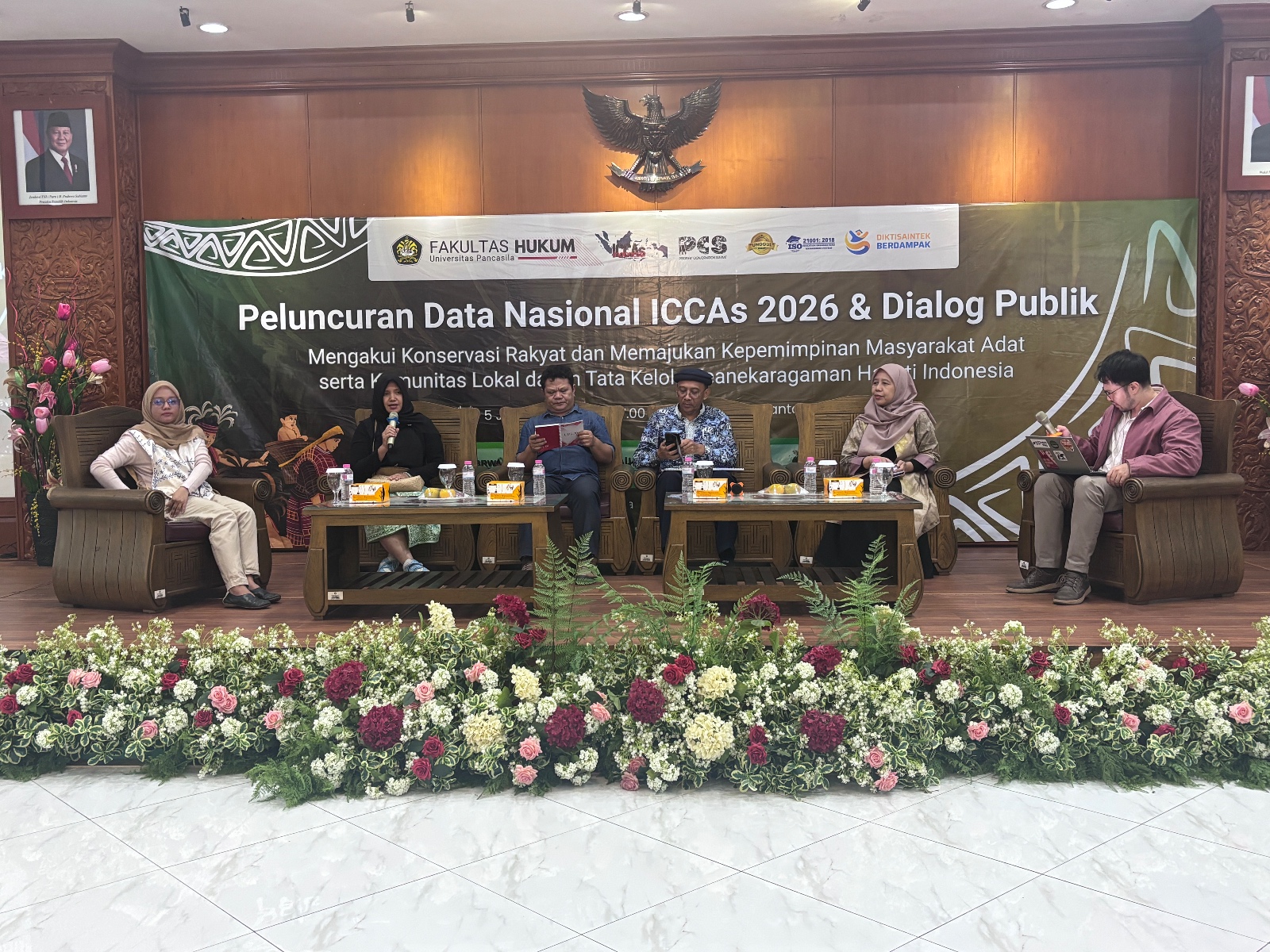
The Working Group ICCAs Indonesia (WGII) has officially released the 2026 National Data on Indigenous Peoples and Local Communities Conserved Areas and Territories (ICCAs), revealing that while over one million hectares are currently registered, the potential for community-led conservation in Indonesia extends to nearly 30 million hectares. This landmark report, unveiled during a public dialogue at the University of Pancasila in Jakarta, underscores the pivotal role of indigenous sovereignty in safeguarding the nation’s ecological future. Cindy Julianty, the Executive Coordinator of WGII, emphasized during the launch that indigenous peoples and local communities have served as the primary guardians of the Indonesian archipelago for centuries, utilizing sophisticated systems of traditional knowledge, cultural values, and social governance to maintain a harmonious balance with the natural world.
The event, titled "Recognizing People’s Conservation and Advancing Indigenous and Local Community Leadership in Indonesia’s Biodiversity Governance," brought together environmental experts, indigenous representatives, and policy analysts to discuss the paradigm shift required in modern conservation. The findings presented suggest that Indonesia is not merely a "megabiodiversity" nation in a biological sense but is also a global leader in "bio-cultural megabiodiversity," where human culture and environmental health are inextricably linked.
The Scale of Community-Led Conservation in Indonesia
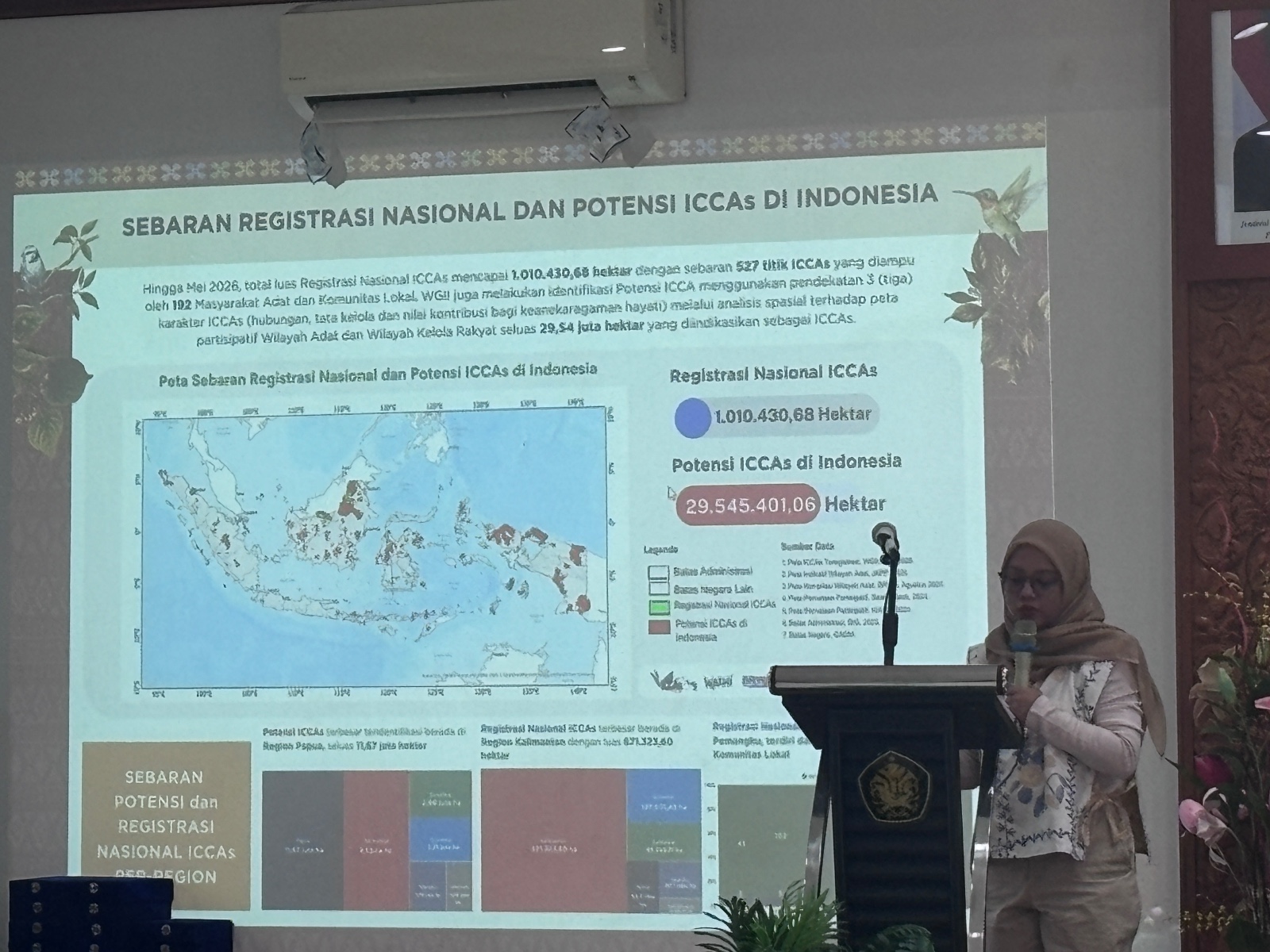
According to the data presented by Lasti Fardilla Noor, Knowledge Management Manager at WGII, the current status of the National Registration for ICCAs as of May 2026 stands at 1,010,430 hectares. This area, categorized as Areal Konservasi Kelola Masyarakat (AKKM) or Community-Managed Conservation Areas, is distributed across 527 distinct locations and managed by 192 indigenous and local community groups. While the one-million-hectare milestone is significant, WGII and its partners—including the Ancestral Domain Registration Agency (BRWA), the Indigenous Peoples Alliance of the Archipelago (AMAN), the Participatory Mapping Network (JKPP), the People’s Coalition for Fisheries Justice (Kiara), and Sawit Watch—have identified a much larger potential.
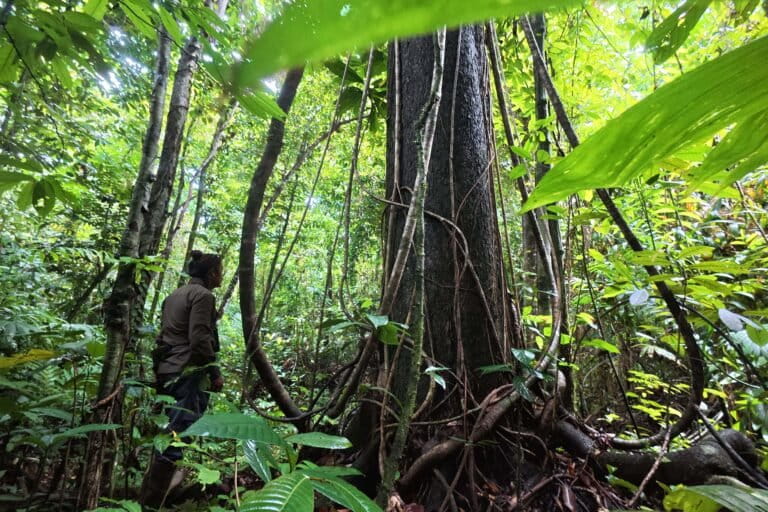
Through extensive participatory mapping and field identification, these organizations have determined that at least 29.5 million hectares across Indonesia qualify as potential ICCAs. This vast territory represents a mosaic of interconnected ecosystems, ranging from dense tropical rainforests and river systems to peat swamps, mangroves, seagrass beds, and coral reefs. The sheer scale of this identified area suggests that community-led conservation is not a marginal practice but a cornerstone of national environmental stability.
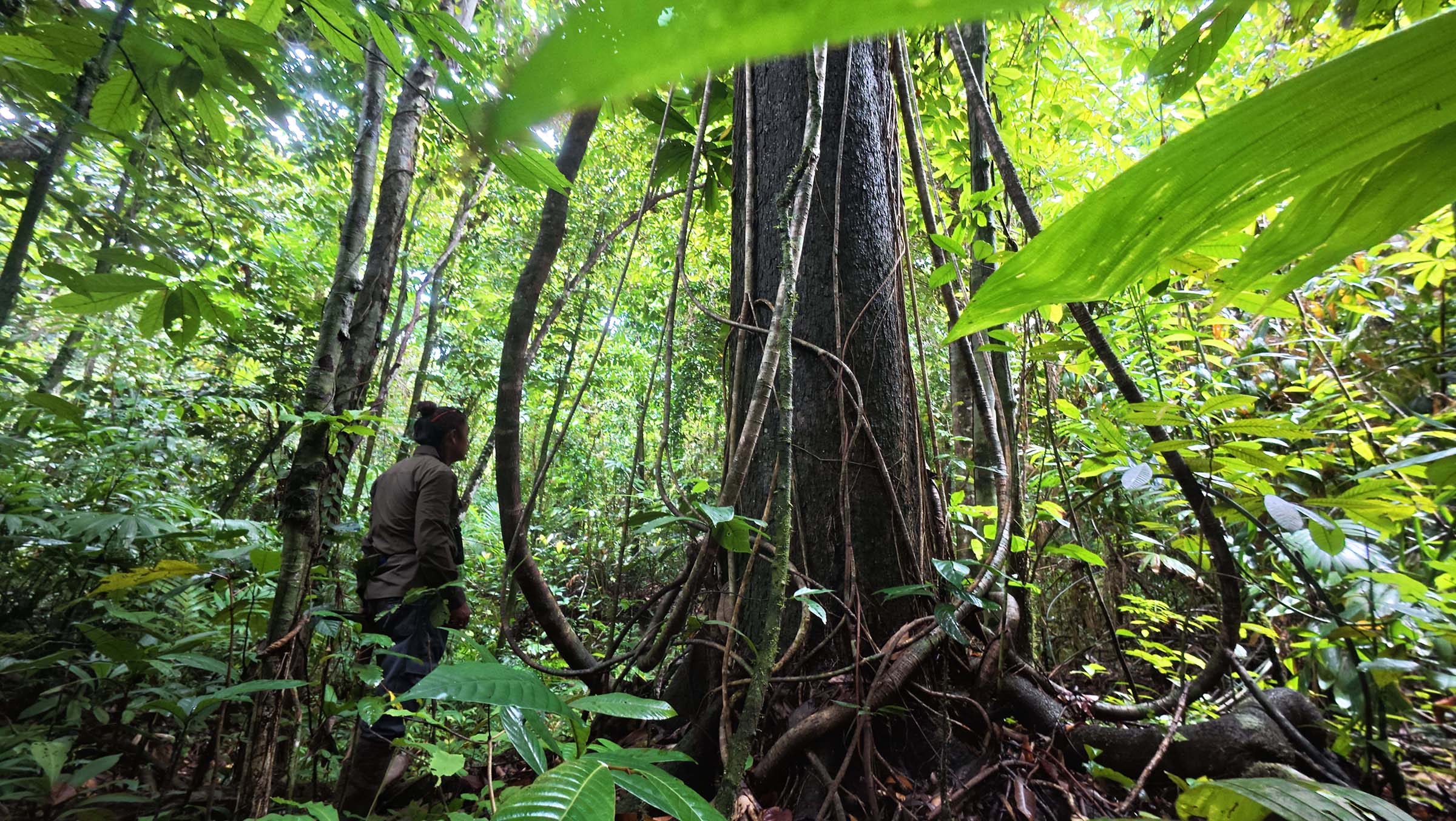
The analysis conducted by WGII reveals that 69.3% of these ICCAs possess vital ecological functions. Many of these territories overlap with internationally recognized Key Biodiversity Areas (KBAs), serving as critical habitats for endangered species. Specifically, the data indicates that more than 70% of Indonesia’s diverse bird species are found within these community-managed lands. This high level of biodiversity is not accidental; it is the direct result of centuries of sustainable stewardship.
Traditional Wisdom as a Tool for Modern Conservation
The success of indigenous conservation lies in its holistic approach, which contrasts sharply with the often-siloed methods of formal state-led conservation. In Maluku, the practice of Sasi—a traditional law that prohibits the harvesting of certain resources during specific seasons—has successfully maintained marine and terrestrial populations for generations. In the heart of Kalimantan, the Dayak people employ the concept of Tana Ulen, or restricted land, where resource extraction is strictly regulated to ensure long-term availability for the community.
Similarly, in Bali and Nusa Tenggara, the Awig-awig system provides a framework of customary regulations that govern social behavior and environmental management. In West Java, the Kasepuhan community protects forest tracts through the concept of Leuweung Titipan (entrusted forests), which are considered sacred and off-limits to commercial exploitation. These practices demonstrate that conservation is as much about human relationships and spiritual values as it is about protecting specific flora and fauna.
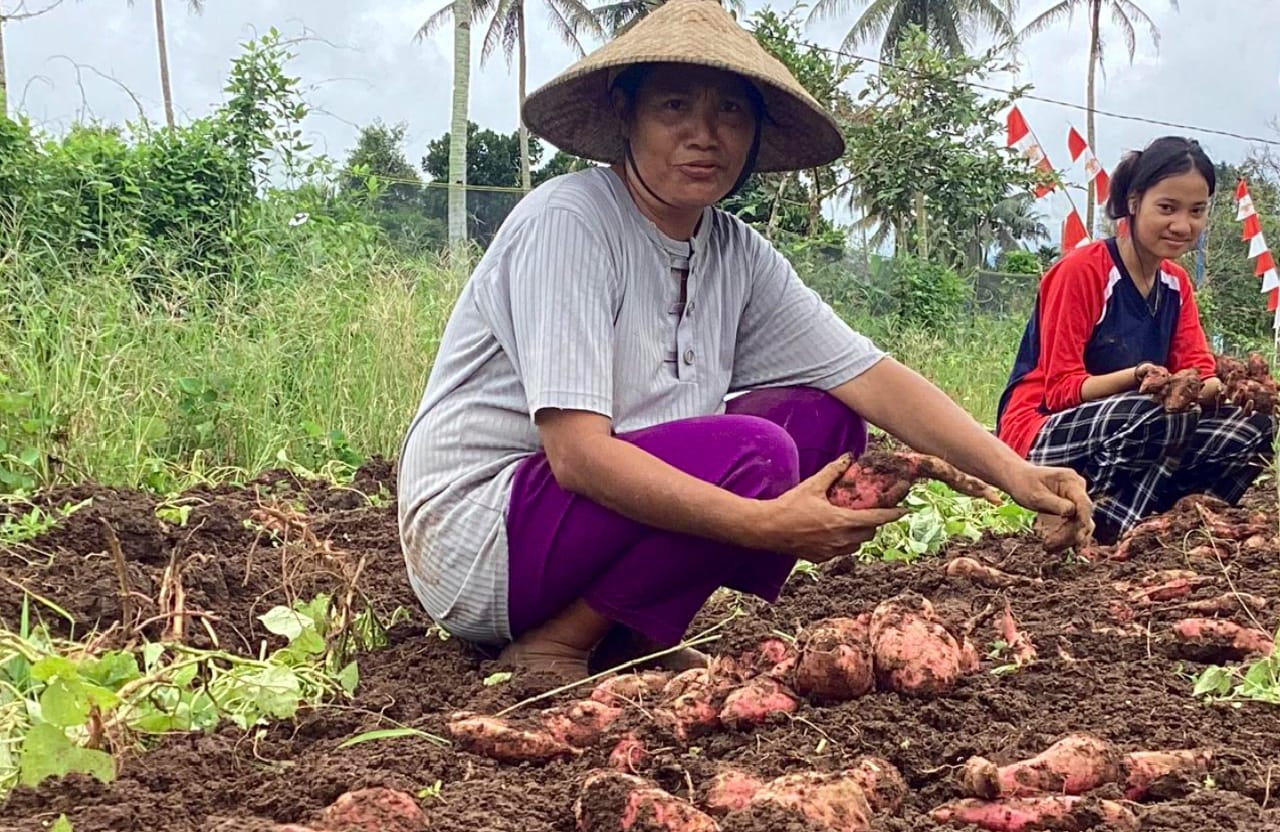
Lasti Fardilla Noor noted that for these communities, the land is not a "vacant space" or a commodity. It is a source of life that provides food, medicine, and cultural identity. WGII has documented more than 1,000 species of plants utilized by indigenous groups for various needs, including traditional medicine, ritual ceremonies, cosmetics, and sustainable construction materials. When these territories are lost to industrial expansion or extractive industries, the loss is twofold: the physical biodiversity vanishes, and the intangible cultural heritage and traditional knowledge systems that sustained that biodiversity are extinguished.
Shifting the Paradigm: Beyond Fortress Conservation
A central theme of the dialogue was the necessity of moving away from "fortress conservation"—a model that often seeks to protect nature by excluding human presence. Cindy Julianty argued that the current "triple planetary crisis" of climate change, biodiversity loss, and environmental pollution cannot be solved by bureaucratic measures or the expansion of formal state-protected areas alone. Scientific reports increasingly show that exclusionary conservation models often fail to address the root causes of ecological decline and can lead to social conflict.
Indigenous conservation, by contrast, is inherently inclusive. Its primary goal is not the protection of a single "charismatic" species for the sake of tourism or scientific study, but rather the ensurement of the community’s survival. By protecting the ecosystems that provide their water, food, and spiritual connection, indigenous peoples inadvertently protect the entire web of life within those boundaries. This "life-centric" approach has proven to be more resilient and effective than many top-down initiatives.
The WGII report highlights that the protection of species within ICCAs is comprehensive. While state parks might focus on high-profile animals like the orangutan or the Sumatran tiger, indigenous management protects the entire biological suite, including "non-charismatic" plants and animals that are essential for local food security and traditional medicine. This bottom-up approach ensures that conservation efforts are socially grounded and locally supported, leading to higher rates of compliance and long-term sustainability.
Alignment with Global Biodiversity Targets
The recognition of ICCAs in Indonesia aligns with a growing global consensus on the importance of indigenous rights in environmental policy. The Kunming-Montreal Global Biodiversity Framework (GBF), adopted at the UN Biodiversity Conference (COP15), explicitly identifies indigenous peoples and local communities as key partners in achieving global targets. One of the most ambitious goals of the framework is the "30×30" target, which aims to protect 30% of the Earth’s land and sea by 2030.
Experts at the Jakarta event pointed out that achieving the 30×30 target in Indonesia is virtually impossible without the formal recognition and support of ICCAs. With 29.5 million hectares of potential indigenous conservation land already identified, the Indonesian government has a clear pathway to meeting its international obligations while simultaneously upholding the constitutional rights of its citizens.
Cindy Julianty emphasized that the launch of the 2026 National Data is more than just a statistical update; it is a call to action for the government to harmonize national laws with the reality on the ground. Despite the clear ecological benefits, many indigenous communities still face legal precarity, with their lands often overlapping with mining concessions or industrial timber plantations. The lack of formal legal recognition makes these communities vulnerable to land grabbing and criminalization, which in turn threatens the biodiversity they protect.
Challenges and the Path Toward Legal Recognition
The transition from identifying potential ICCAs to ensuring their long-term protection faces significant hurdles. One of the primary challenges is the slow pace of legal recognition for customary forests (Hutan Adat) and indigenous territories. While the Indonesian Constitutional Court ruled in 2012 (Decision No. 35/PUU-X/2012) that customary forests are not state forests, the administrative process for communities to gain formal titles remains cumbersome and expensive.
Furthermore, the model of extractive development—driven by mining, large-scale monoculture plantations, and infrastructure projects—continues to encroach on community-managed lands. These industries often view indigenous territories as "underutilized" because they do not produce short-term commercial profits, ignoring the massive ecosystem services (such as carbon sequestration, water filtration, and climate regulation) that these lands provide for the entire nation.
To address these issues, the WGII and its partners are calling for a multi-stakeholder collaboration involving the government, academia, civil society, and the media. The goal is to create a policy environment where "people’s conservation" is seen as an asset rather than an obstacle to development. This includes the integration of ICCA data into national spatial planning and the provision of technical and financial support for community-based monitoring and management.
Implications for Indonesia’s Future
The implications of the 2026 National Data are profound. If the identified 29.5 million hectares are fully recognized and supported, Indonesia could solidify its position as a global leader in sustainable development. Such a move would not only protect the nation’s unique flora and fauna but also provide a buffer against the impacts of climate change. Indigenous-managed forests are often more resilient to wildfires and illegal logging than state-managed areas, as the communities have a direct, vested interest in their preservation.
Moreover, the recognition of ICCAs supports the "One Map Policy" of the Indonesian government, providing accurate, ground-truthed data on land use and ownership. By resolving land-use conflicts through the recognition of indigenous rights, the state can create a more stable and predictable environment for all stakeholders.
As the public dialogue concluded, the consensus among participants was clear: the evidence for the effectiveness of indigenous conservation is overwhelming. The challenge now lies in political will. "The practice is already there; it has existed for centuries," Cindy Julianty remarked. "The task now is to ensure these practices are recognized, protected, and supported by the state." The launch of the 2026 data serves as a roadmap for a new era of conservation in Indonesia—one that honors the past to protect the future.