Azin Asro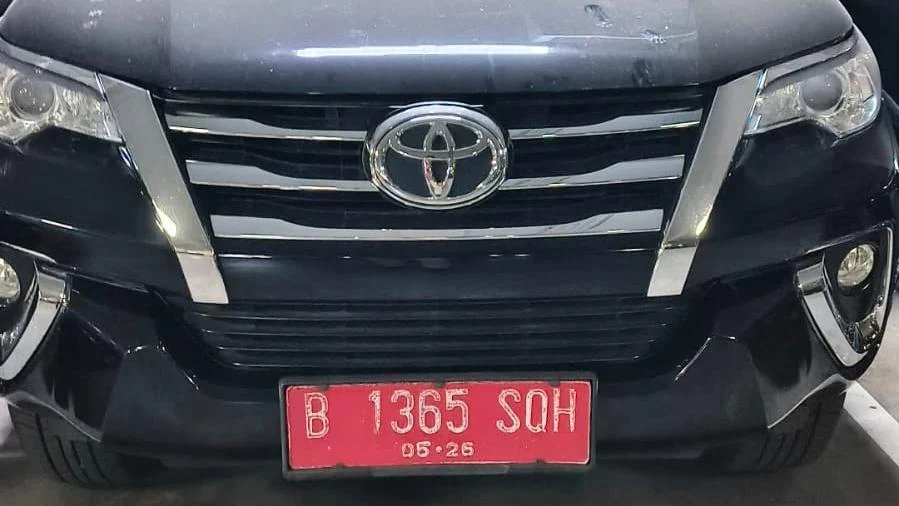
The Directorate General of Health Human Resources, operating under the auspices of the Indonesian Ministry of Health, has officially announced the public auction of a state-owned Toyota Fortuner 2.4 G. This strategic liquidation of government assets is being facilitated through the Jakarta II Office of State Assets and Auction Services (KPKNL Jakarta II). The vehicle, a 2016 diesel-powered model, has garnered significant attention from automotive enthusiasts and bargain hunters alike due to its remarkably low starting price, which is set well below the current secondary market valuation for similar SUVs in the Jakarta metropolitan area.
According to the official announcement published on the state auction portal, the white Toyota Fortuner carries a limit price—the minimum acceptable bid—of Rp 128,424,000. Prospective bidders are required to provide a security deposit (Uang Jaminan Lelang) of Rp 128,000,000 to qualify for the bidding process. This high deposit-to-limit ratio underscores the seriousness of the transaction and ensures that only committed buyers participate in the disposal of this state asset. While the vehicle represents a significant opportunity for acquisition, the auction documentation notes that the SUV is being sold in an "as is" condition, with visual evidence suggesting a period of dormancy, characterized by a thick layer of dust on the exterior bodywork and hood.
Vehicle Profile and Market Comparison
The Toyota Fortuner 2.4 G (2016) represents the early iterations of the second-generation Fortuner, often referred to as the "VRZ/G" generation in Indonesia. This model transitioned from the older KD engine series to the more efficient and powerful GD engine series. Specifically, the 2.4 G variant is equipped with the 2GD-FTV 2.4-liter inline-four diesel engine featuring a Variable Nozzle Turbocharger (VNT) and an intercooler. In its prime, this engine was capable of producing approximately 149 PS and 40.8 kgm of torque, making it a robust choice for both urban commuting and long-distance travel across the Indonesian archipelago.
In the current Indonesian used car market, a 2016 Toyota Fortuner 2.4 G typically commands a price ranging between Rp 310 million and Rp 360 million, depending on its mileage, service history, and overall condition. The auction’s starting price of Rp 128.4 million represents a potential discount of over 60% compared to retail prices. However, seasoned auction participants note that the final hammer price often climbs significantly as multiple bidders compete for the asset. Furthermore, the "as is" nature of the sale means the buyer must account for potential restoration costs, including engine servicing, fluid replacements, and detailing.
Fiscal Status and Tax Implications
A deep dive into the vehicle’s administrative records reveals a unique fiscal profile common to "Plat Merah" (red plate) or government-owned vehicles. Registered under the license plate B 1365 SQH, the vehicle’s data within the Jakarta Provincial Government’s Motor Vehicle Tax Information system lists a Sales Value (NJKB) of Rp 265,000,000. This figure serves as the basis for tax calculations and insurance valuations.
One of the most striking aspects of this specific unit is its annual tax obligation. For a vehicle of its size and engine capacity, the annual Motor Vehicle Tax (PKB) is recorded at approximately Rp 1.5 million. When including the Mandatory Road Accident Relief Fund (SWDKLLJ), the total annual payment is estimated at Rp 1,869,300. This low rate is primarily due to the preferential tax structures afforded to government-owned assets.
However, prospective buyers must be aware of the "Expired STNK" (Masa STNK Habis) status mentioned in the official data. This indicates that the vehicle’s registration has lapsed, and the successful bidder will be responsible for settling any outstanding administrative fees and penalties. Additionally, since the vehicle will be transferred from a government entity to a private individual or corporation, the buyer must undergo a "Balik Nama" (Transfer of Ownership) process. This will involve changing the plate from red to black, which will subsequently recalibrate the annual tax to standard private vehicle rates, likely increasing the annual PKB to the Rp 5 million to Rp 7 million range.
Auction Chronology and Procedural Requirements
The auction is scheduled to take place on Monday, June 29, 2026. The bidding window will remain open until the server-time deadline of 09:00 WIB on the same day. The process will be conducted entirely online through the official government portal, lelang.go.id, ensuring a transparent and competitive environment.
The timeline for interested parties generally follows a strict protocol:
- Announcement and Publication: The asset is listed publicly with all known specifications and legal caveats.
- Registration: Bidders must create and verify accounts on the KPKNL portal, uploading digital copies of their KTP (Identity Card), NPWP (Taxpayer Identification Number), and a valid personal bank account.
- Security Deposit (UJL): The required Rp 128 million must be paid in full (no installments) and must be received by the KPKNL account at least one day prior to the auction date.
- Bidding Phase: On June 29, 2026, the closed-bidding or open-bidding (depending on the specific setup) occurs digitally.
- Settlement: The winner is announced shortly after the 09:00 WIB deadline. The winning bidder is then granted five working days to settle the remaining balance plus a 2% buyer’s auction fee.
Failure to complete the payment within the stipulated five-day window results in a "wanprestasi" (default) status, and the entirety of the security deposit is forfeited to the State Treasury.
Legal Framework and "As Is" Conditions
The auction of state assets is governed by strict regulations to ensure accountability and the optimization of state revenue. Under the Ministry of Finance regulations, assets that are no longer optimal for government use or have reached a certain age are eligible for disposal. In this case, the Directorate General of Health Human Resources is following standard operating procedures for fleet rejuvenation.
Participants are urged to exercise due diligence. The "as is" clause (Clause 5 of the terms) is a critical legal protection for the seller. It stipulates that the buyer accepts the object in its current state, including all visible and hidden defects. Because the vehicle has been sitting idle—as evidenced by the dust—there are inherent risks regarding the integrity of the rubber seals, the condition of the diesel fuel inside the tank, and the health of the battery and electrical systems.
Logically, experts suggest that bidders should factor in an additional "contingency budget" of Rp 20 million to Rp 40 million for immediate post-purchase repairs. This would cover a major service, tire replacements if the current ones have flat spots from long-term parking, and the administrative costs of re-registering the vehicle for private use.
Broader Implications for the Used Car Market
The presence of high-demand SUVs like the Toyota Fortuner in government auctions often serves as a barometer for the broader used car market. The Fortuner is a "high-liquidity" asset in Indonesia, meaning it is easily resold due to the brand’s extensive service network and the model’s reputation for durability.
From a socio-economic perspective, these auctions provide an avenue for the public to acquire premium vehicles at more accessible price points, while simultaneously allowing the government to recover value from aging assets. The revenue generated from these auctions is funneled back into the state budget, which can then be reallocated for public services, including healthcare infrastructure and human resource development within the very department that previously owned the vehicle.
Furthermore, the transparency of the lelang.go.id platform represents a significant step forward in the digitalization of government services in Indonesia. By moving away from physical, in-person auctions, the Ministry of Finance has reduced the potential for "bid rigging" or "auction rings," providing a fairer playing field for individual citizens against large-scale used car dealers.
Conclusion for Prospective Bidders
As the June 2026 auction date approaches, the Toyota Fortuner 2.4 G from the Health Ministry remains one of the most anticipated listings in the Jakarta II KPKNL circuit. Its combination of a low starting bid, a reputable diesel powertrain, and the prestige associated with the Fortuner nameplate makes it a highly attractive proposition. However, the requirement for a nearly 100% security deposit and the "as is" condition means that this auction is best suited for those who have performed thorough financial and technical assessments.
Potential buyers are encouraged to visit the storage site if a viewing period (Aanwijzing) is provided by the KPKNL, to inspect the engine bay and interior condition. While the dust on the hood may be superficial, the underlying mechanical health of the 2GD-FTV engine will ultimately determine whether this auction remains a bargain or becomes a costly project. Regardless of the outcome, the sale of B 1365 SQH stands as a prime example of the ongoing efforts by Indonesian state institutions to manage public assets with transparency and fiscal responsibility.