Nila Kartika Wati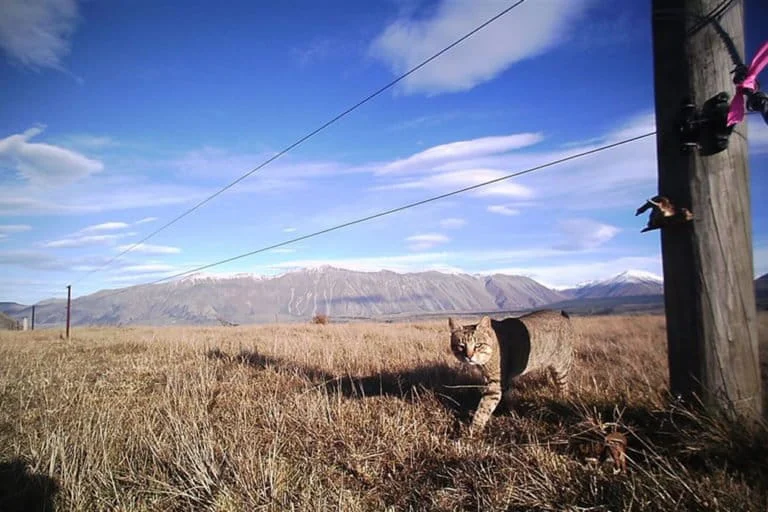
The global population of domestic cats, Felis catus, is estimated to have surpassed several hundred million individuals, establishing them as the most popular and widespread companion animal in human history. While they are cherished as beloved household pets and internet icons, a growing body of scientific research has placed them in a significantly more clinical and concerning category: one of the world’s most destructive invasive species. Alongside rats and feral dogs, cats are now recognized by ecologists and conservationists as a primary driver of the ongoing global biodiversity crisis, contributing to the decline and extinction of numerous bird, mammal, and reptile species across every continent except Antarctica.
The duality of the cat—as both a pampered indoor companion and a lethal outdoor predator—presents a complex challenge for environmental policy. While the impact of feral cats has been documented for decades, recent studies have increasingly turned their focus toward the "suburban predator," the domestic cat allowed by its owner to roam freely. The cumulative effect of these billions of individual hunting excursions has resulted in an ecological footprint that is fundamentally altering the balance of local fauna, particularly in vulnerable island ecosystems and fragmented urban green spaces.
The Scale of the Predation Crisis
The sheer volume of wildlife killed by cats is staggering and often difficult for the general public to visualize. In Australia, a nation that has become a focal point for invasive species research, the Department of Climate Change, Energy, the Environment and Water estimates that feral and domestic cats combined kill more than 1.5 billion mammals, 460 million birds, and 650 million reptiles every year. This is not merely a rural or "wild" problem; research indicates that even well-fed domestic cats retain their hunting instincts, often killing small animals without consuming them.
In the United States, a landmark study conducted by the U.S. Fish and Wildlife Service and the Smithsonian Conservation Biology Institute estimated that free-ranging domestic cats kill between 1.3 and 4.0 billion birds and 6.3 to 22.3 billion mammals annually. These figures make cats the single greatest human-linked threat to wildlife in the country, surpassing collisions with windows, vehicles, and the effects of pesticides. To date, the U.S. Fish and Wildlife Service has linked cat predation to the extinction of at least 33 species globally, a number that many scientists believe is a conservative estimate.
Evolutionary Naivety and the Island Effect
The most devastating impacts of cat predation are observed on islands, where native species evolved over millennia in the absence of mammalian predators. This isolation resulted in "evolutionary naivety," a condition where prey species lack the instinctual fear or defensive behaviors necessary to survive a modern predator like the cat.
In Western Australia, the numbat—a small, striped marsupial—has seen its population plummet to fewer than 1,000 individuals in the wild. Despite intensive habitat management, predation by cats remains the primary barrier to their recovery. Similarly, in New Zealand, the kakapo—a flightless, nocturnal parrot—was driven to the brink of extinction. While massive conservation efforts have managed to stabilize their numbers on predator-free offshore islands, the species remains critically endangered and cannot be reintroduced to the mainland as long as cats and other invasive mammals are present.
The vulnerability of island species was tragically illustrated in Tasmania in 2013. A single feral cat managed to breach a high-security captive breeding facility for the orange-bellied parrot, one of the world’s rarest birds. In a short period, the cat killed several breeding individuals, a catastrophic loss for a species that at the time had a wild population of fewer than 50 birds. This incident underscored a grim reality: even a single cat in the wrong location can undo decades of expensive conservation work.
Beyond Predation: Pathogens and Genetic Erosion
The threat posed by cats extends far beyond the physical act of hunting. Cats serve as the definitive host for Toxoplasma gondii, a parasite that can only complete its life cycle and produce eggs within the feline digestive tract. These eggs are shed in feces and can survive in soil and water for years. In Hawaii, the runoff of Toxoplasma into the ocean has been linked to the deaths of the endangered Hawaiian monk seal and the nene (Hawaiian goose). The parasite causes systemic organ failure in these species, which have no natural immunity to the pathogen.
In North America, cats have been identified as vectors for various feline-specific diseases that can jump to wild felids. In the early 2000s, an outbreak of feline leukemia, likely contracted from domestic cats, decimated the already fragile population of Florida panthers. This cross-species transmission remains a constant threat to large cat conservation efforts worldwide.
Furthermore, the domestic cat poses a "silent" threat through genetic hybridization. In Europe, the Scottish wildcat (Felis silvestris) is facing "genomic extinction." Centuries of interbreeding with free-roaming domestic cats have diluted the wildcat’s genetic pool to the point where "pure" wildcats are nearly non-existent in the wild. This genetic erosion effectively erases the unique evolutionary traits of the wild species, replacing them with the traits of the domestic variant.
The Landscape of Fear: Behavioral Alterations
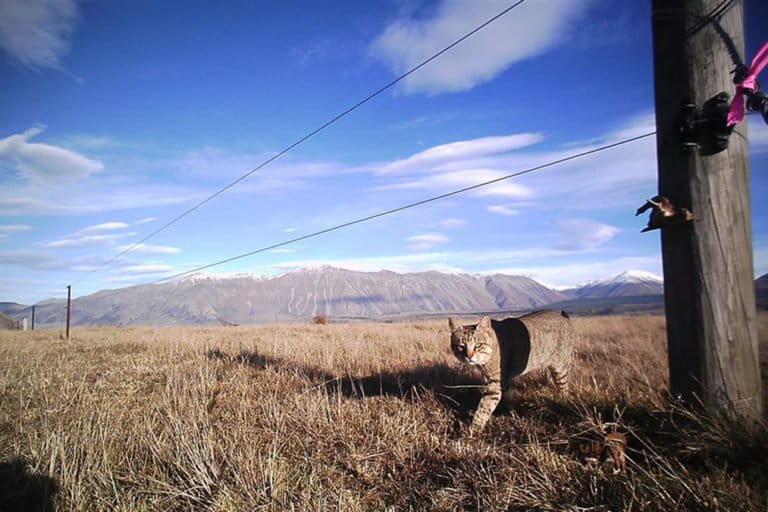
Recent ecological studies have highlighted a more subtle but equally damaging impact: the "landscape of fear." The mere presence of a predator in an environment changes the behavior of prey species, even if a kill is never made. Research utilizing motion-activated cameras and tracking devices has shown that small mammals and birds are significantly more active and spend more time foraging when cats are absent.
When cats are present, prey species spend more time hiding and less time feeding or mating. This chronic stress can lead to reduced reproductive success and higher mortality rates among offspring. For many bird species, the presence of a cat near a nesting site can cause parents to abandon their eggs or fail to provide enough food for their chicks. Over several generations, these behavioral shifts can lead to a slow decline in population density, even in areas where direct predation rates appear low.
Technological and Policy Responses
Recognizing the severity of the threat, governments and conservation organizations are deploying increasingly sophisticated methods to manage cat populations. On Kangaroo Island in South Australia, a massive eradication project is underway using a combination of traditional trapping and cutting-edge technology. This includes the use of "Felixer" grooming traps—automated devices that use lasers to identify the shape of a cat and spray a lethal dose of toxic gel onto its fur, which the cat then ingests during grooming.
Other regions are utilizing drones equipped with thermal imaging cameras to track feral cats in dense bushland, allowing for more targeted removal efforts. However, technology is only part of the solution. The debate over Trap-Neuter-Return (TNR) programs remains a point of contention. While animal welfare groups often advocate for TNR as a humane way to manage feral colonies, many conservationists argue that it is ineffective at reducing populations and does nothing to stop the cats from killing wildlife while they remain in the environment.
The Role of the Responsible Pet Owner
While feral cat management is a task for government agencies, the impact of the world’s billions of domestic cats rests squarely on the shoulders of their owners. Ecologists argue that the most effective way to protect biodiversity in urban and suburban areas is for owners to keep their cats indoors or within enclosed outdoor "catios."
Data shows that indoor cats live significantly longer lives, as they are protected from vehicles, diseases, and fights with other animals. Despite this, there is often cultural resistance to confinement. In many countries, the idea of a "free-roaming" cat is deeply ingrained. However, as the data on wildlife mortality becomes more undeniable, public opinion is beginning to shift. Some jurisdictions in Australia and the United States have already implemented "cat curfews" or mandatory confinement laws, requiring cats to be kept on the owner’s property at all times.
Conclusion and Future Implications
The domestic cat occupies a unique position in the human experience, bridging the gap between the wild and the domestic. However, the environmental cost of this relationship has reached a tipping point. As human development continues to encroach on natural habitats, the remaining wildlife is increasingly squeezed into smaller pockets of land where the presence of a highly efficient, non-native predator can be the final blow to a species’ survival.
The challenge moving forward is to reconcile the undeniable bond between humans and cats with the urgent need to preserve global biodiversity. This requires a transition in how society views cat ownership—moving away from the "free-roam" model toward a more controlled and responsible approach. The survival of hundreds of species may depend on the willingness of cat owners to recognize that their feline companions, however gentle they may seem at home, are part of a global predatory force that the natural world is ill-equipped to handle. Every decision to keep a cat indoors is not just a choice for the pet’s safety, but a significant contribution to the preservation of the delicate ecosystems that sustain life on Earth.