Nasution Nanang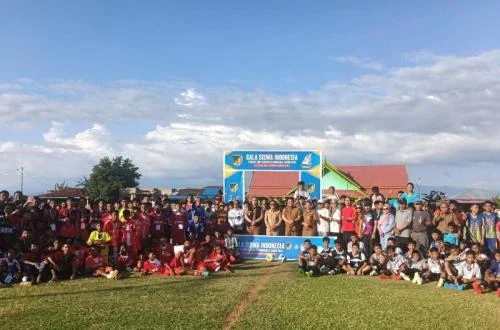
The Donggala Regency Government in Central Sulawesi is actively advocating for sports to become the primary platform and vehicle for the comprehensive character formation of its younger generation. This pivotal initiative, articulated by Donggala Regent Vera Elena Laruni during a significant address in Banawa on a recent Saturday, underscores a strategic commitment to nurturing well-rounded, resilient, and socially responsible citizens poised to lead the region into a prosperous future. The Regent’s statement reflects a deep understanding of the multifaceted benefits that sports offer, extending far beyond physical prowess to encompass a rich tapestry of life skills and ethical values essential for societal advancement.
The Bupati’s Vision: Cultivating Future Leaders
Regent Vera Elena Laruni emphasized that engagement in various sports activities provides an unparalleled educational environment where students can internalize crucial values that will serve as an invaluable foundation throughout their lives. These core values, central to the government’s character-building agenda, include discipline, which instills a sense of order and commitment; cooperation, fostering teamwork and collective achievement; honesty, promoting integrity and fair play; responsibility, cultivating accountability and diligence; and an indomitable spirit of perseverance, encouraging resilience in the face of challenges. According to Regent Laruni, these attributes are not merely desirable traits but indispensable assets for navigating the complexities of modern life and contributing meaningfully to community development.
The Regent further asserted that every student participating in a sports competition is not just an individual but a representative—a beacon for their school, their family, and, crucially, the future generation of Donggala Regency. This representational aspect places immense importance on their conduct and demeanor during competitive events. "Therefore," Regent Laruni stated, "their attitude and behavior during competition become incredibly crucial. These students must demonstrate sportsmanship, respect for their opponents, and uphold brotherhood throughout the match." This directive highlights the government’s expectation that sports serve as a crucible for ethical conduct, where victory is valued but integrity and respect are paramount. The emphasis on fair play and camaraderie over mere winning reflects a broader pedagogical approach, aiming to shape individuals who can not only excel but also collaborate and contribute positively within a community context.
The Multifaceted Classroom of Sports: Beyond Physicality
The vision put forth by the Donggala Regency Government recognizes sports as a dynamic, experiential classroom. Unlike traditional academic settings, the sports arena offers immediate feedback on actions, consequences of decisions, and the direct impact of individual and collective efforts. For instance, discipline is learned through adherence to training schedules, understanding rules, and maintaining focus under pressure. Cooperation blossoms as teammates learn to communicate, strategize, and support one another towards a common goal, often sacrificing individual glory for team success. Honesty is reinforced when athletes acknowledge fouls, accept referee decisions, and compete without deception, building trust and respect among peers. Responsibility is cultivated through commitment to practice, caring for equipment, and fulfilling one’s role within a team structure. Finally, perseverance is forged in the crucible of training, overcoming physical fatigue, bouncing back from defeats, and continuously striving for improvement. These are not abstract concepts but lived experiences that engrain character traits deeply within young participants.
Studies and empirical evidence consistently support the notion that sustained participation in organized sports positively correlates with enhanced cognitive functions, improved academic performance, and reduced engagement in risky behaviors among youth. For instance, a meta-analysis published in the Journal of Adolescent Health indicated that adolescents involved in sports programs exhibit higher self-esteem, better problem-solving skills, and a lower incidence of substance abuse compared to their non-participating counterparts. While specific local data for Donggala might be nascent, the national trend in Indonesia and global research reinforce the efficacy of sports as a robust youth development tool. Furthermore, the structured environment of sports provides a constructive outlet for adolescent energy, diverting it from potentially harmful activities and channeling it towards productive personal growth.
Donggala’s Demographic Landscape and Youth Imperatives
Donggala Regency, situated on the western coast of Central Sulawesi, is a region with a significant youth population. According to the latest available demographic data from Indonesia’s Central Statistics Agency (BPS), a substantial percentage of the nation’s populace, including that of Donggala, falls within the youth demographic (typically defined as 15-30 years old). This demographic dividend presents both an immense opportunity and a substantial challenge. If properly nurtured and empowered, this young cohort can drive economic growth, innovation, and social progress. Conversely, if left without adequate positive outlets, guidance, and character development, they may become vulnerable to social ills such as unemployment, radicalization, and disengagement, potentially hindering regional stability and development.
In the context of Central Sulawesi, and Donggala specifically, ensuring that young people possess strong character is paramount for sustainable development. The region, while rich in natural resources and cultural heritage, also faces socioeconomic disparities and the ongoing need for human capital development. Equipping youth with values like responsibility, integrity, and resilience through sports can directly contribute to building a more productive workforce, fostering entrepreneurial spirit, and cultivating a generation of ethical leaders who are less susceptible to corruption and more committed to collective well-being. This is particularly relevant in areas susceptible to environmental challenges, such as natural disasters, or social fragmentation, where strong community bonds and ethical leadership are crucial for crisis management, recovery, and fostering social cohesion. The long-term implications of investing in youth character extend to improved public services, better governance, and a more harmonious society.
Aligning with National Development Goals
The Donggala Regency Government’s initiative aligns seamlessly with broader national development agendas in Indonesia, such as the Gerakan Nasional Revolusi Mental (National Movement for Mental Revolution) and various youth empowerment programs spearheaded by the Ministry of Youth and Sports. These national programs emphasize the importance of instilling five core values: integrity, work ethic, mutual cooperation (gotong royong), independence, and nationalism. Sports, by its very nature, provides a practical and engaging mechanism to teach and reinforce these values. For instance, mutual cooperation is the bedrock of team sports, independence is fostered through individual training and decision-making, and nationalism can be expressed through representing one’s region or country in competitions. This localized strategy in Donggala thus contributes to the overarching national objective of creating a Pancasila-minded generation – one that embodies the state ideology’s principles.
Furthermore, the national government has consistently highlighted the role of sports in promoting public health and achieving the Sustainable Development Goals (SDGs), particularly those related to good health and well-being (SDG 3), quality education (SDG 4), and reduced inequalities (SDG 10). By promoting sports participation, Donggala is not only investing in its local youth but also contributing to Indonesia’s overall Human Development Index and its commitment to global development targets. The emphasis on character building through sports can be seen as a localized interpretation and implementation strategy for these overarching national objectives, tailoring them to the specific needs and context of Donggala. This synergistic approach ensures that local efforts resonate with and amplify national aspirations for a stronger, more resilient Indonesia.
The Strategic Role of Government and Community Support
Regent Vera Elena Laruni unequivocally stated that sports activities hold a "very strategic role" in shaping a young generation that is healthy, character-driven, and competitive. This recognition translates into a clear commitment from the local government to provide unwavering support for various initiatives that can serve as platforms for character building among students, particularly those outside the traditional school environment. "The local government supports various activities that can be a means of character building for students outside the school environment," she reiterated, signaling a proactive and holistic approach to youth development.
This support is multifaceted and could involve several key areas:
- Infrastructure Development: Investing in and upgrading sports facilities such as fields, courts, gymnasiums, and training centers to ensure widespread accessibility for all youth, regardless of their geographical location or socioeconomic background. This includes maintenance and modernization of existing facilities.
- Program Funding: Providing consistent financial assistance for local sports clubs, youth leagues, coaching certifications, and organizing regional and inter-school competitions. This also encompasses subsidizing participation fees for underprivileged youth.
- Policy Frameworks: Developing robust local regulations and policy frameworks that formally integrate sports and character education into broader youth development strategies, ensuring long-term institutional support and coherence.
- Community Engagement and Partnerships: Fostering strong collaborations with local sports organizations (like KONI Donggala), schools, parent associations, community leaders, and the private sector to create a robust and interconnected ecosystem for youth sports development. This includes leveraging corporate social responsibility (CSR) initiatives.
- Talent Identification and Development: Establishing structured pathways for talented young athletes to receive advanced training, mentorship, and opportunities for higher-level competition, ensuring that those with potential are not overlooked and can pursue their athletic aspirations.
- Curriculum Integration: Exploring innovative ways to formally or informally integrate aspects of sports values, health education, and physical literacy into the school curriculum, complementing extracurricular activities.
By actively endorsing and resourcing these programs, the Donggala Regency Government aims to create an enabling environment where sports are not just a recreational pastime but a structured and integral component of holistic education. Regent Laruni further urged all students to leverage sports competitions as a learning space to develop their full potential. She reiterated that character formation is inherently linked to sports, which inherently teach hard work, resilience, togetherness, and responsibility—qualities that transcend the playing field and become cornerstones of successful lives. This emphasis transforms sports into a powerful vehicle for youth empowerment and community building.
Voices from the Field: Stakeholder Perspectives
While specific quotes from other stakeholders were not provided in the original brief, it is logical to infer their perspectives given the nature of the initiative and the roles they play in youth development.
Local Sports Federation (e.g., KONI Donggala): A representative from the local sports governing body would likely express strong support for the Regent’s vision, recognizing its potential to invigorate sports at the grassroots level. They would emphasize the critical role of sports in physical health and mental well-being, reiterating the importance of sustained government backing for comprehensive sports development. "The Regent’s commitment is a huge boost for sports in Donggala," an official might state. "We believe that through structured sports programs, we can not only identify and nurture future athletes but also instill invaluable life lessons that prepare our youth for any challenge. Our federation stands ready to collaborate closely with the local government and schools to implement these initiatives effectively, ensuring fair play and broad participation."
Educators/School Principals: School leaders would likely welcome the emphasis on extracurricular character building, seeing it as a vital complement to academic curricula. A principal might remark, "Our schools strive to educate the whole child, and sports are an indispensable part of that. When students participate in sports, they learn discipline, leadership, and how to work as part of a team—skills that are directly transferable to the classroom and beyond. The government’s robust support for activities outside school hours significantly helps reinforce the values we teach daily, creating a more holistic educational experience."
Youth Representatives/Athletes: Young athletes themselves would likely share personal testimonies about the profound positive impact of sports on their development. A student athlete could say, "Playing football has taught me so much more than just scoring goals. I’ve learned about commitment, how to deal with losing gracefully, and how important it is to trust and communicate with my teammates. It’s helped me focus better in school, manage my time, and given me a strong sense of purpose. I’m proud to represent my school and my district, knowing that every game is a chance to grow not just as an athlete, but as a person." This perspective highlights the direct, lived experience of character development through sports.
Parents: Parents would generally view such initiatives positively, seeing them as healthy, structured outlets for their children’s energy and a protective factor against negative influences. A parent might comment, "In today’s world, there are so many distractions and pressures for young people, from social media to peer pressure. Having well-organized sports programs gives our children a positive environment to grow, learn respect, build lasting friendships, and develop healthy habits. It keeps them active and teaches them the value of hard work and perseverance, which is something every parent wants for their child’s future."
These inferred statements illustrate a broad consensus among key stakeholders regarding the importance and benefits of the government’s renewed focus on sports for character development, creating a unified front in support of Donggala’s youth.
Challenges and the Path Forward
While the vision articulated by Regent Laruni is commendable and strategically sound, its successful implementation will inevitably encounter a range of challenges that require careful planning and sustained effort. These include:
- Funding Sustainability: Sustaining comprehensive and high-quality sports programs requires consistent and substantial financial investment. Ensuring long-term funding beyond initial enthusiasm, especially for infrastructure maintenance, qualified coaching salaries, equipment procurement, and competition costs, will be critical. Reliance on ad-hoc funding could jeopardize program continuity.
- Accessibility and Equity: Ensuring that all youth, regardless of their geographical location within Donggala Regency (urban versus remote rural areas) or socioeconomic status, have equal access to quality sports facilities and coaching. Bridging this gap will require targeted outreach programs, mobile coaching units, and resource allocation specifically for underserved communities.
- Qualified Coaching: The effectiveness of character building through sports heavily relies on the quality and pedagogical skills of coaches. Investing in robust training and certification programs for coaches who not only understand sports techniques but also possess the ability to mentor, inspire, and instill values will be crucial. This includes continuous professional development to keep coaches updated with best practices.
- Balancing Academics and Sports: Encouraging widespread sports participation without compromising academic performance is a delicate balance. Schools, parents, and sports organizations need to collaborate to ensure students can excel in both areas, possibly through integrated schedules and academic support for student-athletes.
- Retention and Engagement: Keeping youth engaged in sports over the long term, especially as they face increasing academic pressures, career considerations, or alternative leisure activities, requires innovative and diverse program offerings that cater to varied interests and skill levels. Programs must remain relevant and exciting to maintain participation rates.
- Cultural and Traditional Barriers: In some communities, traditional gender roles or cultural practices might limit participation, especially for girls in certain sports. Addressing these requires sensitive community engagement, educational efforts, and the promotion of inclusive sporting environments that challenge stereotypes.
- Infrastructure Resilience: Given Donggala’s location in a disaster-prone region, ensuring that sports facilities are built and maintained to be resilient against natural calamities (e.g., earthquakes, tsunamis) is an ongoing challenge that requires robust planning and investment.
To overcome these challenges, the Donggala Regency Government could adopt a multi-pronged approach:
- Public-Private Partnerships: Actively collaborating with private sector entities for sponsorship, resource sharing, and expertise, leveraging their corporate social responsibility (CSR) initiatives.
- Community-Led Initiatives: Empowering and supporting local communities to organize and manage their sports programs with government oversight and technical assistance, fostering local ownership and sustainability.
- Integrated Planning: Developing a comprehensive long-term plan that integrates sports development with educational, health, and economic development strategies across the regency.
- Monitoring and Evaluation: Establishing robust systems to monitor the impact of sports programs on youth character development, physical health, and social indicators, making data-driven adjustments to improve effectiveness.
- Championing Diversity and Inclusion: Actively promoting participation across all genders, abilities, and socioeconomic backgrounds, ensuring that sports are accessible and welcoming to everyone.
- Regional Collaboration: Working with neighboring regencies and the provincial government to share best practices, resources, and organize larger inter-regional competitions.
Conclusion: A Foundation for Sustainable Growth
The Donggala Regency Government’s proactive stance on leveraging sports for youth character development marks a significant and far-sighted investment in the region’s future. By recognizing sports not merely as physical activity but as a powerful educational and social tool, Bupati Vera Elena Laruni and her administration are laying a strong foundation for a generation equipped with the discipline, integrity, teamwork, and resilience necessary to thrive in an increasingly complex world. This initiative is more than just about creating athletes; it is about cultivating responsible citizens, ethical leaders, and