Nasution Nanang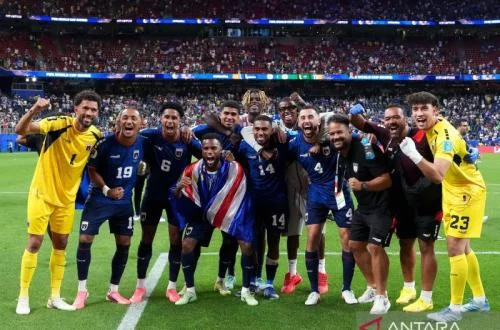
Goalkeeper Vozinha of the Cape Verde national football team has emphatically declared that his squad has proven its quality and capability to compete at the pinnacle of global football, a profound assertion made after the nation achieved a historic qualification for the Round of 32 at the 2026 FIFA World Cup in what marks their inaugural appearance in the prestigious tournament. This unprecedented achievement has not only etched Cape Verde’s name into the annals of World Cup history but also sent a resounding message across the international football landscape, challenging preconceived notions about smaller footballing nations.
The Rise of a Footballing Phoenix: Cape Verde’s Journey to the World Stage
Cape Verde, an archipelago nation off the west coast of Africa, has steadily been building its footballing prowess over the past two decades. Historically known more for its vibrant music and diaspora than its sporting achievements on a global scale, the nation’s football team, affectionately known as the "Blue Sharks," has quietly cultivated a competitive edge. Their ascent began with consistent qualifications for the Africa Cup of Nations (AFCON), making their debut in 2013 and subsequently participating in 2015, 2021, and 2023. These continental experiences were crucial in hardening the squad, exposing players to high-stakes international competition, and refining their tactical discipline. The qualification for the 2026 World Cup, however, represents a quantum leap, demonstrating the culmination of years of strategic development, investment in youth programs, and the invaluable contribution of a diaspora rich with talent playing in top European leagues. The path to the 2026 World Cup was arduous, navigating through a highly competitive CAF qualification structure where only a select few from Africa’s 54 nations earn a coveted spot. Cape Verde’s journey through the qualifiers was characterized by tenacious performances, tactical astuteness, and an unwavering team spirit that saw them overcome formidable regional rivals to secure their historic berth.
A Debut to Remember: Group Stage Chronicles
Cape Verde entered the 2026 World Cup as one of the tournament’s undisputed underdogs, with many pundits and analysts dismissing their chances of progressing beyond the group stage. Placed in Group H alongside footballing giants Spain, regional powerhouse Saudi Arabia, and a technically proficient Costa Rica, the task ahead appeared daunting. However, the Blue Sharks were resolute, fueled by a desire to prove their worth on the grandest stage.
Their World Cup campaign kicked off with an electrifying encounter against European champions Spain. In a match where they were expected to be overwhelmed, Cape Verde delivered a masterclass in defensive organization and tactical resilience. The veteran goalkeeper Vozinha, who has been a cornerstone of the national team for years, produced a series of crucial saves, denying Spain’s star-studded attack on multiple occasions. The match concluded in a stunning 0-0 draw, earning Cape Verde their first-ever World Cup point and Vozinha his first clean sheet of the tournament. This result sent shockwaves through the footballing world and immediately signaled that the Blue Sharks were not merely participants but genuine competitors.
The second group stage fixture saw Cape Verde face Costa Rica. Building on the momentum from their draw against Spain, the Blue Sharks once again showcased their defensive solidity, coupled with moments of incisive counter-attacking football. While they managed to find the back of the net through a well-worked set-piece, Costa Rica equalized later in the game, resulting in a hard-fought 1-1 draw. This outcome demonstrated Cape Verde’s ability to score against established international teams while maintaining their defensive discipline, further solidifying their position as a difficult opponent to break down.
The decisive third group stage match pitted Cape Verde against Saudi Arabia, with qualification for the Round of 32 hanging in the balance. The atmosphere was tense, with both teams knowing that a victory, or a favorable draw coupled with other results, could secure their passage. Cape Verde approached the game with their characteristic blend of defensive pragmatism and disciplined pressing. The match was a cagey affair, marked by strategic battles in midfield and limited clear-cut chances for either side. Vozinha once again stood tall, commanding his defense and thwarting any Saudi Arabian attempts to breach their goal. The final whistle blew with the score remaining 0-0, marking Cape Verde’s third consecutive draw and, crucially, their second clean sheet of the tournament. This hard-earned point was enough to secure their passage to the Round of 32 as the runner-up of Group H, sparking jubilant celebrations among the players, coaching staff, and their fervent supporters.
Vozinha: The Veteran Guardian and Vocal Leader
At the heart of Cape Verde’s remarkable defensive record and inspiring run has been the venerable goalkeeper, Vozinha. At 40 years old, Vozinha embodies experience, leadership, and an unyielding will to succeed. His performances throughout the group stage were nothing short of heroic, consistently making vital saves and organizing his defense with authority. His two clean sheets against formidable opponents like Spain and Saudi Arabia underscore his enduring quality and importance to the team.
Following the qualification, Vozinha did not mince words when addressing the media. "Perhaps many thought Cape Verdean players weren’t good enough, but we came here to show that we truly possess quality and are capable of competing," he told reporters after the match against Saudi Arabia, as quoted by CnA. "Our players can play anywhere, including in major competitions and the best leagues in the world." His statement was not just a celebration of their achievement but a powerful declaration against the skepticism that often surrounds teams from smaller nations. He emphasized that the success was not merely the result of individual brilliance but "the fruit of the struggle of all team members who surpassed all predictions." This sentiment highlights the collective effort, tactical cohesion, and profound belief that permeated the Cape Verdean squad.
Statistical Snapshot of a Surprising Run
Cape Verde’s journey to the Round of 32 is backed by compelling statistics that belie their underdog status. In three group stage matches, they secured three draws, accumulating three points. Their defensive record was particularly impressive, conceding only one goal across the entire group stage, a testament to their disciplined backline and Vozinha’s stellar goalkeeping. Two clean sheets against top-tier opponents further solidify their defensive credentials. While their offensive output was modest, with just one goal scored, it was enough to complement their robust defense and secure progression. Prior to the tournament, Cape Verde typically hovered outside the top 60 in the FIFA World Rankings, a position that would place them significantly lower than most World Cup participants. This context further magnifies the scale of their achievement, as they outperformed teams ranked considerably higher. The squad itself is a testament to the global nature of modern football, with many players plying their trade in various European leagues, from Portugal and France to less prominent divisions, gaining invaluable professional experience that they bring back to the national team.
Broader Impact and National Euphoria
The qualification for the Round of 32 has ignited an unprecedented wave of national pride and euphoria across Cape Verde and its vast diaspora. For a nation of approximately half a million people, this footballing success transcends mere sport; it is a powerful symbol of national identity, resilience, and potential. The streets of Praia, Mindelo, and other towns are likely to have erupted in joyous celebrations, as citizens revel in their team’s historic accomplishment. This achievement will undoubtedly inspire a new generation of Cape Verdean athletes, encouraging greater participation in sports and fostering dreams of emulating their national heroes.
Beyond national borders, Cape Verde’s success sends a potent message to the global football community, particularly for African football. It underscores the increasing depth and competitiveness within the Confederation of African Football (CAF) and challenges the established hierarchy of international football. It demonstrates that with proper organization, tactical discipline, and collective belief, any nation, regardless of its size or historical footballing legacy, can compete and succeed at the highest level. This narrative is crucial for fostering inclusivity and diversity in major tournaments, moving beyond the traditional powerhouses.
The Road Ahead: A Date with Destiny Against Argentina
As the dust settles on their group stage heroics, Cape Verde now faces its most formidable challenge yet: a Round of 32 clash against the reigning World Champions, Argentina. The prospect of facing Lionel Messi and a squad brimming with world-class talent is a monumental task. Argentina, known for its attacking flair, tactical sophistication, and rich footballing heritage, will present an entirely different set of challenges compared to their group stage opponents.
For Cape Verde, the approach will likely remain rooted in their proven strengths: defensive solidity, tactical discipline, and exploiting counter-attacking opportunities. The coaching staff will undoubtedly spend countless hours analyzing Argentina’s strengths and weaknesses, devising a strategy to nullify their potent attack while seeking any slivers of opportunity to create chances. While the odds will be heavily stacked against them, Cape Verde has already proven their ability to defy expectations. Their journey thus far has been a testament to their fighting spirit, and they will undoubtedly approach the match against Argentina with the same unwavering belief and determination that has carried them to this historic point. Regardless of the outcome against the defending champions, Cape Verde has already secured its place in footballing folklore, turning its debut World Cup appearance into an unforgettable saga of triumph against the odds. The Blue Sharks have not only competed; they have truly arrived.