Azin Asro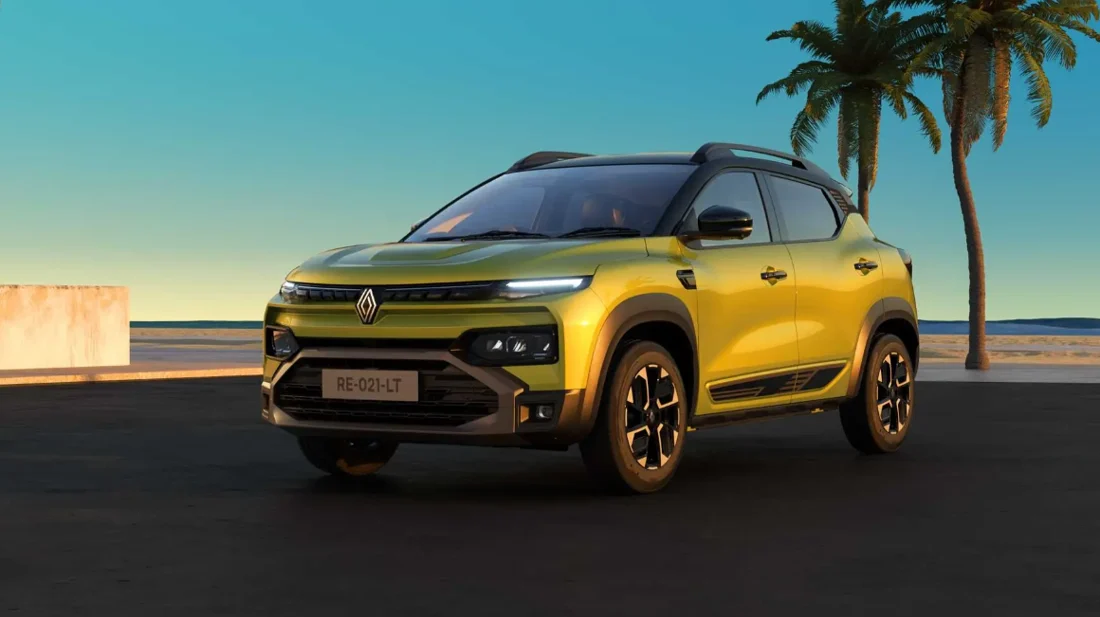
The European automotive giant Renault has officially expanded its footprint in the highly competitive sub-compact SUV market with the debut of the latest Renault Kiger. While the French marque maintains its global headquarters in Boulogne-Billancourt, France, this specific iteration of the Kiger is a product of extensive regional engineering, having been developed and manufactured at the company’s facility in Chennai, India. This strategic move underscores Renault’s commitment to the "Make in India" initiative, tailoring a vehicle specifically for emerging markets that demand a blend of rugged aesthetics, urban maneuverability, and cost-efficiency. The 2026 model year update brings a refined variant structure designed to offer consumers more granular choices in terms of features and powertrain combinations, ensuring the Kiger remains a formidable challenger in one of the world’s most crowded automotive segments.
Strategic Evolution of the Renault Kiger Portfolio
Since its initial global debut, the Renault Kiger has served as a cornerstone of the brand’s strategy in South Asia and Southeast Asia. Built on the CMF-A+ (Common Module Family) platform—a collaborative engineering effort between Renault and Nissan—the Kiger shares its DNA with the Nissan Magnite. However, the 2026 update focuses on optimizing the value proposition through a restructured trim hierarchy. Renault has introduced a total of eight distinct variants, categorizing them based on transmission types and feature sets to cater to a broad demographic of buyers, from first-time car owners to tech-savvy urban professionals.
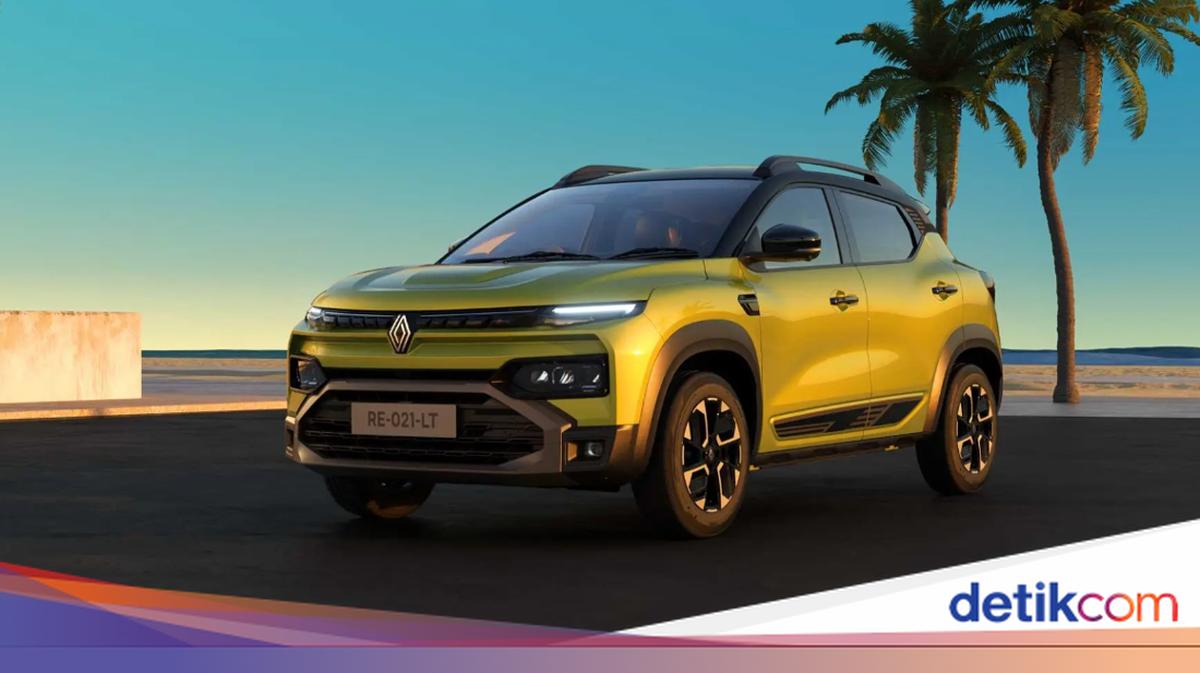
For the manual transmission enthusiasts, the lineup now includes the Authentic, Evolution, Evolution+, Techno, and Emotion trims. Meanwhile, those seeking the convenience of an automated manual transmission (AMT) can choose from the Evolution, Evolution+, and Techno trims. This diversification allows Renault to hit multiple price points, ensuring that the Kiger remains accessible while offering premium upgrades for those willing to invest in higher-tier comfort and technology.
Detailed Analysis of the New Evolution Plus Variant
The centerpiece of the 2026 update is the introduction of the Evolution+ variant. Strategically positioned between the mid-tier Evolution and the high-spec Techno trims, the Evolution+ is designed to be the "sweet spot" for value-conscious consumers. Market research indicated a significant gap where customers wanted premium convenience features without the substantial price jump to the top-of-the-line models.
The Evolution+ variant is available across three powertrain configurations: the 1.0-liter naturally aspirated (NA) petrol engine with both manual and AMT options, and the 1.0-liter turbocharged petrol engine with a manual gearbox. This variant significantly raises the bar for mid-trim expectations by incorporating features previously reserved for flagship models. Key highlights include the Renault Smart Access Card, which allows for keyless entry and exit, and a push-button start/stop system.
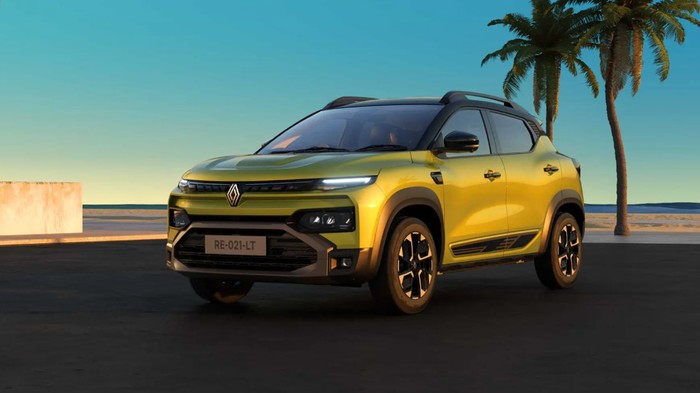
Interior comfort in the Evolution+ is further enhanced by the inclusion of a height-adjustable driver’s seat, a critical feature for ergonomic driving in diverse road conditions. Technological integration is handled via a wireless smartphone replication system, allowing seamless connectivity for navigation and media without the clutter of cables. Furthermore, the cabin environment is managed by an automatic climate control system, and the aesthetic appeal is refreshed with new fabric upholstery featuring contemporary patterns.
Powertrain Specifications and Performance Dynamics
Renault continues to offer the Kiger with two distinct engine choices, both engineered for a balance between fuel efficiency and urban performance. The entry-level "Energy" engine is a 1.0-liter three-cylinder naturally aspirated unit. This engine is optimized for city commuting, providing sufficient torque for stop-and-go traffic while maintaining low operational costs. It can be paired with either a five-speed manual transmission or a five-speed Easy-R AMT, the latter being a popular choice for those navigating congested metropolitan areas.
For drivers seeking a more spirited performance, Renault offers the 1.0-liter three-cylinder turbocharged petrol engine. This powerplant delivers a robust 100 PS of power and is available with either a five-speed manual transmission or the advanced X-Tronic CVT (Continuously Variable Transmission). The turbocharger ensures that the Kiger has the necessary "punch" for highway overtaking and uphill climbs, addressing one of the primary demands of the modern SUV buyer. The X-Tronic CVT, in particular, is lauded for its smoothness and ability to keep the engine in its most efficient power band, reducing the "rubber band" effect often associated with older CVT units.
Practicality and Dimensions: Designed for Challenging Terrains
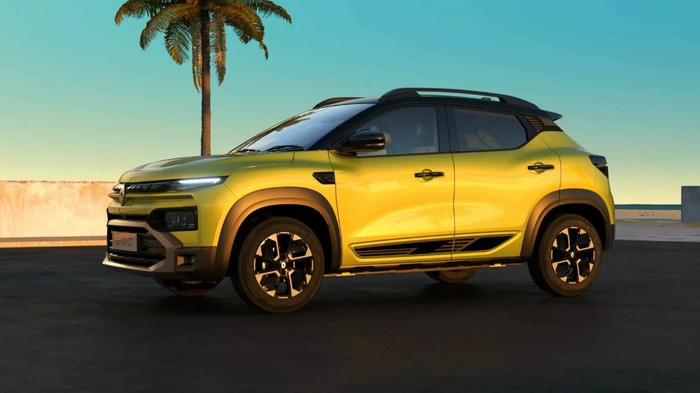
A defining characteristic of the Renault Kiger is its "SUV-first" design philosophy. Despite its compact dimensions, which fall under the critical four-meter length threshold for tax benefits in India, the vehicle offers class-leading practicality. The Kiger boasts a ground clearance of 205 mm, which is essential for navigating unpaved roads, high speed bumps, and water-logged streets—common challenges in its primary markets.
Storage capacity remains a significant competitive advantage for the Kiger. It offers a boot capacity of 405 liters, which can be further expanded by folding the rear seats. Within the cabin, Renault has maximized space utilization by providing 29 liters of storage across various compartments, including a large glovebox and center console. Additionally, the functional roof rails are not merely aesthetic; they are rated to carry a load of up to 50 kg, making the vehicle suitable for weekend getaways and light adventure hauling.
Market Positioning and Pricing Strategy
The pricing strategy for the 2026 Renault Kiger reflects the brand’s aggressive stance against domestic and international rivals. The non-turbo variants of the Kiger start at an entry price of 5.81 lakh Indian Rupees (approximately USD 7,000 or IDR 110 million). This aggressive entry point allows Renault to compete with premium hatchbacks while offering the aspirational value of an SUV.
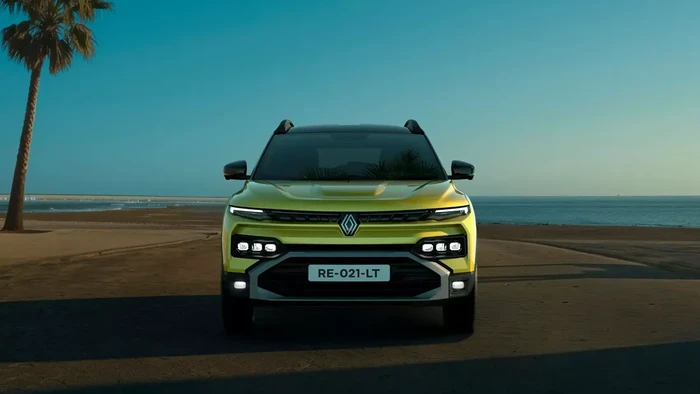
The turbocharged variants, which offer more performance and features, start at 7.89 lakh Indian Rupees (approximately USD 9,500 or IDR 150 million). By keeping the price of the turbo-manual and CVT models competitive, Renault aims to lure buyers away from the base models of larger SUVs. This pricing structure is pivotal in a market where consumers are highly sensitive to "value-per-feature" ratios.
Industry Context and Competitive Landscape
The launch of the updated Kiger comes at a time when the sub-four-meter SUV segment is witnessing unprecedented growth. Renault faces stiff competition from the Tata Nexon, Maruti Suzuki Brezza, Hyundai Venue, and Kia Sonet. Each of these competitors brings specific strengths to the table—Tata focuses on safety ratings, Maruti on fuel economy and resale value, and the Korean duo on high-tech features.
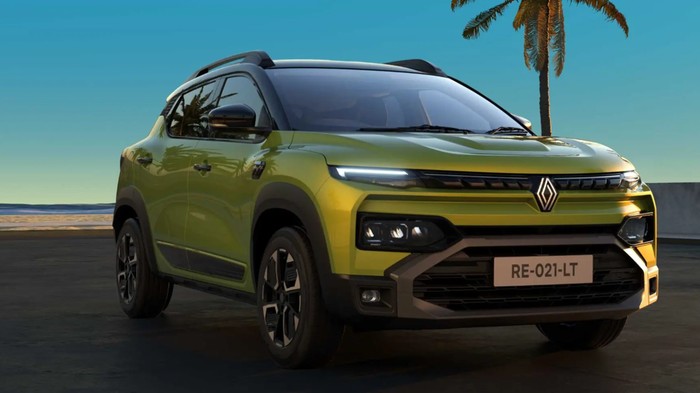
Renault’s strategy with the Kiger is to provide a "European Design" flair at a "Local Market" price. The 2026 updates are a direct response to the evolving expectations of Indian consumers, who are increasingly prioritizing connectivity and comfort features even in the budget segments. By manufacturing the vehicle in India with high levels of localization, Renault is able to maintain healthy margins while offering a product that feels more premium than its price tag suggests.
Official Perspectives and Future Outlook
While official statements from Renault India’s leadership emphasize the brand’s focus on "human-centric innovation," industry analysts view this update as a necessary move to sustain momentum before a full generation change. A spokesperson for Renault indicated that the new variant structure was developed following extensive feedback from existing Kiger owners who desired more flexibility in feature selection.
"The Renault Kiger has been a game-changer for us, and with the 2026 enhancements, we are doubling down on our commitment to deliver high-value products that do not compromise on style or substance," a representative noted during the launch event. "The introduction of the Evolution+ variant is a direct result of our ‘listening’ strategy, ensuring that we bridge the gap between basic utility and high-end luxury."
Looking ahead, the success of the Kiger in India is likely to influence Renault’s strategy in other regions, including Indonesia and South Africa, where the Kiger is also sold. As global markets move toward stricter emission norms and higher safety standards, the CMF-A+ platform’s ability to adapt will be crucial. For now, the 2026 Renault Kiger stands as a testament to the brand’s ability to blend French design language with the pragmatic requirements of the world’s most dynamic automotive markets. The combination of an attractive starting price, a diverse range of eight variants, and the inclusion of modern tech features ensures that the Kiger remains a central figure in Renault’s global growth story.