Tata Titiana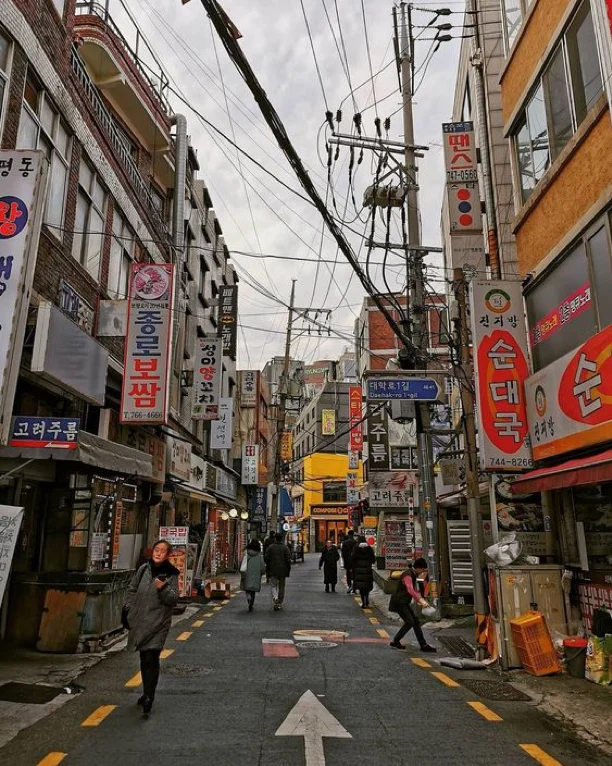
South Korea has rapidly ascended as a premier global travel destination, attracting a significant influx of international visitors, including a substantial contingent from Indonesia. This surge in popularity is largely attributed to the pervasive influence of Korean dramas (K-dramas), which have captivated audiences worldwide. The visually appealing backdrops featured in these popular series often inspire viewers to experience these real-life locations firsthand, transforming them into sought-after tourist attractions. Beyond their aesthetic appeal, these sites offer a unique opportunity to immerse oneself in the cultural tapestry and narrative essence that define Korean storytelling.
The Allure of the Urban Night: Geonbae’s Vibrant Pulse
For travelers seeking an energetic urban experience, Geonbae presents an electrifying atmosphere. This bustling street, characterized by its dynamic array of bars and entertainment venues lining both sides, embodies a distinctly metropolitan charm. Its vibrant and often crowded ambiance, a mix of locals and tourists, ensures that Geonbae is a lively destination at any hour. The visual spectacle of neon signs and the hum of activity create a scene that many K-drama aficionados will recognize as a quintessential setting for social gatherings, romantic encounters, or even dramatic confrontations often depicted on screen. The sheer density of establishments catering to nightlife and casual dining makes it a focal point for those wishing to experience Seoul’s contemporary urban culture. This area exemplifies the modern, fast-paced lifestyle frequently portrayed in dramas, offering a tangible connection to the on-screen world.
A Cultural Epicenter: Daehakro’s Theatrical Heartbeat
Daehakro, often referred to as Korea’s "Street of Art," stands as a testament to the nation’s rich artistic heritage. Stretching approximately 1.6 kilometers, this thoroughfare is frequently compared to Broadway in the United States, a comparison that highlights its significance as a hub for performing arts. Daehakro is home to numerous active arts venues, including theaters, galleries, and performance spaces, where a diverse range of South Korean artistic expressions come to life. Visitors can witness traditional Korean plays, contemporary theatrical productions, musical performances, and various other artistic showcases. The street itself is often abuzz with performers, street artists, and eager audiences, contributing to a vibrant and dynamic cultural atmosphere. This area is particularly resonant with K-drama fans who have seen characters pursue their dreams in the arts, attend performances, or even work in the theater industry, with Daehakro often serving as the authentic setting for such narratives. The concentration of artistic institutions and the palpable creative energy make it a vital cultural landmark.
An Architectural Marvel: Starfield Library’s Literary Grandeur
Offering a uniquely serene yet awe-inspiring experience, the Starfield Library, located within the COEX Mall in Seoul, has become a must-visit destination for its sheer scale and aesthetic appeal. This expansive public library boasts an impressive collection of books, documents, and various literary works, reportedly housing over 50,000 items. The library’s design is a significant draw, featuring towering bookshelves that reach an astounding height of 13 meters, creating a breathtaking visual spectacle. These colossal shelves are arranged to form open, multi-level spaces, inviting visitors to explore and discover literary treasures. The sheer volume of books and the architectural design have made it a popular filming location for K-dramas, often depicted as a place of quiet contemplation, academic pursuit, or serendipitous meetings. Its status as one of Seoul’s most comprehensive libraries, coupled with its distinctive visual identity, makes it a significant cultural and architectural landmark. The library’s accessibility within a major shopping complex further enhances its appeal, allowing visitors to combine cultural exploration with retail and dining experiences.

The Enduring Appeal of Korean Cultural Tourism
The increasing popularity of South Korea as a tourist destination is a multifaceted phenomenon. The "Hallyu" wave, or Korean Wave, encompassing K-dramas, K-pop, and Korean cinema, has undeniably played a pivotal role in shaping global perceptions and inspiring travel desires. These cultural exports not only showcase the aesthetic beauty of South Korea but also offer glimpses into its unique culture, traditions, and modern lifestyle, creating a strong emotional connection with viewers and listeners.
The K-drama phenomenon, in particular, has transformed ordinary locations into iconic landmarks. Series like "Crash Landing on You," "Goblin," and "Itaewon Class" have not only garnered massive viewership but have also significantly boosted tourism to the specific places where they were filmed. This trend highlights the power of visual storytelling in influencing consumer behavior and driving economic activity in the tourism sector.
Supporting Data and Trends
According to the Korea Tourism Organization (KTO), the number of international tourists visiting South Korea has been on a steady upward trajectory in the years preceding the global pandemic. While specific numbers fluctuate annually, the trend indicates a growing global fascination with the country. Post-pandemic recovery efforts have seen a renewed focus on leveraging cultural exports to attract visitors. The KTO has actively promoted "filming location tours," capitalizing on the popularity of K-dramas and films to draw tourists to specific regions and attractions.
The economic impact of this cultural tourism is substantial. International visitors contribute significantly to the South Korean economy through spending on accommodation, dining, transportation, shopping, and entertainment. The growth of K-drama tourism not only benefits major cities like Seoul but also spurs development in smaller towns and rural areas that may have served as filming locations.
Analysis of Implications
The successful integration of K-drama narratives with tourism offers valuable lessons for other countries looking to promote their cultural heritage and boost their tourism industries. The ability to create aspirational travel experiences through compelling storytelling is a powerful tool. For South Korea, this strategy has proven remarkably effective, creating a virtuous cycle where cultural content drives tourism, which in turn fuels further cultural production and global recognition.

However, the sustainability of this trend relies on continuous innovation and diversification of offerings. While K-dramas are a significant draw, a comprehensive tourism strategy must also emphasize other aspects of Korean culture, such as its rich history, culinary traditions, natural landscapes, and technological advancements. Ensuring that the tourism experience extends beyond mere "photo opportunities" and provides deeper cultural immersion is crucial for long-term success.
Furthermore, managing the impact of increased tourism on popular filming locations is essential. Overcrowding and potential degradation of these sites can detract from the visitor experience and the cultural significance of the locations. Sustainable tourism practices, including visitor management strategies and community engagement, will be vital to preserve these precious places for future generations.
Broader Impact on Cultural Diplomacy
The rise of K-dramas as a global phenomenon also has significant implications for South Korea’s cultural diplomacy. By showcasing its modern culture, societal values, and aesthetic sensibilities, South Korea enhances its soft power on the international stage. The positive portrayals in dramas often foster goodwill and understanding, contributing to stronger diplomatic relations and a more favorable global image.
The destinations highlighted in these dramas become more than just tourist spots; they transform into tangible representations of Korean culture and identity, fostering a sense of connection and appreciation among global audiences. This cultural export strategy has proven to be an effective means of building international bridges and promoting a positive national brand.
Conclusion
South Korea’s successful transformation into a global tourism powerhouse is a testament to the potent synergy between its vibrant cultural exports, particularly K-dramas, and its diverse array of attractive destinations. From the energetic nightlife of Geonbae to the artistic heart of Daehakro and the architectural wonder of Starfield Library, these locations offer travelers more than just scenic beauty; they provide an immersive experience that echoes the narratives that have captured the world’s imagination. As South Korea continues to innovate and promote its rich cultural tapestry, the allure of its cinematic landscapes is poised to draw even more visitors, further solidifying its position as a must-visit destination on the global travel map. The strategic leveraging of popular culture has not only boosted the tourism sector but has also significantly enhanced South Korea’s international profile and cultural influence.