Tata Titiana
The contemporary generation, particularly millennials, has embraced a profound shift in their approach to life and personal finance, increasingly viewing travel not merely as a leisure activity but as a fundamental lifestyle choice and a crucial form of experiential investment. This evolving mindset prioritizes the accumulation of experiences over material possessions, a stark contrast to the financial priorities of previous generations. The allure of exploration, the pursuit of personal growth, and the desire to forge lasting memories in their youth are now driving significant allocation of resources towards travel, transforming it into a cornerstone of modern living.
This burgeoning trend is fueled by a confluence of factors, including the accessibility of stunning natural landscapes, the democratizing influence of technology, and a growing awareness of the profound benefits that travel offers. For millennials, the world has become an open invitation, a vast canvas upon which to paint a life rich in diverse encounters and transformative journeys. The emphasis has moved from acquiring assets like homes and cars to accumulating a wealth of memories and personal development through exploration. This generational pivot signifies a redefinition of success, where richness is measured not by net worth but by the breadth and depth of one’s lived experiences.
The Millennial Shift: From Saving for the Future to Investing in the Present
Historically, financial planning for younger generations often revolved around long-term goals such as homeownership, vehicle acquisition, and retirement savings. These objectives were considered markers of stability and future security. However, contemporary research and anecdotal evidence suggest a significant divergence in this approach among millennials and the emerging Gen Z. A 2022 study by the American Express Travel: Global Travel Trends Report indicated that 79% of millennials surveyed planned to travel more in the coming year, with a significant portion prioritizing experiences over material goods. This aligns with earlier findings from organizations like The Global Millennial Travel Survey, which consistently highlighted travel as a top spending priority, often outweighing savings for down payments or major purchases.
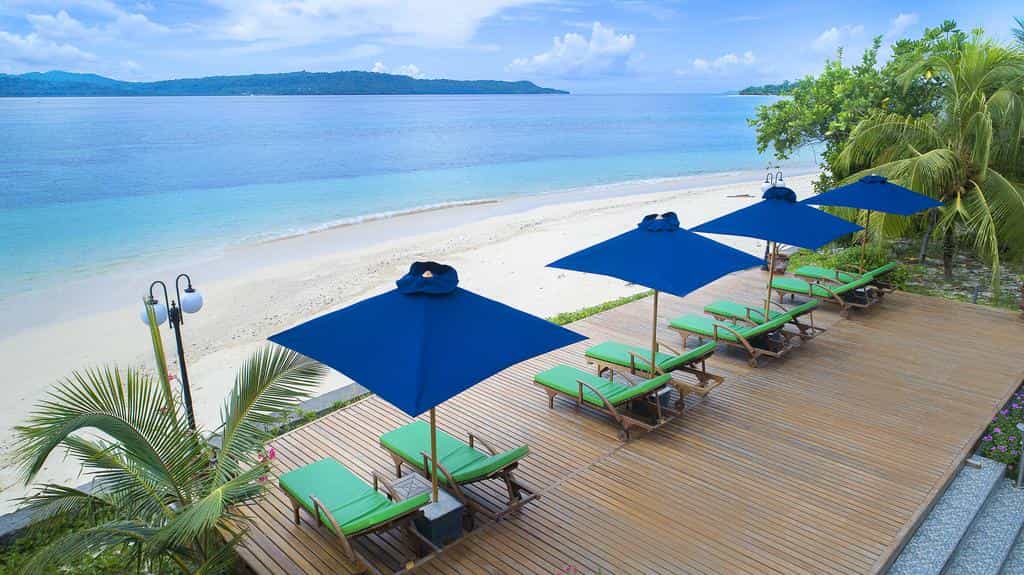
The underlying philosophy driving this shift is the recognition that experiences are not depreciating assets but rather investments that yield lifelong returns in the form of personal growth, expanded perspectives, and indelible memories. This perspective is particularly resonant in an era where information is readily available, and the desire for authentic, impactful experiences is paramount. The constant exposure to curated travel content on social media platforms, while sometimes criticized for fostering unrealistic expectations, also serves as a powerful catalyst, showcasing the diverse possibilities and the transformative potential of travel. This has created a cultural narrative where travel is not just an indulgence but an essential component of a well-lived life.
Embracing the Lifestyle: Practical Steps to Cultivate a Travel-Centric Life
For those aspiring to integrate travel more deeply into their lives, the journey begins with a conscious decision to step outside familiar routines and embrace the unknown. This transition requires not only a desire for new experiences but also a pragmatic approach to planning and execution. The following strategies offer a framework for individuals looking to make lifestyle travel a sustainable and enriching part of their lives:
Cultivating Resolve and Courage: The Foundation of Adventure
The first and perhaps most crucial step in adopting a lifestyle of travel is to cultivate unwavering resolve and a courageous spirit. This is not about recklessness but about overcoming the inherent hesitations that often accompany venturing into unfamiliar territories. Many individuals postpone their travel aspirations indefinitely, waiting for an idealized moment of financial abundance or perfect circumstances. However, the essence of lifestyle travel lies in embracing the present, making do with available resources, and trusting in one’s ability to adapt and overcome challenges.
This requires a mental recalibration, shifting the focus from perceived limitations to the potential for growth and discovery. It means understanding that the world outside one’s comfort zone is not as daunting as it might appear. Instead, it is a realm of opportunities for self-discovery and the development of resilience. This proactive mindset, coupled with a willingness to take the first step, even if it’s a modest one, is the bedrock upon which a fulfilling travel lifestyle is built. The fear of the unknown can be a significant barrier, but by actively seeking out new experiences, individuals can systematically dismantle these apprehensions and build confidence in their ability to navigate diverse environments.

Navigating the Journey: Flexibility and Adaptability in Practice
While planning is an essential component of any trip, a rigid adherence to meticulously crafted itineraries can often stifle the very essence of discovery that lifestyle travel aims to achieve. The most enriching travel experiences often emerge from unexpected detours and spontaneous encounters. Therefore, a key strategy is to embrace flexibility and learn to flow with the circumstances encountered. This doesn’t negate the importance of having a general direction or objective for a trip, but rather encourages an open-minded approach to how those objectives are met.
Developing the ability to adapt to unforeseen situations, whether they involve transportation hiccups, accommodation changes, or unexpected cultural nuances, is paramount. This adaptability allows travelers to embrace serendipity, to discover hidden gems that might not be on any tourist map, and to engage more authentically with the local environment. The process of navigating these fluid situations also fosters problem-solving skills and a deeper understanding of different cultures and ways of life. It is in these moments of improvisation that many of the most cherished travel memories are forged, reminding us that the journey itself, with all its imperfections, is often more valuable than a perfectly executed plan.
Embracing Adaptability: The Ultimate Travel Toolkit
The ability to adapt is arguably the most vital skill for anyone seeking to integrate travel into their lifestyle. This encompasses a broad spectrum of readiness, from understanding and respecting diverse social norms to being comfortable with varied languages and customs. In essence, it means cultivating an attitude of humility and a genuine willingness to learn from every interaction. When traveling, one is constantly exposed to new environments, people, and perspectives, and the capacity to adjust one’s behavior and expectations accordingly is crucial for a positive and enriching experience.
This adaptability extends beyond mere tolerance; it involves actively seeking to understand and appreciate the differences encountered. Whether it’s learning a few basic phrases in the local language, understanding the etiquette of a particular social setting, or simply being open to trying new foods, each act of adaptation deepens the traveler’s connection to the place and its people. This skill is not only beneficial for the immediate travel experience but also has profound implications for personal development, fostering empathy, broadening one’s worldview, and enhancing one’s ability to thrive in an increasingly interconnected and diverse global community. The flexibility to adjust one’s mindset and actions in response to new surroundings is a powerful tool that unlocks a more profound and meaningful engagement with the world.
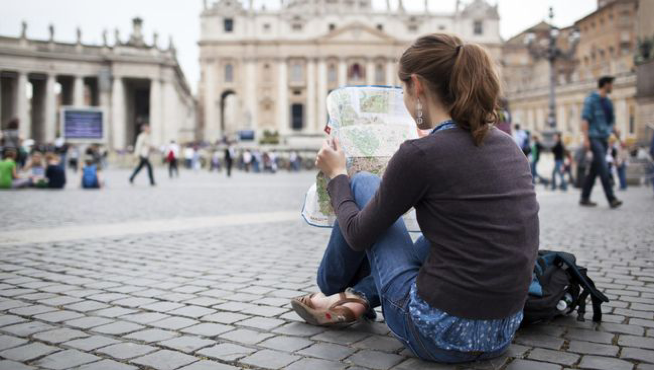
The Transformative Power of Experiential Investment
The act of prioritizing travel as a lifestyle choice has far-reaching implications that extend beyond personal fulfillment. It fosters a more globally aware and empathetic citizenry, encourages sustainable tourism practices, and contributes to the economic vitality of diverse communities. By immersing themselves in different cultures, travelers gain a nuanced understanding of global issues, fostering a sense of shared humanity and interconnectedness. This firsthand exposure can often lead to a greater appreciation for cultural diversity and a more informed perspective on complex international relations.
Furthermore, a generation that values experiences over material accumulation is likely to champion more sustainable consumption patterns. The focus shifts from acquiring disposable goods to investing in durable memories and personal growth, which can have positive ripple effects on environmental consciousness and resource management. The economic impact of this trend is also significant, as increased travel fuels demand for local businesses, cultural attractions, and unique experiences, thereby supporting the livelihoods of communities worldwide.
Looking Ahead: The Enduring Appeal of the Travel Lifestyle
As the world continues to evolve, the inclination towards experiential living is likely to remain a dominant force, particularly among younger demographics. The inherent human desire for exploration, connection, and self-discovery will continue to drive individuals to seek out new horizons and embrace the transformative power of travel. By adopting practical strategies and cultivating a mindset of openness and adaptability, individuals can effectively integrate this enriching lifestyle into their lives, creating a legacy of memories and personal growth that will be cherished for a lifetime. The journey of a thousand miles, as the adage goes, truly begins with a single step, and for the modern traveler, that step is often taken with the intention of investing in the most valuable asset of all: the richness of lived experience.