Tata Titiana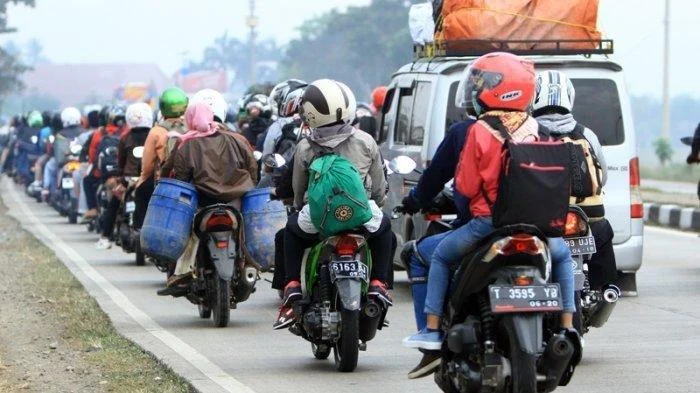
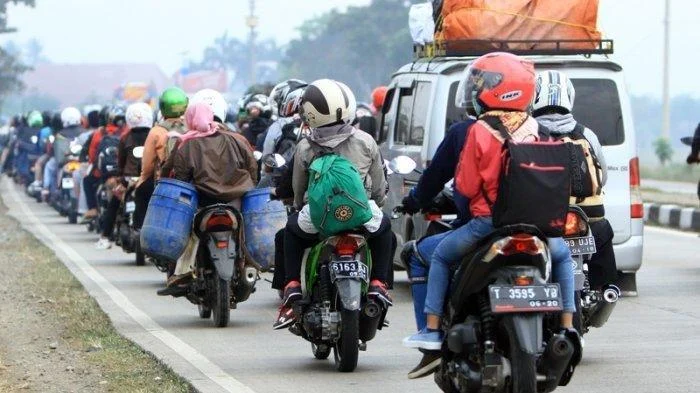
Jakarta, Indonesia – Indonesia’s Ministry of Transportation (Kemenhub) has announced that the traditional Eid al-Fitr homecoming, known as "mudik," will be permitted for the Idul Fitri 1442 Hijriah celebration in 2021, a stark contrast to the outright ban implemented in 2020 due to the COVID-19 pandemic. The decision, officially conveyed by Minister of Transportation Budi Karya Sumadi during a working meeting with Commission V of the House of Representatives (DPR RI) on Tuesday, March 16, 2021, has been met with both anticipation from citizens eager to reunite with families and concern from public health experts.
It is crucial to note that this announcement is not a directive encouraging citizens to undertake the journey. Kemenhub has emphasized that it lacks the authority to issue such mandates. Instead, the ministry stated its intention to collaborate with the COVID-19 Handling Task Force (Gugus Tugas Covid-19) to meticulously craft guidelines and protocols for the 2021 mudik season. The primary objective is to ensure that the increased travel does not become a catalyst for further virus transmission, particularly into rural communities, which often have more limited healthcare infrastructure.
A Shift in Policy: From Ban to Conditional Permission
The year 2020 saw an unprecedented nationwide ban on mudik, a deeply ingrained cultural tradition in Indonesia, as the government desperately sought to curb the initial wave of COVID-19 infections. Millions of Indonesians were prevented from traveling to their hometowns, leading to muted Eid celebrations and significant economic disruption for transportation and tourism sectors. The decision to allow mudik in 2021 signals a recalibration of the government’s approach, likely influenced by factors such as the ongoing national vaccination program and a desire to alleviate the social and economic burdens of prolonged travel restrictions.
Minister Budi Karya Sumadi, in a statement shared via his Instagram account (@budikaryas), indicated that the government would engage in extensive consultations with various stakeholders to devise a conducive mudik season. Key among these consultations would be the development of stricter travel requirements and enhanced tracing mechanisms to mitigate the risks associated with increased mobility. This collaborative approach aims to balance the public’s desire for traditional celebrations with the imperative of public health security.
Navigating the New Norms: Conditions and Protocols for Mudik 2021
The Ministry of Transportation has outlined several key conditions and provisions for individuals planning to participate in the 2021 mudik. These measures are designed to create a layered defense against the virus, encompassing the entire travel journey:
- Stringent Health Protocols: Adherence to strict health protocols will be paramount, extending from the point of departure, throughout the journey, and upon arrival at the destination. This includes universal mask-wearing, maintaining physical distancing, regular disinfection of transportation facilities and public spaces, and passenger capacity limitations in vehicles.
- Enhanced Tracing and Screening: To anticipate potential surges in passenger numbers, a more rigorous tracing system will be implemented. Furthermore, the validity period for screening tests, such as rapid antigen tests, will be shortened. This is to ensure that travelers are consistently tested and that any potential infections are identified promptly. The government is also exploring the provision of rapid testing at key transportation hubs.
- Optimization of Transportation Services: The scheduling of transportation services will be managed to prevent overcrowding and facilitate better passenger flow. This may involve staggered departure times and potentially increased frequency of services during peak periods to distribute passenger load.
Beyond these core conditions, the Ministry is reinforcing the importance of individual responsibility. Citizens are urged to exercise a high degree of self-awareness and discipline in adhering to all health protocols for the collective well-being of the community. The precise operational mechanisms for mudik 2021 are still under development by Kemenhub in conjunction with other relevant government agencies and local authorities.
Expert Concerns and the Persistent Threat of Transmission
Despite the government’s efforts to establish a framework for safe travel, the decision to permit mudik has elicited pessimism from some public health experts. Epidemiologists have voiced concerns about the potential for increased transmission, particularly given the evolving nature of the virus and the uneven progress of vaccination campaigns across different regions.
Dr. Riris Andono Ahmad, an epidemiologist from Gadjah Mada University (UGM), cited in reports from Merdeka.com, suggested that the government’s decision might be influenced by an assumption that the current vaccination coverage is sufficient to control the situation. However, Dr. Ahmad cautioned that the primary challenge lies not solely in the protection offered by immunization but in the sustained adherence to health protocols by travelers.
"The problem is not the protection through immunization, but if travelers do not implement health protocols, the transmission of COVID-19 will still occur, just as before vaccination," Dr. Ahmad stated. He emphasized that even with vaccination, the risk of transmission remains if individuals become complacent and disregard preventive measures.
The Role of Transportation Modalities and Public Awareness
The choice of transportation modality is identified as a critical factor in managing transmission risks. The government is reportedly working to equip major terminals, train stations, and airports with COVID-19 screening tools, including the GeNose device, which offers a non-invasive breath analysis for virus detection.
Dr. Ahmad suggested that public transportation might be inherently safer due to the potential for more consistent oversight and adherence to protocols compared to private vehicles. "Public transportation is considered safer according to Riris," the original article notes, implying that government supervision can be more effectively implemented in organized transit systems.
The main concern, according to experts, is the unsupervised travel undertaken in private vehicles. Without stringent monitoring, these journeys could become silent vectors for virus spread, introducing the virus into previously unaffected or less affected rural areas. Therefore, travelers are strongly advised to opt for public transportation where possible, as it allows for easier government oversight and intervention if necessary.
Vaccination: A Crucial Step, Not a Free Pass
A significant point of emphasis from public health officials is that receiving a COVID-19 vaccine does not grant individuals immunity from transmitting the virus. Even fully vaccinated individuals must continue to rigorously adhere to all health protocols, including mask-wearing and social distancing, when in public spaces. The rationale is that vaccines primarily reduce the severity of illness and the risk of hospitalization and death, but vaccinated individuals can still potentially contract and spread the virus, albeit at a lower rate.
Dr. Ahmad expressed a hope that, at a macro level, the mudik Lebaran could ideally be postponed. He projected that the pandemic might not have fully subsided by Eid al-Fitr 2021, and with vaccination coverage still relatively low across the vast archipelago, the risk of COVID-19 transmission remains a significant concern. This sentiment underscores the delicate balancing act the Indonesian government is performing: attempting to facilitate cultural continuity and economic activity while confronting the persistent threat of a global health crisis.
Background and Context: The Enduring Significance of Mudik
The "mudik Lebaran" is more than just travel; it is a deeply spiritual and social phenomenon in Indonesia. It represents a time for Muslims to seek forgiveness, reconnect with extended families, and celebrate the end of the fasting month of Ramadan. For many Indonesians, particularly those working in urban centers, the annual journey back to their ancestral villages is a non-negotiable rite of passage. The economic implications are also substantial, with the mudik season typically injecting significant revenue into local economies, from transportation services to small businesses in rural areas.
The historical context of travel restrictions during significant events in Indonesia is not new. The article itself references a period in 1946 when mudik was also prohibited, highlighting the recurring challenges governments face in managing public movement during times of crisis. The COVID-19 pandemic, however, presents a modern, global challenge of unprecedented scale, forcing a reevaluation of long-held traditions and societal practices.
Broader Implications and Future Considerations
The decision to allow mudik in 2021 carries significant implications for Indonesia’s ongoing battle against COVID-19. The success of this year’s Eid celebrations will largely depend on the effective implementation and enforcement of the stipulated health protocols. A surge in cases following the holiday could strain healthcare systems, particularly in regions with limited resources, and potentially necessitate renewed, more stringent restrictions.
Conversely, if the mudik season can be managed effectively, it could provide valuable lessons for future large-scale public events and travel during the pandemic. It could also signal a gradual shift towards a "new normal" where public health measures are integrated into daily life and major societal events, rather than being met with outright bans.
The Indonesian government faces the formidable task of navigating public sentiment, economic pressures, and public health imperatives. The coming weeks will be a critical period, demonstrating the nation’s collective ability to adapt and respond to the challenges posed by the COVID-19 pandemic, even as it strives to uphold its cherished traditions. The effectiveness of the government’s strategy will be closely monitored, both domestically and internationally, as Indonesia seeks to emerge from this unprecedented health crisis. The ongoing dialogue between official pronouncements, expert opinions, and public adherence to guidelines will ultimately shape the narrative of Eid al-Fitr 2021 in Indonesia.