Tata Titiana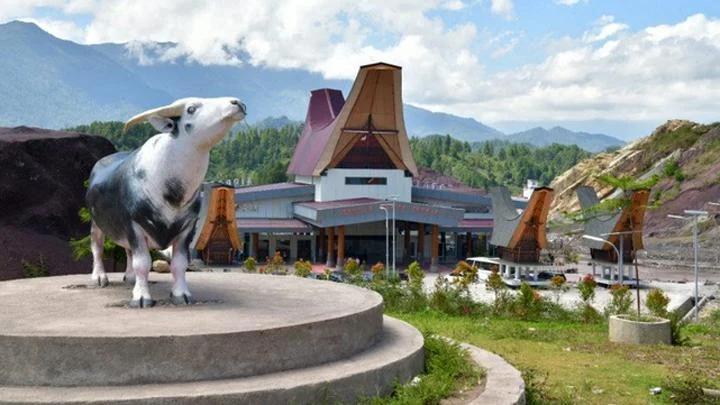
President Joko Widodo officially inaugurated the Toraja Airport, formerly known as Buntu Kunik Airport, in Tana Toraja Regency, South Sulawesi, on Thursday, March 18, 2021. The ceremony, broadcast live via the Presidential Secretariat’s YouTube channel, marked a significant milestone for the region, with President Widodo expressing his hope that the new airport will serve as a catalyst for economic growth, job creation, and the development of new economic hubs in Tana Toraja.
The inauguration signifies the culmination of a project that has been in development for a decade, facing various challenges and delays. The airport’s construction began in 2011, intended to replace the older Pongtiku Airport in Ratentayo. However, progress was halted for a period before being revitalized under President Widodo’s administration. The first phase of construction recommenced in 2018, funded by the central government, and was completed by mid-2020. Currently, two airlines, Wings Air and Citilink, are providing regular flight services connecting Makassar and Toraja, thereby enhancing accessibility to this unique cultural destination.
A Decade in the Making: The Chronology of Toraja Airport
The journey to the opening of Toraja Airport is a testament to perseverance and evolving national infrastructure priorities.
- 2011: Initial construction of the airport, then known as Buntu Kunik Airport, commences. The project aims to provide improved air access to Tana Toraja, a region rich in cultural heritage but historically challenging to reach.
- Post-2011: The project experiences delays and setbacks, likely due to funding, logistical challenges, and the complex terrain of the Tana Toraja region.
- 2018: Under President Joko Widodo’s administration, the airport’s development is re-prioritized and construction resumes. This phase focuses on the initial infrastructure development, with the central government playing a key role in funding.
- Mid-2020: The first phase of the airport’s construction is completed, making it ready for operational readiness assessments and the commencement of flight services.
- March 18, 2021: President Joko Widodo officially inaugurates Toraja Airport, marking its transition from a construction project to a fully functional transportation hub.
The airport’s development underscores the government’s commitment to improving national connectivity, particularly in regions that have historically been underserved by air transportation. The strategic location of Tana Toraja, known for its distinctive traditional architecture, elaborate funeral ceremonies, and stunning natural landscapes, has long been identified as a prime candidate for enhanced tourism infrastructure.
Technical Specifications and Phased Development
Toraja Airport boasts a total area of 141 hectares, designed to accommodate growing air traffic and facilitate larger aircraft in its subsequent phases.
- Phase I: The initial phase saw the development of a 1,600-meter runway, suitable for ATR aircraft, along with a 94.5 x 67-meter apron and a 124.5 x 15-meter taxiway. This infrastructure was sufficient to commence operations with smaller regional aircraft.
- Phase II: The subsequent phase involves extending the runway to 2,000 meters. This expansion is crucial for enabling larger aircraft, such as the Boeing 737, to operate at the airport. This will significantly increase passenger capacity and the potential for direct flights from more distant origins. The terminal building has a capacity of 150 passengers, a size that can be expanded as demand grows.
The expansion of the runway to 2,000 meters is particularly significant. It allows for the operation of aircraft that can carry more passengers and cargo, making travel to and from Toraja more efficient and cost-effective. This is a key factor in attracting more tourists and facilitating business activities.
Rebranding: From Buntu Kunik to Toraja Airport
The airport’s name change from Buntu Kunik Airport to Toraja Airport was not merely a cosmetic alteration but a decision rooted in local consensus and a desire to promote regional identity. The rebranding was the result of extensive deliberation and agreement between the Tana Toraja district government and community leaders representing the 19 sub-districts within Tana Toraja. This collaborative approach ensured that the new name reflected the aspirations and identity of the local population.
Following the local consensus, the proposed name change was formally submitted to the Regional People’s Representative Council (DPRD) for ratification through a plenary meeting. Subsequently, the proposal was forwarded to the provincial government for endorsement before finally being submitted to the Ministry of Transportation for official approval. This multi-tiered approval process highlights the importance placed on community involvement and bureaucratic due diligence in such significant naming conventions.
The shift to "Toraja Airport" aims to enhance the region’s brand recognition on a national and international level, leveraging the globally renowned cultural identity of the Toraja people.
Engineering Marvel in Challenging Terrain
The construction of Toraja Airport presented formidable engineering challenges, primarily due to the region’s rugged topography. Tana Toraja is characterized by steep hills and valleys, demanding innovative solutions for infrastructure development.
According to Minister of Transportation Budi Karya Sumadi, the construction of the runway involved significant earthmoving operations, including the cutting of three hills. This monumental task was undertaken to create the necessary flat expanse for the 2,000-meter runway. The minister acknowledged the inherent difficulty of building in such an environment, underscoring the determination of the project teams.
"Three hills were cut to build the Toraja Airport runway, which is 2,000 meters long," President Joko Widodo stated in a tweet accompanying a video of the airport’s construction and inauguration. He further emphasized the airport’s importance, stating, "This airport is important to boost local connectivity and tourism."
The ongoing efforts in 2021 include further modifications to address obstacles, specifically by trimming hills that might pose a hazard to aircraft operating along the runway. This commitment to continuous improvement reflects a dedication to ensuring the airport’s long-term safety and operational efficiency.
Economic and Tourism Implications
The inauguration of Toraja Airport is expected to have a profound impact on the regional economy and its burgeoning tourism sector. Tana Toraja is a UNESCO World Heritage tentative list site, renowned for its unique ancestral rites, traditional houses (Tongkonan), and elaborate burial sites. However, its remote location has historically limited visitor numbers and deterred potential investors.
Economic Growth and Job Creation:
President Widodo’s vision of the airport fostering economic growth is well-founded. Improved air connectivity will make Tana Toraja more accessible for business travelers, facilitating trade and investment. It will also encourage the development of local industries, such as handicrafts, agriculture, and hospitality. The influx of tourists will directly create jobs in hotels, restaurants, tour operations, and transportation services. Furthermore, the construction and ongoing maintenance of the airport itself contribute to local employment.
Data from Statistics Indonesia (BPS) indicates that tourism is a significant contributor to regional economies. For instance, in 2019, before the pandemic, international tourist arrivals in Indonesia contributed billions of dollars to the national economy. While specific figures for Tana Toraja are harder to isolate, improved accessibility is a critical determinant of tourism revenue.
Tourism Development:
The airport is poised to transform Tana Toraja into a more accessible destination for both domestic and international tourists. Previously, reaching Tana Toraja often involved long overland journeys from major cities like Makassar or Palu, which could take several hours. The availability of direct flights significantly reduces travel time, making it a more attractive option for weekend getaways and shorter trips.
This enhanced accessibility is expected to boost the number of tourists visiting the region, leading to increased revenue for local businesses and preserving the unique cultural heritage of the Toraja people by providing economic incentives for its maintenance and promotion. The government’s focus on developing tourism infrastructure, including airports, is a key component of its strategy to diversify the national economy and promote regional development.
Connectivity and Infrastructure:
Beyond tourism, the airport serves as a vital link for the transportation of goods and services. This improved connectivity can lead to greater market access for local produce and facilitate the distribution of essential supplies to the region. It also enhances emergency response capabilities, allowing for quicker medical evacuations and disaster relief efforts.
The investment in the Toraja Airport aligns with the broader national infrastructure development agenda, which prioritizes the creation of robust transportation networks to connect remote areas and foster equitable development across the archipelago. The government has consistently emphasized the importance of "conectivity" as a driver of economic progress and social well-being.
Broader Implications and Future Outlook
The inauguration of Toraja Airport is more than just the opening of a new aviation facility; it represents a commitment to inclusive development and the unlocking of the economic potential of Indonesia’s diverse regions.
Regional Equity:
By investing in infrastructure in areas like Tana Toraja, the government aims to reduce disparities between urban and rural areas. Improved access to transportation can lead to better educational and healthcare opportunities, as well as stimulate local economies, thereby creating a more equitable distribution of development benefits.
National Tourism Strategy:
The airport’s development is a strategic move to bolster Indonesia’s tourism sector, which is a significant source of foreign exchange and employment. By making unique cultural destinations like Tana Toraja more accessible, Indonesia can diversify its tourism offerings beyond traditional beach destinations and attract a wider range of visitors.
Challenges and Opportunities:
While the opening of the airport presents significant opportunities, challenges remain. Sustainable tourism practices will be crucial to ensure that the increased visitor numbers do not negatively impact the delicate cultural and environmental balance of Tana Toraja. Effective management of tourism resources, community engagement, and conservation efforts will be paramount.
The long-term success of Toraja Airport will depend on sustained investment in ancillary infrastructure, such as roads connecting the airport to tourist sites and local communities, as well as ongoing efforts to promote Tana Toraja as a premier cultural tourism destination. The continued collaboration between the central government, local authorities, and the community will be essential in realizing the full potential of this ambitious project.