Nila Kartika Wati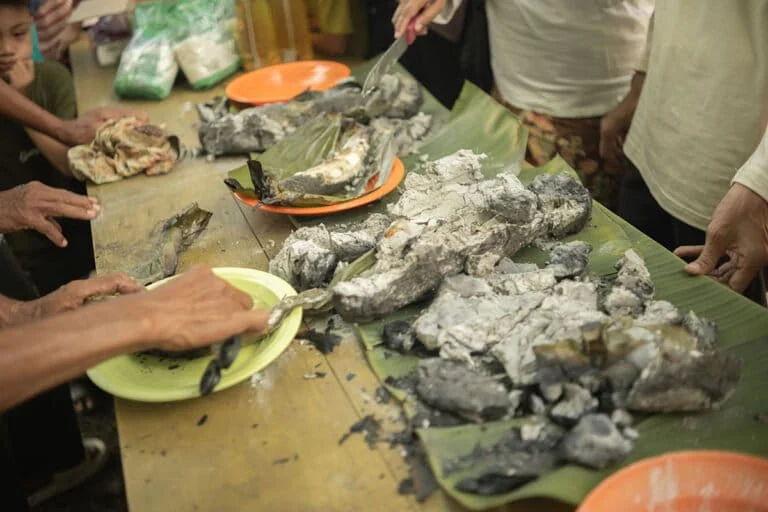
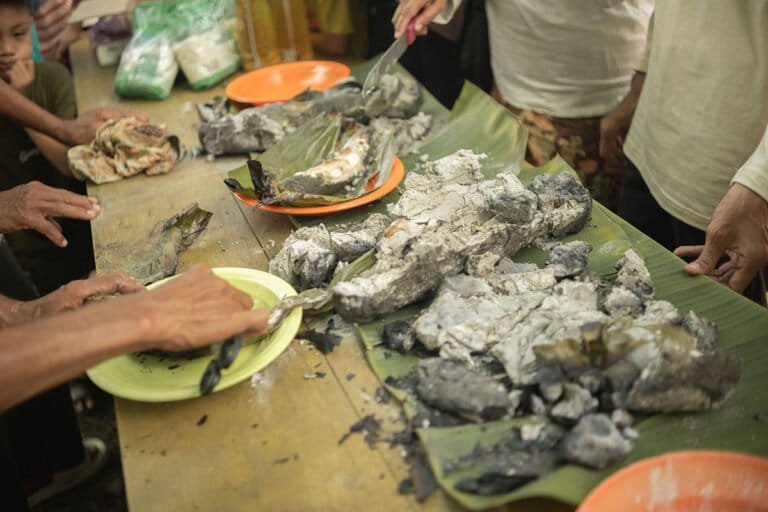
The high level of biodiversity found within Indonesia’s vast wetland ecosystems has long served as a foundation for a wealth of indigenous knowledge, particularly in the realm of traditional culinary arts. Among the most remarkable of these practices is the preparation of "ikan tunu," a primitive yet sophisticated technique of grilling fish by wrapping it in layers of banana leaves and mud or clay. This ancestral method was recently brought back into the spotlight during the 2026 Tempirai Wetland Festival, held at Turunan Gajah in South Tempirai Village, Penukal Abab Lematang Ilir (PALI) Regency, South Sumatra. On Thursday, June 18, 2026, local elders and community members demonstrated that this technique is not merely a recipe, but a living link to the prehistoric roots of human civilization.
Cik Mir, an 84-year-old resident of Tempirai who participated in the demonstration, explained that the technique is the oldest known cooking method in their community, passed down through countless generations from their puyang or ancestors. The resilience of this tradition in the PALI Regency highlights the deep-seated connection between the people of South Sumatra and the peatlands and riverine systems that define their landscape. By utilizing only what the environment provides—fish from the water, leaves from the banks, and clay from the riverbeds—the people of Tempirai have preserved a culinary philosophy that prioritizes harmony with nature and practical survival.
The Technical Artistry of Ikan Tunu
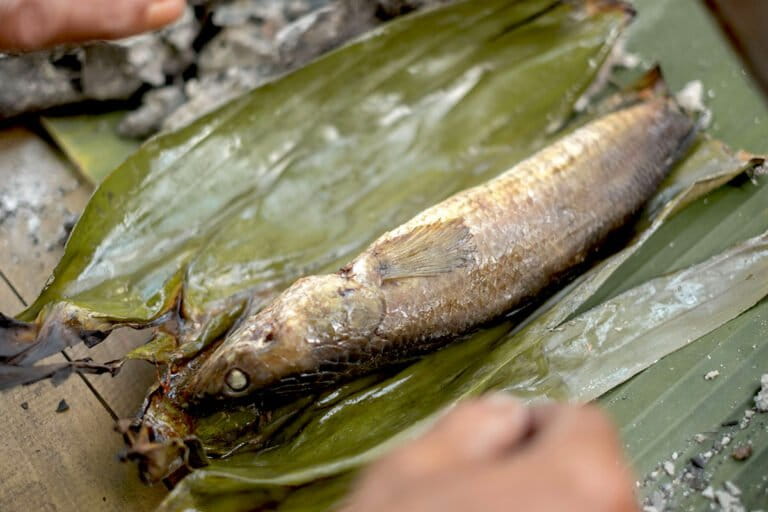
The preparation of ikan tunu begins with the selection of specific fish species native to the local wetlands. The community primarily utilizes members of the Channidae family, commonly known as snakeheads. These include the ruan (Channa striata), bujuk (Channa lucius), and serandang (Channa pleurophthalmus). These species are favored for their firm flesh and their ability to withstand the slow-cooking process inherent in clay baking.
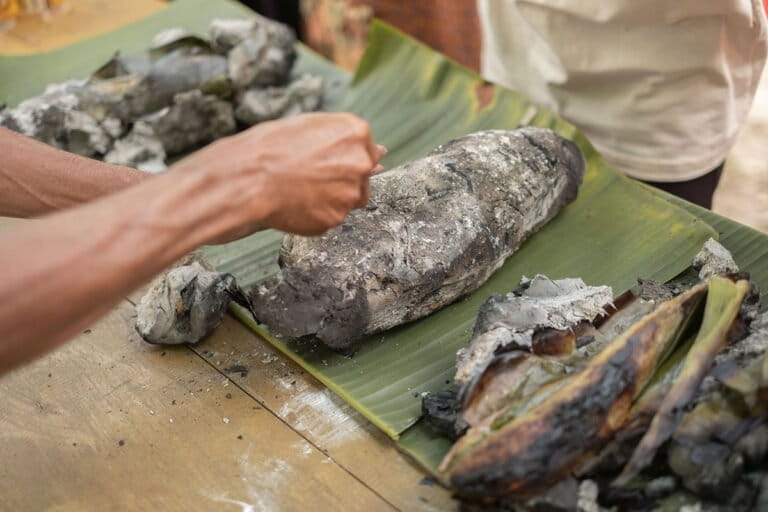
The process itself is a masterclass in primitive engineering. First, the fish is cleaned, and its entrails are removed. A blend of local spices—typically consisting of shallots, salt, chili, and asam kandis (a souring agent derived from the Garcinia fruit)—is stuffed into the abdominal cavity. The seasoned fish is then meticulously wrapped in banana leaves, which act as a protective barrier and provide a subtle aromatic quality. Finally, a thick layer of wet clay or mud, sourced from the banks of nearby rivers or talang (traditional garden areas), is molded around the leaf-wrapped package.
The fish is then placed directly into the embers of an open fire. According to Cik Mir, the dish is ready when the clay exterior begins to crack or turns a deep, scorched black. "When it is perfectly cooked, the skin of the fish will often peel away naturally, sticking to the clay shell, leaving only the tender, moist meat for consumption," she noted. This "self-peeling" mechanism is one of the many practical advantages of the method, as it eliminates the need for scaling the fish before cooking.
Survivalism and Practicality in the Wilderness
Historically, ikan tunu was the primary meal for Tempirai residents when they spent extended periods away from their villages, either tending to their ume (traditional upland farms) or embarking on multi-day fishing expeditions in the deep swamps. Ibrahim, a prominent community figure in Tempirai, emphasized that the technique’s popularity stemmed from its extreme practicality. In the dense forests and wetlands of South Sumatra, carrying heavy metal cookware like pots or pans was often unfeasible.
"This technique was most frequently used when we spent days catching fish in the forests or marshes," Ibrahim explained. "All you need is the fish you caught, some leaves, and the clay beneath your feet. There is also a tactical advantage: the thick clay shell traps the steam and the scent of the cooking fish. By ensuring the smell does not escape into the air, we avoid attracting dangerous predators such as tigers or bears that might be roaming the area."
Beyond safety, the clay serves as a natural oven, distributing heat evenly and preventing the direct flames from charring the delicate protein. The result is a dish that Ibrahim describes as exceptionally fragrant and soft, owing to the moisture-locking properties of the clay and the infusion of flavors from the banana leaf and fresh river fish.
The Science of Clay: Health and Nutritional Preservation
While the people of Tempirai have long believed that ikan tunu possesses medicinal properties—specifically the ability to soothe stomach ailments and acid reflux—modern nutritional science provides a fascinating perspective on why this method is so beneficial. Data from various culinary research platforms, including studies on traditional clay-pot cooking, suggest that the use of earth as a cooking medium offers several distinct advantages over modern metallic cookware.
Clay is naturally alkaline, which helps to neutralize the acidity in food, making the proteins easier to digest. Furthermore, the porous nature of clay allows heat and moisture to circulate throughout the cooking process, essentially "pressure cooking" the fish in its own juices. This ensures that essential nutrients, particularly heat-sensitive vitamins and minerals like calcium, phosphorus, and iron, are not lost to the air or leached out into boiling water. Because no oil or butter is required, the dish remains a low-fat, high-protein meal that retains the natural omega-3 fatty acids found in snakehead fish.
However, experts caution that the quality of the mud or clay is paramount. In the modern era, practitioners must ensure that the earth used for ikan tunu is sourced from areas free of industrial pollutants, chemical runoff, or heavy metal contamination to maintain the dish’s health benefits.

A Prehistoric Legacy: 780,000 Years of History
The ikan tunu technique is not merely a local curiosity; it is a window into the very dawn of human intelligence. Recent archaeological findings have elevated the significance of clay-baked fish from a traditional recipe to a pivotal moment in human evolution. A landmark study published in the journal Nature Ecology & Evolution by Irit Zohar and colleagues (2022) provides evidence that early hominins, specifically Homo erectus, were cooking fish as far back as 780,000 years ago.
The researchers analyzed the Gesher Benot Ya’aqov site in the northern Jordan River Valley, an ancient wetland environment. By examining the crystal structure of pharyngeal teeth from prehistoric carp, the team discovered that the fish had been exposed to temperatures below 500°C—a clear indication of controlled cooking rather than accidental burning in a wildfire. The study suggests that these early humans used a method remarkably similar to ikan tunu, wrapping fish in mud or wet vegetation to steam it over low heat.
This discovery represents the earliest known evidence of the use of fire for cooking by hominins. It also underscores the vital role that wetland landscapes played in human expansion. Wetlands provided a stable, year-round source of high-quality protein, such as fish and aquatic plants, which required less energy to "hunt" than large terrestrial mammals. This "high return rate" of food provided the nutritional security necessary for early human populations to thrive and migrate.
Culinary Evolution and the Birth of Civilization
The transition from raw to cooked food was a catalyst for the biological development of the human species. As noted in the review by R.B. Heimann (2025) in the journal Archaeometry, the ability to soften tough fibers and proteins through heat allowed the human jaw and teeth to shrink over millennia, while the brain—a highly energy-demanding organ—grew in size and complexity. Cooked food provides nearly 100% of its caloric value to the body, compared to only about 30% from raw food.
Before the invention of fired pottery or ceramics, humans utilized "earth ovens" and clay-wrapping techniques like ikan tunu. These methods were the precursors to the development of the first ceramic vessels. By observing how mud hardened in the heat of a cooking fire, our ancestors eventually learned to create permanent, portable containers for water and food. In this sense, the ikan tunu of Tempirai is a direct descendant of the technological leap that led to the birth of the ceramic age.
The persistence of this technique in the 21st century serves as a powerful reminder of the ingenuity of indigenous cultures. While modern technology has replaced many ancient practices, the ikan tunu remains a testament to the efficiency and sustainability of traditional knowledge.
Preserving the Future of Wetland Heritage
The demonstration of ikan tunu at the 2026 Tempirai Wetland Festival is more than a cultural performance; it is an act of conservation. As wetlands across Indonesia face threats from land conversion, pollution, and climate change, the loss of these ecosystems also means the loss of the intangible cultural heritage tied to them.
The PALI Regency government and local community leaders view the promotion of such traditions as a way to bolster local identity and encourage environmental stewardship. By recognizing the scientific and historical value of their ancestral methods, the younger generation of Tempirai can find renewed pride in their heritage.
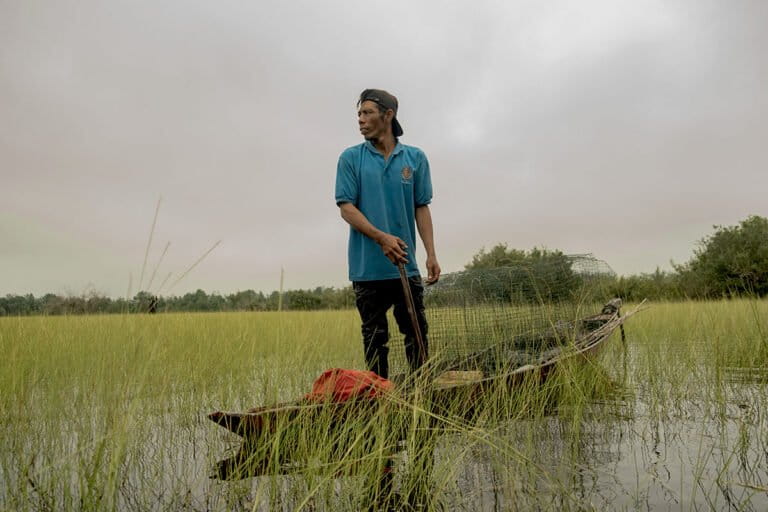
The story of ikan tunu bridges the gap between a small village in South Sumatra and the global history of human evolution. It reminds us that the "primitive" methods of the past were, in fact, highly sophisticated adaptations to the environment—solutions that modern society, in its search for sustainable and healthy living, is only just beginning to fully appreciate once again. As the clay cracks open on a fire in Tempirai, it reveals not just a meal, but 780,000 years of human resilience, innovation, and a profound connection to the earth.