Nila Kartika Wati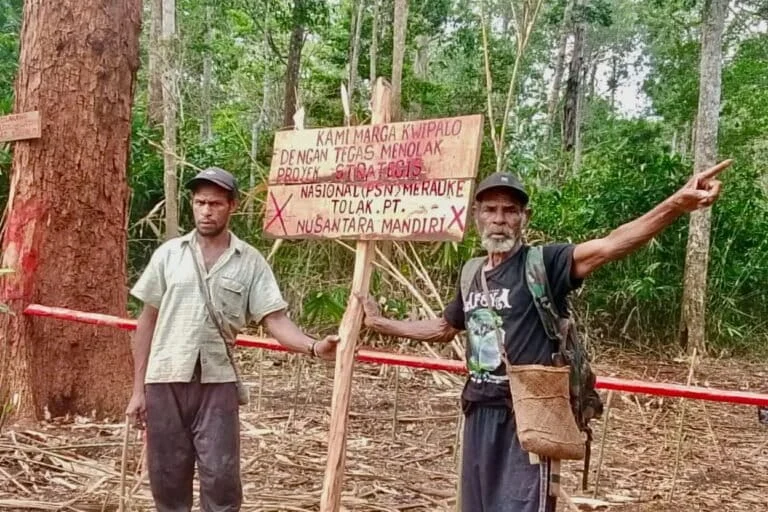
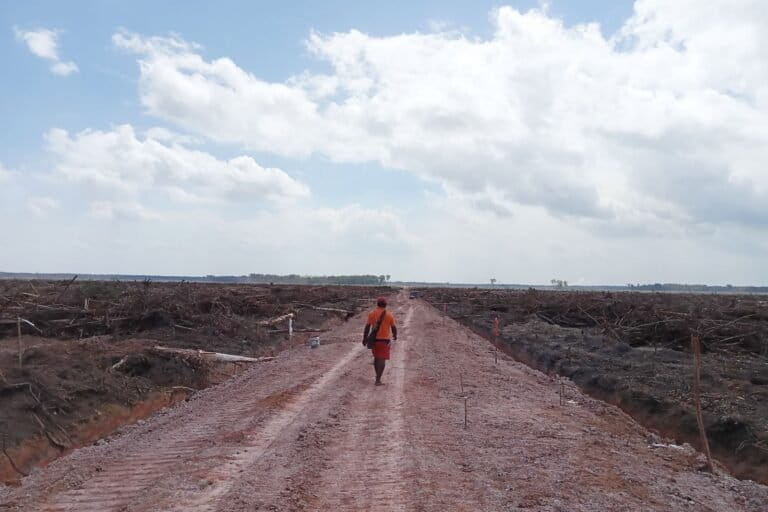
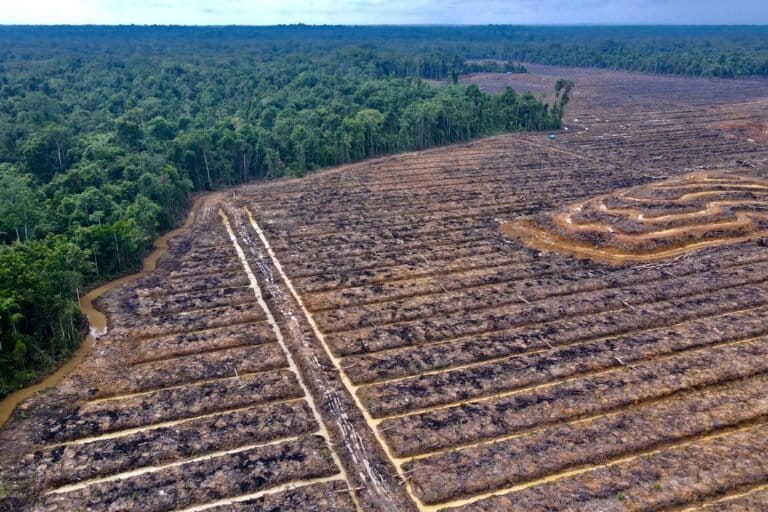
The release of the documentary film Pesta Babi: Kolonialisme di Zaman Kita (The Pig Feast: Colonialism in Our Time) has ignited a profound national conversation regarding the intersection of state-led development, indigenous rights, and environmental preservation in Indonesia. Directed by acclaimed investigative filmmaker Dandhy Dwi Laksono and produced through a three-year collaboration between independent media outlets and civil society organizations, the film provides a harrowing look at how National Strategic Projects (PSN) in the food and energy sectors are systematically marginalizing indigenous communities in Merauke, South Papua. The documentary focuses on the plight of the Auyu, Muyu, Yei, and Malind tribes, whose ancestral forests—the very foundation of their existence—are being cleared to make way for a massive agricultural expansion plan spanning more than 2.7 million hectares.
While the film primarily uses Papua as its focal point, its creators emphasize that the issues it depicts—land land-grabbing, the destruction of living spaces, and the displacement of indigenous peoples under the guise of national investment—are indicative of a broader systemic crisis occurring across the Indonesian archipelago. According to Dandhy Dwi Laksono, the film is a critique of militarism, the exploitation of natural resources, and the unresolved agrarian issues that continue to plague provinces from Sumatra to Maluku. Since its digital release on the Jubi TV YouTube channel, the documentary has garnered over 14 million views, signaling a high level of public interest and concern over the government’s developmental approach in the nation’s easternmost region.
The Evolution of a Documentary and the Suppression of Public Screenings
The journey of Pesta Babi from a localized investigative project to a viral sensation began with its international premiere in Auckland, New Zealand, on March 7, 2026. Following its global debut, the film was distributed through a grassroots network of "nobar" (nonton bareng) or public screening events. This decentralized distribution model allowed the film to reach diverse audiences in over 2,000 locations worldwide, including remote villages and urban centers across Indonesia. However, as the film’s popularity grew, so did the efforts to suppress it.
Reports from the collaborative team behind the film indicate that approximately 50 public screenings were forcibly disbanded or prohibited by security forces, including the military (TNI) and police, often citing "security concerns" as the justification. In Ternate, North Maluku, the Alliance of Independent Journalists (AJI) condemned the military’s intervention in a screening, labeling it a direct assault on democratic rights and freedom of expression. Despite these repressive measures, the film’s transition to YouTube ensured that its message reached a global audience, bypassing local censorship and sparking a digital movement of solidarity for the Papuan people.
The documentary highlights not only the environmental degradation caused by large-scale land clearing but also the human cost of militarism in the region. It documents how armed conflicts and the presence of security forces have forced thousands of Papuans to flee their homes, creating a humanitarian crisis that is often overlooked in the official narrative of economic progress. By documenting these realities, Pesta Babi challenges the state’s assertion that the food and energy PSNs are intended for the welfare of the Papuan people.
The Controversy of Yasinta Moiwend: A Shift in Stance
One of the most complex developments following the film’s release involves Yasinta Moiwend, a prominent indigenous woman from the Marind-Anim tribe who serves as a central figure in the documentary. Initially portrayed as a fierce defender of her ancestral lands and a vocal critic of the PSN, Moiwend’s public stance shifted dramatically in late May 2026. In a video statement released on May 24, she expressed disappointment with the filmmakers, claiming the documentary was produced without her full knowledge and that she felt "exploited" by the collaborative team.
Moiwend further alleged that the filmmakers failed to provide promised assistance, such as renovating her home or funding her children’s education. Following these statements, she announced her support for the food and energy projects, expressing hope that the government and corporations would eventually bring prosperity to her community. On May 29, 2026, accompanied by legal counsel T.S. Hamonangan Daulay, Moiwend reported Johnny Teddy Wakum, Director of the Merauke Papua Legal Aid Institute (LBH), and Dandhy Dwi Laksono to the Polda Metro Jaya for alleged violations of Law No. 27/2022 concerning Personal Data Protection.
This sudden reversal has been met with skepticism and concern from both the filmmaking team and Moiwend’s own family. The collaborative team behind Pesta Babi issued a press release stating their respect for her current position while urging the public not to judge her, noting that they are still trying to understand the circumstances behind her change of heart. Meanwhile, Moiwend’s family reported losing contact with her starting May 24, 2026, and suggested that she may have been subjected to intimidation or pressure to change her testimony. According to family members, Moiwend was not at her home during the period her stance changed and later contacted them from Jakarta, requesting her identification documents to facilitate a meeting with the President.
Human Rights and the Legal Protection of Environmental Defenders
The legal action against the filmmakers has drawn the attention of the National Commission on Human Rights (Komnas HAM). Saurlin P. Siagian, Commissioner for Monitoring and Investigation, stated that the commission is intensively monitoring the case, noting that Moiwend had previously approached Komnas HAM to report the seizure of her indigenous lands. In collaboration with the National Commission on Violence Against Women (Komnas Perempuan) and the Witness and Victim Protection Agency (LPSK), Komnas HAM is investigating whether the report against the filmmakers constitutes a form of "Strategic Lawsuit Against Public Participation" (SLAPP)—a legal tactic used to silence critics and environmental defenders.
Komnas HAM has reminded the state that the constitution and international human rights instruments guarantee the freedom of expression and artistic creation. The commission argued that the government should respond to criticism with factual counter-arguments rather than repressive legal or military measures. This sentiment is echoed by Dewi Kartika, Secretary General of the Consortium for Agrarian Reform (KPA), who pointed out that the criminalization of activists is a recurring theme in Indonesia’s agrarian conflicts.
Data from the KPA reveals a disturbing trend: in 2025 alone, there were 341 recorded agrarian conflicts, a 15% increase from the previous year. these conflicts covered 914,547 hectares of land and directly impacted 123,612 families across 428 villages. The escalation of violence in these disputes often involves corporate security (233 cases), police (114), the military (70), and local municipal police (36). The human toll of these conflicts in 2025 included 404 individuals criminalized, 312 assaulted, 19 shot, and one fatality.
Terricide: The Destruction of Biocultural Civilizations
From a sociological and anthropological perspective, the crisis in Papua is viewed as more than just an environmental or economic issue; it is described as "terricide." Dr. Yulia Sugandi, an expert in sociology and anthropology, argues that the government’s developmental paradigm is fundamentally flawed because it prioritizes "instrumental value" (economic benefit) while ignoring the "intrinsic value" of nature and the "relational value" between humans and their environment.
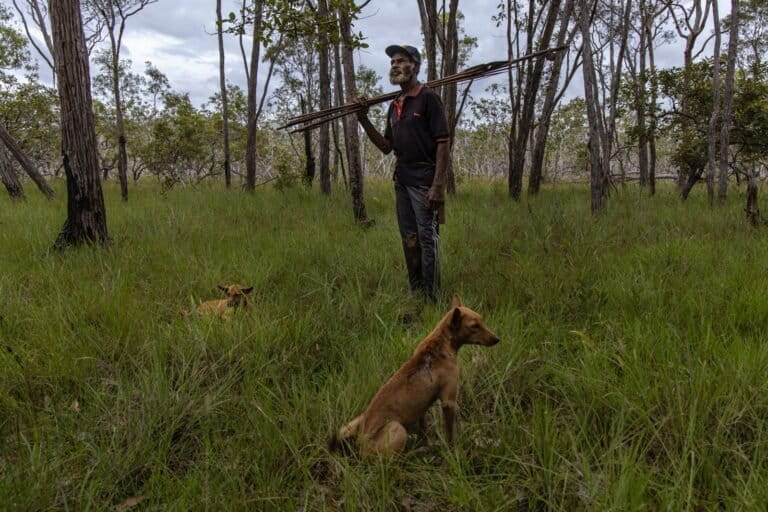
The term "terricide," borrowed from anthropologist Arturo Escobar, refers to the destruction of the relational world that sustains a life system. For the indigenous people of Papua, the forest is not merely a collection of trees or a source of timber; it is "the mother" that provides food, medicine, and spiritual identity. The landscape is an archive of biocultural knowledge, including ethnomedicine, ethnoecology, and ethnoornithology. When the forest is cleared for industrial agriculture, this entire civilization of knowledge collapses.
Dr. Sugandi emphasizes that the current "food estate" projects in Merauke are repeating the mistakes of the past. She cites the failed Mega Rice Project of the Suharto era in 1997, which attempted to convert one million hectares of peatland in Central Kalimantan into rice fields, resulting only in environmental disasters like perennial floods and forest fires. Similarly, the Integrated Food and Energy Estate (MIFEE) launched by President Susilo Bambang Yudhoyono in 2010 and the more recent food estate initiatives under President Joko Widodo have faced significant criticism for their lack of ecological viability and social inclusivity.
A Call for a Paradigm Shift in National Development
The recurring failure of large-scale agricultural projects suggests that the government views food security as a matter of corporate investment rather than agrarian justice. The KPA argues that Indonesia does not lack food producers; according to the 2023 Agricultural Census, there are approximately 27 million farming households across the country. If the state focused on strengthening the land rights of these small-scale farmers, traditional fishers, and indigenous communities through genuine agrarian reform, food sovereignty could be achieved without the destruction of indigenous forests.
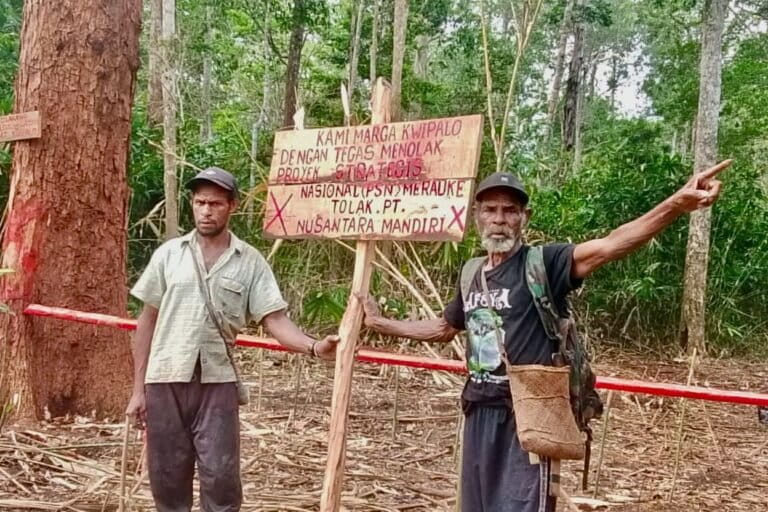
The current approach, which involves mobilizing heavy machinery and security forces to clear land, is viewed by critics as counterproductive to the goal of national welfare. In the Wanam region of South Papua, the destruction of swamps has led to the loss of fish habitats, stripping local communities of their primary source of livelihood. The presence of security forces has also created a climate of fear, preventing indigenous people from entering the remaining forest areas to hunt or gather food.
The controversy surrounding Pesta Babi serves as a stark reminder of the ongoing struggle for the soul of Papua. As the legal case against Dandhy Dwi Laksono and Johnny Teddy Wakum proceeds, the broader questions raised by the film remain: can a nation truly prosper when its growth is built upon the displacement of its most vulnerable citizens and the destruction of its most vital ecosystems? The experts and activists featured in the discourse surrounding the film agree that a "pragmatic dialogue" and "ontological listening"—actually hearing and understanding the indigenous worldview—are the only ways to resolve the deep-seated conflicts in Tanah Papua. Without a fundamental shift in how the state perceives both the land and its people, the "Pig Feast" of modern colonialism risks leaving behind a legacy of irreversible loss.