
 Paryono Ramadhan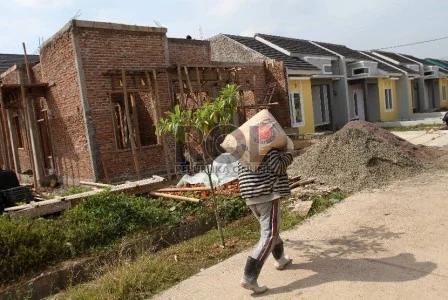
The sprawling metropolitan buffer zone encompassing Bogor, Depok, Tangerang, and Bekasi (Bodetabek) continues to solidify its position as a highly coveted and dynamic hub for property developers. This sustained interest is evidenced by a robust pipeline of ongoing and newly launched projects, reflecting developers’ confidence in the region’s enduring potential as a critical extension of the Jakarta economic powerhouse. The strategic importance of Bodetabek stems from its ability to offer more accessible land, relatively lower property values compared to the capital, and an increasingly sophisticated infrastructure network, catering to a burgeoning population seeking both residential comfort and commercial convenience outside Jakarta’s core.
The Enduring Allure of Bodetabek: A Metropolitan Satellite
Bodetabek’s appeal is multifaceted, driven by factors such as rapid urbanization, demographic shifts, and significant infrastructure investments. As Jakarta grapples with issues of congestion and limited land availability, its satellite cities have emerged as viable alternatives for living, working, and leisure. The regions boast a growing middle class, a young workforce, and a constant influx of migrants seeking opportunities, creating a strong demand base for diverse property types. Development in these areas is not merely an overflow from Jakarta but a strategic expansion, aiming to create self-sufficient urban centers. Improved connectivity through toll roads, commuter rail lines (KRL Commuterline), and future public transport expansions (like potential LRT/MRT extensions) has drastically reduced commuting times, further integrating Bodetabek into the greater Jakarta economic sphere. This symbiotic relationship ensures that growth in one area positively impacts the other, making Bodetabek a logical choice for long-term real estate investment.
Intiland’s Aeropolis: A Hub for Airport-Centric Living
A prime example of this strategic development is PT Intiland Development’s ambitious Aeropolis project. Recognizing the unique needs of the community surrounding Soekarno-Hatta International Airport (Soetta), Aeropolis is designed as a comprehensive, integrated hub. This sprawling development aims to provide a seamless ecosystem of residential units, office spaces, retail outlets, and cargo facilities, directly addressing the requirements of airport staff, airline personnel, logistics companies, and frequent travelers. The vision behind Aeropolis aligns with the global "airport city" concept, where airports evolve beyond mere transport hubs into vibrant economic zones that drive regional growth.
Didik Riyanto, the Director of the Aeropolis project, underscored this commitment with the launch of Onyx Residence, a new vertical living offering within the Aeropolis master plan. Comprising three distinct towers, each eight stories high, Onyx Residence is specifically tailored to cater to the transient and permanent workforce associated with Soetta Airport. Two of these towers have already reached completion, with the construction of the third tower slated to commence upon the successful market absorption of units in the initial two. Riyanto articulated the company’s confidence, stating, "After internal company analysis, we anticipate a high demand for housing around Soetta Airport in the future. This confidence is why we dared to launch this project." This forward-looking strategy is based on the understanding that proximity to work is a paramount consideration for airport-affiliated individuals, making Onyx Residence an attractive proposition. By March 2014, the broader Aeropolis project had already achieved significant sales success, moving approximately 4,000 units across its diverse offerings, including residential, office, warehousing, hotel, and retail components. This strong performance, according to Riyanto, solidifies Aeropolis’s position as a leading integrated development within the Soetta Airport vicinity.
Ascendas and MKD Forge New Mixed-Use Landmark in Tangerang
In parallel, another significant development is taking shape in Tangerang, Banten, through a strategic collaboration between the Singapore-based Ascendas Group and PT Metropolitan Karyadeka Development (MKD). This partnership is spearheading a 9.7-hectare mixed-use project situated within the expansive Metland Cyber City. The development is envisioned as a dynamic urban landscape, featuring a harmonious blend of office buildings, modern apartments, diverse retail spaces, and an array of essential supporting facilities. Manohar Khiatani, CEO and President of Ascendas Group, highlighted the project’s timely relevance, explaining, "This serves as a response to the increasing business expansion in Jakarta’s peripheral areas, where there is a clear demand for mixed-use developments to support their operations."
Nanda Widya, President Director of PT MKD, expressed strong enthusiasm for the venture, recognizing the evolving needs of modern businesses and individuals. Widya emphasized that the integration of living spaces, workplaces, and recreational facilities is rapidly becoming a fundamental requirement for professionals and entrepreneurs. "The spirit of this area is to become a place where people can truly work, live, and play," Widya affirmed, encapsulating the holistic design philosophy. The project is planned for a phased rollout, with the initial phase scheduled to commence in 2016. This first stage will encompass 1.3 hectares of the total 9.7-hectare site, focusing on the development of apartments, residential homes, and office spaces, complemented by robust supporting infrastructure. Subsequent phases will be triggered by market demand, ensuring a responsive and sustainable growth trajectory. Widya further underscored the strategic advantages of Metland Cyber City’s location, citing its excellent accessibility from the Jakarta-Merak Toll Road via a new direct exit at KM 11, as well as its proximity to several major arterial roads. This prime location, coupled with Tangerang’s reputation as a preferred property investment choice for Jakarta-based workers, promises high capital gain potential for investors.

Shifting Tides: Bogor Emerges as Top Investment Destination
While Tangerang has historically been a strong contender, a mid-2015 property investment survey revealed a notable shift in investor preferences, with Bogor, West Java, now ranking as the top choice. General Manager Mario Gaw, who conducted the survey, indicated that Bogor secured the leading position with a significant 37 percent of respondents identifying it as their preferred investment locale. This finding represents a shift from previous semesters where Tangerang frequently held the top spot. Following Bogor, Tangerang and Bekasi maintained strong positions, reflecting the continued overall strength of the Bodetabek market. Within the DKI Jakarta region, South Jakarta remained the favored district for property buyers, underscoring its premium status and sustained desirability.
The survey, an online initiative conducted over a period of 1.5 months in January 2015, provides valuable insights into prevailing market sentiments. Gaw explained that such surveys are routinely conducted twice annually, serving as crucial reference points for real estate industry players, enabling them to make informed decisions regarding project development, marketing strategies, and investment allocation. The reasons behind Bogor’s ascent could be attributed to several factors, including its reputation for cooler climate, scenic landscapes, burgeoning tourism sector, and relatively lower population density compared to other Bodetabek cities. Furthermore, ongoing and planned infrastructure improvements, alongside a perceived higher quality of life, likely contributed to its enhanced appeal as an investment destination. This shift indicates a maturing market where buyers and investors are increasingly sophisticated, looking beyond mere proximity to Jakarta for factors like environmental quality, lifestyle offerings, and long-term value appreciation.
Navigating Property Financing: Banks and Developer Programs
Beyond location and property type, the survey also delved into the critical aspect of property financing, revealing interesting insights into buyer preferences. A significant 75 percent of respondents continued to place their trust in traditional bank loans as their primary source of credit for property acquisition. This highlights the enduring reliability and established processes associated with conventional banking institutions. However, a substantial 53 percent of respondents also acknowledged and considered the credit programs offered directly by developers as a viable and innovative alternative.
This dual preference underscores a dynamic financing landscape. While bank loans offer structured repayment plans and often lower interest rates for qualified borrowers, developer-offered credit programs are gaining traction due to their potential for greater flexibility, simplified application processes, and sometimes more lenient initial requirements. These developer programs can be particularly attractive to a segment of the market that might face challenges with stringent bank lending criteria or prefers bespoke payment schedules. For instance, some developer programs might offer staggered payments, lower down payments, or even interest-free periods, making property ownership more accessible to a broader demographic. The increasing consideration of developer programs indicates a growing sophistication in market offerings and a responsiveness from developers to tailor financial solutions that meet diverse buyer needs, ultimately facilitating higher market absorption rates for new projects.
Broader Implications and Future Outlook
The vibrant property development landscape in Bodetabek, characterized by integrated projects and shifting investment patterns, carries significant broader implications for regional urban planning, economic growth, and social dynamics. The continued expansion of mixed-use developments, such as Aeropolis and Metland Cyber City, points towards a future where satellite cities are not just bedroom communities but self-sustaining economic engines. This model can alleviate pressure on Jakarta’s infrastructure and resources by decentralizing employment and services. However, it also necessitates careful urban planning to manage potential challenges like increased traffic congestion, strain on local utilities, and environmental concerns related to rapid development.
The rise of Bogor as a top investment destination, displacing long-standing favorites like Tangerang, signals a maturation of the Bodetabek property market. Developers and investors must continually adapt to these evolving preferences, recognizing that quality of life, environmental factors, and unique lifestyle propositions are becoming increasingly important alongside traditional metrics like proximity and price. Government support, particularly in infrastructure development and conducive regulatory frameworks, will remain crucial for sustaining this growth trajectory. Looking ahead, the Bodetabek region is poised for continued expansion, driven by demographic imperatives, ongoing infrastructure enhancements, and the innovative approaches of property developers. This sustained activity is expected to further solidify its role as a cornerstone of Indonesia’s economic development, offering diverse opportunities for both residents and investors alike, albeit with an increasing emphasis on integrated, sustainable, and lifestyle-oriented developments.








