Nila Kartika Wati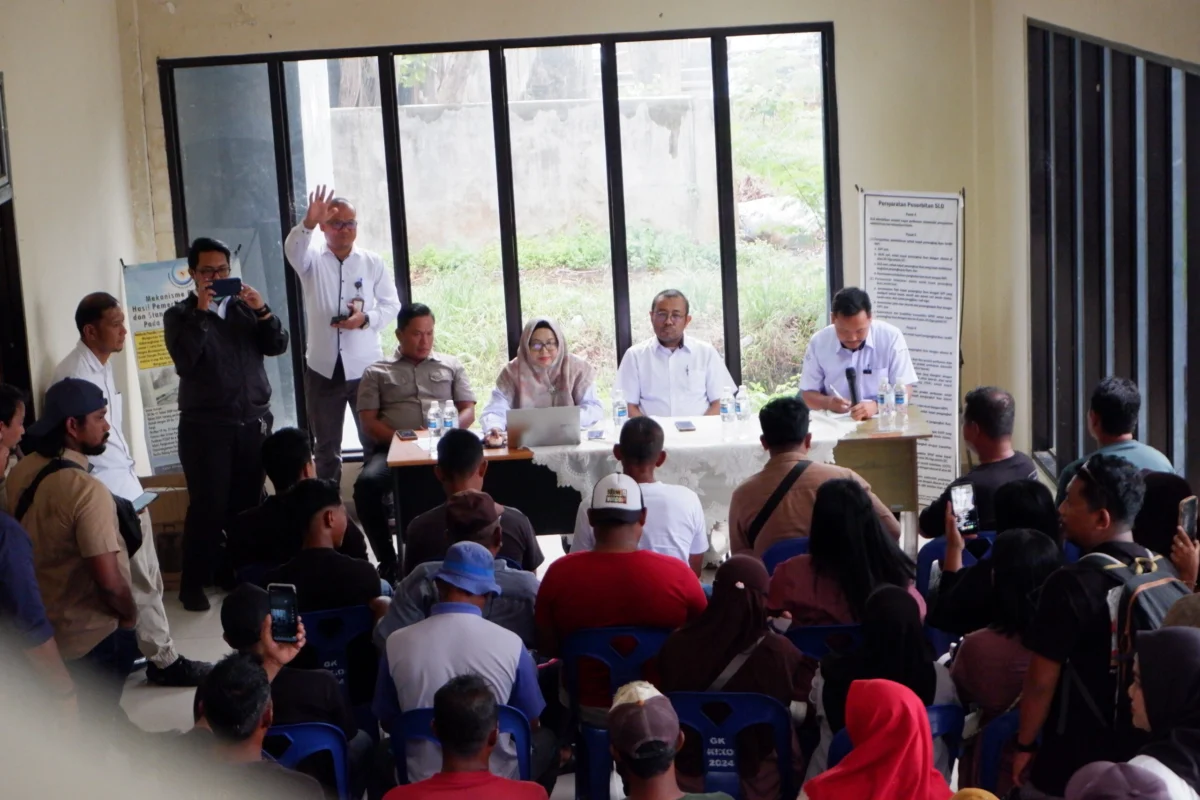
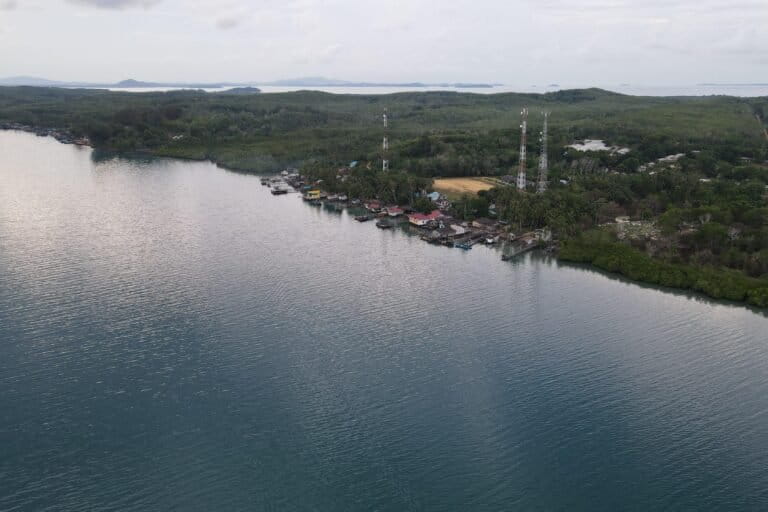
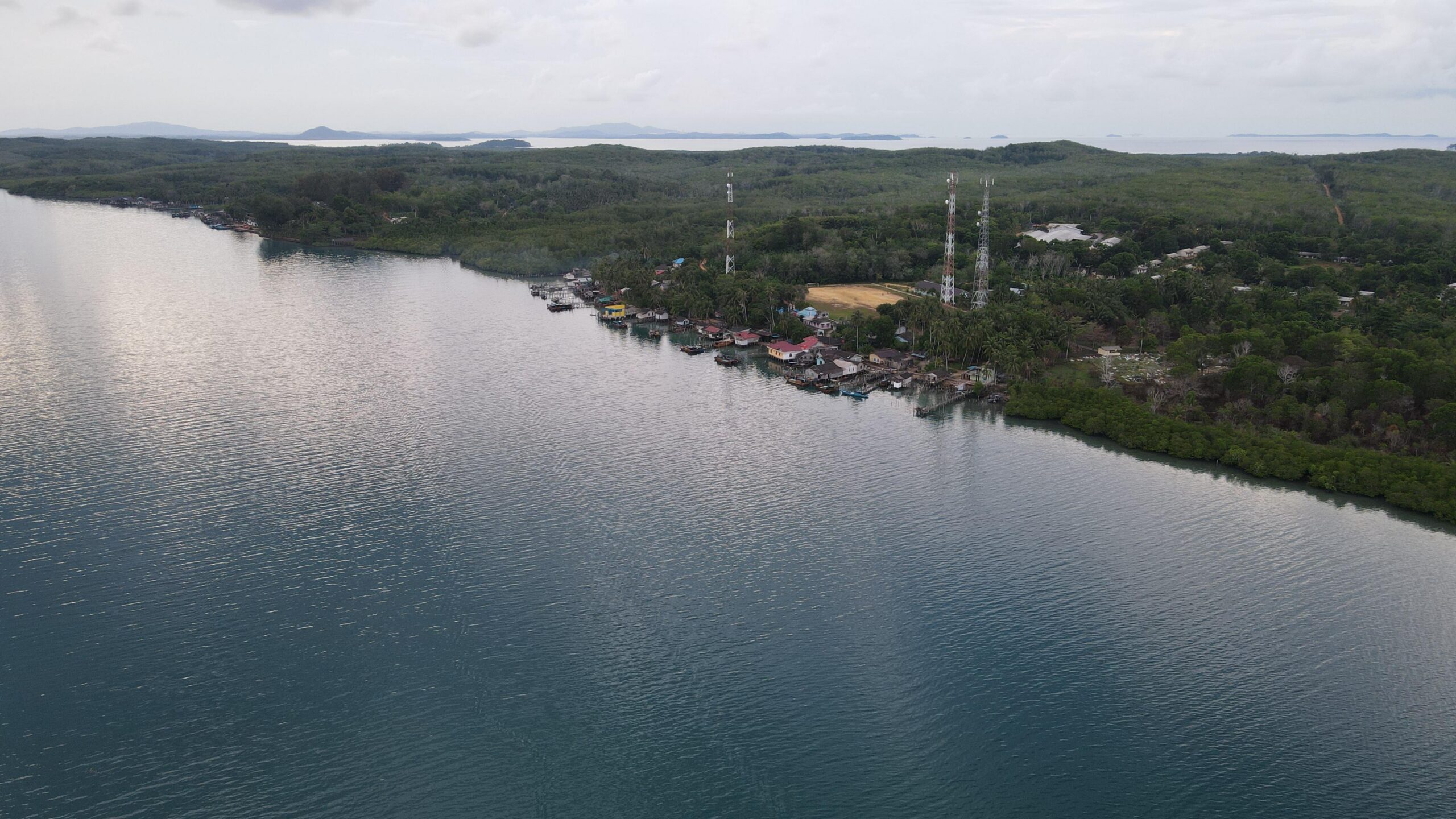
The coastal atmosphere of Pulau Numbing in the Bintan Regency of the Riau Islands appeared deceptively tranquil on a late afternoon in May 2026. Only a few fishermen were visible, quietly mending their nets on their porches. However, this stillness belies a community in the throes of a deep internal conflict—a "geopolitical tremor" sparked by a controversial plan to mine sea sand in the waters surrounding the island. Since the project was first announced under the guise of "sedimentation management," the residents of this small island have been sharply divided. While some see the promise of financial compensation as a lifeline, others view the dredging as a death knell for their traditional way of life and the marine ecosystem that sustains them.
The tension is palpable and personal. In the small neighborhoods of Pulau Numbing, the disagreement has moved beyond public debate and into the private lives of its inhabitants. "This house rejects the mining; that one over there accepts it because he works as a village official," one local fisherman noted, pointing to his neighbor’s home. The social friction has reached a point where close relatives have ceased speaking to one another. The fisherman admitted that he himself is no longer on speaking terms with his own brother due to their opposing views on the mining project. This horizontal conflict is the direct result of a plan that involves not just one, but 13 different companies seeking to extract sand from the local seabed.
The Genesis of a Growing Resistance
The roots of the current unrest can be traced back to March 2025, when rumors first began to circulate among the fishing community regarding a single company’s intent to mine sea sand. However, the scale of the operation became clearer—and much more alarming—when it was revealed that 13 companies had been granted preliminary access to the area. Rudi Herdiawan, the Chairman of the Bintan-Lingga Coastal Fishermen’s Alliance, has since become a central figure in the resistance. Recognizing the catastrophic risks posed by large-scale dredging, Herdiawan has organized a movement that spans several islands, including Karimun and Lingga.
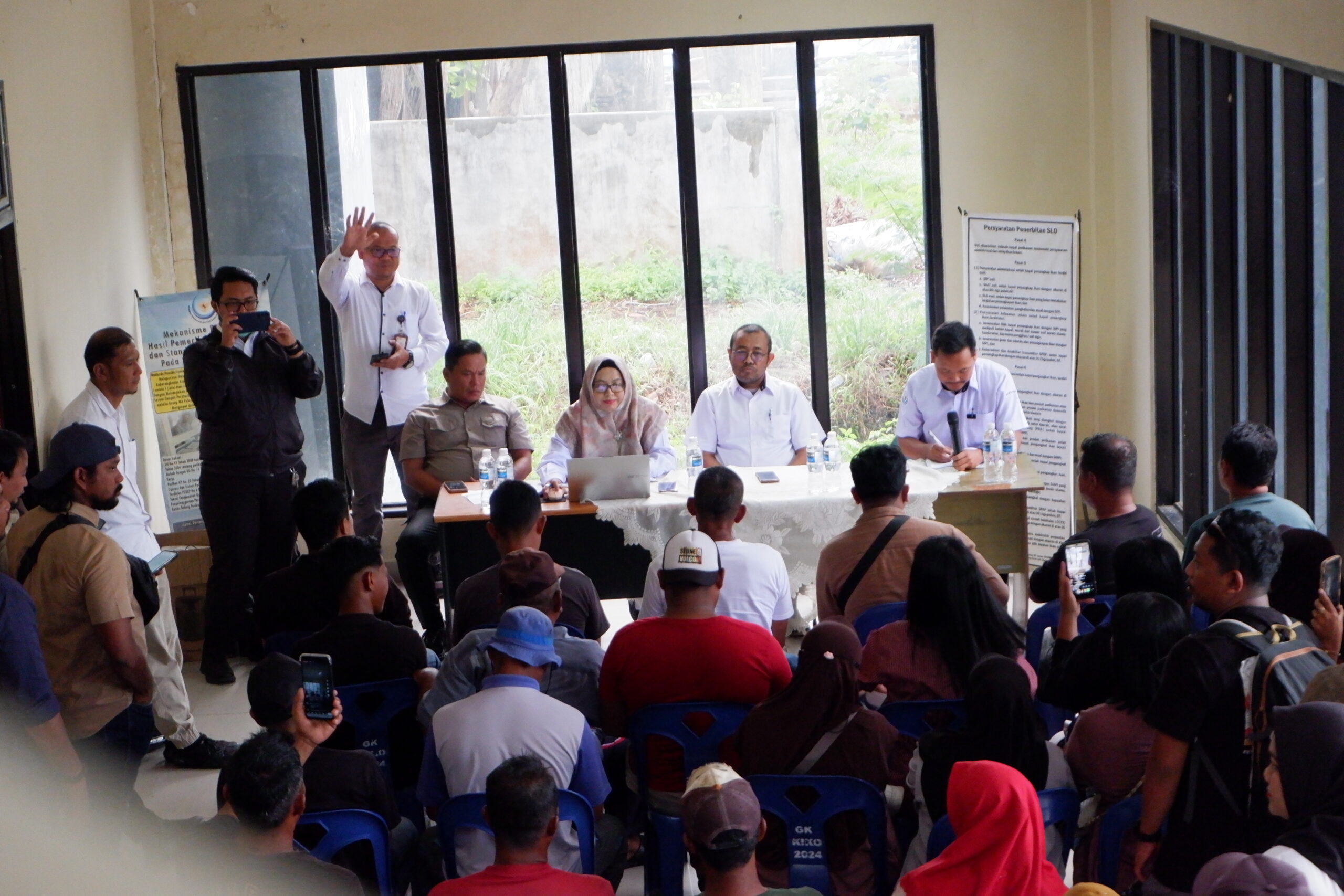
The opposition’s primary grievance is the lack of transparency and the perceived "pseudo-consultations" held by the companies. According to Herdiawan, the public consultation meetings were orchestrated to exclude dissenting voices. "They invited their own people—a small number of fishermen, but mostly members of the local PKK (Family Welfare Movement) and rubber plantation workers who are not directly impacted by the sea," Herdiawan claimed. He argues that the true stakeholders—the fishermen whose livelihoods depend on clear waters and healthy coral reefs—were largely left out of the room.
In response to these perceived injustices, fishermen from across the region have taken their grievances to the streets, protesting in front of the Governor’s office and the Regional People’s Representative Council (DPRD) of the Riau Islands. They argue that the "sedimentation management" label is merely a legal loophole designed to facilitate the export of sea sand, a practice that was banned in Indonesia for two decades before being controversially reinstated via Government Regulation (PP) No. 26 of 2023.
Economic Survival versus Short-term Compensation
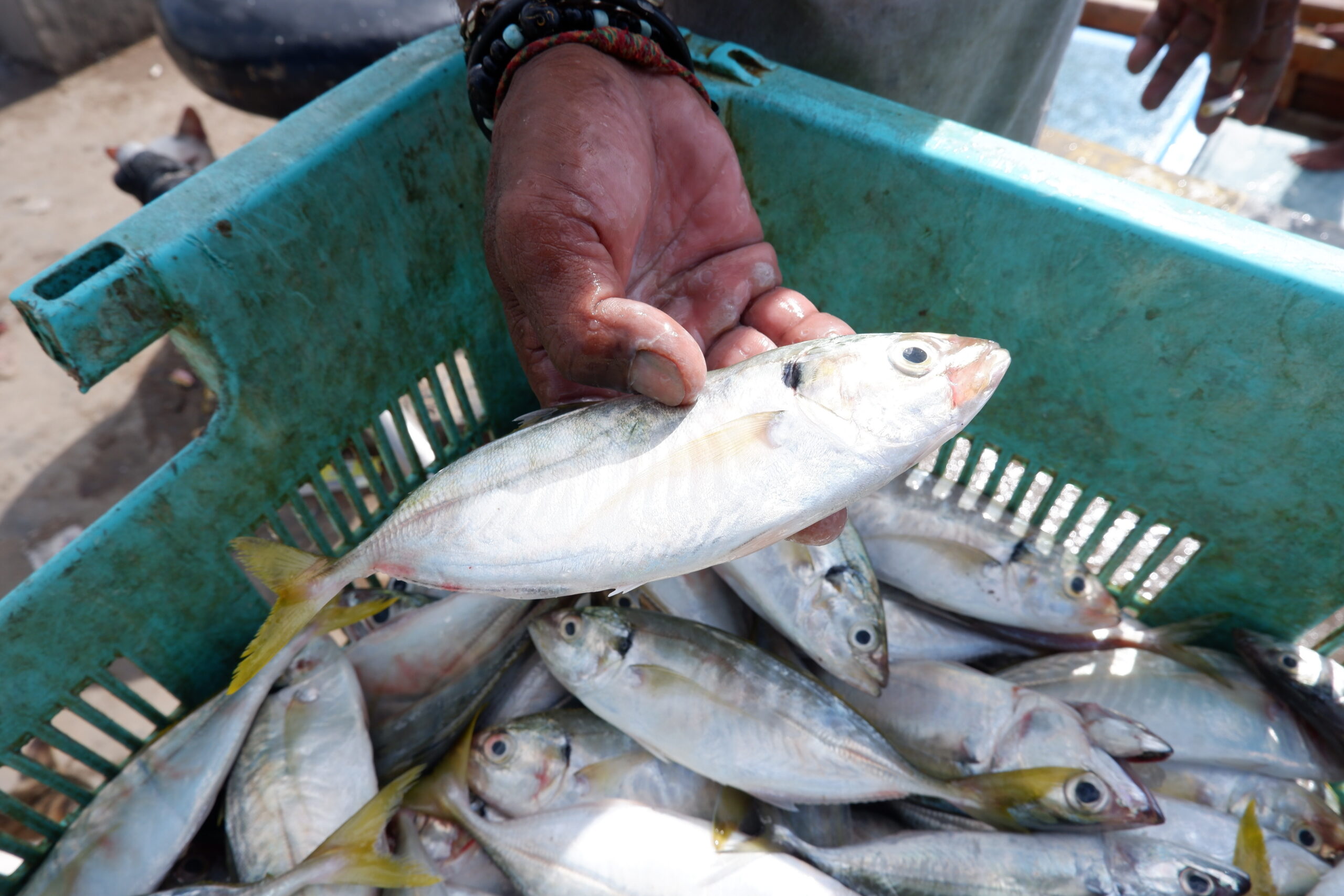
For many in Pulau Numbing, the resistance is a matter of economic survival. Edy, a local fisherman, provides a stark contrast between the current reality of the fishing industry and the uncertain future promised by the mining companies. "I have been able to support my family and even pay for my child’s university education through fishing," Edy shared. On a good month, he can earn between Rp 4 million and Rp 8 million from just four fishing trips, with a single trip sometimes yielding up to Rp 2 million.
Edy’s fear is that the dredging will turn the currently crystal-clear waters into a turbid mess, driving fish stocks away and forcing fishermen to travel much further out to sea, which increases fuel costs and physical risk. "We have seen this before," Edy recalled. "When they mined sand in Batam, our waters here became murky too. If they mine right here, the damage will be permanent."
On the other side of the divide, some fishermen are swayed by the promise of immediate financial relief. Safirudin, known locally as Epi, and Tarjulin, known as Len, represent the faction that has chosen to accept the companies’ presence. Epi admitted that he was initially an opponent of the project, but his stance shifted after attending several consultation sessions. The primary motivator is a proposed compensation package: Rp 2 million per month for fishing households and Rp 1 million for non-fishing households from each of the 13 companies.
Mathematically, the potential windfall is significant. If all 13 companies begin operations and fulfill their promises, a fishing family could theoretically receive up to Rp 26 million a month—an amount that dwarfs the local Minimum Wage (UMK) of Bintan. For a community facing rising fuel prices and unpredictable weather patterns, this "passive income" is a tempting alternative to the hard labor of the sea. However, as of May 2026, these promises remain verbal; no written agreements have been signed between the companies and the villagers.
Ecological Implications and the "Sedimentation" Narrative
The environmental stakes of the project are being closely monitored by national advocacy groups. Susan Herawati, the Secretary-General of the People’s Coalition for Fisheries Justice (KIARA), warns that the ecological functions of sea sand are often dangerously undervalued by policymakers. "Sea sand is not just a commodity; it is a vital buffer that holds back currents and waves," Herawati explained. She noted that while mangroves are often praised for coastal protection, the role of the seabed’s topography is equally critical.
According to KIARA, the removal of sea sand leads to "subsidence" or the sinking of the seabed, which can trigger a chain reaction of coastal erosion and land loss on nearby islands. The "sedimentation management" narrative, Herawati argues, is often used to mask the destructive nature of dredging. By labeling the sand as "sediment" that needs to be cleared for navigation, companies can bypass more stringent environmental protections.
The impact is expected to reach far beyond the shores of Pulau Numbing. The waters in question are a shared resource for fishermen from the islands of Dendun, Matang, and Kelong, as well as those from the wider Bintan, Karimun, and Lingga regencies. A decline in water quality or a shift in marine currents in Numbing would create a regional ripple effect, potentially displacing thousands of traditional fishermen who have utilized these communal grounds for generations.
Legal Concerns and the Risk of Horizontal Conflict
Ahmad Fauzi, from the Institute for Legal Studies and Assistance (LsBH) for Island Communities, expressed grave concern over the social engineering tactics used by mining firms. He noted that the "compensation lure" is a classic strategy used to break community solidarity. "Compensation is used to entice the public, but its long-term fulfillment is never guaranteed," Fauzi warned. He pointed out that once the ecological damage is done, no amount of monthly stipends can restore a collapsed fishery.
Fauzi urged the government and the 13 involved companies to halt their plans immediately to prevent the escalation of horizontal conflicts. The current atmosphere of mutual suspicion and the breakdown of family ties in Pulau Numbing are, in his view, early warning signs of a social crisis that could turn violent if the project proceeds without genuine community consensus.
The Village Head of Pulau Numbing, Herry Yudo Santoso, finds himself in a difficult position. While he acknowledges the residents’ concerns, he maintains a level of trust in the government’s regulatory process. "We are not experts. We believe the government would not intentionally make life difficult for the people. There must have been prior studies," Santoso said. He emphasized that the village administration’s role is to ensure that the companies follow through on their Corporate Social Responsibility (CSR) commitments and adhere to the Environmental Impact Analysis (Amdal) guidelines. Currently, six of the 13 companies have completed their Amdal process, while the others are still in the pipeline.
Regional Context and Future Outlook
The situation in Bintan is a microcosm of a larger national debate in Indonesia. Since the lifting of the sea sand export ban, the Riau Islands have become a primary target for mining due to their proximity to major reclamation projects in Singapore and other parts of Southeast Asia. Critics argue that the ecological cost of "building" new land elsewhere is being paid by the coastal communities of Indonesia.
The historical precedent of reclamation in areas like the Marina Beach and Tanjung Emas Port in Semarang serves as a cautionary tale. In those cases, changes in sea currents and land subsidence led to chronic tidal flooding (rob), leaving residents to live in houses permanently surrounded by water. Susan Herawati of KIARA points out that when such disasters occur, the state often fails to provide adequate compensation or relocation for the affected citizens.
As the 13 companies in Bintan move closer to operational status, the window for dialogue is closing. The fishermen of Pulau Numbing remain at a crossroads: one path offers a gamble on short-term corporate wealth, while the other demands the protection of a traditional, albeit increasingly difficult, livelihood. For now, the "quiet" of Pulau Numbing is only the silence of a community waiting for the other shoe to drop, as the sea that once united them now becomes the very thing that divides them. The outcome of this struggle will not only determine the fate of one island but will serve as a landmark case for the future of Indonesia’s marine and coastal governance in the era of renewed sea sand extraction.