Tata Titiana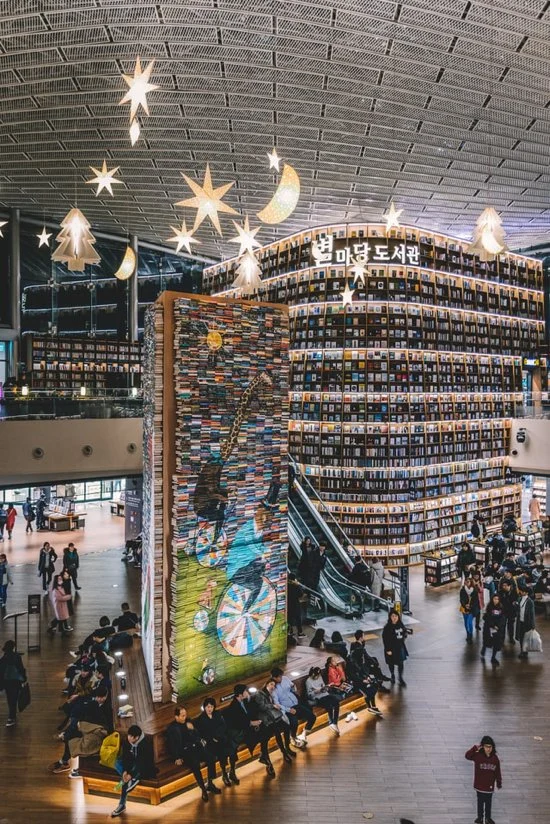
South Korea has ascended to become a premier global tourist destination, attracting a significant influx of international visitors, including a notable segment from Indonesia. This surge in popularity can be attributed, in large part, to the widespread accessibility and captivating narratives of South Korean dramas. These series not only entertain with their compelling storylines but also showcase the country’s diverse and picturesque backdrops, transforming ordinary locations into highly sought-after travel destinations. For travelers seeking to immerse themselves in the visual splendor and romantic ambiance often depicted in these beloved shows, several key locations offer an unparalleled experience, blending natural beauty with the distinct charm of Korean television.
The allure of South Korea as a travel hotspot is intrinsically linked to the "Hallyu" wave, or the Korean Wave, which has propelled Korean culture, including its dramas, music, and cuisine, onto the global stage. This phenomenon, which began gaining momentum in the late 1990s and early 2000s, has created a powerful soft power for the nation. Dramas, in particular, serve as potent cultural ambassadors, offering viewers a visual narrative that often highlights the aesthetic appeal of various South Korean locales. Many viewers, inspired by the on-screen romance and drama, actively seek to visit the very places where their favorite scenes were filmed, turning travel into an extension of their entertainment experience. This article delves into some of these compelling destinations, offering insights into why they resonate with both local and international tourists, particularly those drawn by the magic of Korean dramas.
Geonbae: A Glimpse into Seoul’s Vibrant Nightlife
For travelers yearning to experience the pulsating heart of a modern metropolis, Geonbae presents an unmissable opportunity. This specific locale, often featured in dramas to depict bustling urban nightlife and social gatherings, is characterized by streets lined with an array of beverage establishments. Its striking appearance and vibrant atmosphere undeniably contribute to a strong sense of urban dynamism. Geonbae is known for its accessibility, remaining a lively hub at all hours, consistently drawing a diverse crowd that includes both local residents and international tourists.
The name "Geonbae" itself, often translated as "cheers" in Korean, encapsulates the spirit of conviviality and social interaction that defines this area. Dramas frequently leverage this setting to portray characters unwinding after a long day, celebrating milestones, or engaging in important conversations over drinks. The visual appeal of Geonbae lies in its energetic ambiance, illuminated signs, and the constant flow of people. It’s a place where the narrative of everyday Korean life, as seen on screen, unfolds in real-time. The density of bars and restaurants ensures a constant buzz, making it an ideal spot for those who wish to soak in the lively atmosphere of Seoul after sunset. Beyond its visual charm, Geonbae offers a culinary and social experience, allowing visitors to sample local beverages and observe the social customs of South Korea firsthand. The area’s persistent popularity underscores its significance not just as a filming location but as a genuine cultural hotspot within the capital.

Daehakro: Seoul’s Cultural Artery and Theatrical Heartbeat
Daehakro, often referred to as the "Street of Youth" or the "Broadway of Korea," stands as a testament to South Korea’s rich artistic heritage. This expansive boulevard, stretching approximately 1.6 kilometers, is more than just a thoroughfare; it is a vibrant cultural artery pulsating with artistic energy. Similar in spirit to the famed Broadway in New York City, Daehakro is renowned for its concentration of performance venues, art galleries, and theaters that remain active and influential to this day. The area is a critical incubator for South Korean performing arts, hosting a diverse array of theatrical productions, musicals, concerts, and exhibitions.
The significance of Daehakro in South Korean culture cannot be overstated. It is a crucial space for artistic expression, education, and innovation. Many of the nation’s renowned actors, directors, and playwrights have honed their craft in the theaters and institutions situated along this street. Dramas often use Daehakro to depict characters pursuing artistic dreams, engaging in theatrical endeavors, or simply enjoying the rich cultural tapestry of the city. The visual landscape of Daehakro is characterized by its lively street performances, posters advertising upcoming shows, and the architectural diversity of its performance spaces, ranging from historic theaters to contemporary black box venues.
The history of Daehakro is deeply intertwined with the development of performing arts in South Korea. Following the Korean War, Seoul experienced rapid urbanization, and many cultural institutions and universities began to establish themselves in this area. Over the decades, it evolved into a hub for experimental theater and avant-garde performances, fostering a unique artistic community. Today, it continues to be a dynamic space where traditional Korean performing arts are showcased alongside contemporary and international productions. For tourists, Daehakro offers an immersive cultural experience, allowing them to witness the passion and talent that drives South Korea’s thriving arts scene. It provides a unique opportunity to step beyond the typical tourist attractions and engage with a vital aspect of Korean identity as portrayed in countless dramas.
Starfield Library: An Architectural Marvel and Literary Sanctuary
For those seeking a more serene yet equally awe-inspiring travel experience, the Starfield Library, located within the COEX Mall in Seoul, offers a distinct and captivating destination. This expansive public library has become a significant landmark, not only for its vast collection of books and reading materials but also for its breathtaking architectural design. It is a place that frequently features in dramas as a symbol of knowledge, contemplation, and sophisticated urban living.
The library’s most striking feature is its towering bookshelves, which reach an impressive height of 13 meters, creating a visually stunning and immersive environment. These shelves house an extensive collection, reportedly exceeding 50,000 books and publications, including magazines and even e-books. The sheer scale and grandeur of the space make it feel like a sanctuary of literature, offering a peaceful respite from the bustling city outside. Its design, with open spaces and ample natural light, invites visitors to explore, read, and reflect.

Starfield Library is more than just a repository of books; it has evolved into a cultural destination in its own right. It frequently hosts author talks, lectures, and other literary events, further solidifying its role as a cultural hub. Its presence in dramas often signifies moments of intellectual pursuit, romantic encounters amidst towering shelves, or characters seeking solace and inspiration. The library’s modern and elegant aesthetic, coupled with its impressive collection, makes it a popular spot for photography and a symbol of Seoul’s commitment to culture and education. The library’s integration within a major shopping complex also means that visitors can seamlessly combine their literary exploration with other urban activities, making it a versatile and accessible attraction. Its recognition as one of the most photogenic libraries in the world further amplifies its appeal to international tourists seeking visually striking and culturally significant experiences.
Beyond the Spotlight: Expanding Your South Korean Travel Itinerary
While Geonbae, Daehakro, and Starfield Library represent just a fraction of the captivating destinations South Korea has to offer, they exemplify the blend of natural beauty, urban dynamism, and cultural richness that draws millions of visitors annually. The influence of Korean dramas in shaping tourism trends is undeniable, transforming everyday locations into sought-after backdrops for personal exploration and memory-making.
The appeal of these locations extends beyond their visual aesthetics. They offer visitors a tangible connection to the narratives they have enjoyed on screen, allowing them to step into the worlds of their favorite characters. This immersive experience is a powerful driver of tourism, creating a unique synergy between entertainment and travel.
As the "Hallyu" wave continues to expand its global reach, it is anticipated that more South Korean locales will gain international recognition as desirable tourist destinations. The country’s commitment to preserving its cultural heritage while embracing modernity ensures a diverse range of experiences for every traveler. From the bustling streets of Seoul to the serene landscapes of its national parks, South Korea offers a compelling tapestry of attractions.
For any traveler planning a visit, exploring these drama-inspired locations can add an extra layer of excitement and personal relevance to their journey. It allows for a deeper appreciation of South Korea’s unique cultural landscape, offering a glimpse into the real-life settings that have contributed to the global phenomenon of Korean entertainment. The country’s vibrant culinary scene, with its array of delectable dishes, further complements the travel experience, providing a sensory journey that engages all aspects of a visitor’s stay. Whether seeking the thrill of urban exploration, the quiet contemplation of a literary haven, or the vibrant energy of artistic expression, South Korea promises an unforgettable travel adventure, deeply enriched by the magic of its cinematic narratives.