Tyo Susilo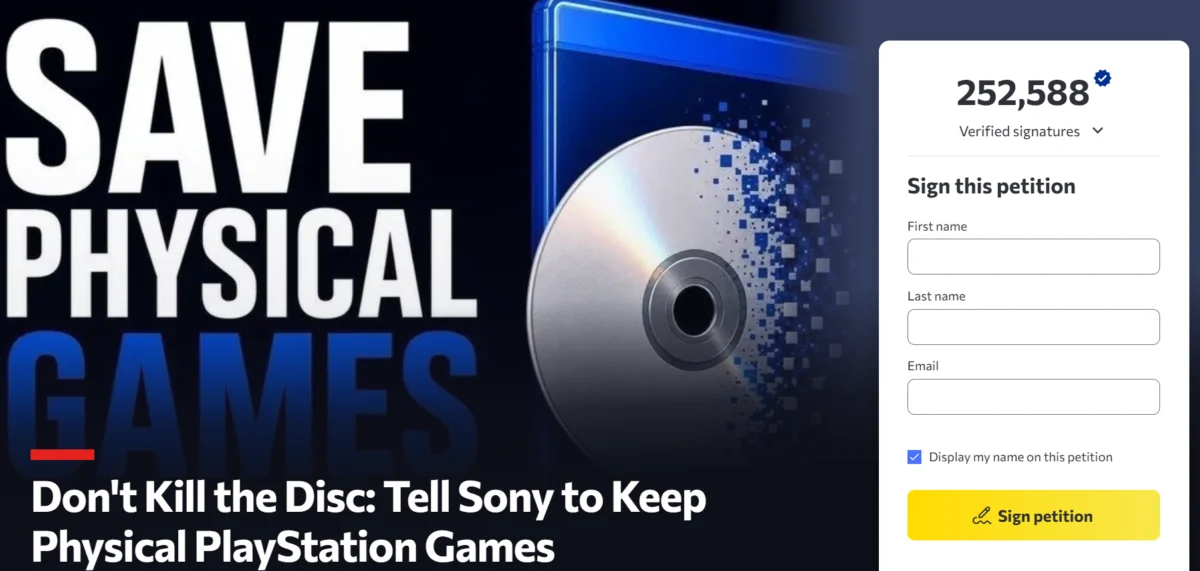
The gaming community is voicing strong disapproval of Sony’s reported plans to phase out physical game production by 2028, a move that has ignited a significant backlash and propelled the "Don’t Kill the Disc" petition to over 250,000 signatures. While digital distribution has undeniably become the dominant force in the video game industry, the overwhelming response to Sony’s potential shift highlights the enduring value many gamers place on physical media, a value that transcends mere market trends and statistics.
The "Don’t Kill the Disc" campaign, initiated by Jade Pearce, CEO of Canadian game retailer PNP Games, is not an outright rejection of digital distribution. Instead, it is a fervent plea for Sony to maintain physical game discs as a viable option for consumers. Proponents argue that physical media offers a tangible sense of ownership, facilitates the resale market for used games, and contributes to the long-term preservation of gaming history. This sentiment underscores a fundamental difference in perception: digital purchases, while convenient, often represent a license to access content rather than true ownership, a distinction that has become increasingly salient for a significant segment of the gaming populace.
A Growing Wave of Concern
The petition’s rapid ascent, garnering hundreds of thousands of signatures within days of its launch, indicates that this issue resonates far beyond dedicated collectors of physical game media. It signals a broader concern among players about the future of game ownership in an increasingly digital landscape. The initiative was formally launched on change.org, with its description clearly articulating the demand: "Tell Sony to keep physical PlayStation games."
The anxieties surrounding digital ownership have been amplified by past incidents. A notable example involved Sony removing hundreds of films that users had purchased digitally due to the expiration of licensing agreements. For signatories of the "Don’t Kill the Disc" petition, such events serve as stark reminders that digital purchases do not equate to permanent possession, unlike physical media that remains accessible as long as the playback hardware is functional. This vulnerability of digital licenses has become a central argument against a complete transition to digital-only distribution.
The Underlying Rationale for Physical Media
The arguments presented by the "Don’t Kill the Disc" campaign are multifaceted and deeply rooted in the historical relationship between gamers and their libraries.
- Tangible Ownership and Control: Physical discs provide a concrete sense of owning a game. Unlike digital licenses, which can be revoked or become inaccessible due to corporate decisions, server shutdowns, or account issues, a physical disc is independent of these external factors. Players can lend their games, resell them, or keep them indefinitely, provided they have compatible hardware.
- The Used Game Market: The resale market for used games has been a cornerstone of the gaming economy for decades. It allows players to access games at a lower cost and provides a revenue stream for retailers and individuals. The discontinuation of physical discs would effectively eliminate this vibrant ecosystem, impacting both consumers and independent businesses.
- Preservation and Archival: Physical media plays a crucial role in the preservation of gaming history. Older games, especially those not re-released digitally or delisted from online stores, can often only be accessed through their original physical formats. The continued production of discs ensures that future generations will have access to the full spectrum of gaming’s past. This is particularly relevant as digital storefronts can disappear, and digital files can become corrupted or unreadable over time.
- Accessibility and Infrastructure Independence: Not all gamers have consistent access to high-speed internet or ample storage space for large digital downloads. Physical media offers an alternative that bypasses these infrastructure requirements, making games accessible to a wider audience, including those in regions with less developed digital networks.
- Collector Value and Nostalgia: For many, physical game collections represent more than just entertainment; they are personal archives, sources of nostalgia, and objects of aesthetic appreciation. The artwork, manuals, and the physical act of inserting a disc into a console are integral parts of the gaming experience for many enthusiasts.
A Timeline of Digital Dominance and Shifting Industry Practices
The push towards digital distribution is not a sudden development. It has been a gradual evolution over the past two decades, driven by technological advancements and changing consumer habits.
- Early 2000s: The rise of broadband internet facilitated the initial growth of digital game sales, albeit on a smaller scale. Platforms like Steam, launched in 2003, began to offer PC games digitally.
- Mid-to-Late 2000s: The introduction of digital storefronts on consoles like the PlayStation Network (PSN) and Xbox Live Arcade allowed for the sale of smaller downloadable titles, further familiarizing players with digital acquisition.
- 2010s: Digital sales began to significantly increase. Console manufacturers and publishers increasingly focused on digital distribution channels, often offering exclusive deals and day-one releases online. The increasing size of game files also made downloading a more common practice.
- Late 2010s – Present: Digital sales have come to dominate the market. Industry reports consistently show digital revenue outpacing physical sales. For example, in 2023, digital game sales in the US accounted for approximately 70-80% of the total market revenue, according to various industry analyses. This trend has led some publishers to reduce their reliance on physical production.
- Sony’s Reported 2028 Shift: Reports and industry whispers suggest Sony’s intention to cease the production of physical PlayStation game discs by 2028. This potential move, if realized, would mark a significant departure from their long-standing practice of supporting physical releases. This aligns with broader industry trends, with some analysts noting that major publishers are increasingly prioritizing digital sales due to higher profit margins and reduced logistical costs.
- Disc Factory Closures: Compounding the concerns, it has been reported that Sony’s largest disc manufacturing facilities have already ceased the production of physical game media, signaling a strategic shift away from this format. This move predates the rumored 2028 discontinuation and suggests a long-term plan already in motion.
Data and Market Trends
While the "Don’t Kill the Disc" petition represents a strong emotional and principled stand, it is important to acknowledge the prevailing market data that likely informs Sony’s strategic decisions.
- Digital Sales Dominance: As mentioned, digital sales constitute a substantial majority of the global video game market. For instance, in 2023, the global video game market revenue was estimated to be over $180 billion, with digital sales accounting for the largest share. Specific figures for PlayStation often show digital sales exceeding 80% of total revenue for new releases.
- Profit Margins: Publishers typically enjoy higher profit margins on digital sales compared to physical sales. This is due to the elimination of manufacturing costs, packaging, distribution logistics, and retailer markups.
- Logistical Efficiency: Digital distribution offers unparalleled efficiency in terms of inventory management, warehousing, and shipping. This reduces overhead and simplifies the supply chain significantly.
However, these statistics do not fully capture the nuanced value proposition of physical media for a dedicated segment of the market. The petition’s success indicates that these figures, while influential, may not be the sole determinant of consumer satisfaction or long-term brand loyalty.
Potential Implications and Industry Analysis
Sony’s potential transition to a digital-only model for PlayStation games would have wide-ranging implications:

- Impact on Retailers: Independent game stores, which often rely heavily on the sale of new and used physical games, would face immense challenges. Many could be forced to close, further consolidating the market and reducing consumer choice.
- Preservation Concerns: The long-term availability of games, especially older titles, becomes more precarious. Digital storefronts can be shut down, and licensing issues can lead to games being delisted, effectively disappearing from the market. This raises questions about the cultural archiving of video games.
- Consumer Choice and Accessibility: Players who prefer physical media, have limited internet access, or wish to engage with the used game market would be disenfranchised. This could alienate a loyal customer base and potentially limit the reach of the PlayStation brand.
- The Concept of Ownership: The move would further cement the trend towards games being treated as licensed services rather than owned assets, a paradigm shift that many gamers are actively resisting.
Industry analysts, while acknowledging the financial incentives for Sony to move towards digital, are divided on the long-term impact of such a drastic step. Some believe it is an inevitable progression of the market, while others caution against alienating a significant portion of the player base and potentially harming the rich history and culture of gaming.
Unofficial Reactions and Inferred Perspectives
While Sony has not issued an official statement regarding the "Don’t Kill the Disc" petition, it is possible to infer potential reactions and viewpoints from various stakeholders:
- Sony’s Internal Perspective (Inferred): From a purely business and data-driven perspective, Sony likely sees the move as a logical evolution towards maximizing efficiency and profitability. Their reported decision to cease production at their largest disc factories suggests a strategic pivot already underway. They may view the petition as a vocal minority, albeit a significant one, that does not represent the majority of their player base, which, according to their data, heavily favors digital purchases.
- Game Developers (Varying Perspectives): Some independent developers might find the continued support for physical media beneficial, as it provides an alternative distribution channel and can appeal to a niche market. However, larger studios, particularly those owned by Sony, would likely align with the company’s strategic direction. The overhead and logistics of physical production can be a burden, and digital releases simplify their operations.
- Digital Platforms and Services (Positive Outlook): Companies that manage digital storefronts, like Sony’s PlayStation Store, would stand to benefit from a fully digital ecosystem. They would experience increased sales and potentially greater control over game pricing and distribution.
- Resellers and Physical Media Retailers (Grave Concern): Businesses that specialize in the buying and selling of used physical games would face an existential threat. Their entire business model is predicated on the availability of physical discs.
The Ongoing Debate: Digital vs. Physical
The "Don’t Kill the Disc" movement underscores that the debate over digital versus physical media in the gaming industry is far from settled. It represents a clash between the convenience and efficiency of digital distribution and the tangible ownership, preservation, and cultural value associated with physical media.
While the petition may not ultimately reverse Sony’s strategic direction, its impact is undeniable. It has brought the conversation about digital ownership, preservation, and the future of gaming culture to the forefront. It serves as a powerful testament to the fact that for many gamers, video games are more than just digital bits; they are cherished artifacts, pieces of history, and tangible representations of their passion. The outcome of this movement, whether it leads to a policy change or simply raises awareness, will undoubtedly shape future discussions about how we acquire, own, and preserve our digital entertainment.
The question remains: In an era increasingly defined by ephemeral digital content, is there still a place for the enduring legacy of physical media? The passionate response to the "Don’t Kill the Disc" petition suggests that for a significant portion of the gaming world, the answer is a resounding yes.